Sweet tea is more than just a beverage in the South—it’s a tradition, a way of life, and the perfect excuse to spend time in the garden. Growing your own tea plants transforms a simple drink into a homegrown celebration of patience, care, and Southern hospitality. Whether you’re cultivating mint for a refreshing twist or growing the classic tea plant itself, there’s something deeply satisfying about brewing a glass of sweet tea made entirely from your garden’s bounty.
For Southern gardeners, sweet tea represents the intersection of culinary tradition and horticultural passion. This guide walks you through everything you need to know about growing ingredients for authentic sweet tea, from selecting the right plants to harvesting and brewing your perfect glass. You’ll discover that creating this beloved beverage from your own garden is easier than you might think, and the results are incomparably delicious.
Growing Tea Plants in Your Southern Garden
The Camellia sinensis plant is the source of all true teas—black, green, and white varieties all come from this single species. Growing tea plants in your Southern garden is entirely feasible, especially in warmer zones (USDA zones 7-11). This evergreen shrub thrives in the humid, mild climates that much of the South provides, making it an excellent addition to your edible landscape.
Tea plants prefer partial shade and well-draining, slightly acidic soil. They’re surprisingly hardy once established and can live for decades with proper care. Starting from nursery plants rather than seeds accelerates your timeline—you can begin harvesting leaves within 2-3 years rather than waiting 4-5 years from seed. Place your tea plants where they receive morning sun but afternoon shade, protecting them from intense heat during summer months.
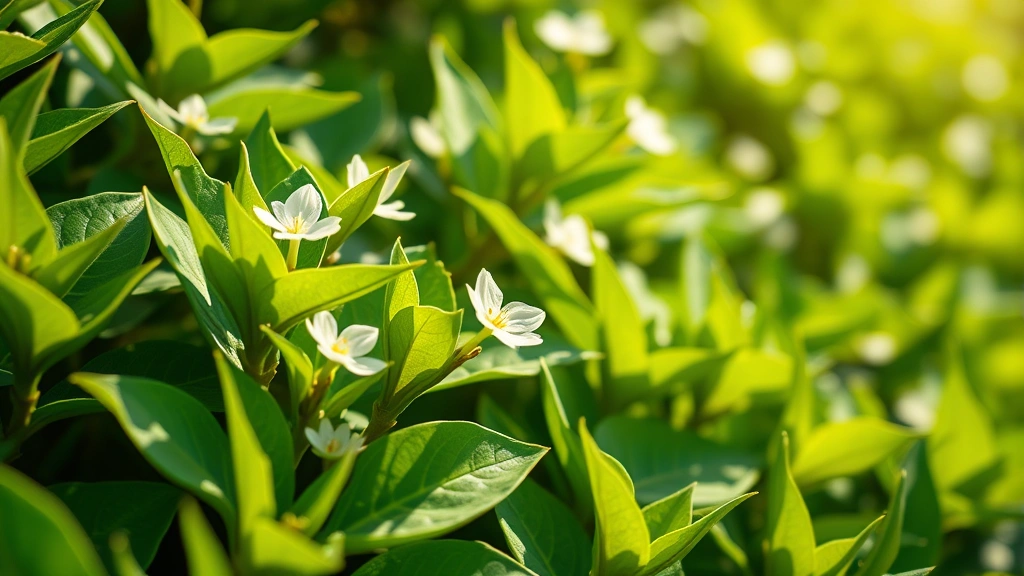
The beauty of growing tea plants is their ornamental value. With glossy green leaves and delicate white flowers in spring, they enhance your garden’s aesthetics while providing functional harvests. Many Southern gardeners incorporate tea plants into mixed borders or create dedicated tea gardens as special focal points. The plants typically reach 3-6 feet tall, making them manageable for most garden spaces.
Preparing Your Garden for Tea Cultivation
Successful tea growing begins with proper soil preparation. Tea plants demand acidic soil with a pH between 4.5 and 5.5, which differs significantly from most vegetables. Before planting, test your soil and amend accordingly. If you’re starting fresh, consider building a DIY raised garden bed filled with a specialized blend of peat moss, pine bark, and sulfur to achieve optimal acidity.
Understanding your specific growing region matters tremendously. Southern gardeners in coastal areas benefit from naturally acidic, sandy soils, while those in limestone-heavy regions must work harder to lower pH levels. Incorporate pine needles, coffee grounds, and composted oak leaves into your planting area—these amendments gradually acidify soil while improving drainage. This preparation phase, done several months before planting, yields better results than rushing the process.
Drainage is absolutely critical for tea plants. They despise waterlogged conditions and develop root rot in poorly draining soils. If your garden naturally retains moisture, amending with coarse sand and organic matter creates the porous structure tea plants need. A proper garden soil preparation strategy ensures your tea plants thrive for years.
Consider companion planting when designing your tea garden. Blueberries share similar soil requirements and create beautiful visual combinations. Shade-loving plants like hostas and ferns provide understory interest while protecting tea plants from afternoon sun. This layered approach maximizes your garden’s productivity while creating an attractive landscape.
Mint and Herbal Tea Alternatives
While true tea plants require patience and specific conditions, Southern gardeners can create exceptional sweet tea using readily available herbs. Mint stands as the star ingredient in countless Southern tea variations. Spearmint and peppermint grow vigorously in most climates and produce abundant foliage for harvesting. These plants are essentially foolproof—they thrive in sun or partial shade and tolerate various soil conditions, making them perfect for beginning gardeners.
One crucial warning about mint: it spreads aggressively through underground runners. Plant it in containers or use physical barriers to prevent it from overtaking your garden bed. Many experienced Southern gardeners dedicate a large pot exclusively to mint, positioning it near the kitchen for convenient harvesting during tea season.
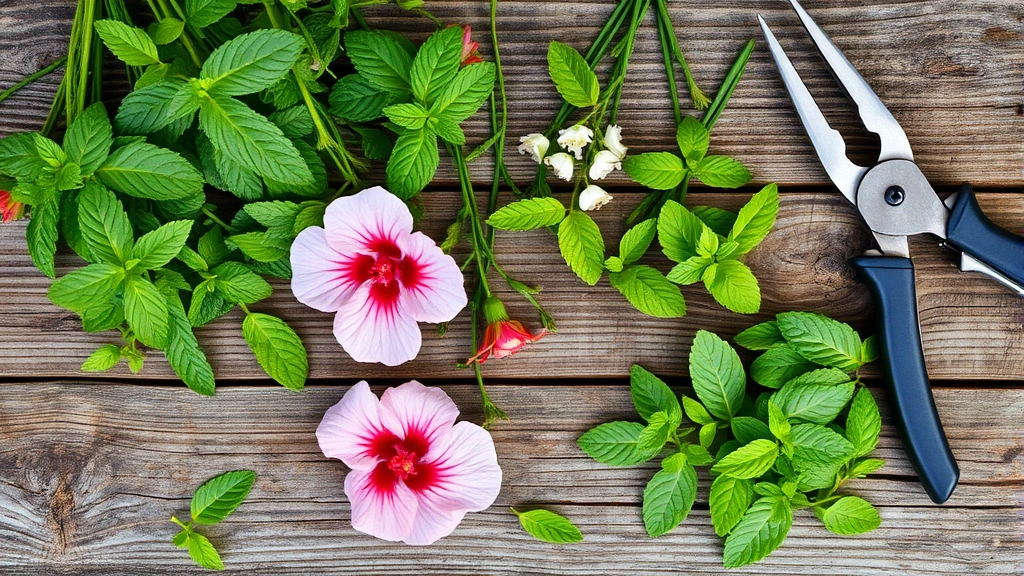
Beyond mint, explore other herbal tea options. Lemon balm offers bright citrus notes and grows with mint-like enthusiasm. Hibiscus flowers create stunning ruby-red tea with tart, cranberry-like flavors—particularly popular in Southern gardens. Chamomile provides gentle floral sweetness, while bee balm (Monarda) offers spicy, oregano-like complexity. Growing a diverse tea garden ensures you can create different flavor profiles throughout the growing season.
Lemongrass brings tropical flair to sweet tea and grows well in containers that you can move indoors during winter. Rosemary adds herbal depth, and some adventurous gardeners even grow butterfly pea flowers for their remarkable color-changing properties—the tea shifts from blue to purple when acid is added. This diversity transforms sweet tea from a simple beverage into a canvas for culinary creativity.
Harvesting Your Tea Ingredients
Proper harvesting technique maximizes your plants’ productivity and longevity. For tea plants, focus on the top two to three leaves and the unopened bud—known as “two leaves and a bud” in tea industry terminology. This selective harvesting encourages bushier growth and more frequent flushes throughout the season. Begin harvesting when your plant reaches 3-4 feet tall, typically after 2-3 years of growth.
Timing matters significantly. Harvest tea leaves in the morning after dew dries but before afternoon heat intensifies. Spring flushes produce the most tender, flavorful leaves. Summer harvests yield heartier leaves suitable for black tea production, while autumn growth provides balanced character. This seasonal variation allows sophisticated gardeners to create different tea styles from the same plant.
For mint and herbal components, harvest just before flowering when essential oil content peaks. Pinch off the top 4-6 inches of growth, encouraging the plant to branch and produce more leaves. Consistent harvesting actually increases productivity—plants that never get harvested become woody and less productive. This benevolent cycle means you can enjoy tea while simultaneously improving your plants’ health.
Harvest herbs in the cool morning hours when their flavor compounds are most concentrated. Never remove more than one-third of the plant at once, allowing adequate foliage for photosynthesis and continued growth. This sustainable approach ensures your plants produce generously throughout the season without becoming stressed or depleted.
The Perfect Sweet Tea Recipe
The classic Southern sweet tea recipe begins with quality water and your homegrown tea leaves. Bring one gallon of water to a rolling boil, then add 8-10 tea bags (or equivalent loose leaf tea from your garden). For homegrown tea, use slightly more than commercial equivalents—garden tea is fresher and more aromatic but sometimes less concentrated. Steep for 5-10 minutes, adjusting to your preferred strength.
The sweetening phase distinguishes authentic Southern sweet tea. While the tea is still hot, dissolve 1 to 1.5 cups of sugar into the brewed tea. The heat ensures complete sugar dissolution, preventing grainy texture. Some traditional recipes call for even more sugar, reflecting historical preferences. Add the sweetener while the tea is hot—this is crucial for achieving that signature smooth, consistent sweetness throughout.
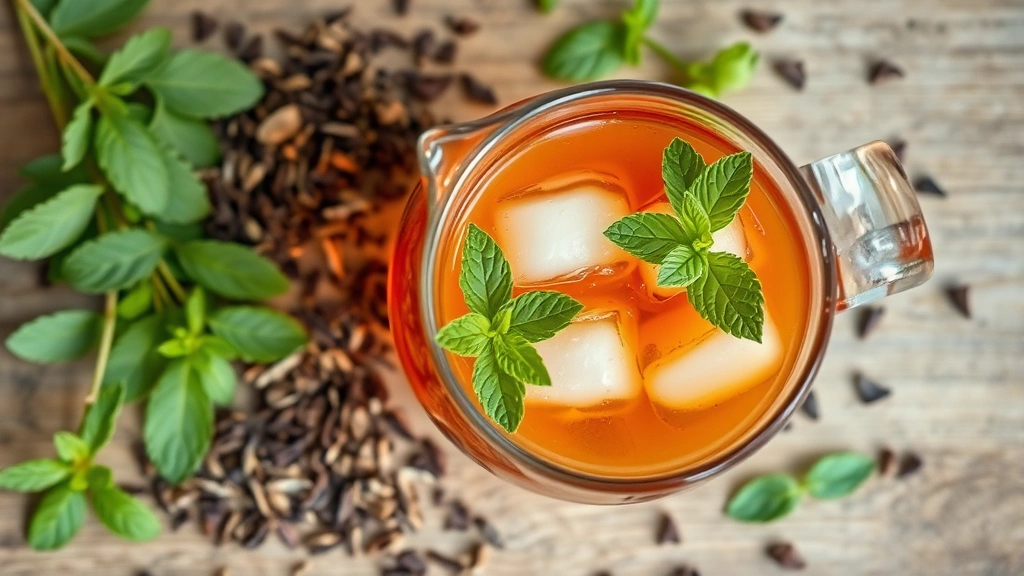
Cool your sweet tea naturally to room temperature, then refrigerate. Fill a pitcher with ice and pour the cooled tea over it. Add fresh mint sprigs from your garden for authentic Southern presentation and subtle flavor enhancement. A squeeze of fresh lemon juice brightens the flavor without overwhelming it—a secret many Southern families guard jealously.
For herbal variations, brew your garden mint, lemon balm, and hibiscus flowers together using similar proportions. The combination of fresh herbs creates complexity that commercial tea blends struggle to match. Experiment with ratios until you discover your perfect blend—one gardener’s ideal might be another’s starting point for further refinement.
Seasonal Growing Tips for Success
Spring represents the most critical season for tea plant establishment. As new growth emerges, ensure consistent moisture without waterlogging. Apply 2-3 inches of mulch around your plants, using pine needles or oak leaves to maintain soil acidity while regulating moisture. Avoid heavy fertilization—tea plants prefer lean conditions and respond poorly to excess nitrogen.
Summer demands vigilance in hot Southern climates. Provide afternoon shade during peak heat, especially for newly planted specimens. Water deeply but infrequently, encouraging deep root development. Monitor for spider mites and scale insects, which occasionally trouble tea plants in hot, dry conditions. Organic neem oil handles most infestations effectively without harming beneficial insects.
Autumn is prime harvesting season. As temperatures cool, tea plants produce their most flavorful leaves. Mint and herbal plants experience renewed vigor after summer dormancy. This season offers the best opportunity to gather ingredients and process them for winter enjoyment. Plan your harvesting calendar to coincide with cooler weather when processing is most comfortable.
Winter care depends on your region. In mild Southern zones, tea plants remain evergreen and require minimal intervention. In colder areas, provide frost protection using row covers or burlap when temperatures drop below 10°F. Mint and most herbal tea plants die back to the ground but reliably return in spring. Reduce watering during dormancy, allowing plants to rest.
Storage and Preservation Methods
Dried tea leaves and herbs preserve beautifully when handled properly. After harvesting, rinse leaves gently and pat dry. Spread them on screens or clean cloth in a warm, shaded location with good air circulation. Avoid direct sunlight, which degrades color and flavor compounds. Most leaves dry completely within 7-14 days depending on humidity and temperature.
Once dried, store your homegrown tea in airtight glass containers away from light, heat, and moisture. Proper storage maintains quality for 6-12 months. Many gardeners use dark glass jars or opaque containers to protect delicate flavor compounds from light degradation. Label containers with harvest dates and plant varieties for easy identification and rotation.
Freezing offers an alternative preservation method, particularly for fresh mint. Harvest leaves, pat dry, and freeze them on trays before transferring to freezer bags. Frozen herbs retain fresh flavor for several months and work beautifully in iced tea applications. Some gardeners create mint ice cubes by placing leaves in ice cube trays with water—these melt directly into tea for convenient flavor infusion.
For extended preservation, consider making tea concentrate. Brew a strong batch of your homegrown tea, cool it completely, and freeze in ice cube trays. Pop frozen cubes into glasses of water or fresh tea for instant flavor. This method captures peak-season flavor for enjoyment throughout the year, extending your garden’s usefulness beyond the growing season.
FAQ
Can I grow true tea plants in colder Southern regions?
Tea plants thrive in zones 7-11, covering most of the South. In zone 6 and colder areas, grow tea plants in large containers that you can move indoors during winter. This container method works surprisingly well and offers flexibility for managing harsh weather. Alternatively, focus on mint and herbal tea alternatives that tolerate colder climates more readily.
How long before I can harvest from a newly planted tea plant?
Expect to wait 2-3 years before harvesting from nursery-grown plants. Seed-grown plants require 4-5 years. This patience investment pays dividends—established tea plants produce for decades. In the meantime, grow mint and herbs for immediate tea production, creating a diverse tea garden while your tea plant matures.
What’s the difference between sun and shade for tea plants?
Tea plants tolerate partial shade better than full sun in hot climates. Morning sun with afternoon shade provides ideal conditions, particularly in Deep South regions experiencing intense summer heat. In cooler areas or northern zones, more direct sun improves growth. Observe your specific microclimate and adjust plant placement accordingly.
Can I use fresh leaves immediately for tea, or must they be dried?
Fresh tea leaves produce wonderfully fragrant, delicate brews—perfectly acceptable for enjoying immediately. Dried leaves offer more concentrated flavor and longer shelf life. Many gardeners enjoy both fresh and dried versions, varying their choice based on season and preference. Experiment to discover which appeals more to your palate.
Do tea plants require special fertilizers?
Tea plants prefer minimal fertilization. Use acidifying fertilizers specifically formulated for acid-loving plants like azaleas and blueberries if supplementation is needed. Over-fertilizing produces excessive leaf growth at the expense of flavor. Many successful tea gardeners skip fertilization entirely, relying on organic matter amendments instead.
Which mint varieties work best for sweet tea?
Spearmint and peppermint both excel in sweet tea applications. Spearmint offers milder, more delicate flavor, while peppermint delivers bolder, more assertive character. Many gardeners grow both varieties and blend them to achieve perfect balance. Kentucky Colonel and Julep mint represent heirloom varieties with particular Southern heritage.


