Start a Garden? Expert Tips from Grow a Garden Club
Beginning a garden journey can feel overwhelming, but with the right guidance and practical strategies, anyone can cultivate a thriving green space. Whether you’re dreaming of fresh vegetables on your dinner table, vibrant flower beds that attract pollinators, or a peaceful outdoor retreat, the experts at Grow a Garden Club are here to help you succeed. This comprehensive guide draws from years of horticultural experience and community wisdom to provide actionable steps for gardeners at every skill level.
The key to successful gardening lies in understanding your unique growing conditions, starting with manageable projects, and building knowledge progressively. Rather than attempting an elaborate garden design immediately, most successful gardeners recommend beginning small, learning fundamental techniques, and expanding gradually. This approach reduces frustration, increases confidence, and allows you to develop a sustainable gardening routine that fits your lifestyle and climate zone.
Assess Your Growing Space and Conditions
Before purchasing a single seed or seedling, take time to evaluate your available space and environmental conditions. Understanding your garden’s unique characteristics will determine which plants thrive and which struggle, ultimately saving you time, money, and disappointment.
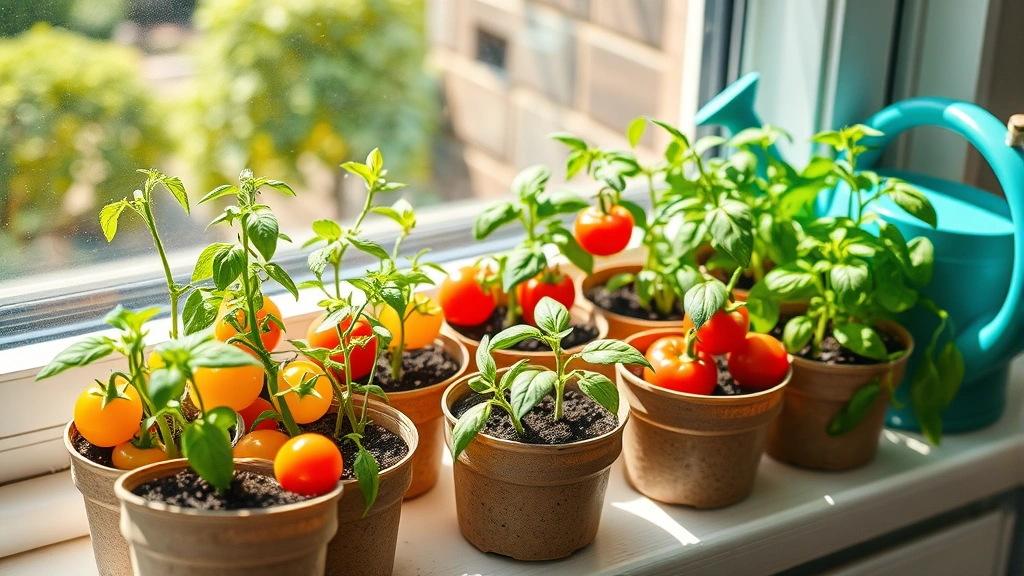
Start by measuring your available space. Do you have a large backyard, a small patio, or a sunny windowsill? Garden size doesn’t limit your success—it simply determines scale. A compact balcony can support container gardening, while a sprawling yard offers room for diverse plantings. Consider whether you’ll use raised beds, in-ground planting, containers, or a combination of these approaches.
Next, observe sunlight patterns throughout the day. Most vegetables and flowering plants require six to eight hours of direct sunlight daily. Spend a full day noting which areas receive morning sun, afternoon shade, or dappled light. This information is crucial because preparing garden soil for a thriving garden means matching plant needs to light conditions. Some shade-tolerant plants like hostas and ferns actually prefer less intense afternoon sun, while tomatoes and peppers demand full sun exposure.
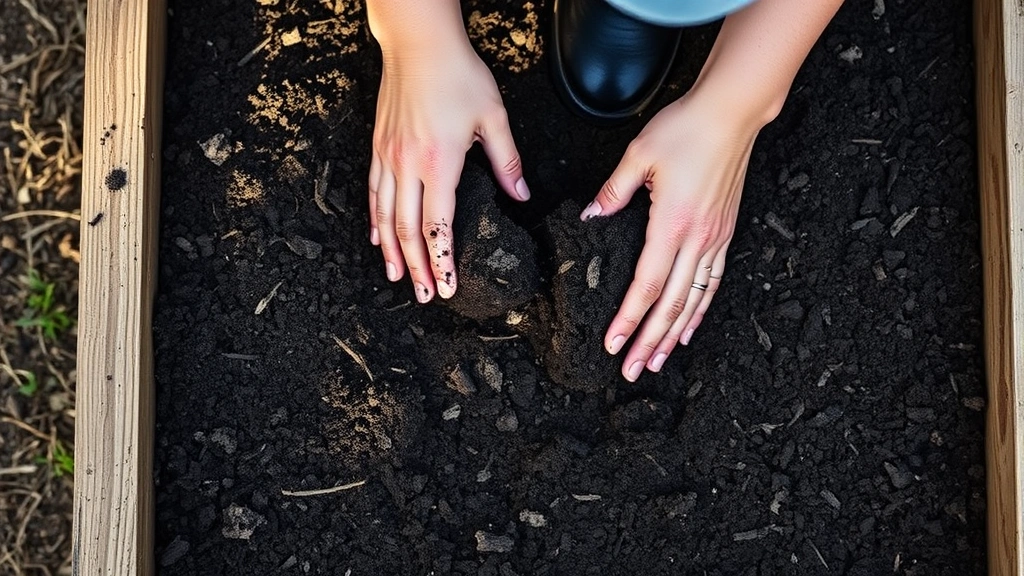
Evaluate your soil by performing a simple texture test. Grab a handful of moist soil and squeeze it. Sandy soil crumbles apart, clay soil forms a tight ball, and loamy soil (the ideal) holds together loosely. You can also check soil pH using inexpensive test kits available at garden centers. Most vegetables prefer slightly acidic soil with a pH between 6.0 and 7.0, while blueberries prefer more acidic conditions around 4.5 to 5.5.
Consider your climate zone using the USDA Plant Hardiness Zone Map, which divides North America into zones based on average minimum winter temperatures. Knowing your zone helps you select perennials and trees that survive winter in your area.
Prepare Your Garden Soil Properly
Healthy soil is the foundation of a successful garden. Rather than relying on chemical fertilizers alone, focus on building soil structure and biological activity through organic matter incorporation and proper amendment techniques.
The comprehensive guide on how to prepare garden soil for a thriving garden emphasizes that soil preparation often determines whether plants merely survive or genuinely thrive. Begin by removing grass, weeds, and debris from your planting area. If starting a new bed, you can use the sheet mulching method: layer cardboard or newspaper, add compost, then top with soil. This approach eliminates weeds while building soil quality.
Incorporate three to four inches of compost or well-rotted organic matter into the top six to eight inches of existing soil. This improves drainage in clay soils, increases water retention in sandy soils, and feeds beneficial microorganisms that support plant growth. If you don’t have homemade compost, purchase bagged compost from local garden centers or extension services.
Consider creating raised garden beds, which offer several advantages for beginners. Raised beds provide better drainage control, warmer soil in spring, easier access for planting and maintenance, and reduced competition from existing weeds and tree roots. Fill raised beds with a mixture of topsoil, compost, and peat moss or coconut coir in roughly equal proportions.
If your soil is severely depleted or contaminated, consider growing in containers or purchasing quality potting mix specifically formulated for container gardening. Container growing offers flexibility, portability, and easier pest management, making it ideal for patios, balconies, and small spaces.
Choose Plants That Thrive in Your Zone
Selecting appropriate plants is essential for gardening success. Rather than choosing plants purely based on appearance, match selections to your hardiness zone, light conditions, soil type, and water availability.
For beginners, start with hardy, forgiving plants that tolerate variable conditions. Excellent vegetable choices include tomatoes (which produce abundantly with minimal care), zucchini (prolific and fast-growing), lettuce (quick harvest and succession planting), beans (nitrogen-fixing and satisfying), and peppers (long-producing and adaptable). These vegetables reward attention without demanding perfection.
For ornamental plantings, consider native plants adapted to your region. Native plants evolved in your local climate, requiring less water, fertilizer, and pest management once established. Visit your state’s native plant society or local botanical garden for recommendations suited to your area.
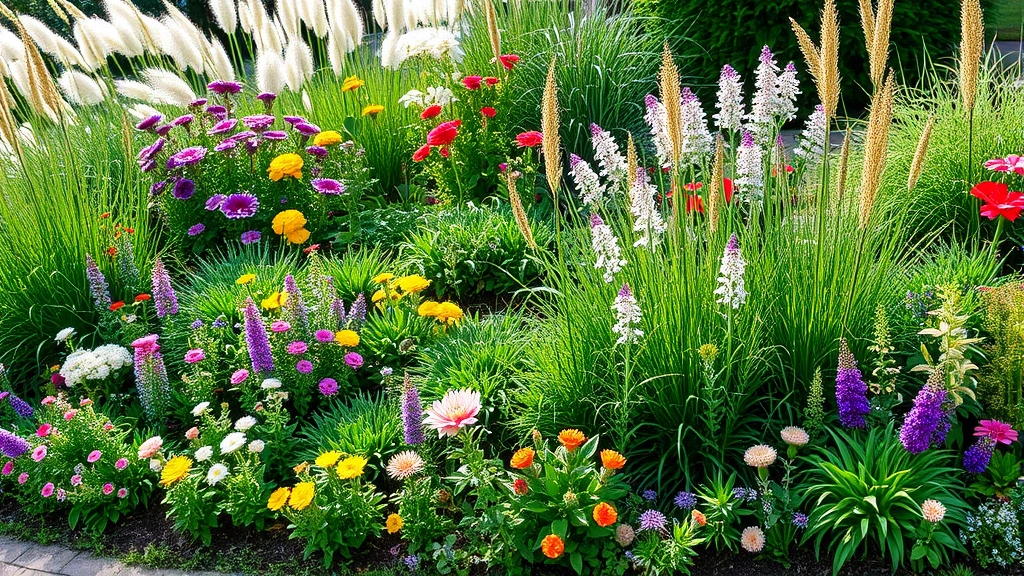
Perennial flowers like coneflowers, black-eyed Susans, daylilies, and ornamental grasses provide years of blooms with minimal annual effort. These plants establish deep root systems, improve soil structure over time, and support local pollinators. Annuals like marigolds, zinnias, and cosmos offer continuous color but require replanting each year.
If you’re interested in specialized gardening, explore options like growing a cut flower garden for fresh arrangements or creating a fairy garden for whimsical container displays. You might also investigate how to propagate plants to expand your garden economically.
Select the Right Garden Style for You
Your garden style should reflect your aesthetic preferences, available time, and gardening goals. Different approaches suit different lifestyles and skill levels.
Vegetable Gardens: If food production is your goal, dedicate space to vegetables you actually eat. A small vegetable patch measuring just four feet by eight feet can produce significant harvests. Organize plants by water and nutrient needs, grouping heavy feeders like tomatoes together and drought-tolerant plants like herbs separately. Succession plant vegetables every two to three weeks for continuous harvests throughout the season.
Ornamental Borders: Create visual interest with layered plantings featuring plants of varying heights, colors, and bloom times. Place tall plants at the back, medium plants in the middle, and short plants at the front. Combine plants with different leaf textures and colors to maintain visual appeal even when some plants aren’t blooming.
Container Gardens: Perfect for patios, balconies, and small spaces, container gardening offers flexibility and portability. Use containers with drainage holes and quality potting mix. Combine a thriller (tall centerpiece), filler (medium plants), and spiller (trailing plants) for professional-looking arrangements.
Native Plant Gardens: Support local ecosystems by featuring plants native to your region. Native plant gardens require less maintenance, support pollinators and wildlife, and create natural-looking landscapes that evolve seasonally.
Herb Gardens: Culinary and medicinal herbs offer practical harvests in compact spaces. Basil, rosemary, thyme, oregano, and mint thrive in most conditions and provide fresh flavors for cooking.
Essential Tools and Supplies to Get Started
You don’t need an extensive tool collection to garden successfully. Focus on quality basics that will last years with proper care.
Essential Hand Tools: A sturdy spade for digging, a hand trowel for planting, a weeding fork for removing deep-rooted weeds, and pruning shears for cutting stems. Choose tools with comfortable handles that fit your hand size and weight appropriately. Stainless steel tools resist rust and last longer than painted steel.
Watering Equipment: A watering can for container plants, a garden hose with adjustable nozzle for larger areas, or a soaker hose for efficient water delivery directly to plant roots. Soaker hoses reduce water waste and prevent fungal diseases by keeping foliage dry.
Safety and Comfort Gear: Gardening gloves protect hands from thorns and soil microorganisms, a wide-brimmed hat provides sun protection, and knee pads or a garden stool reduce strain during extended planting sessions.
Soil Amendments: Compost, mulch, peat moss or coconut coir, and garden lime or sulfur for pH adjustment. Start with compost as your primary amendment for most gardening needs.
Optional but Helpful: A soil pH test kit, garden journal for recording planting dates and observations, garden markers to identify plantings, and a small pruning saw for thicker branches.
Watering, Fertilizing, and Basic Care
Proper maintenance transforms a promising garden into a productive one. Understanding your plants’ needs and adjusting care seasonally ensures consistent success.
Watering Fundamentals: Most plants need approximately one inch of water weekly, including rainfall. Water deeply and less frequently rather than shallowly and often, encouraging deep root growth. Water early morning to reduce evaporation and disease pressure. Check soil moisture by inserting your finger two inches deep—if it feels dry, water thoroughly until moisture reaches the root zone.
Container plants dry faster than in-ground plants and may need daily watering during hot weather. Use the weight test: lift the pot—if it feels light, water until it drains from the bottom.
Fertilizing Schedule: If you’ve amended soil with compost, many plants need minimal additional fertilizer. Heavy feeders like tomatoes and corn benefit from monthly fertilizer applications during the growing season. Use balanced fertilizers (equal nitrogen, phosphorus, and potassium) or organic options like fish emulsion, compost tea, or aged manure.
Mulching Benefits: Apply two to three inches of organic mulch around plants to conserve moisture, regulate soil temperature, suppress weeds, and improve soil as it decomposes. Use shredded bark, wood chips, or compost. Keep mulch a few inches away from plant stems to prevent rot and pest problems.
Pruning and Deadheading: Remove dead, diseased, or damaged branches promptly. Deadheading spent flowers encourages continued blooming on annuals and some perennials. Prune spring-blooming plants after flowering; prune summer-bloomers in late winter or early spring.
Common Beginner Mistakes to Avoid
Learning from others’ experiences accelerates your gardening success. Watch for these frequent pitfalls that challenge new gardeners.
Overcrowding: Planting too closely reduces air circulation, increases disease pressure, and forces plants to compete for water and nutrients. Follow spacing recommendations on plant labels, understanding that young plants will grow substantially.
Inconsistent Watering: Fluctuating moisture stresses plants and causes problems like blossom end rot in tomatoes, cracking in fruits, and wilting. Establish a consistent watering routine, ideally using soaker hoses or drip irrigation for automated, consistent delivery.
Wrong Plant, Wrong Place: Placing shade plants in full sun or sun plants in shade guarantees disappointment. Match plants to your actual light conditions rather than wishful thinking about what you want.
Ignoring Soil Health: Assuming existing soil is adequate without testing or amendment limits plant potential. Invest in soil preparation upfront; it pays dividends for years.
Planting Too Early: Starting seeds or transplanting before frost danger passes wastes time and resources. Check your local frost dates and resist the urge to plant too early, even when spring feels imminent.
Neglecting Pest and Disease Monitoring: Regular garden inspection catches problems early when they’re easiest to manage. Check plant undersides for pests, watch for disease symptoms, and remove affected leaves promptly.
Starting Too Large: Ambition without experience leads to overwhelm and abandonment. Begin with a manageable garden size you can maintain consistently. Expand gradually as your skills and confidence grow.
Visit the American Horticultural Society website for comprehensive gardening resources and consider connecting with your local Master Gardener program for personalized local guidance. The Garden Organic organization provides excellent organic gardening methods and community support.
FAQ
When is the best time to start a garden?
Spring is ideal for most gardeners in temperate climates, but you can garden year-round with season-appropriate plants. Check your local frost dates and plan accordingly. Fall gardening in warm climates offers excellent growing conditions with less pest pressure.
How much space do I need to grow a successful garden?
Even a small space like a balcony or windowsill supports container gardening. A four-by-eight-foot raised bed produces substantial vegetables. Garden success depends on plant selection and care rather than absolute size.
What’s the difference between annuals and perennials?
Annuals complete their life cycle in one year, requiring replanting annually but offering continuous blooms. Perennials return each year with minimal replanting, though many require several years to establish fully. Both have advantages in different garden situations.
How do I know if my garden has enough sunlight?
Observe your space throughout the day, noting which areas receive direct sun, partial shade, or full shade. Most vegetables need six to eight hours of direct sunlight. Shade-tolerant plants like hostas and ferns thrive with less light.
Can I garden if I have poor soil?
Absolutely. You can amend existing soil with compost, create raised beds with quality soil mix, or grow entirely in containers. Many successful gardeners started with poor soil and built it gradually through organic matter additions.
How often should I water my garden?
Most plants need approximately one inch of water weekly. Check soil moisture regularly; if the top two inches feel dry, water thoroughly. Container plants dry faster and may need daily watering in hot weather.
What should I plant first as a beginning gardener?
Start with hardy, forgiving plants like tomatoes, zucchini, beans, lettuce, or herbs. These produce abundantly with minimal care and build confidence. Add more challenging plants once you understand your growing conditions and gardening rhythm.


