Gourmet Garden Design: Expert Tips for Growing Premium Produce at Home
A gourmet garden transforms your outdoor space into a culinary paradise, where fresh herbs, heirloom vegetables, and specialty crops thrive just steps from your kitchen. Unlike traditional vegetable gardens that prioritize yield, gourmet gardens focus on flavor, uniqueness, and aesthetic appeal—cultivating varieties that elevate everyday meals into restaurant-quality dining experiences. Whether you have a sprawling backyard or a modest patio, designing a gourmet garden requires thoughtful planning, strategic plant selection, and attention to growing conditions that maximize both taste and visual beauty.
The concept of gourmet gardening has surged in popularity among home gardeners and culinary enthusiasts who recognize that commercially grown produce often lacks the depth of flavor found in carefully cultivated, freshly harvested crops. By growing your own gourmet ingredients, you gain complete control over growing methods, harvest timing, and variety selection—allowing you to access premium produce that rarely appears in supermarket aisles. This comprehensive guide explores the essential principles, plant selections, and practical techniques needed to design and maintain a thriving gourmet garden that becomes the envy of your neighborhood and the pride of your kitchen.
Understanding Gourmet Garden Principles
Gourmet gardening operates on several core principles that distinguish it from conventional vegetable production. First, quality surpasses quantity—a gourmet garden prioritizes growing fewer plants with exceptional flavor profiles rather than maximizing harvests. Second, variety selection matters profoundly; heirloom and specialty cultivars typically offer superior taste compared to mass-market hybrids bred primarily for shipping durability and shelf life. Third, timing is everything; harvesting at peak ripeness, often just moments before use, captures flavors that fade quickly after picking.
The philosophy behind gourmet gardening embraces sustainable growing practices that enhance rather than deplete your soil ecosystem. Premium produce emerges from healthy soil rich in organic matter, beneficial microorganisms, and balanced nutrients. This approach minimizes chemical inputs, encourages biodiversity, and creates a garden environment where plants thrive naturally. Understanding these foundational principles helps you make strategic decisions about garden design, plant selection, and management practices that align with gourmet gardening goals.
Choosing Your Garden Location and Layout
Location determines success or failure in gourmet gardening. Scout your property for areas receiving at least six to eight hours of direct sunlight daily—ideally with morning sun exposure that dries dew and afternoon shade in hot climates. Observe how sunlight moves across your yard throughout the seasons, noting that winter sun angles differ significantly from summer patterns. Avoid planting near large trees that create dense shade or compete for water and nutrients.
Water access should be convenient and reliable. Position your gourmet garden near hose connections or irrigation infrastructure to facilitate consistent watering without excessive labor. Proximity to your kitchen matters more than many gardeners realize; the closer your gourmet plants grow to cooking spaces, the more likely you’ll harvest at peak ripeness and incorporate fresh ingredients into meals. Consider views from windows and outdoor living areas—a beautiful gourmet garden becomes part of your landscape design and daily visual experience.
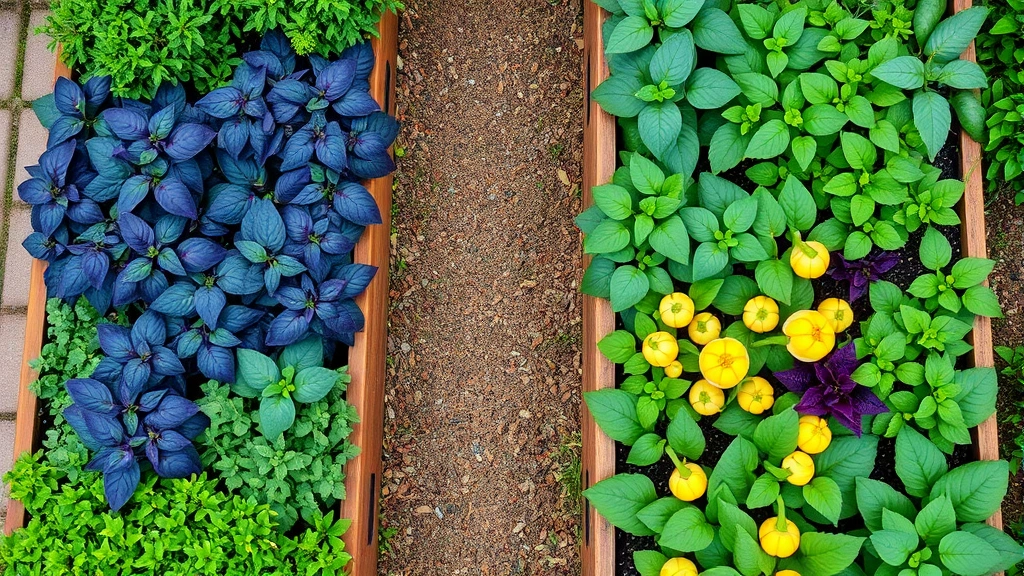
Raised bed gardening offers exceptional advantages for gourmet cultivation, providing superior soil control, improved drainage, and easier access for harvesting and maintenance. Arrange beds in productive patterns—rectangular beds work well for succession planting, while tiered designs create visual interest and accommodate diverse growing conditions. Many gourmet gardeners prefer beds measuring four feet wide by eight feet long, allowing comfortable reach to center plants without stepping on growing areas.
Premium Vegetable Varieties for Gourmet Growing
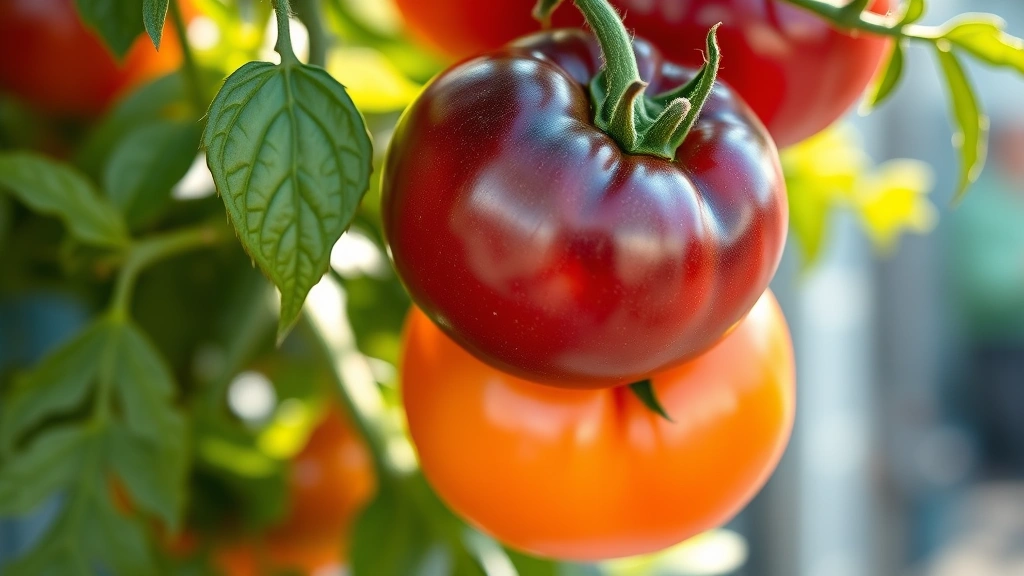
Vegetable variety selection defines your gourmet garden’s character. Move beyond standard supermarket types toward heirloom and specialty cultivars bred for exceptional flavor. Tomatoes exemplify this principle—while ‘Brandywine’, ‘Cherokee Purple’, and ‘Black Krim’ varieties deliver complex, intense flavors impossible to find commercially, standard ‘Beefsteak’ types grown for shipping lack comparable depth. Heirloom tomatoes typically require patient staking, careful disease management, and precise harvest timing, but rewards justify the effort.
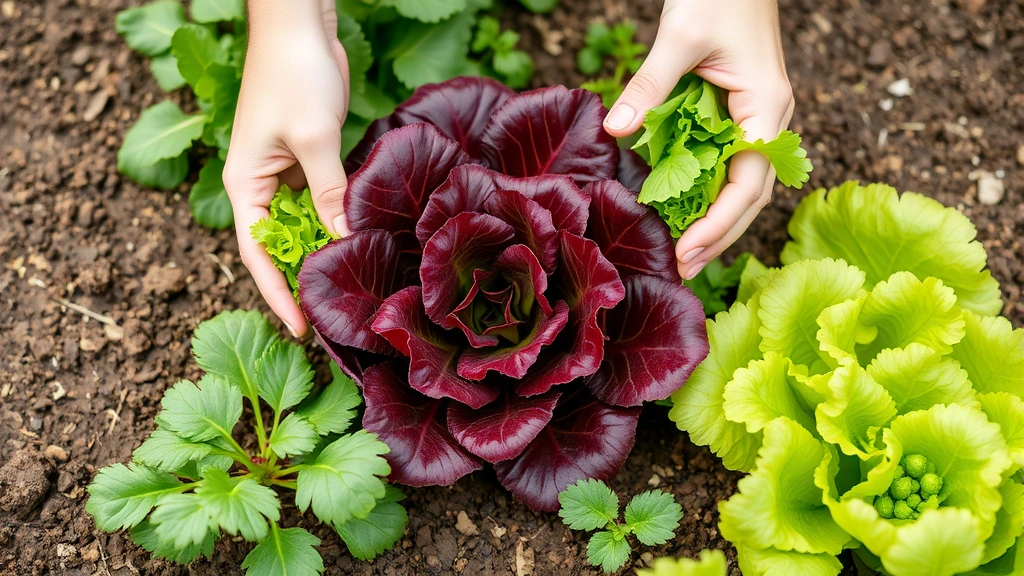
Premium lettuces and salad greens showcase another area where variety matters tremendously. Instead of iceberg lettuce, cultivate ‘Lollo Rosso’ for its frilly texture and subtle complexity, ‘Buttercrunch’ for silky richness, or ‘Oak Leaf’ for delicate nuttiness. Cut-and-come-again harvesting from these varieties provides continuous salad ingredients throughout growing seasons. Specialty greens like mizuna, tatsoi, and arugula add gourmet diversity with distinctive flavors ranging from peppery to mustard-forward.
Sugar snap and snow peas represent delicious gourmet vegetables often underutilized in home gardens. Varieties like ‘Sugar Snap’ and ‘Oregon Sugar Pod’ deliver sweet, crisp pods ideal for fresh snacking or light cooking. Heirloom beans including ‘Cranberry’, ‘Dragon’s Tongue’, and ‘Scarlet Runner’ offer flavors and textures superior to common green bean cultivars. Root vegetables deserve consideration too—‘Chioggia’ beets with their stunning striped interiors, ‘Parisian’ carrots with concentrated sweetness, and ‘Easter Egg’ radishes in multiple colors elevate simple side dishes.
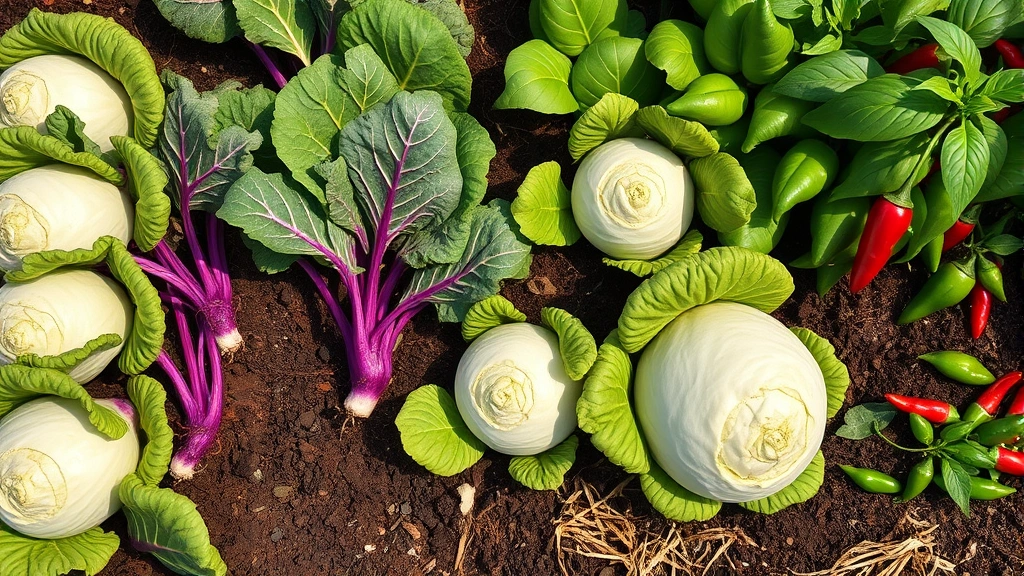
Specialty vegetables like fennel, kohlrabi, romanesco broccoli, and purple cauliflower provide culinary excitement and visual garden appeal. Peppers deserve prominent placement—grow specialty hot peppers like ‘Habanero’ or ‘Thai Bird’, sweet peppers in multiple colors, or unique varieties like ‘Shishito’ prized by Japanese cuisine enthusiasts. Don’t overlook edible flowers; nasturtiums, pansies, calendula, and borage add color and unexpected flavor dimensions to salads and garnishes.
Herb Selection and Cultivation Strategies
Fresh herbs represent the cornerstone of gourmet cooking and garden design. Basil varieties extend far beyond common Italian types—cultivate ‘Thai Basil’ for Asian cuisine, ‘Lemon Basil’ for desserts and beverages, ‘Purple Basil’ for color and peppery notes, and ‘Cinnamon Basil’ for unique flavor profiles. Pinch flowers regularly to encourage bushy growth and maximize leaf production throughout seasons.
Mediterranean herbs thrive in gourmet gardens with proper site selection. Oregano, thyme, rosemary, and marjoram prefer well-draining soil and full sun; they tolerate drought better than most vegetables, making them ideal for water-conscious gardeners. Sage varieties including common, purple, and golden selections offer visual interest alongside culinary value. Lavender bridges ornamental and culinary uses, providing fragrant flowers for cooking and dried arrangements.
Cilantro, parsley, chives, and dill represent cool-season herbs requiring succession planting for continuous harvests. Cilantro particularly benefits from frequent planting every two weeks, as it bolts quickly in heat. Mint demands contained growing in pots or raised beds, as its aggressive spreading overtakes neighboring plants. Tarragon, chervil, and sorrel add sophisticated flavors for adventurous cooks. Preserve peak-season abundance through drying, freezing, or creating herb-infused oils and vinegars that extend gourmet gardening benefits year-round.
Soil Preparation and Nutrient Management
Exceptional gourmet produce requires exceptional soil. Begin by testing your existing soil through local extension services to understand pH, nutrient levels, and organic matter content. Most vegetables thrive in slightly acidic soil (pH 6.0-7.0) rich in organic matter. If starting from scratch, create premium soil by blending high-quality compost, aged manure, peat moss or coconut coir, and perlite or vermiculite in proportions that suit your specific plants and climate.
Compost forms the foundation of gourmet soil management. Create your own from kitchen scraps, grass clippings, and garden debris, or source premium finished compost from reliable suppliers. Work two to four inches of compost into beds before planting and apply annual top-dressing to replenish organic matter. This practice improves soil structure, enhances water retention, and provides slow-release nutrients that feed plants throughout growing seasons.
Nutrient management in gourmet gardens emphasizes balance over excess. Use balanced organic fertilizers formulated for vegetable production, or create custom nutrient solutions by combining bone meal for phosphorus, kelp meal for trace minerals, and blood meal for nitrogen. Side-dress heavy feeders like tomatoes and peppers with compost or organic fertilizer every three to four weeks during active growth. Foliar feeding with seaweed extract or fish emulsion provides quick nutrient boosts when plants show deficiency symptoms. Avoid over-fertilizing, which promotes excessive foliage at the expense of flavor development.
Seasonal Planning and Succession Planting
Gourmet gardens thrive through strategic seasonal planning that provides continuous harvests. Divide your growing year into spring, summer, and fall production periods, with each season hosting different varieties suited to temperature and daylight conditions. Spring gardens emphasize cool-season crops including peas, lettuce, spinach, radishes, and early herbs. These tolerate light frosts and appreciate cooler soil temperatures that promote quality rather than rapid bolting.
Succession planting—sowing new crops every two to three weeks—ensures continuous harvests rather than gluts followed by gaps. Plant lettuce and greens every fourteen days from early spring through fall to maintain steady salad supplies. Direct-sow fast-maturing crops like radishes and beans every three weeks. This approach requires tracking planting dates and calculating days-to-maturity for each variety, but creates the fresh-ingredient abundance that defines gourmet gardening benefits.
Summer gardens shift toward heat-loving crops: tomatoes, peppers, basil, eggplant, beans, and squash. Provide afternoon shade in extremely hot climates using shade cloth or strategic placement of taller plants. Consistent watering becomes critical during heat waves, as erratic moisture availability causes flavor problems like bitter lettuce or mealy tomatoes. Fall gardens welcome returning cool-season crops alongside new varieties like kale, Brussels sprouts, cabbage, and broccoli that actually improve in flavor after light frosts break down starches into sugars.
Design Aesthetics and Garden Structure
Gourmet gardens balance productivity with visual appeal, creating spaces as beautiful as they are bountiful. Thoughtful garden decor elements enhance both functionality and aesthetics. Pathways constructed from gravel, mulch, or stepping stones provide access while defining garden structure. Trellises and arbors support climbing crops while creating vertical interest and maximizing space efficiency. Choose structures that complement your home’s architectural style, whether rustic wooden frames or elegant metal designs.
Color and texture coordination elevates gourmet garden design beyond utilitarian vegetable patches. Interplant purple-leafed basil with golden oregano, combine deep-green kale with silvery sage, and edge beds with colorful lettuce varieties. Ornamental edibles like flowering kale, rainbow chard, and purple cauliflower blur lines between vegetable and flower gardens. Edible flowers including nasturtiums, calendula, and violas add unexpected pops of color while providing culinary ingredients.
Water features, benches, and gathering spaces transform gardens into outdoor rooms where you’ll spend leisure time enjoying your gourmet cultivation. Strategic lighting extends garden enjoyment into evenings, illuminating pathways and highlighting specimen plants. Consider creative garden design concepts that incorporate personal touches reflecting your style and culinary interests. A well-designed gourmet garden becomes an extension of your home, a place for relaxation, inspiration, and connection to food sources.
Pest Management and Disease Prevention
Protecting gourmet crops requires integrated pest management emphasizing prevention over treatment. Healthy plants in optimal growing conditions resist pests and diseases more effectively than stressed plants. Maintain consistent watering, proper spacing for air circulation, and balanced nutrition to build plant vigor. Monitor plants regularly, inspecting leaf undersides and stems where pest populations concentrate before exploding into unmanageable infestations.
Cultural practices prevent many common problems. Remove diseased leaves immediately; prune lower foliage on tomatoes to improve air circulation; mulch around plants to prevent soil-borne diseases from splashing onto leaves during watering. Rotate plant families yearly, avoiding growing tomatoes in the same bed consecutively, which allows pest and disease populations to establish. Use row covers on young plants to exclude insects during vulnerable growth stages.
When pest pressure increases, employ organic solutions aligned with gourmet gardening philosophy. Insecticidal soap and neem oil control soft-bodied insects like aphids and mites. Bacillus thuringiensis (Bt) targets caterpillars without harming beneficial insects. Hand-pick larger pests like hornworms and beetles, which feels more satisfying than you’d expect. Encourage beneficial insects—ladybugs, lacewings, parasitic wasps—by planting flowers that sustain them and avoiding broad-spectrum pesticides that eliminate beneficial populations alongside pests. Companion planting with marigolds, nasturtiums, and borage attracts beneficials while deterring some pests through chemical or physical mechanisms.
Disease prevention focuses on creating unfavorable conditions for fungal and bacterial problems. Water at soil level rather than overhead to keep foliage dry. Water early morning so any splash dries quickly. Provide adequate spacing and pruning to maximize air circulation through plant canopies. Remove and destroy infected plant material rather than composting it. Choose disease-resistant varieties when available, though flavor-focused heirloom selections sometimes lack resistance traits, requiring extra vigilance and management attention.
FAQ
What size garden do I need to grow gourmet vegetables?
Gourmet gardens scale to any space. A single raised bed four by eight feet supports surprising variety through succession planting and vertical growing. Container gardens on patios, balconies, or porches grow premium herbs, lettuces, peppers, and tomatoes. Even a sunny windowsill accommodates basil and other compact herbs. Start small and expand as experience and enthusiasm grow; better to maintain a small, beautiful, productive gourmet garden than struggle with oversized space.
How do I choose between heirloom and hybrid vegetables?
Heirloom varieties typically offer superior flavor but may lack disease resistance and uniform appearance. Hybrids often provide vigor, consistency, and disease resistance but sometimes sacrifice flavor for commercial traits. For gourmet gardening, prioritize flavor and grow heirloom favorites like ‘Brandywine’ tomatoes and ‘Lollo Rosso’ lettuce. Use disease-resistant hybrids for crops prone to problems in your climate. Many excellent hybrid varieties deliver both quality and reliability; don’t dismiss them categorically, but research flavor profiles before purchasing.
When should I harvest gourmet vegetables for best flavor?
Harvest timing profoundly affects flavor. Pick tomatoes when fully ripe but still firm, ideally picking in evening after plants photosynthesize all day. Harvest lettuce and greens in cool morning hours when they’re crisp and hydrated. Snap peas and beans at peak tenderness—delay harvesting and pods become tough and starchy. Herbs deliver strongest flavor when harvested in morning after dew dries but before heat of day. The general principle: harvest as close to meal preparation as possible, capturing flavors that fade quickly after picking.
How can I extend gourmet gardening through seasons?
Succession planting ensures continuous crops. Plant cool-season vegetables every two weeks spring through fall. Use row covers, cold frames, and low tunnels to extend fall growing into winter in many climates. Preserve peak-season abundance through freezing, drying, and fermentation. Make herb-infused oils, pesto, and pestos that capture summer flavors for winter cooking. In mild climates, grow cool-season crops through winter. In cold regions, focus on spring and fall production while maintaining winter herbs indoors.
What external resources help gourmet gardeners?
Consult your local USDA extension office for region-specific growing information and soil testing services. The American Horticultural Society provides resources for diverse gardening interests. Visit nearby botanical gardens for inspiration and plant variety observation. Join master gardener programs through extension services for local expertise and community support. Seed catalogs from reputable suppliers offer detailed variety descriptions and recommendations tailored to different regions and growing styles.