How to Start a Garden: Wiki Expert Insights
Starting a garden is one of the most rewarding pursuits you can undertake, whether you have a sprawling backyard or a modest balcony. The journey from bare soil to thriving plants teaches patience, observation, and the fundamental rhythms of nature. This comprehensive guide draws on horticultural expertise and practical wisdom to help you begin your gardening adventure with confidence and success.
The beauty of gardening lies in its accessibility. You don’t need years of experience, expensive equipment, or perfect conditions to grow something meaningful. What you do need is understanding the basics: soil preparation, plant selection, proper watering, and seasonal awareness. This wiki-style guide breaks down each essential component so you can start growing today.
Assess Your Growing Space and Conditions
Before you purchase a single seed or seedling, spend time observing your potential garden space. The most critical factor determining your success is understanding the light your area receives throughout the day. Full sun means six or more hours of direct sunlight, which most vegetables and flowering plants require. Partial shade offers three to six hours, suitable for leafy greens and shade-tolerant herbs. Full shade receives less than three hours and limits your options significantly.
Walk your space at different times of day. Notice where shadows fall from buildings, trees, and fences. Morning sun differs from afternoon sun in intensity. Spring sun differs from summer sun. This observation period, ideally spanning a week or two, provides invaluable information for plant selection. You might also consider how water drains in your space, whether wind exposure is significant, and whether you have access to water sources for irrigation.
Evaluate your soil’s basic characteristics by digging a small hole and examining the soil texture. Sandy soil feels gritty and drains quickly but doesn’t retain nutrients well. Clay soil feels sticky when wet and compacts easily, retaining moisture and nutrients but sometimes waterlogging. Loamy soil, the ideal balance, feels crumbly and dark. Most gardens benefit from soil amendments regardless of starting texture, so don’t despair if yours isn’t perfect initially.
Choose Your Gardening Method
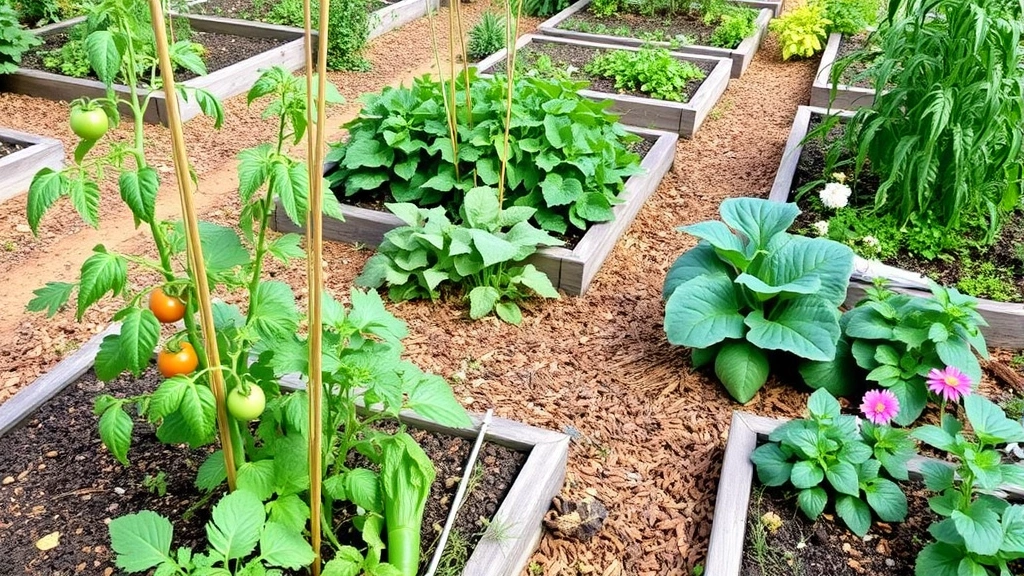
Several approaches suit different situations and preferences. In-ground gardens work well if you have decent soil and space. Raised garden bed clearance involves constructing frames with fresh soil, offering advantages including better drainage control, easier access, and cleaner aesthetics. Container gardening suits small spaces, porches, and patios, requiring only pots filled with quality potting mix. Vertical gardens maximize limited space using trellises, wall-mounted planters, or hanging baskets.
Each method has distinct advantages. Raised beds typically produce faster results because you control the soil quality completely. Container gardens offer flexibility—you can move them to optimize sunlight or protect them from harsh weather. In-ground gardens require less maintenance once established and support larger plants like fruit trees. Consider your physical capabilities, available space, budget, and time commitment when choosing your method.
For beginners, raised beds or containers often provide the best learning experience. They reduce variables you must manage, making it easier to identify what works well. As you gain experience and confidence, you can expand to more complex systems or in-ground cultivation.
Prepare Your Soil Foundation
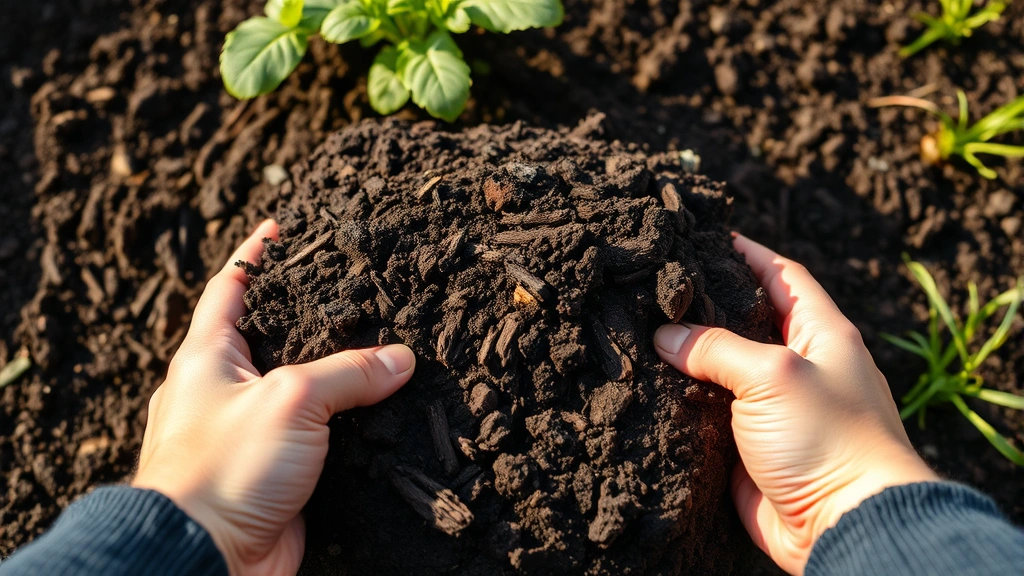
Healthy soil is the foundation of a thriving garden. Before planting anything, invest time in soil preparation. If you’re creating an in-ground garden, remove grass and weeds from the area. Break up compacted soil with a garden fork or tiller, reaching eight to twelve inches deep. This loosening improves drainage and allows roots to penetrate easily.
Incorporate organic matter generously. Compost, well-rotted manure, leaf mold, or aged wood chips dramatically improve soil structure and fertility. Work three to four inches of organic matter into the top eight inches of soil. This amendment helps sandy soils retain moisture and nutrients while improving drainage in clay soils. Organic matter also feeds beneficial microorganisms that support plant health.
For raised beds, fill them with a mixture of roughly forty percent compost, thirty percent peat moss or coco coir, and thirty percent perlite or coarse sand. This combination provides excellent drainage, aeration, and nutrient retention. For containers, use quality potting mix rather than garden soil—potting mixes are specifically formulated for containers and won’t compact like garden soil does.
Consider getting a soil test through your local USDA Natural Resources Conservation Service office. This inexpensive test reveals your soil’s pH and nutrient levels, guiding any amendments you might need. Most vegetables prefer slightly acidic soil with a pH between 6.0 and 7.0.
Select Plants for Your Climate
Choosing appropriate plants is crucial for success. Your USDA hardiness zone, determined by your location’s average minimum winter temperature, indicates which perennial plants survive your winters. Find your zone at USDA Plant Hardiness Zone Map to guide perennial selection.
For vegetables and annual flowers, consider your growing season length—the number of frost-free days between your last spring frost and first fall frost. Cool-season crops like lettuce, peas, and broccoli tolerate frost and actually prefer cooler temperatures. Warm-season crops like tomatoes, peppers, and squash need soil and air temperatures above fifty degrees. Plant cool-season crops in early spring and again in late summer. Plant warm-season crops after your last frost date.
If you’re interested in garden salad production, you’ll want fast-growing lettuce varieties, spinach, and arugula that thrive in spring and fall. These crops often mature in thirty to forty days, providing quick satisfaction for new gardeners. Herbs like basil, parsley, and cilantro grow quickly and offer practical harvests for grow a garden cooking recipes.
Start with proven, easy-to-grow plants. Tomatoes, zucchini, beans, and herbs build confidence and provide satisfying harvests. As you develop skills, experiment with more challenging crops. Consult your local Oregon State University Extension Service or your state’s extension office for region-specific recommendations and planting calendars.
Master Watering and Fertilization
Proper watering is critical and often where new gardeners struggle. Most plants prefer consistent moisture—neither waterlogged nor completely dry. Stick your finger two inches into the soil; if it feels dry, water. If it feels moist, wait. Different plants have different needs: vegetables generally want one to two inches of water weekly, while succulents prefer drying between waterings.
Water deeply but less frequently, encouraging roots to grow deeper. Shallow, frequent watering promotes shallow root systems vulnerable to stress. Water early morning when possible, allowing foliage to dry quickly and reducing disease risk. Afternoon watering can cause water loss to evaporation, while evening watering leaves plants wet overnight when fungal diseases thrive.
Drip irrigation or soaker hoses deliver water directly to soil, minimizing waste and disease issues. If hand-watering, direct water to the soil rather than overhead. Container plants dry faster than in-ground gardens and often need daily watering during hot weather, so check them frequently.
Fertilization replenishes nutrients plants remove from soil. Compost-rich soil often provides adequate nutrition for the first season, but regular harvesting depletes nutrients. Apply balanced fertilizer monthly during the growing season, or use organic options like fish emulsion, seaweed extract, or diluted compost tea. Follow package directions carefully—more isn’t better and can damage plants or pollute groundwater.
Implement Basic Pest Management
Pests and diseases are inevitable in gardening, but they needn’t derail your efforts. Healthy plants in suitable conditions resist problems better than stressed plants. Proper spacing ensures air circulation, reducing fungal diseases. Removing dead leaves and debris eliminates pest habitat. Encouraging beneficial insects like ladybugs and lacewings through diverse plantings provides natural pest control.
Inspect plants regularly, catching problems early when they’re easiest to manage. Hand-pick larger pests like caterpillars and beetles. Spray aphids with strong water spray. Use organic pesticides like neem oil or insecticidal soap only when necessary, always following label directions. Avoid broad-spectrum pesticides that kill beneficial insects along with pests.
Companion planting offers natural pest deterrence. Marigolds repel some insects, basil deters flies and mosquitoes, and nasturtiums attract beneficial predatory insects. Rotating crop families annually prevents pest and disease buildup in soil. If one plant fails repeatedly, replace it with something else—no need to fight unsuitable plants.
Create Garden Structure
As your garden develops, structural elements enhance both function and aesthetics. Trellises, arbors, and stakes support climbing plants and maximize space. Garden arbor structures create focal points while supporting beans, peas, cucumbers, and flowering vines. Garden decorations add personality and can improve functionality through thoughtful placement.
Pathways between beds improve accessibility and reduce soil compaction from foot traffic. Mulch paths with wood chips or straw. Mulching around plants conserves moisture, moderates soil temperature, suppresses weeds, and eventually breaks down to improve soil. Use two to three inches of mulch, keeping it several inches away from plant stems to prevent rot.
Consider a cottage garden style that combines vegetables, flowers, and herbs in an informal, abundant aesthetic. This approach maximizes space utilization and creates habitats for beneficial insects. Alternatively, organize crops in neat rows for easier maintenance and harvest planning.
Composting deserves special mention as a garden structure. Even a simple pile of yard waste and kitchen scraps transforms into black gold over time. Composting reduces waste, provides free soil amendment, and closes your garden’s nutrient loop. Start with a three-foot cube of wire fencing or purchase a bin, alternating brown materials (leaves, straw) with green materials (grass clippings, vegetable scraps).
FAQ
When should I start my garden?
Timing depends on your climate and what you’re growing. Cool-season crops can go in as soon as soil is workable in spring, usually four to six weeks before your last frost date. Warm-season crops go in after all frost danger passes. Fall gardens begin in midsummer for autumn harvest. Check your local frost dates and growing season length to plan accordingly.
How much space do I need?
You can garden in containers on a balcony or in a backyard plot. Start small—even a four-by-eight-foot bed provides substantial production. It’s better to maintain a small garden well than struggle with an oversized space. You can always expand once you develop skills and confidence.
What’s the best soil for gardening?
Loamy soil with abundant organic matter is ideal. Most gardens benefit from adding three to four inches of compost regardless of starting soil type. If your native soil is poor, raised beds with quality soil mix provide an excellent shortcut for beginners.
How often should I water?
Most gardens need one to two inches of water weekly, either from rain or irrigation. Check soil moisture regularly—conditions vary by weather, season, and plant type. Consistent moisture beats rigid schedules. Early morning watering is best, and deep watering less frequently encourages stronger root systems.
What plants are easiest for beginners?
Tomatoes, lettuce, zucchini, beans, herbs, and root vegetables like carrots are reliable producers. Sunflowers, zinnias, and marigolds offer easy flower gardening success. Start with varieties proven in your region and expand your selection as you gain experience.
How do I prevent garden pests naturally?
Healthy soil and plants resist pests better than stressed ones. Proper spacing improves air circulation. Encourage beneficial insects through diverse plantings. Hand-pick larger pests. Remove diseased leaves promptly. Use organic pest controls like neem oil only when necessary, and always follow label directions carefully.
Can I garden year-round?
In many regions, yes. Plant cool-season crops in spring and fall, warm-season crops in summer. In mild climates, fall and winter gardening produces fresh vegetables when other regions are dormant. Even in cold climates, season extension through cold frames or row covers enables winter gardening.


