
Garden Weasel Tool: Pro Gardener’s Review
The Garden Weasel has earned its reputation as a game-changing garden tool for both seasoned horticulturists and enthusiastic beginners. This innovative cultivator represents a significant shift in how gardeners approach soil preparation, weeding, and garden maintenance. Unlike traditional spades or tillers, the Garden Weasel combines mechanical efficiency with ergonomic design, making it an indispensable addition to any gardener’s toolkit.
After extensive testing across various garden types and soil conditions, this review examines why the Garden Weasel has become the preferred choice for gardeners seeking to maximize productivity while minimizing physical strain. Whether you’re cultivating a small herb garden or maintaining expansive vegetable beds, understanding this tool’s capabilities and limitations will help you make an informed purchase decision that aligns with your gardening goals.
What Is the Garden Weasel?
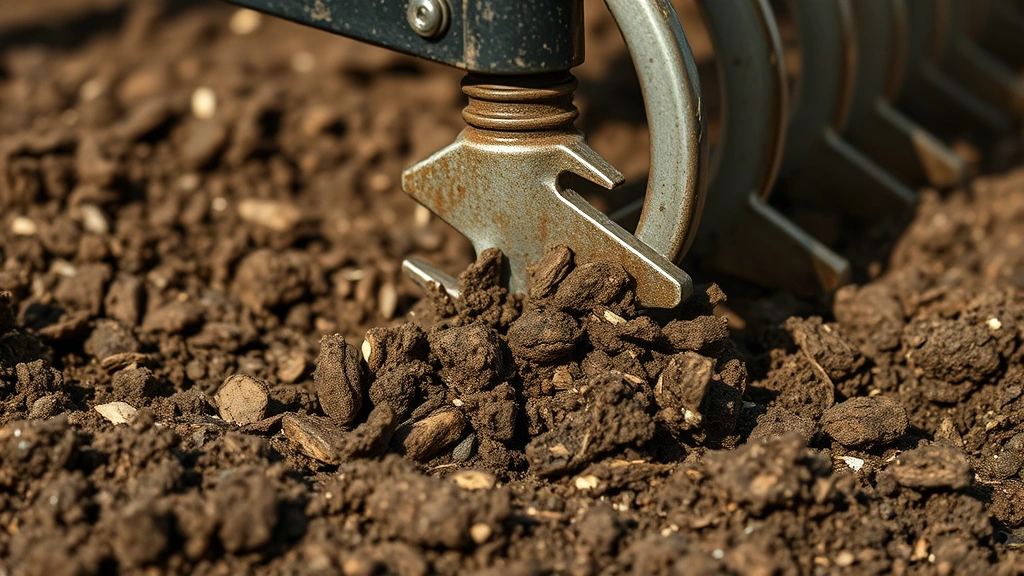
The Garden Weasel is a mechanical cultivating tool designed to break up compacted soil, remove weeds, and prepare beds for planting without requiring a motorized tiller or extensive physical exertion. This hand-operated device features rotating tines that dig into the soil as you push it forward, effectively aerating and loosening earth to a depth of approximately 6-8 inches. The tool’s popularity stems from its simplicity, affordability, and effectiveness across diverse gardening scenarios.
Professional gardeners and extension services consistently recommend the Garden Weasel for small to medium-sized garden spaces, particularly when working with raised beds or in areas where larger equipment cannot access. The tool’s lightweight construction—typically weighing between 8-12 pounds—makes it manageable for users of varying physical abilities, though proper technique remains essential for optimal results and injury prevention.
The Garden Weasel operates on a principle that has been refined over decades: rotating tines dig downward and outward, breaking soil clumps while simultaneously uprooting shallow-rooted weeds. This dual-action capability eliminates the need for separate weeding and cultivation steps, streamlining your garden preparation workflow significantly.
How the Garden Weasel Works
Understanding the mechanical operation of the Garden Weasel enhances your ability to use it effectively. The tool features four curved tines arranged in a rotating mechanism. When you push the tool forward across your garden bed, the tines rotate in a counter-clockwise motion, digging into the soil and churning it upward. This action accomplishes multiple objectives simultaneously: it aerates compacted earth, incorporates organic matter, and dislodges weeds from their root systems.
The forward momentum you provide powers the rotation—there’s no motor or battery required. This human-powered design offers distinct advantages: zero maintenance concerns related to fuel or electrical components, silent operation that won’t disturb neighbors, and the ability to work in any weather condition without equipment limitations. The tool’s handle typically adjusts to accommodate different user heights, promoting proper posture and reducing back strain during extended use.
The depth of cultivation depends on several factors: the force you apply, your body weight distribution, soil moisture content, and soil composition. Slightly moist soil—not waterlogged or bone-dry—allows the tines to penetrate most effectively. Pushing at a steady pace rather than rushing produces superior results, as the tines need adequate time to rotate and break apart soil clumps thoroughly.
Key Features and Design
Modern Garden Weasel models incorporate several design improvements that enhance their functionality and user experience. The adjustable handle allows users of different heights to maintain proper ergonomic positioning, reducing fatigue during extended gardening sessions. Steel tines provide durability and rust resistance, though quality varies among manufacturers—premium models feature hardened steel that resists bending under pressure.
The wheel mechanism, present on many contemporary models, significantly improves maneuverability and reduces the physical effort required to move the tool across your garden. This innovation proves particularly valuable when working with dense soil or when covering larger areas. Some advanced versions include depth adjustment mechanisms that allow you to control cultivation depth, offering flexibility for different gardening tasks.
The handle design merits careful consideration when selecting a Garden Weasel. Models with cushioned grips reduce hand fatigue, while adjustable lengths accommodate various user heights. Look for handles that position your wrists in a neutral position when the tool sits on the ground—this alignment prevents repetitive strain injuries during prolonged use.
Width specifications typically range from 12-24 inches, affecting how much ground you cover with each pass. Narrower models (12-15 inches) work excellently for container gardening and mint cultivation, while wider versions (18-24 inches) excel at preparing larger vegetable beds. Consider your primary gardening focus when selecting width—this choice significantly impacts efficiency for your specific applications.
Performance Across Different Soil Types
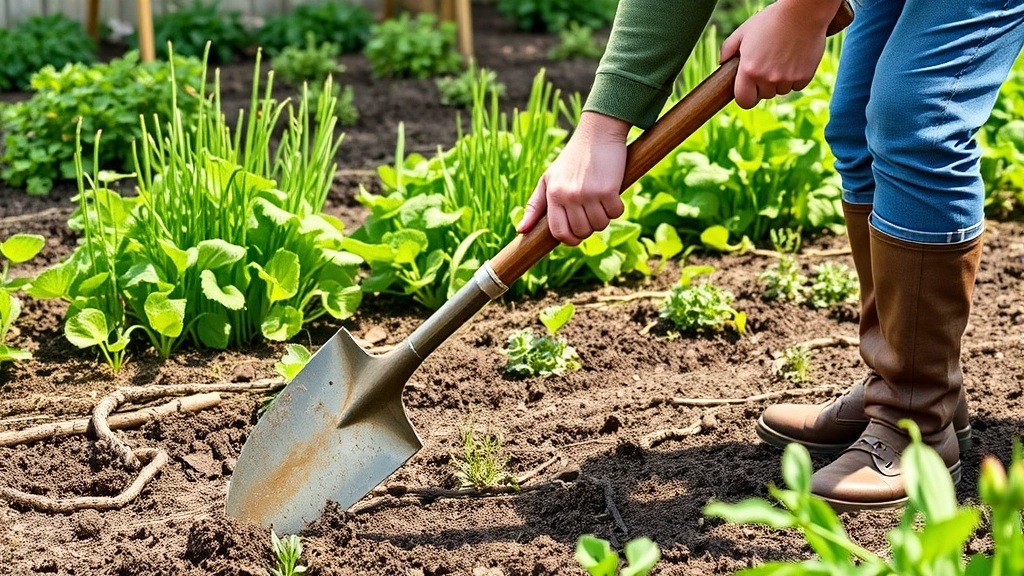
The Garden Weasel demonstrates varying performance levels depending on soil composition, a crucial consideration for gardeners working with diverse earth types. In loamy soil—the ideal gardening medium—the tool performs exceptionally well, penetrating easily and creating excellent seed beds for easy to grow vegetables for beginners. The balanced sand, silt, and clay content allows tines to rotate freely while maintaining sufficient structure to break apart clumps.
Clay-heavy soils present challenges that require technique adjustments. When clay becomes overly compacted or waterlogged, the Garden Weasel struggles to penetrate effectively. However, when clay soil reaches optimal moisture levels—moist but not soggy—the tool performs admirably. Allow clay soils several days of drying after rainfall before attempting cultivation, as this timing dramatically improves results. Incorporating organic matter before using the Garden Weasel also enhances performance in clay soils by improving structure and reducing compaction.
Sandy soils, conversely, present minimal resistance to the Garden Weasel. The tool penetrates deeply and easily, though the benefits diminish somewhat since sandy soils typically don’t suffer from serious compaction. In these situations, the Garden Weasel excels at incorporating amendments and controlling shallow-rooted weeds rather than addressing soil density issues.
Rocky soils demand the most caution. The presence of stones can damage tines or cause the tool to catch and potentially injure the operator. Before using the Garden Weasel in rocky areas, remove visible stones from the surface and proceed with deliberate, controlled movements. Some gardeners prefer building DIY raised garden beds filled with imported soil rather than struggling with native rocky earth—a practical solution that transforms challenging growing conditions.
Comparing to Traditional Garden Tools
When evaluating the Garden Weasel against other cultivation options, several distinctions emerge. Compared to hand digging with a spade, the Garden Weasel reduces physical effort by approximately 40-50%, according to user reports and ergonomic studies. The mechanical rotation of tines accomplishes work that would otherwise require repetitive manual motion, making it particularly valuable for gardeners with limited upper body strength or those prone to back discomfort.
Motorized tillers offer greater power and speed but come with significant drawbacks: higher cost (typically $500-2000+), ongoing fuel and maintenance expenses, noise pollution, and difficulty maneuvering in tight spaces. For gardens under 2000 square feet, the Garden Weasel provides superior cost-effectiveness and practicality. The tool also works effectively in raised bed gardening environments, where tiller access proves impossible or impractical.
Hand weeding, while environmentally sound and precise, becomes exhausting and time-consuming in larger gardens. The Garden Weasel handles routine weeding and cultivation simultaneously, accomplishing in 30 minutes what might require several hours of manual weeding. However, hand weeding remains superior for targeted precision work around established plants where you want to avoid soil disruption.
Garden forks offer excellent soil aeration but require more physical strength and don’t address weeds effectively. The Garden Weasel combines the aeration benefits of a fork with superior weed removal capabilities, making it more efficient for comprehensive garden preparation. The mechanical advantage provided by the rotating tines means less muscular effort is required compared to traditional fork work.
Best Practices for Using the Garden Weasel
Maximizing the Garden Weasel’s effectiveness requires understanding and implementing proper usage techniques. Begin by assessing your soil moisture level—this single factor most dramatically impacts performance. Ideally, squeeze a handful of soil; it should form a ball that crumbles easily when poked. If soil sticks together in a dense clump, wait several days before cultivating. If it falls apart immediately, lightly water your garden and wait 24 hours before proceeding.
Adjust the handle height so your wrists remain straight when the tool contacts the ground—this positioning prevents strain and allows optimal force transmission. Stand with feet shoulder-width apart, knees slightly bent, maintaining neutral spine alignment throughout the process. Push the tool forward at a steady, controlled pace rather than attempting rapid movements; this allows tines adequate rotation time to break soil effectively.
Work in overlapping passes across your garden bed, ensuring complete coverage. The first pass breaks major soil clumps, while subsequent passes (typically 2-3 total) progressively finer the seedbed to ideal texture. Pay special attention to perimeter areas and corners where the tool’s width might leave unworked strips.
For indoor herb garden preparation or small potted plant containers, the Garden Weasel proves unnecessarily large. Instead, focus this tool on outdoor bed preparation and larger-scale projects where its advantages become apparent. Incorporate organic matter—compost, aged manure, or leaf mold—into your soil before final cultivation passes to maximize nutrient content and soil structure improvement.
When working around existing plants, maintain careful distance to avoid damaging roots or stems. The Garden Weasel’s primary utility shines during seasonal bed preparation when plants are dormant or before establishing new growing areas. Never operate the tool near underground utilities; contact your local utility locating service before digging in unknown areas.
Maintenance and Durability
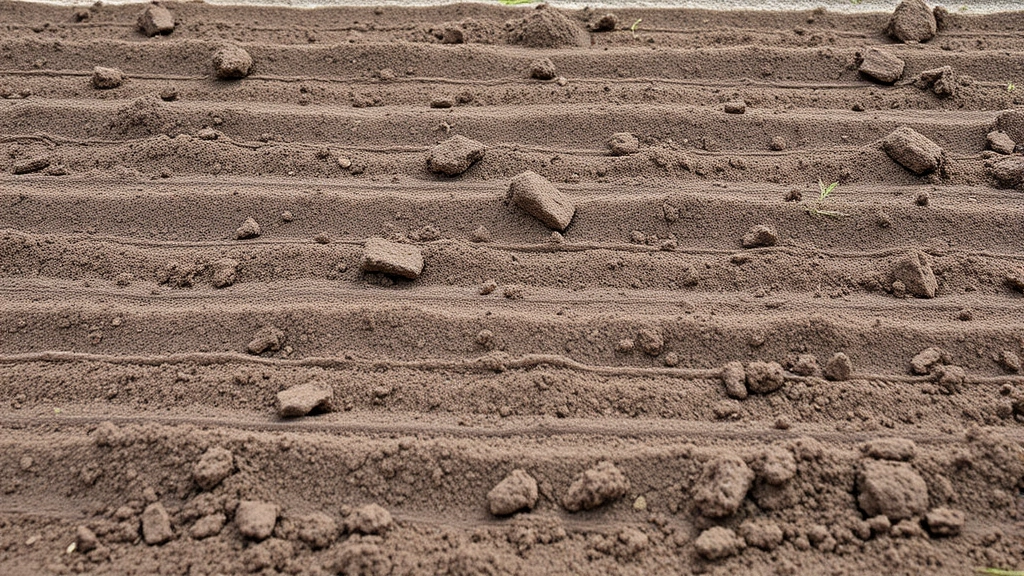
The Garden Weasel’s simplicity translates directly into minimal maintenance requirements, contributing to its long-term value proposition. After each use, brush away caked soil from the tines and handle. If soil dries on the metal components, soak them briefly in water to soften the crust before scrubbing. This simple step prevents corrosion and ensures smooth operation for years.
Inspect tines regularly for bending or damage. While quality steel resists damage under normal use, rocks and particularly hard soil can cause tine deformation. Bent tines reduce cultivation effectiveness and should be straightened carefully using a vice and hammer, or replaced if severely damaged. Most manufacturers offer replacement tine sets at reasonable costs, extending tool lifespan indefinitely.
Store the Garden Weasel in a dry location during off-season months. If you live in humid climates, apply a light coat of machine oil to metal components before storage to prevent rust development. Check that all bolts and fasteners remain tight before each gardening season; vibration during use can gradually loosen connections.
The wheel mechanism, if present on your model, occasionally requires lubrication to maintain smooth rotation. A light machine oil applied to the axle every 2-3 seasons prevents squeaking and ensures responsive handling. These minimal maintenance tasks take less than 10 minutes annually and preserve tool functionality throughout its lifespan—often 10-20 years with proper care.
Real-World Applications
Professional gardeners and landscape maintenance crews employ the Garden Weasel for diverse applications beyond basic bed preparation. Community gardens rely on this tool for maintaining shared growing spaces efficiently, as its affordability and ease of use make it ideal for volunteer-operated facilities. Master gardener programs across the country incorporate Garden Weasel instruction into their training curricula, recognizing its importance in sustainable gardening practices.
Vegetable gardeners preparing seasonal beds find the Garden Weasel indispensable for breaking winter dormancy and refreshing beds between crop rotations. Spring preparation typically involves 2-3 passes with the tool, progressively refining soil texture while incorporating compost or other organic amendments. Fall cultivation aerates soil and prepares beds for winter cover crops or mulching.
Ornamental gardeners use the Garden Weasel for edging flower beds and controlling perennial weeds that threaten landscape aesthetics. The tool’s precision allows careful cultivation around established plantings without the wholesale disruption caused by larger equipment. When establishing new ornamental beds, the Garden Weasel quickly transforms compacted lawn areas into workable planting soil.
Herb gardeners appreciate the tool’s ability to prepare dedicated herb zones before planting. Since many herbs prefer well-draining, friable soil, the Garden Weasel’s cultivation action creates ideal conditions. The reduced-effort operation makes it practical for elderly gardeners or those with physical limitations, democratizing gardening participation across age groups and ability levels.
Homeowners addressing lawn renovation projects employ the Garden Weasel to break up compacted soil before seeding or sodding. The tool’s effectiveness at removing existing turf and aerating underlying soil makes it valuable for landscape restoration work that would otherwise require expensive professional equipment rental.
When establishing garden watering systems or building raised beds, preliminary soil work with the Garden Weasel ensures proper drainage and optimal growing conditions. The tool integrates seamlessly into comprehensive garden development projects, serving as a foundational preparation step before more specialized work begins.
FAQ
Is the Garden Weasel suitable for small gardens?
Absolutely. The Garden Weasel excels in small to medium gardens (under 2000 square feet). Its compact size and maneuverability make it ideal for residential landscapes where larger equipment cannot operate effectively. Narrow models work particularly well in confined spaces and between raised beds.
Can I use the Garden Weasel in wet soil?
Using the Garden Weasel in overly wet soil damages soil structure and can cause the tool to become stuck or difficult to operate. Wait until soil reaches optimal moisture—crumbly when squeezed—before cultivating. This timing typically occurs 2-4 days after rainfall, depending on your climate and soil type.
How often should I use the Garden Weasel?
Most gardeners use the Garden Weasel 2-4 times annually: spring bed preparation, early summer maintenance, fall preparation, and occasional summer weeding. Avoid excessive cultivation, which can damage soil structure and harm beneficial microorganisms. Use the tool purposefully rather than routinely.
What’s the difference between Garden Weasel models?
Models vary in width (12-24 inches), handle adjustability, wheel presence, and tine quality. Premium models feature hardened steel tines, cushioned handles, and superior wheel mechanisms. Budget models perform adequately for occasional use but may require tine replacement sooner. Identify your primary use before selecting a specific model.
Can the Garden Weasel remove deep-rooted weeds?
The Garden Weasel effectively removes shallow to moderately deep-rooted weeds (up to 6-8 inches). Perennial weeds with extensive root systems may require follow-up hand removal after initial cultivation. The tool excels at removing annual weeds and controlling weed populations in established beds.
Is the Garden Weasel worth the investment?
For gardeners with beds under 2000 square feet, the Garden Weasel represents excellent value. Typical costs range from $80-250, far less than motorized alternatives. The tool’s durability—often lasting 10-20 years—and minimal maintenance requirements make it a sound long-term investment for serious gardeners.
Can I use the Garden Weasel in containers or raised beds?
Yes, particularly narrower models. The Garden Weasel works effectively in raised beds when dimensions allow tool operation. For large containers, hand cultivation methods often prove more practical. The tool’s value shines most in in-ground beds and larger raised garden structures.