Best Garden Watering System? Expert Recommendations
Choosing the right garden watering system can transform your gardening experience from a daily chore into an efficient, automated process. Whether you’re managing a small vegetable patch or maintaining expansive flower beds, the irrigation method you select directly impacts plant health, water conservation, and your time investment. This guide explores the most effective watering systems available today, helping you make an informed decision based on your garden’s specific needs and your lifestyle.
The difference between a thriving garden and a struggling one often comes down to consistent, appropriate watering. Too much water leads to root rot and fungal diseases, while too little stresses plants and reduces yields. Modern watering systems eliminate guesswork by delivering precise amounts of water directly where plants need it most. From drip irrigation to smart sprinkler systems, we’ll examine each option’s advantages, installation requirements, and cost-effectiveness.
Drip Irrigation Systems
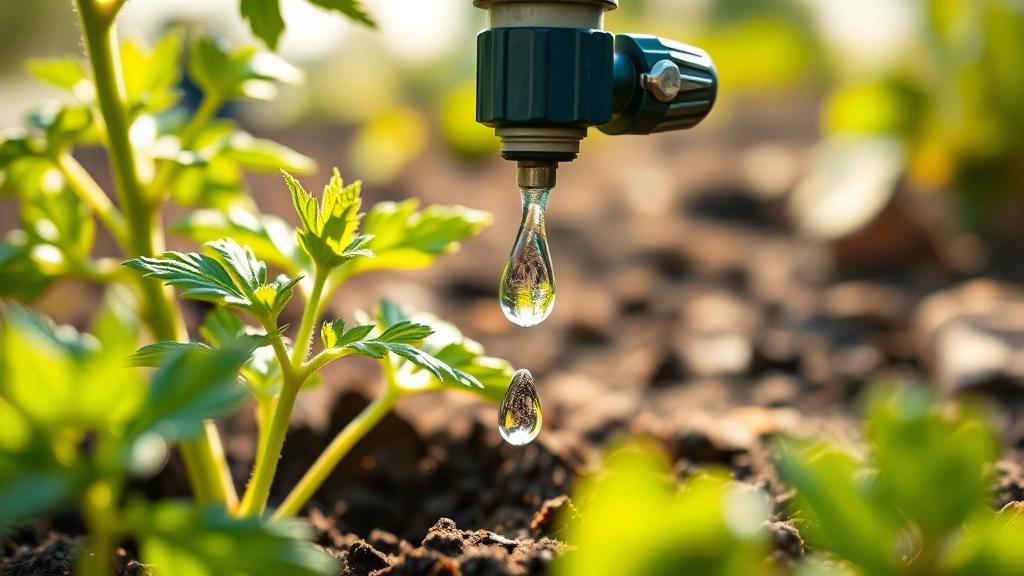
Drip irrigation stands as one of the most water-efficient garden watering system options available, delivering water slowly and directly to plant roots. This method reduces water waste by up to 50% compared to traditional sprinklers, making it environmentally responsible and budget-friendly. The system works by releasing water through small emitters positioned along tubing, allowing soil to absorb moisture gradually without runoff.
The advantages of drip irrigation extend beyond water conservation. Because water reaches roots directly, foliage remains dry, significantly reducing fungal diseases and leaf spot issues. This is particularly beneficial for vegetable garden layout planning, where disease prevention directly impacts crop success. Drip systems also work exceptionally well with raised garden beds, providing uniform moisture distribution across all plants.
Installation requires laying out drip tubing through your garden beds and securing emitters at each plant location. Basic systems need only a water source and timer, making setup straightforward for most gardeners. Drip lines come in various configurations: mainline tubing with adjustable emitters, soaker tubing with pre-spaced holes, or micro-sprayers for broader coverage areas. The flexibility allows customization for different plant spacing and water needs.
Maintenance involves occasional flushing to prevent mineral buildup and checking for clogs or damaged tubing. Most systems last 5-10 years with proper care. Initial investment ranges from $100-$500 depending on garden size, but water savings typically recover costs within 2-3 seasons. For vegetable gardens, herb patches, and flower beds, drip irrigation proves invaluable.
[IMAGE_1]
Sprinkler Systems
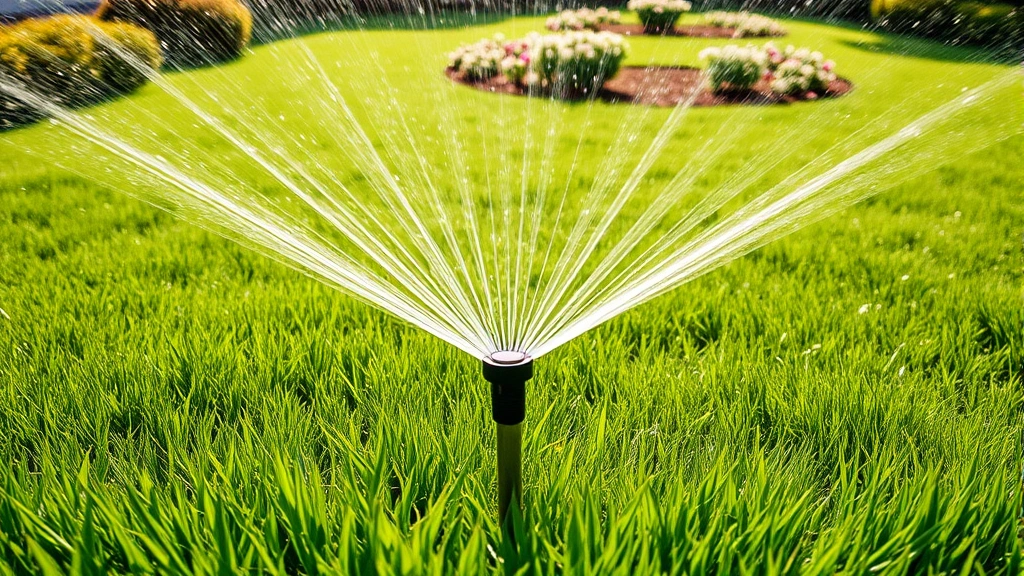
Traditional and pop-up sprinkler systems offer broad coverage ideal for lawns and large landscape areas. These systems distribute water in patterns ranging from circular to rectangular, accommodating various garden shapes. Oscillating sprinklers work well for rectangular areas, while impact sprinklers cover circular zones effectively.
Permanent in-ground sprinkler systems provide the ultimate convenience, operating on timers and delivering consistent coverage automatically. These professional-grade installations require trenching and proper valve placement but offer seamless integration with your landscape. Many modern systems include smart controllers that adjust watering based on weather conditions, soil moisture, and plant type.
The main disadvantage of sprinkler systems is water loss through evaporation and wind drift, particularly in hot climates. Additionally, wet foliage can promote disease in susceptible plants. However, for lawn maintenance and ornamental plantings, sprinkler systems remain highly effective. When constructing a raised garden, sprinklers can supplement drip systems for efficient coverage.
Above-ground sprinkler systems cost $50-$200 and can be repositioned seasonally. In-ground systems range from $2,000-$5,000 installed, making them a significant investment justified primarily for large properties. Installation should occur in spring or fall to minimize disruption during peak growing season.
Soaker Hoses
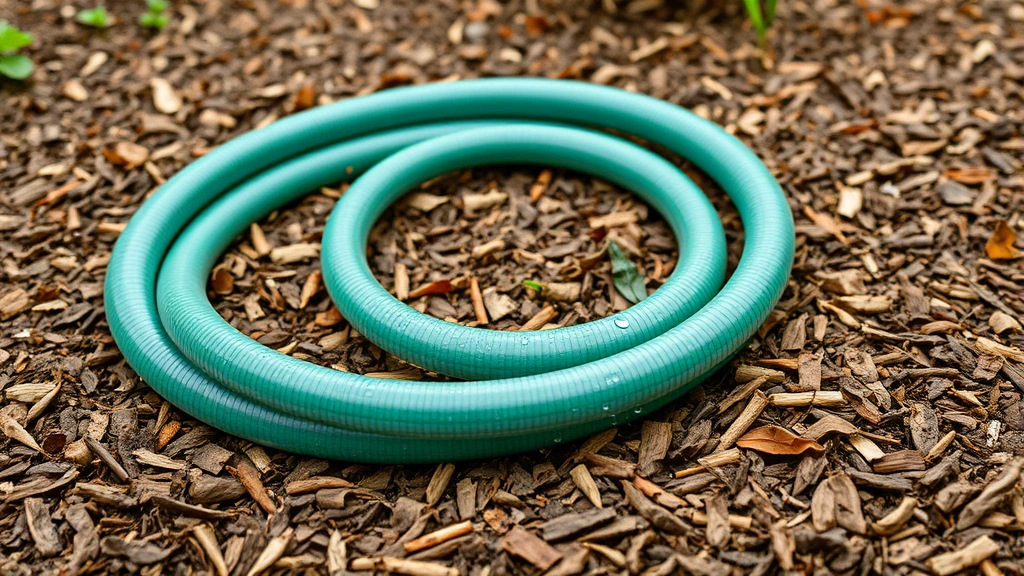
Soaker hoses represent an economical middle ground between manual watering and sophisticated irrigation systems. These porous tubing options allow water to seep slowly along their entire length, delivering moisture directly to soil. They’re perfect for gardening tips for beginners because they’re simple to install and require minimal maintenance.
Lay soaker hoses directly on soil along plant rows, cover with mulch to improve efficiency, and connect to a standard garden faucet. A timer adds automation without complexity. Water pressure remains low, reducing the risk of washing away mulch or disturbing seedlings. The slow delivery rate means less water waste and deeper soil penetration compared to overhead watering.
Soaker hoses work exceptionally well for vegetable gardens, shrub borders, and perennial beds. They’re less suitable for lawns or large open areas where coverage becomes difficult. Quality hoses last 3-5 years, with prices ranging from $20-$60 depending on length and material. Budget-conscious gardeners appreciate this affordable entry point into efficient watering.
One consideration: soaker hoses sometimes develop uneven water distribution, with the beginning of the line delivering more water than the end. Installing multiple shorter lines or using drip-compatible connectors helps solve this issue. Flushing hoses monthly prevents clogging from mineral deposits.
Smart Watering Technology
Modern smart irrigation controllers represent the pinnacle of watering convenience, adjusting schedules automatically based on real-time weather data. These devices connect to your smartphone, allowing remote monitoring and adjustment from anywhere. Some systems integrate soil moisture sensors that trigger watering only when soil reaches specific dryness levels.
Smart sprinkler controllers cost $100-$400 but deliver significant water savings—typically 15-30% reduction compared to standard timers. They account for rainfall, preventing unnecessary watering after storms. During drought conditions, smart systems help maintain plant health while conserving resources responsibly. Many municipalities offer rebates for upgrading to smart irrigation technology.
Installation varies by system type. WiFi-enabled controllers replace standard timer boxes, while some systems use wireless sensors placed throughout the garden. Smartphone apps provide intuitive interfaces for scheduling and monitoring. Most smart systems work with existing sprinkler or drip setups, making retrofitting straightforward.
Weather-based watering represents a game-changer for busy gardeners or those managing large properties. The technology learns your garden’s specific needs over time, continuously optimizing water delivery. For sustainable gardening practices, smart systems align perfectly with conservation goals while maintaining plant vitality.
Manual Watering Methods
Despite technological advances, hand watering remains valuable for several gardening scenarios. Using a watering can or hose with a gentle spray nozzle allows precise control over water delivery, essential for newly planted seedlings or delicate specimens. Direct application lets you observe individual plants, catching pest problems or nutrient deficiencies early.
For container gardens, hanging baskets, and small raised beds, hand watering often proves most practical. The personal connection with your garden during watering can be meditative and rewarding. Many gardeners enjoy this hands-on approach, particularly when managing garden work in early morning or evening hours.
Hand watering disadvantages include time investment and inconsistency—some areas receive more water than others depending on gardener attention. For vacation periods or irregular schedules, manual methods prove unreliable. However, combining hand watering with soaker hoses provides flexibility: hand water delicate plants while automated systems handle established beds.
Quality watering cans and hose nozzles enhance the experience. Ergonomic designs reduce strain during extended watering sessions. Hoses with built-in timers add automation without eliminating the hands-on element. For gardeners valuing direct plant interaction, manual methods remain irreplaceable.
Choosing Your System
Selecting the ideal garden watering system depends on multiple factors including garden size, plant types, climate, budget, and personal preference. Start by assessing your garden’s layout and water needs. Large vegetable gardens benefit from drip irrigation’s efficiency, while lawns require sprinkler coverage. Mixed plantings might combine systems for optimal results.
Climate significantly influences system choice. Hot, dry regions demand efficient drip systems or smart controllers to minimize water loss. Humid areas prone to fungal issues benefit from drip irrigation that keeps foliage dry. Seasonal rainfall patterns inform scheduling—smart systems excel in climates with unpredictable precipitation.
Budget constraints guide practical decisions. Drip systems offer excellent value for vegetable gardens and rain garden plants, while sprinklers suit large properties where the investment justifies the coverage. Start with basic systems and expand gradually as your garden grows. Many gardeners begin with soaker hoses, upgrading to drip irrigation or smart technology later.
Consider maintenance requirements and your willingness to perform seasonal tasks. Automated systems require less hands-on attention but need occasional inspection. Manual systems demand daily commitment but offer complete control. The best system aligns with your gardening philosophy and lifestyle.
Installation Tips
Proper installation ensures your garden watering system performs optimally for years. Before beginning, map your garden layout, noting plant locations, spacing, and water requirements. Different plants need different moisture levels—group plants with similar needs together for efficient watering.
For drip systems, lay mainline tubing along the garden’s perimeter, then branch off with smaller tubing to individual plants. Bury tubing slightly or cover with mulch to protect from sun damage and improve aesthetics. Secure connections firmly to prevent leaks that waste water and reduce system efficiency.
Install filters in your system’s water source to prevent sediment and mineral buildup. This simple addition extends component lifespan significantly. Flush your entire system before first use to remove manufacturing debris. For seasonal gardens, drain systems before winter in cold climates to prevent pipe damage.
Test your system thoroughly before finalizing installation. Run water through all zones, checking for proper coverage and even distribution. Adjust emitter positions or add additional drip lines as needed. Mark underground lines clearly to prevent accidental damage during future gardening activities.
Schedule installation during off-season when garden disruption matters less. Spring or fall provides ideal timing for major system installation. For existing gardens, evening installation minimizes stress on established plants. Allow newly installed systems to settle for a few days before adjusting final configurations.
FAQ
How much water do gardens need daily?
Most gardens need 1-2 inches of water weekly, delivered through rainfall or irrigation. Clay soils retain moisture longer, requiring less frequent watering than sandy soils. Container plants need more frequent watering, often daily during hot seasons. Check soil moisture 2-3 inches deep—if dry, water is needed.
Can I combine different watering systems?
Absolutely. Many successful gardens use drip irrigation for vegetable beds, sprinklers for lawns, and hand watering for containers. Multiple systems provide flexibility and targeted coverage for different garden areas with varying water needs.
What’s the best time to water?
Early morning watering is ideal, allowing plants to absorb moisture before heat stress and giving foliage time to dry, reducing disease risk. Evening watering works if morning isn’t possible, but avoid midday watering when evaporation is highest and heat stress greatest.
How do I prevent clogging in drip systems?
Use filters on your water source, flush lines monthly, and consider installing sediment filters. Install pressure regulators to maintain consistent water delivery. In areas with hard water, periodic vinegar flushing helps dissolve mineral buildup.
Are smart watering systems worth the investment?
For large properties or busy schedules, smart systems justify their cost through water savings and convenience. They typically pay for themselves within 2-3 years through reduced water bills. For small gardens with simple layouts, basic timers may suffice.
What’s the difference between soaker hoses and drip irrigation?
Soaker hoses have small holes along their entire length, while drip irrigation uses individual emitters at specific plant locations. Drip systems offer more control and precision, while soaker hoses are simpler and more affordable for linear plantings.
How do I winterize my irrigation system?
In freezing climates, drain all water from lines and components before winter. Blow out lines with compressed air if available. Store hoses and timers indoors. In mild climates, simply shut off the system and reduce watering frequency during dormant seasons.


