A retaining wall is more than just a structural feature—it’s a game-changer for garden design and functionality. Whether you’re managing a sloped yard, preventing soil erosion, or creating tiered planting beds, a well-built retaining wall transforms your landscape while providing practical solutions to common gardening challenges. As someone who’s worked with countless garden transformations, I can tell you that understanding the fundamentals of wall construction makes the difference between a project that thrives for decades and one that fails within a few seasons.
Building a retaining wall requires careful planning, proper materials selection, and attention to drainage—elements that directly impact both your garden’s health and your wall’s longevity. This guide walks you through everything you need to know, from initial assessment to planting strategies that maximize your new garden space.

Understanding Retaining Walls in Garden Design
Retaining walls serve multiple purposes in garden landscapes. They hold back soil on sloped terrain, prevent erosion during heavy rainfall, create level planting areas, and add architectural interest to your outdoor space. The key to success lies in understanding that a retaining wall isn’t merely decorative—it’s a load-bearing structure that must withstand significant pressure from soil and water.
When soil saturates with moisture, its weight increases dramatically. A retaining wall must be engineered to handle this hydrostatic pressure while remaining stable and attractive. This is why proper construction methods matter far more than cutting corners. Professional gardeners and landscape architects consistently emphasize that investing time in correct installation prevents costly repairs and garden failures down the line.
The height of your wall determines complexity significantly. Walls under two feet typically require minimal reinforcement, while walls exceeding four feet demand professional engineering and often local permits. Before beginning any project, check with your municipal building department to understand local regulations and permit requirements. Many areas have specific codes governing wall height, setback distances, and material specifications.
Assessing Your Site and Planning
Begin by evaluating your yard’s slope, soil composition, and drainage patterns. Walk your property after heavy rain to observe where water naturally flows and pools. These observations directly inform where to place your wall and how to design drainage systems. Understanding your soil type and composition helps you anticipate how it will behave against your wall.
Measure your slope using basic tools: a long straightedge, a level, and a measuring tape. Calculate the rise (vertical distance) and run (horizontal distance) to determine your slope percentage. This measurement guides wall height decisions and helps you visualize the finished project accurately. Take photographs from multiple angles—these become invaluable references during construction.
Consider what you’ll plant behind and around your wall. If you’re planning a flower garden or growing vegetables, ensure adequate soil depth and sunlight exposure. Mark utility lines—call before you dig to identify underground cables, pipes, and utilities. This critical step prevents dangerous accidents and costly repairs.
Sketch your design on paper, noting dimensions, plant locations, and access points. This planning phase clarifies your vision and helps identify potential issues before construction begins. Many gardeners find that creating a simple scale drawing prevents costly mistakes and ensures the finished wall functions as intended.
Choosing the Right Materials
Material selection impacts both aesthetics and durability. Common retaining wall materials include natural stone, concrete blocks, wood, and composite materials, each with distinct advantages and limitations.
Natural Stone: Granite, limestone, and slate offer timeless beauty and excellent durability. Stone walls age gracefully and blend naturally into garden landscapes. However, stone requires skilled installation and represents a significant investment. Larger stones are easier to work with than smaller ones, as they require fewer units and less mortar.
Concrete Blocks: Segmental retaining wall (SRW) blocks provide consistent sizing, straightforward installation, and reasonable cost. Modern blocks come in various colors and textures that mimic natural stone. They’re ideal for DIY projects and handle the pressure from soil effectively. Many systems include interlocking features that enhance stability.
Wood: Pressure-treated lumber or naturally rot-resistant woods like cedar create rustic charm. Wood works well for lower walls (under three feet) and gardens with a cottage aesthetic. However, wood eventually deteriorates and requires replacement. Regular maintenance extends its lifespan, but plan for eventual replacement.
Composite Materials: Recycled plastic-wood composites offer durability and low maintenance. They resist rot, insects, and weathering better than natural wood. These materials suit contemporary garden designs and require minimal upkeep, though they typically cost more than traditional options.
Consider your climate when selecting materials. Cold regions with freeze-thaw cycles demand materials that withstand expansion and contraction. Wet climates require excellent drainage capabilities. Your choice should complement your home’s architecture while meeting your region’s environmental demands.
Building Your Wall: Step-by-Step Process
Proper construction techniques ensure your wall functions correctly for years. Begin by establishing a solid foundation—this is non-negotiable for wall stability. Excavate a trench below the frost line (depth varies by region; check local building codes, typically 12-48 inches deep). The foundation trench should be level and slightly wider than your wall base.
Fill the foundation trench with compacted gravel, creating a stable base that allows water drainage. Compact the gravel in layers, checking with a level to ensure evenness. A poorly prepared foundation causes walls to settle unevenly and fail prematurely.
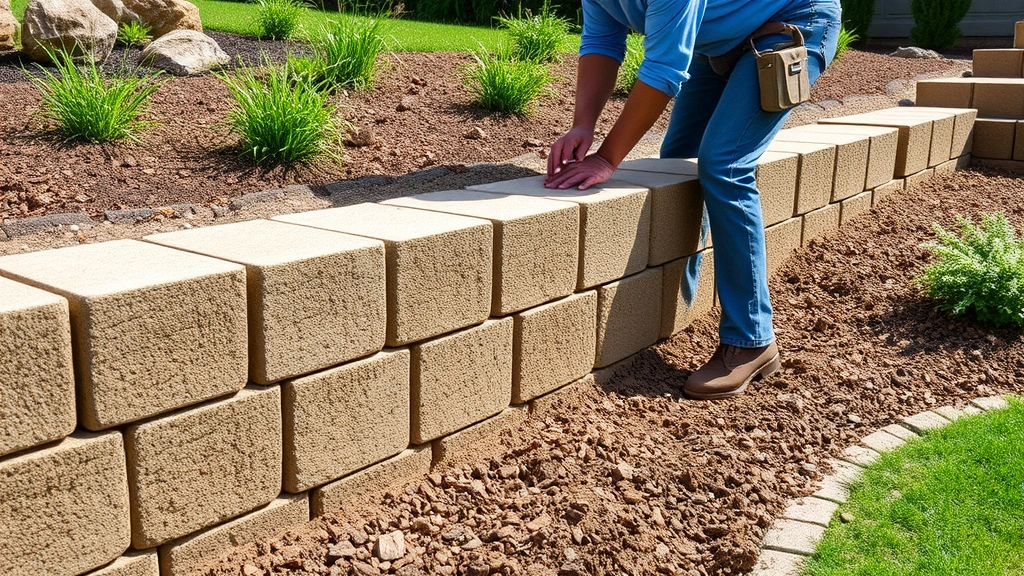
Lay your first course of blocks or stones, checking constantly with a level. Use mortar (for stone or concrete) or follow the manufacturer’s instructions for block systems. Each subsequent course should be slightly set back from the one below—this backward lean, called a batter, improves stability and directs water pressure downward rather than outward.
As you build upward, install drainage materials behind the wall. A perforated drainage pipe (typically 4-6 inches in diameter) runs along the base, collecting water and directing it away from the wall. Surround this pipe with gravel to facilitate water movement. This drainage system is absolutely critical—without it, water accumulation causes wall failure.
Backfill behind the wall with compacted soil, working in layers. Compact each layer thoroughly to prevent settling. Inadequate compaction creates voids that allow water penetration and wall movement. Many professionals rent mechanical compactors for this phase, ensuring proper density throughout.
At the top of the wall, install a cap or coping—this finishing element protects the wall from weather and provides a polished appearance. Caps also prevent water from entering the wall from above, extending its lifespan significantly.
Drainage and Soil Preparation
Drainage represents the most critical factor in retaining wall longevity. Water pressure behind walls causes failure more often than any other factor. Even in relatively dry climates, proper drainage prevents problems from occasional heavy rains and irrigation water.
Behind your wall, create a drainage layer consisting of gravel or crushed stone extending from the base to near the top. This layer allows water to flow downward rather than accumulating against the wall. The perforated pipe at the base collects this water and channels it safely away from your property.
Ensure the drainage outlet directs water to a safe location—away from foundations, downslope from the wall, or into a rain garden. Never allow water to pool against your wall’s base, as saturation causes structural failure.
Once drainage is established, focus on preparing your soil for planting. The soil behind your wall should be high-quality, well-draining, and rich in organic matter. Mix native topsoil with compost to create an ideal growing medium. This investment in soil quality pays dividends through healthier plants and better garden performance.
Consider raised bed gardening techniques if your wall creates a naturally elevated planting area. The combination of a retaining wall and quality soil creates perfect conditions for thriving gardens.
Planting Behind Your Retaining Wall
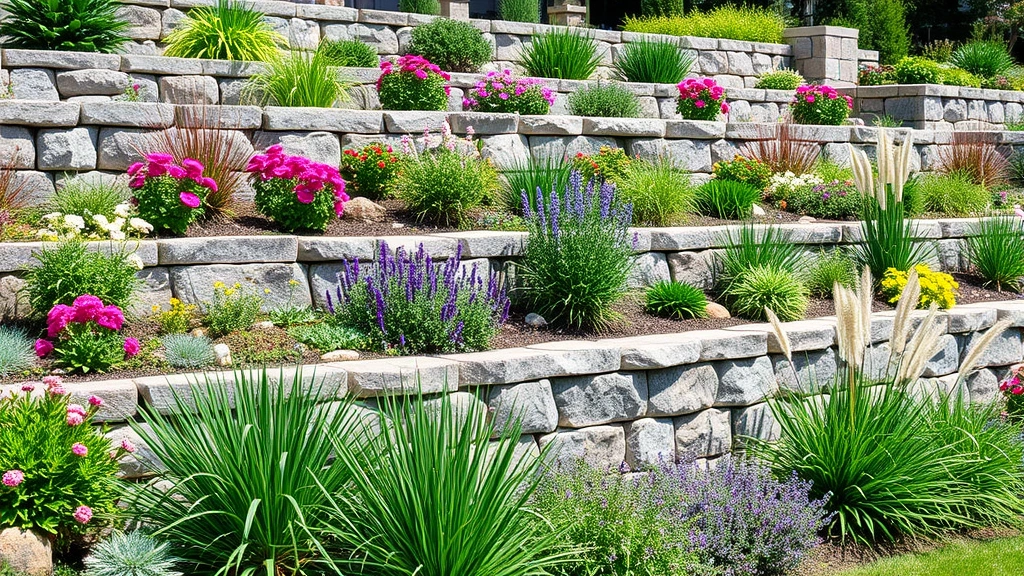
The space created by your retaining wall offers excellent planting opportunities. Choose plants suited to your climate, sunlight conditions, and soil type. Consult regional resources like native plant databases to identify species that thrive in your area.
For sloped areas directly behind walls, select plants with strong root systems that help stabilize soil. Native grasses, shrubs, and groundcovers work exceptionally well. These plants reduce erosion, require less maintenance, and support local ecosystems. Avoid planting large trees immediately behind walls, as mature root systems can damage structures.
Consider seasonal interest when selecting plants. Combine spring bloomers, summer performers, and fall color providers to ensure year-round visual appeal. Propagating plants from existing specimens allows you to expand your plantings cost-effectively.
Water management becomes easier with proper planting. Choose drought-tolerant species where possible, reducing irrigation needs and stress on your wall’s drainage system. In wetter climates, select moisture-loving plants that thrive in the potentially damper soil behind walls.
Install plants at appropriate depths—never bury crowns of plants deeper than they grew in their original containers. Space plants according to their mature sizes, resisting the temptation to overcrowd. Proper spacing ensures good air circulation, reduces disease, and allows plants to develop fully.
Maintenance and Long-Term Care
Regular maintenance extends your retaining wall’s lifespan significantly. Inspect your wall seasonally, looking for cracks, bulging, or signs of water damage. Early detection of problems allows for repairs before major structural issues develop.
Monitor drainage systems, ensuring water flows freely through and away from your wall. Clear debris from drainage outlets and check that water doesn’t pool against the wall’s base. After heavy rains, observe how water behaves—adjust drainage if water accumulates.
For stone or concrete walls, monitor mortar joints for deterioration. Repointing (replacing old mortar) maintains structural integrity and prevents water penetration. This maintenance typically becomes necessary every 20-30 years, depending on climate and materials.
Vegetation management prevents problems caused by overgrown plants. Trim back shrubs and vines that might obscure damage or create excessive weight on the wall. Remove trees growing through wall structures before they cause significant damage.
In freeze-thaw climates, expect some seasonal movement. This doesn’t necessarily indicate failure—many walls settle slightly over their first few years. However, dramatic movement or new large cracks warrant professional evaluation.
Consider seasonal gardening tips for maintaining plants in your wall-created spaces. Spring preparation, summer irrigation management, fall cleanup, and winter protection keep your plantings healthy and your garden looking its best year-round.
FAQ
Do I need a permit to build a retaining wall?
Most municipalities require permits for walls exceeding two feet in height. Some areas have lower thresholds. Contact your local building department before beginning construction. Permits ensure your wall meets safety codes and won’t cause problems for neighboring properties.
How deep should my foundation trench be?
Foundation depth depends on your region’s frost line—the depth at which soil freezes in winter. In cold climates, this may be 48 inches or deeper. In mild climates, 12-18 inches may suffice. Your local building department provides frost line information for your area.
Can I build a retaining wall myself?
Walls under two feet can often be DIY projects if you follow proper techniques. Larger walls typically require professional engineering and installation. Consider your physical ability, available time, and project complexity before deciding. Many homeowners hire professionals for structural work but handle planting and landscaping themselves.
What’s the best material for a retaining wall?
The best material depends on your budget, aesthetic preferences, climate, and wall height. Concrete blocks offer excellent value and durability. Natural stone provides timeless beauty. Wood suits cottage gardens but requires eventual replacement. Evaluate all options against your specific needs.
How do I prevent water damage to my wall?
Install proper drainage systems, including perforated pipe at the base and gravel behind the wall. Ensure water drains away from the wall’s base and never pools against it. Direct roof drainage and irrigation away from the wall structure.
What plants work best behind retaining walls?
Native shrubs, groundcovers, and grasses with strong root systems work well. Choose plants suited to your climate and the soil conditions created by your wall. Avoid large trees whose roots might damage the structure. Drought-tolerant species reduce irrigation stress on drainage systems.