
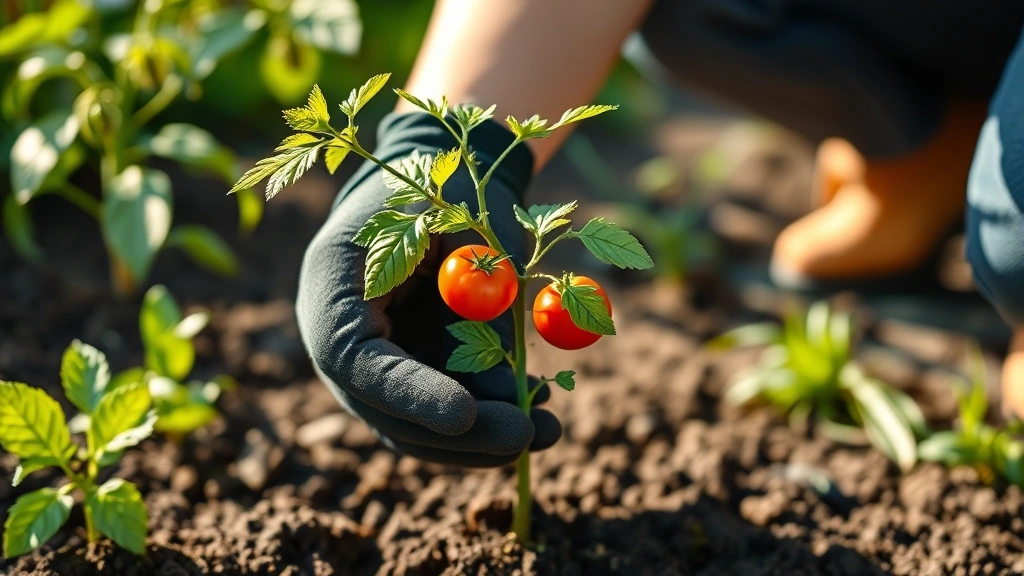
How to Start a Garden: A Beginner’s Guide to Growing Your First Garden
Starting a garden is one of the most rewarding experiences you can undertake, whether you have a sprawling backyard or just a sunny windowsill. The beauty of gardening lies in its accessibility—anyone can begin growing plants, vegetables, or flowers with minimal experience and investment. This comprehensive guide will walk you through every step of the process, from planning your garden space to harvesting your first crops. Whether you’re drawn to the idea of fresh homegrown vegetables, vibrant flower displays, or simply want to connect with nature, this beginner’s roadmap will set you up for success.
The journey to becoming a gardener starts with understanding your specific situation: your climate zone, available space, sunlight, and personal goals. Many beginners feel overwhelmed by the prospect, but the truth is that gardening is a skill anyone can learn through patience and practice. By following the foundational principles outlined in this guide, you’ll gain the confidence and knowledge needed to create a thriving garden that brings joy and fresh produce to your home.
Assess Your Space and Conditions
Before you break ground on your garden, take time to evaluate your growing environment. The most critical factor is sunlight—most vegetables and flowering plants require between 6-8 hours of direct sunlight daily. Spend a few days observing your yard or balcony at different times of day to map out sunny and shady spots. Note where water naturally drains and where it pools, as proper drainage is essential for healthy plants.
Consider your available space realistically. You don’t need a large area to start; even a small corner, raised bed, or container garden can be incredibly productive. If you’re working with limited space, explore options like vertical gardening to maximize your growing area. Check your local hardiness zone by consulting the USDA Plant Hardiness Zone Map, which will guide your plant selections based on your climate. Understanding your zone ensures you choose plants that will thrive in your region.
Also examine the existing soil conditions in your space. Grab a handful and observe its texture—does it clump together or fall apart? This will help determine whether you have clay, sandy, or loam soil. Healthy soil is the foundation of a successful garden, and you may need to amend it before planting.
Choose Your Garden Type
Different garden types suit different situations and preferences. The most common option for beginners is an in-ground garden, where you plant directly into your yard’s soil. This is the most economical choice but requires good soil preparation. Alternatively, raised garden beds offer excellent advantages: they provide better drainage, warmer soil in spring, easier access for weeding, and the ability to control soil quality. Raised beds are ideal if you have poor native soil or limited space.
Container gardening is perfect for patios, balconies, and small spaces. Virtually any plant can grow in a container if it’s large enough and has proper drainage holes. This method gives you flexibility and makes gardening accessible to apartment dwellers. For those interested in ornamental growing, cottage gardens create charming, informal spaces filled with mixed plantings of flowers, herbs, and vegetables.
Consider your lifestyle and commitment level when choosing a garden type. Container gardens require more frequent watering but offer flexibility if you travel. In-ground gardens need more initial preparation but require less maintenance once established. Raised beds offer a middle ground with moderate effort and excellent results.
Plan Your Garden Layout
A well-planned garden layout increases productivity and makes maintenance easier. Start by sketching your space on paper or using a digital tool. Identify permanent features like trees, structures, and utility lines. Plan tall plants on the north side so they don’t shade shorter plants. Group plants with similar water and sunlight needs together to simplify care.
If you’re growing vegetables, consider crop rotation—changing plant families in each bed annually reduces pest and disease problems. Keep frequently harvested items like herbs near your kitchen door for convenience. If you’re planning flower gardens, sketch your design considering bloom times, heights, and color combinations for year-round visual interest.
Leave pathways between beds for easy access without compacting soil. Plan for water access—you’ll want a hose to reach your entire garden. Consider adding a small seating area where you can sit and enjoy your garden’s progress.
Prepare Your Soil
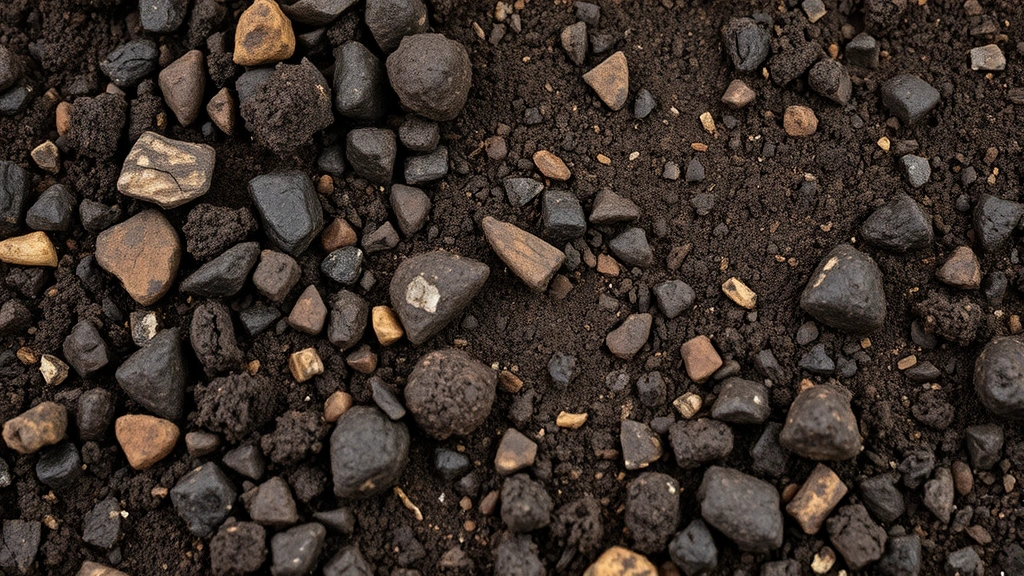
Soil preparation is perhaps the most important step in starting a successful garden. Begin by testing your soil to understand its pH, nutrient content, and composition. Many cooperative extension offices offer affordable soil testing services. Contact your local extension service for testing information and recommendations.
For in-ground gardens, work in 2-4 inches of compost or well-rotted organic matter into the top 8-12 inches of soil. This improves drainage in clay soils, increases water retention in sandy soils, and adds nutrients. Compost can be homemade or purchased. If your soil is severely depleted, consider creating raised beds with quality soil mix instead.
For raised beds, fill them with a mixture of topsoil, compost, and other organic materials. A common recipe is 40% topsoil, 40% compost, and 20% perlite or coarse sand for drainage. Avoid using soil directly from under trees or from areas with weeds, as these introduce problems.
For container gardens, use quality potting mix rather than garden soil. Potting mix is lighter, drains better, and contains fewer pests and diseases. Never use garden soil in containers—it compacts and drains poorly when confined.
” alt=”Close-up of rich dark garden soil with organic matter and compost mixed in, showing texture and composition”>
Select What to Grow
As a beginner, choose plants that are forgiving and relatively easy to grow. Easy to grow vegetables for beginners include tomatoes, zucchini, lettuce, beans, peppers, and squash. These plants reward your efforts with abundant harvests and tolerate minor mistakes. For flowers, try marigolds, zinnias, sunflowers, and cosmos—these are colorful, hardy, and attract pollinators.
Consider what you actually want to eat or enjoy. Growing vegetables you don’t like wastes resources and space. Think about your family’s preferences and cooking habits. If you use lots of fresh basil, grow several basil plants. If you rarely eat eggplant, skip it despite its beauty.
Check your growing zone for appropriate timing. Some plants are cool-season crops (lettuce, broccoli, spinach) that grow best in spring and fall. Others are warm-season crops (tomatoes, peppers, squash) planted after the last frost. Consult the Almanac Frost Date Calculator to determine your last spring frost and first fall frost dates.
Start with 5-10 different plants rather than trying to grow everything. This manageable number helps you learn each plant’s needs without becoming overwhelmed. You can expand next year once you’ve gained experience.
Essential Tools and Supplies
You don’t need an extensive tool collection to start gardening successfully. Essential hand tools include a spade or shovel, a hand trowel, a garden fork, and a hand cultivator. A long-handled hoe helps with weeding and soil preparation. Pruning shears are useful for harvesting and maintenance. Invest in quality tools—they’ll last longer and feel better to use than cheap alternatives.
Basic supplies you’ll need include gardening gloves, a watering can or hose with spray nozzle, and mulch. Mulch conserves moisture, suppresses weeds, and regulates soil temperature. Organic mulches like wood chips or straw break down over time, improving soil. You’ll also want stakes or cages for supporting tall plants like tomatoes.
Consider getting a soil pH meter and a moisture meter—these inexpensive tools help you understand your soil conditions and avoid over or under-watering. A garden journal is invaluable for recording planting dates, varieties, successes, and failures. This information becomes increasingly valuable as you garden over multiple seasons.
For container gardening, you’ll need pots with drainage holes, potting mix, and a watering system since containers dry out quickly. Self-watering containers or drip irrigation systems reduce the frequency of hand watering.
Planting and Maintenance
Follow these foundational gardening tips for beginners to ensure successful planting. When planting seeds, follow packet instructions for depth and spacing. Generally, plant seeds at a depth equal to their size—tiny seeds barely covered, larger seeds deeper. Water gently after planting to settle the soil without creating a crust.
When transplanting seedlings or nursery plants, harden them off first by gradually exposing them to outdoor conditions over 7-10 days. This prevents shock from sudden environmental changes. Dig holes slightly larger than the root ball, plant at the same depth as in their original container, and water thoroughly.
Space plants according to their mature size, not their current size. Overcrowding reduces air circulation, promoting disease. If seedlings look too close together, thin them early—this is difficult but necessary for healthy plants.
Mulch around plants once they’re established, keeping mulch a few inches away from plant stems. Mulch reduces watering needs by 50% and suppresses weeds. As plants grow, monitor for pests and diseases. Early intervention prevents major problems. Remove yellowed leaves and deadhead flowers to encourage continued blooming.
Weeding is an ongoing task. Remove weeds when young and easy to pull. A regular weeding schedule prevents weeds from establishing and setting seed. Hand-pull when possible to avoid disturbing nearby plants.
Watering and Feeding
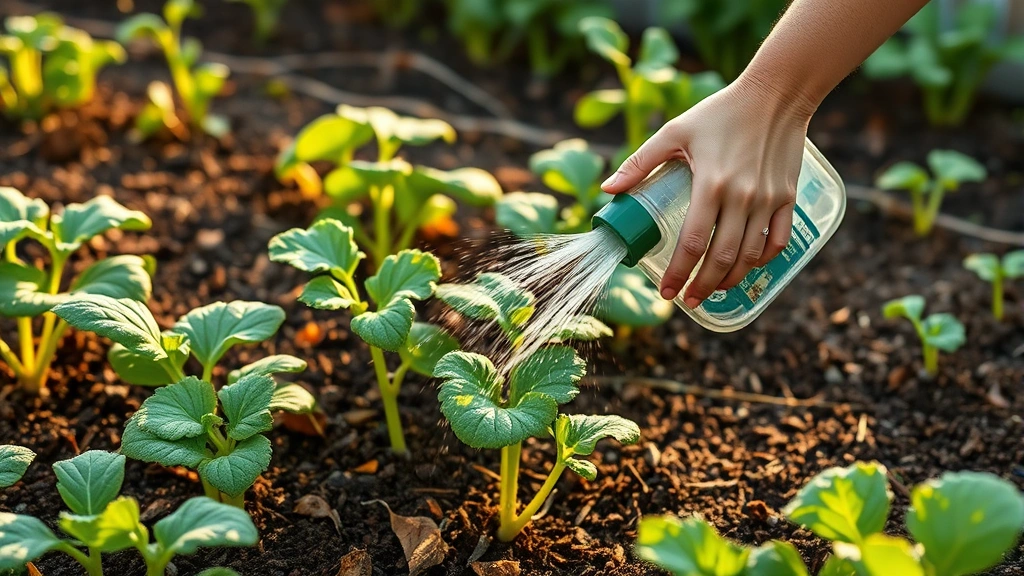
Proper watering is critical for garden success. Most plants need about 1 inch of water per week, including rainfall. Water deeply but less frequently rather than shallow daily watering, which encourages shallow roots. Early morning watering reduces disease by allowing foliage to dry quickly. Avoid wetting leaves when possible—water at the soil level.
Check soil moisture by inserting your finger 2 inches into the soil. If it feels dry, water. If moist, wait. Container plants dry faster than in-ground plants and may need daily watering in hot weather. Drip irrigation or soaker hoses deliver water efficiently directly to roots.
Feeding depends on your soil quality and plant needs. If you’ve amended your soil with compost, many plants won’t need additional fertilizer in their first year. Heavy feeders like tomatoes, squash, and corn benefit from supplemental feeding. Use balanced fertilizers like 10-10-10 or organic options like fish emulsion and compost tea. Follow package directions carefully—over-fertilizing causes lush foliage with few flowers or fruits.
Vegetables typically need feeding every 3-4 weeks during the growing season. Flowers benefit from occasional feeding but often thrive without it if soil is well-amended. Herbs generally prefer lean soil and need minimal feeding.
Mulch itself provides slow-release nutrients as it decomposes. Refreshing mulch annually or adding compost as a top dressing maintains soil fertility naturally.
” alt=”Gardener’s hands watering a healthy vegetable garden bed with morning dew on leafy plants and established mulch”>
FAQ
What’s the best time to start a garden?
Spring is ideal for most regions, as soil warms and frost danger passes. However, fall is excellent for cool-season crops and establishing perennials. You can garden year-round in mild climates. Check your local frost dates to determine appropriate planting times for your region.
How much does it cost to start a garden?
A small garden can start for under $100 with basic tools, seeds, and soil amendments. Container gardens cost $50-200 depending on pot quantity and size. Raised beds cost $200-500 depending on materials and size. Budget increases with larger spaces, but gardening is generally economical compared to buying produce.
Can I garden without experience?
Absolutely. Gardening is learned through doing. Start small, follow instructions, and learn from failures. Most plants are forgiving, and you’ll gain confidence quickly. Join local gardening groups or contact your extension service for support and advice.
What if I have limited sunlight?
Shade gardening is possible. Leafy greens, herbs like parsley and mint, and shade-loving perennials thrive in 3-4 hours of sun. Hostas, ferns, and astilbe add beauty to shady areas. Avoid sun-demanding plants like tomatoes and peppers in shade.
How do I start a garden with no yard?
Container gardening on patios, balconies, or windowsills works beautifully. Use large pots, quality potting mix, and water regularly. Herbs, lettuce, peppers, and flowers all thrive in containers. Community gardens offer another option if your space is limited.
When should I plant vegetables?
Cool-season crops (lettuce, peas, broccoli) plant in early spring or late summer. Warm-season crops (tomatoes, peppers, squash) plant after your last frost date. Check seed packets and your local cooperative extension for specific timing in your zone.
What’s the difference between seeds and transplants?
Seeds are cheaper and offer more varieties but require more time and care. Transplants (seedlings) are more expensive but faster to mature and more reliable for beginners. Many beginners start with transplants for quick success, then try seeds as confidence grows.