Garden Tower Benefits? Expert Insights on Vertical Growing Systems
Garden towers have revolutionized how home gardeners maximize limited space while maintaining healthy, productive plants. Whether you’re working with a small balcony, patio, or compact yard, these vertical growing systems offer a practical solution for cultivating vegetables, herbs, and strawberries in a footprint that would otherwise be wasted. A quality garden tower can transform your gardening experience by reducing physical strain, improving drainage, and creating an aesthetically pleasing focal point in your outdoor space.
The vertical gardening movement has gained significant momentum over the past decade, particularly among urban gardeners and those with mobility challenges. Garden towers combine functionality with modern design, allowing you to grow substantially more plants than traditional horizontal beds while using dramatically less water and space. In this comprehensive guide, we’ll explore the tangible benefits these systems offer, examine expert recommendations, and help you determine whether a garden tower is the right choice for your growing goals.
What Is a Garden Tower and How Does It Work?
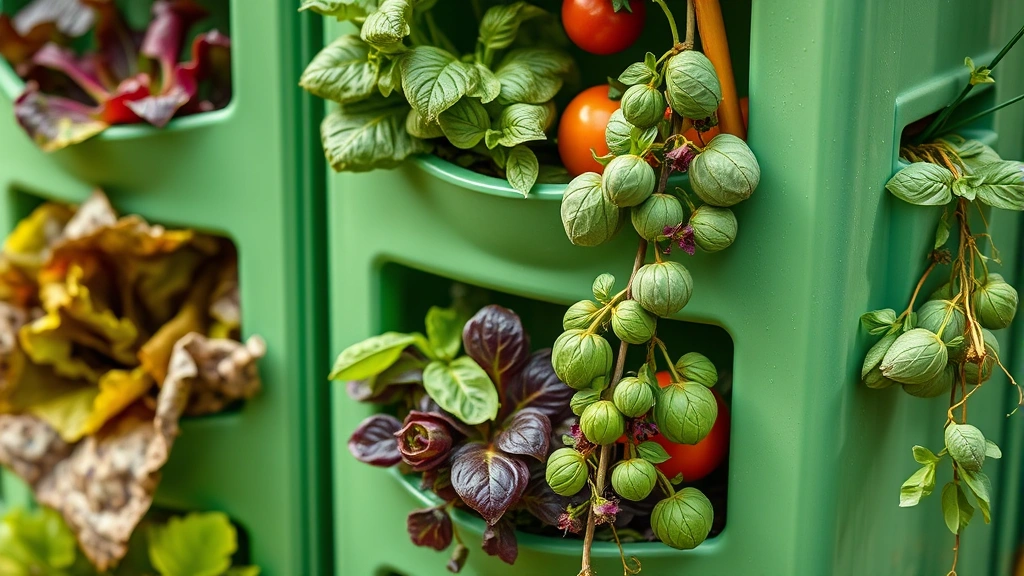
A garden tower is a vertical growing container system designed to hold multiple plants in stacked layers, typically arranged in a cone or cylindrical shape. Most modern towers feature 5-10 planting pockets distributed around the structure, with a central watering tube running through the middle. This ingenious design ensures that water applied to the top pocket filters down through the soil, reaching all layers efficiently while excess moisture drains out the bottom.
The most popular commercial model, the Garden Tower 2, incorporates a composting chamber at the base where you can add kitchen scraps and yard waste. As these materials decompose, they create nutrient-rich compost that gradually integrates into the surrounding soil, providing continuous fertilization for your plants. This closed-loop system exemplifies sustainable gardening practices and reduces the need for commercial fertilizers throughout the growing season.
Traditional garden towers stand between 24-36 inches tall, making them accessible for most gardeners without excessive bending or stretching. The compact footprint—typically just 2-3 feet in diameter—makes them ideal for patios, balconies, and small yards where conventional beds would consume valuable space. Some modern designs incorporate stackable sections, allowing you to expand your growing capacity by adding additional tower units or extending the height of existing systems.
Space Efficiency and Urban Gardening Advantages
One of the most compelling garden tower benefits is dramatic space efficiency. A single tower can produce the equivalent yield of a 4′ x 8′ raised bed while occupying only a 2-3 foot diameter footprint. For apartment dwellers and urban gardeners, this vertical approach transforms what might seem like impossible growing conditions into productive gardens.
The vertical orientation means you’re utilizing airspace that would otherwise remain unused. Instead of spreading plants horizontally across your entire patio or deck, you’re growing upward, creating a living wall of greenery. This approach is particularly valuable for those with:
- Limited outdoor space (balconies, small patios, rooftop gardens)
- Rental properties where permanent garden beds aren’t allowed
- Areas with contaminated soil requiring container growing
- Properties with challenging terrain or slopes
- Neighborhoods with strict HOA regulations about traditional gardens
When combined with easy to grow vegetables for beginners, garden towers create an accessible entry point into productive gardening. The contained nature of the system makes it easier to manage pests, control variables, and achieve success as a new gardener. Many gardeners report that their first successful harvest comes from a tower system rather than in-ground beds.
The visual appeal of a well-planted garden tower shouldn’t be underestimated. Unlike sprawling beds that can appear chaotic, a vertical tower creates a structured, attractive garden feature. Mixing ornamental plants with edibles creates a beautiful display that functions as both food production and landscape design element.
Water Conservation and Drainage Benefits
Garden towers excel at water management through their ingenious design. The central watering tube directs water efficiently to all levels, minimizing waste and ensuring even distribution. Studies indicate that tower systems use 50-75% less water than traditional in-ground gardens, a crucial advantage in drought-prone regions or areas with water restrictions.
The elevated design naturally provides superior drainage compared to ground-level beds. Water doesn’t pool around plant roots, reducing the risk of fungal diseases, root rot, and pest infestations. This improved drainage is particularly beneficial during heavy rains or in humid climates where moisture-related problems plague traditional gardens.
The closed drainage system means water doesn’t run off into storm drains or contaminate groundwater with soil particles and nutrients. Instead, excess water drains into a collection area where it can be reused or allowed to percolate slowly back into the soil. This environmental consideration aligns with sustainable gardening principles and reduces your overall water footprint.
For gardeners concerned about water quality, tower systems allow precise control over irrigation. You can use filtered water, collected rainwater, or treated water without affecting surrounding soil or groundwater. The contained system makes it easier to implement drip irrigation or soaker systems that deliver water directly to plant roots with minimal evaporation.
Accessibility and Physical Health Considerations
Garden towers provide significant accessibility advantages for gardeners with mobility limitations, arthritis, back problems, or other physical considerations. The elevated planting pockets eliminate excessive bending, reaching, or heavy lifting required by traditional gardens. You can plant, weed, and harvest while standing or sitting nearby, reducing physical strain and making gardening accessible for seniors and those with disabilities.
Physical therapists and occupational specialists increasingly recommend vertical gardening systems for patients recovering from injuries or managing chronic conditions. The ability to engage in meaningful gardening activities without pain or excessive exertion provides both physical benefits and mental health improvements. Gardening is well-documented to reduce stress, improve mood, and provide a sense of accomplishment—benefits that shouldn’t be limited by physical limitations.
The ergonomic design of garden towers means you’re not constantly adjusting your posture or straining to reach plants at ground level or overhead. This is particularly important for long-term garden sustainability; many traditional gardeners find that as they age, maintaining large beds becomes increasingly difficult. A tower system allows you to continue gardening comfortably throughout your life.
When implementing accessible gardening practices, combining a garden tower with gardening tips for beginners ensures you establish sustainable practices from the start. Proper setup, plant selection, and maintenance routines make the system work effectively with minimal physical demand.
Plant Variety and Growing Possibilities
Garden towers accommodate impressive plant diversity within a compact footprint. The multiple pockets allow you to grow different vegetables, herbs, or strawberries simultaneously, creating a polyculture system that mimics natural ecosystems. This diversity provides several advantages:
- Complementary planting: Tall plants at the top don’t shade lower levels; herbs and strawberries coexist peacefully
- Pest management: Diverse plantings naturally discourage pests and diseases that target monocultures
- Extended harvests: Staggered plantings and successive crops provide continuous production
- Nutritional variety: Growing multiple plant types ensures diverse nutrients in your homegrown food
- Experimentation: Limited space allows safe experimentation with new varieties without major investment
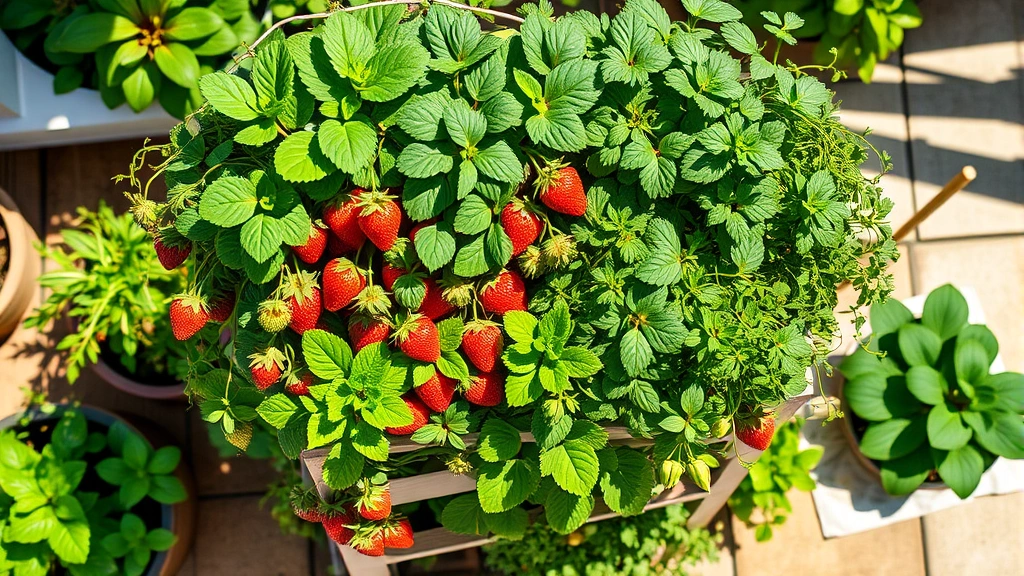
An herb garden thrives in tower systems, with cascading varieties like thyme and oregano spilling over edges while upright herbs occupy upper pockets. Strawberries are particularly well-suited to towers, with runners naturally creating an attractive cascade while producing abundant fruit. Lettuces, spinach, basil, and other compact vegetables perform excellently in the contained environment.
Cool-season and warm-season crops can be rotated through the same tower, maximizing production throughout the year. Spring lettuce gives way to summer tomatoes, which transition to fall greens, then winter herbs. This rotation keeps your tower productive year-round while naturally breaking pest and disease cycles.
Cost-Effectiveness Over Time
While quality garden towers require an upfront investment (typically $50-300 depending on size and materials), the long-term cost-benefit analysis strongly favors these systems. A productive tower can yield $200-400 worth of produce annually, paying for itself within the first year or two. Beyond initial costs, tower systems offer ongoing financial advantages:
- Reduced water bills through dramatically decreased consumption
- Lower fertilizer costs due to integrated composting systems
- Minimal pest management expenses from improved plant health
- Reduced soil replacement needs (potting mix lasts 3-5 years)
- Extended growing season capability reduces reliance on grocery store produce
When you calculate the cost of organic produce from farmers’ markets or grocery stores, homegrown vegetables from a productive tower represent exceptional savings. A family growing vegetables in towers can reduce their produce budget by 30-50% during peak season, translating to hundreds of dollars annually.
For those considering DIY raised garden bed alternatives, towers offer comparable or superior cost-effectiveness while using far less space. The investment in quality materials ensures longevity; many gardeners report their towers remaining productive for 8-10 years with minimal maintenance.
Environmental Impact and Sustainability
Garden towers embody sustainable gardening principles in multiple ways. The integrated composting system eliminates the need to send kitchen scraps to landfills, where they generate methane. Instead, your waste becomes nutrient-rich fertilizer, closing the loop in a home-scale regenerative system.
The water conservation aspect provides significant environmental benefits, particularly in water-stressed regions. Using 50-75% less water than traditional gardens means less demand on municipal supplies or groundwater. The contained drainage system prevents nutrient runoff that contributes to algal blooms in waterways and coastal dead zones.
Growing your own food dramatically reduces the environmental cost of food production. Grocery store produce travels an average of 1,500 miles to reach your plate, consuming fossil fuels and generating carbon emissions. Homegrown vegetables from your tower have zero transportation distance, making them genuinely local and sustainable.
When properly maintained, tower systems require minimal pest management interventions. The healthy growing environment, improved air circulation, and natural pest predators create conditions where chemical pesticides become unnecessary. This means your food is pesticide-free while protecting local ecosystems from chemical contamination.
The longevity of quality towers means less frequent replacement than disposable gardening containers. Investing in durable materials reduces overall waste and environmental impact compared to annual replacement of cheap pots and beds.

Challenges and Limitations to Consider
Despite numerous advantages, garden towers present some challenges worth acknowledging. Understanding these limitations helps you make informed decisions and implement strategies to overcome them:
Initial Learning Curve: Tower systems operate differently from traditional gardens. Understanding proper watering, drainage, and composting chamber maintenance requires some initial education. New users sometimes struggle with these systems before developing effective routines.
Weather Considerations: Elevated systems experience greater temperature fluctuations than ground-level beds. Wind exposure can increase water loss and stress plants. In cold climates, roots in elevated towers freeze more easily than in-ground plants. You may need to provide winter protection or move towers to sheltered locations.
Root Space Limitations: While towers accommodate many plants, they’re not ideal for deep-rooted vegetables like carrots or parsnips. Large determinate tomatoes or sprawling vine crops require careful pruning and training. Matching plants to available root space is crucial for success.
Maintenance Requirements: The composting chamber requires regular attention and proper carbon-to-nitrogen balance. Neglecting this element leads to odor problems or inadequate decomposition. The central tube can occasionally become clogged, requiring cleaning and maintenance.
Cost of Quality Models: While productive, premium garden towers represent significant investment for budget-conscious gardeners. DIY alternatives exist but require construction skills and sourcing appropriate materials.
Potting Mix Replacement: Every 3-5 years, you’ll need to refresh the growing medium as it compacts and depletes. This ongoing expense isn’t required with in-ground gardens, though in-ground soil also requires amendment.
Choosing the Right Garden Tower for Your Needs
Selecting an appropriate garden tower requires evaluating your specific situation, goals, and resources. Consider these factors when making your decision:
Space Availability: Measure your available space carefully. Most towers require 2-3 feet of diameter and benefit from 3-4 feet of clearance around them for access. Consider whether you have room for multiple towers if you want expanded production.
Sunlight Access: Garden towers need 6-8 hours of direct sunlight for vegetable production, similar to traditional gardens. Observe your space throughout the day to identify optimal placement. Afternoon shade in hot climates can actually benefit some plants.
Plant Preferences: Match your tower choice to plants you want to grow. Strawberry-specific towers differ from vegetable towers. Consider whether you prefer herbs, vegetables, or mixed plantings. This determines tower size and pocket configuration.
Budget Considerations: Commercial towers range from $50 budget models to $300+ premium systems. Determine your budget, then research durability and customer satisfaction. Sometimes paying more upfront saves money through longevity and better performance.
Material Quality: Look for food-safe plastics (BPA-free), quality drainage systems, and sturdy construction. Cheap materials degrade quickly in sunlight and create problems within a season or two. Investing in quality ensures years of productive use.
Ease of Maintenance: Some towers feature removable composting chambers, integrated watering systems, and easy-clean designs. Others require more hands-on maintenance. Consider your willingness to engage in regular upkeep when selecting models.
Before investing in a tower, review how to prepare garden soil and potting mix recommendations. Quality growing medium makes the difference between thriving plants and struggling systems. Understanding soil preparation principles applies directly to tower systems, where potting mix quality is even more critical than traditional gardens.
Starting with a single quality tower allows you to develop expertise before expanding your system. Many successful tower gardeners eventually maintain multiple towers, each dedicated to different crop types or rotation schedules. This staged approach prevents overwhelming yourself while building skills and confidence.
FAQ
Can I grow tomatoes in a garden tower?
Yes, determinate (bush) tomato varieties work well in towers, producing excellent yields in compact spaces. Indeterminate varieties require more aggressive pruning and training. Cherry tomatoes and patio tomatoes perform particularly well, as they’re naturally compact while producing abundantly. Use sturdy stakes or cages to support growth and prevent top-heavy plants from tipping the tower.
How often should I water a garden tower?
Watering frequency depends on weather, season, and plant types. During hot, dry periods, daily watering may be necessary. Cooler seasons might require watering only 2-3 times weekly. Check soil moisture at the top pocket; when it feels dry one inch below the surface, it’s time to water. The central tube distributes water throughout the system efficiently.
Can I use regular potting soil in my garden tower?
Yes, quality potting soil works well in towers. Avoid garden soil or topsoil, which compact too much in containers. Choose potting mixes specifically formulated for containers, which provide better drainage and aeration. Some gardeners prefer premium mixes with perlite or coconut coir for superior water retention and root development.
What’s the difference between a garden tower and a raised bed?
Garden towers are vertical systems that maximize space in small areas, while raised beds spread horizontally. Towers use significantly less water, provide better accessibility, and accommodate more plants in limited space. Raised beds offer greater root depth for larger plants and require less maintenance. Choose based on your space availability and growing goals.
Do garden towers work in cold climates?
Garden towers can work in cold climates, but they require winter protection. Elevated systems freeze more easily than in-ground beds. In very cold regions, moving towers to sheltered locations or providing insulation helps plants survive winter. Cool-season crops like kale and spinach thrive in towers throughout fall and into winter with proper protection.
How long does a garden tower last?
Quality garden towers last 8-10 years or longer with proper maintenance. Material degradation from UV exposure, cracking from temperature extremes, or damage from accidents eventually requires replacement. Protecting towers from direct sun exposure when not in use and providing winter shelter extends lifespan significantly.
Can I move a planted garden tower?
Carefully planned moves are possible, though they’re stressful for plants. Empty towers are easily portable, but moving a fully planted, watered tower can damage plants and is physically demanding. Plan tower location carefully before planting. If relocation becomes necessary, gradually acclimate plants to new light conditions and allow recovery time.
What vegetables grow best in garden towers?
Herbs, lettuce, spinach, kale, strawberries, peppers, bush beans, and cherry tomatoes thrive in towers. Avoid deep-rooted vegetables like carrots, parsnips, or potatoes, which need more root depth than towers provide. Compact varieties and trailing plants maximize tower productivity and create attractive displays.


