
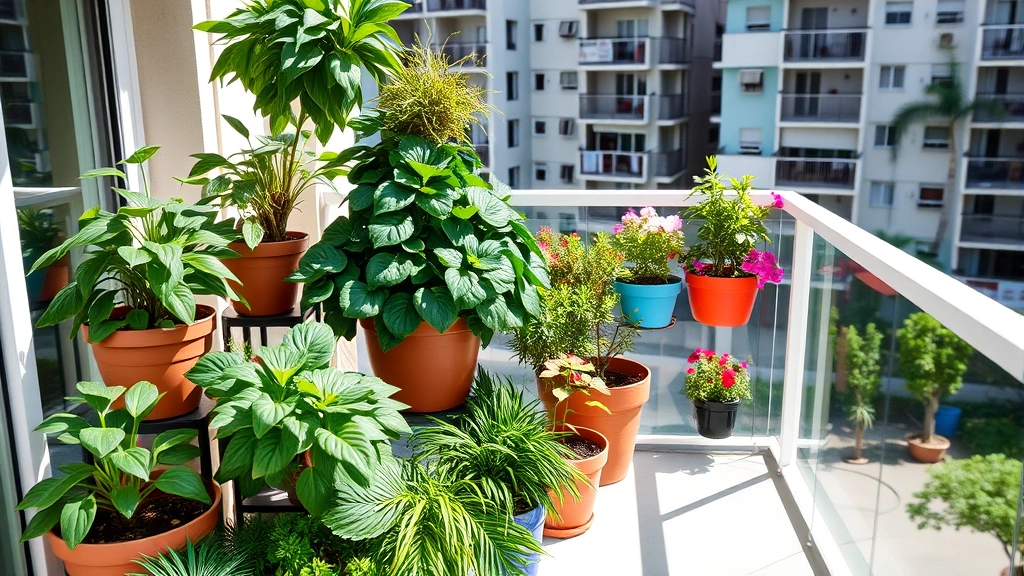
Living in a garden style apartment doesn’t mean sacrificing your gardening dreams. Whether you have a small balcony, a modest patio, or shared courtyard space, strategic landscaping can transform your outdoor area into a thriving garden oasis. Modern apartment living increasingly embraces green spaces, and with the right planning and plant selection, you can create a beautiful landscape that enhances your quality of life and adds significant curb appeal to your building.
Garden apartments—residential units featuring private or semi-private outdoor space—offer unique opportunities for personalized landscaping. Unlike traditional apartments with no outdoor access, these dwellings allow residents to express their horticultural interests while respecting building codes and community guidelines. This comprehensive guide explores expert landscaping strategies specifically designed for apartment gardeners, covering everything from space optimization to plant selection and maintenance schedules.
Understanding Garden Apartment Constraints and Opportunities
Garden apartments present distinctive landscaping challenges that differ significantly from single-family homes. Most lease agreements include restrictions on permanent installations, plant choices, and structural modifications. Before designing your landscape, review your rental agreement carefully and communicate with property management about your gardening plans. Understanding these boundaries prevents costly mistakes and ensures your garden enhances rather than conflicts with building regulations.
The primary constraint in apartment gardening is space limitation. Most garden apartments feature patios or balconies ranging from 50 to 300 square feet—a fraction of typical residential yards. However, this compact size offers advantages: less maintenance, lower water consumption, and easier pest management. Successful apartment landscaping focuses on quality over quantity, selecting plants that deliver maximum visual impact within minimal footprint.
Sunlight exposure represents another critical consideration. Observe your outdoor space throughout the day, noting which areas receive full sun (6+ hours), partial shade (3-6 hours), or deep shade (under 3 hours). This information directly influences plant selection and layout. Many apartment spaces face north or sit between buildings, creating shadier conditions than typical gardens. Understanding your microclimate—the unique growing conditions in your specific location—is essential for selecting plants that will thrive.
Maximizing Limited Space with Strategic Design
Effective apartment landscape design begins with creating a cohesive visual plan. Sketch your space to scale, noting existing features like walls, doors, utility boxes, and sun patterns. This planning phase prevents impulse purchases and ensures every element serves a purpose. Professional designers often employ the rule of thirds, dividing space into nine equal sections and placing focal points strategically to create visual interest.
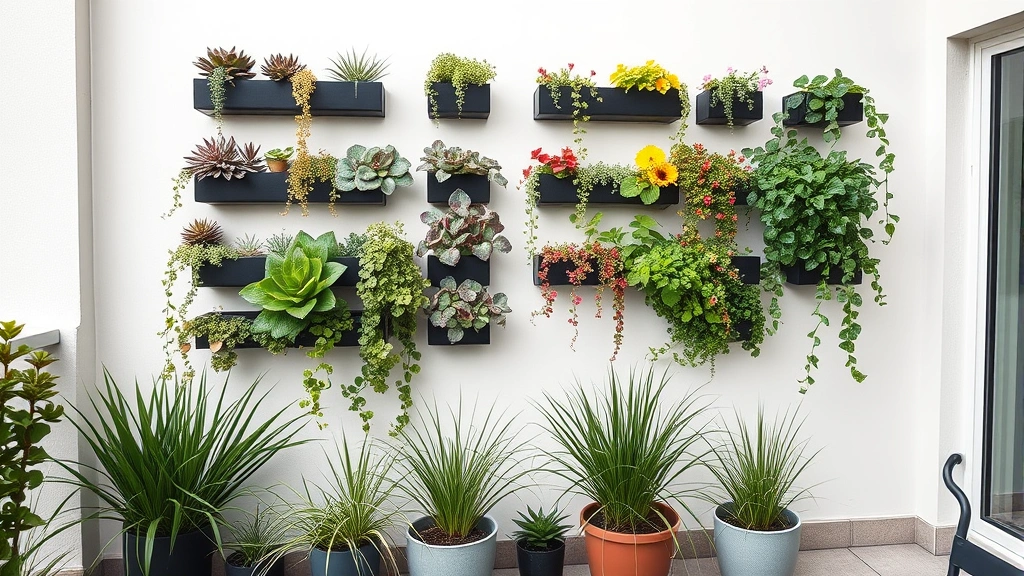
Vertical space offers tremendous potential in compact gardens. Rather than spreading plants horizontally, direct your gardening efforts upward using trellises, wall-mounted planters, and hanging baskets. This approach multiplies your growing area without consuming valuable floor space. Consider installing a raised planter box or elevated garden bed along one wall to create a focal point while maximizing planting capacity.
Color coordination creates visual harmony in small spaces. Select a color palette of two to three primary colors plus white or gray as a neutral. Restricting your palette makes even modest spaces feel intentional and sophisticated. For example, a scheme featuring purple flowers, silver foliage, and white accents creates elegance without visual chaos. Repetition of colors and plant forms throughout the space enhances cohesion.
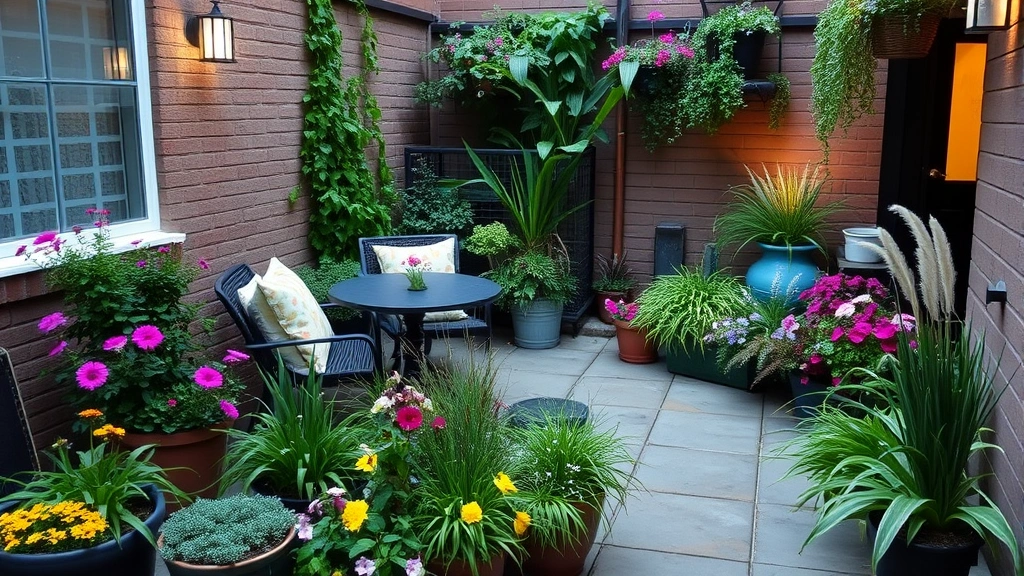
Hardscaping elements—paving, gravel, benches, and structures—define your garden’s bones. In apartment settings, choose durable, low-maintenance materials that withstand weather and foot traffic. Permeable pavers work better than solid concrete for drainage and water management. A small seating area, even just a bistro chair and side table, transforms a bare patio into an inviting retreat and provides a focal point for your landscape design.
Container Gardening Essentials
Container gardening is the cornerstone of successful apartment landscaping. Pots offer flexibility, allowing you to rearrange plantings seasonally, move plants to optimal light conditions, and easily replace underperforming specimens. Quality containers are worth the investment—they last longer, drain better, and look more polished than cheaply made alternatives.
Select containers in varying sizes to create visual interest through scale variation. A grouping of three pots—one large, one medium, one small—arranged asymmetrically appears more sophisticated than identical containers. Material choices include terracotta (classic but heavy and breakable), plastic (lightweight and affordable but less attractive), ceramic (beautiful but expensive), and composite materials (durable and weather-resistant). For apartment dwellers, lightweight containers offer practical advantages, especially on upper-floor balconies with weight restrictions.
Drainage is non-negotiable in container gardening. Every pot must have drainage holes to prevent waterlogging and root rot. Use quality potting soil formulated for containers—it’s lighter and drains better than garden soil. Never use garden soil in pots, as it compacts and retains excessive moisture. Refresh potting soil annually or biennially, as it breaks down over time and becomes depleted of nutrients.
Container size matters significantly. Larger pots retain moisture longer, reducing watering frequency—a major advantage for busy apartment dwellers. A pot should be at least 12 inches deep for most perennials and shrubs. Shallow containers work for annuals, herbs, and groundcovers. When selecting pot size, remember that slightly larger pots are preferable to cramped ones; plants thrive in adequate root space.
Best Plants for Apartment Landscapes
Successful apartment gardens feature plants selected specifically for small-space growing and your local climate conditions. Low-maintenance plants that tolerate some neglect are ideal for busy apartment residents. Herbs like mint grown in pots provide culinary benefits while requiring minimal care.
For foliage interest, consider evergreen shrubs like dwarf boxwoods, Japanese hollies, or dwarf conifers. These plants provide year-round structure and require minimal pruning. Ornamental grasses add movement and texture—try compact varieties like ‘Karl Foerster’ feather reed grass or blue fescue. Sedums and other succulents tolerate drought and neglect, making them perfect for forgetful gardeners or hot, sunny balconies.
Flowering plants brighten apartment landscapes. Select varieties suited to your light conditions: shade-tolerant hostas and hellebores for north-facing spaces, sun-loving coreopsis and black-eyed Susans for south exposure. Perennials offer better value than annuals, returning year after year. However, well-chosen annuals provide continuous color throughout the season and merit inclusion in apartment gardens.
Climbing plants and vines maximize vertical space. Clematis varieties offer stunning flowers on minimal footprint, while ivy provides evergreen coverage. When selecting climbing plants, ensure your lease permits them and that they’re attached to appropriate structures rather than the building itself. Trellises and obelisks provide support while adding architectural interest to your landscape.
Consider fragrant plants that enhance sensory enjoyment of your space. Lavender, gardenias, and jasmine offer beautiful scents while attracting pollinators. Fragrance becomes especially valuable in small spaces where you spend considerable time during pleasant weather.
Vertical Gardening Solutions
Vertical gardening exponentially increases planting capacity without consuming floor space. Wall-mounted planters, pocket systems, and living walls transform bare walls into lush growing surfaces. These systems work particularly well for herbs, succulents, sedums, and trailing plants like pothos and string-of-pearls.
Trellises and arbors create vertical structures for vining plants while adding architectural elements to your landscape. A simple wooden trellis costs little but dramatically transforms a blank wall. Plant clematis, climbing hydrangea, or honeysuckle at its base to create a living focal point. Ensure structures are securely fastened and won’t damage the building when removed.
Hanging baskets suspended from pergolas, eaves, or specially installed hooks multiply planting opportunities. Trailing plants like bacopa, calibrachoa, and million bells cascade beautifully from hanging containers. Rotate baskets seasonally to maintain visual freshness. In winter, swap flowering annuals for evergreen foliage combinations that provide year-round interest.
Tiered plant stands and shelving units organize containers while creating visual height variation. A simple metal or wooden stand holds multiple pots, organizing them efficiently while creating a garden feature. These portable structures offer flexibility—you can rearrange them seasonally or move them entirely if needed.
Wall-mounted shelves specifically designed for plants provide permanent vertical storage for containers. Install them securely, ensuring they support the weight of soil-filled pots plus water. Consider the aesthetic impact of shelf styling—group containers by color or size for a curated appearance rather than a cluttered look.
Creating Year-Round Interest
The best apartment landscapes provide visual interest throughout all seasons, not just summer. This requires intentional plant selection and thoughtful design planning. Winter is particularly challenging in cold climates, where most gardens appear dormant and drab.
Evergreen plants form the foundation of year-round interest. Combine broadleaf evergreens like hollies and boxwoods with ornamental grasses and dwarf conifers in varied colors—blue, gold, and deep green create sophisticated combinations. Add winter-blooming plants like hellebores (Christmas roses) that flower when little else blooms. Winter-interest shrubs with colorful stems like red-twig dogwood or yellow-twig dogwood add warmth to bleak winter landscapes.
Ornamental berries extend seasonal color. Plants like winterberry holly, cotoneaster, and nandina produce berries that persist through winter, attracting birds and providing visual interest. Many of these plants require male and female plants for berry production, so research requirements before purchasing.
Spring bulbs create anticipation and early-season color. Tulips, daffodils, crocuses, and hyacinths naturalize well in containers and provide cheerful color when little else blooms. Plant bulbs in fall for spring flowering. Successive plantings of cool-season annuals in early spring and fall extend the flowering season beyond summer’s heat.
Summer remains the garden’s peak season, but intentional design ensures it’s not monotonous. Rotate containers, deadhead spent flowers, and refresh tired plantings mid-season. A summer color scheme featuring warm tones—oranges, reds, and yellows—creates energy, while cool tones—blues, purples, and whites—provide restfulness.
Water Management and Sustainability
Efficient water use is crucial in apartment gardening, where residents typically pay for water and environmental responsibility matters. Container plants require more frequent watering than in-ground gardens since pots dry faster. Establish a consistent watering schedule, checking soil moisture daily during hot weather. Most plants prefer soil that’s moist but not waterlogged.
Mulching conserves soil moisture and moderates temperature fluctuations. Add 2-3 inches of mulch to container soil surfaces, leaving space around plant stems. Organic mulches like bark chips break down over time, improving soil structure and providing nutrients.
Drip irrigation systems and soaker hoses deliver water directly to roots, reducing evaporation and water waste compared to overhead watering. Automated timers ensure consistent watering even when you’re away from your apartment. These systems cost more initially but save money and effort over time.
Rainwater collection offers sustainable watering solutions. Even small balconies can accommodate rain barrels that capture runoff from roofs or gutters. This free water source reduces municipal water consumption and often contains nutrients beneficial to plants. Check local regulations before installing rain collection systems.
Grouping plants by water needs—xerophytes (drought-tolerant plants) in one area, moisture-loving plants in another—optimizes watering efficiency. This approach prevents overwatering drought-tolerant plants or underwatering thirsty specimens.
Maintenance Schedules for Busy Residents
Apartment gardeners typically have limited time for maintenance. Selecting low-maintenance plants and establishing efficient routines prevents gardens from becoming burdensome. Create a seasonal maintenance calendar addressing watering, fertilizing, pruning, and pest management.
Spring maintenance includes refreshing soil in containers, planting annuals and tender perennials, and inspecting plants for overwintering pests. Prune winter-damaged growth and apply slow-release fertilizer to support new growth. This season demands the most effort as gardens awaken from dormancy.
Summer maintenance focuses on watering, deadheading spent flowers, and monitoring for pests and diseases. Regular deadheading encourages continuous flowering and prevents plants from setting seed prematurely. Most container plants benefit from monthly fertilizing during the growing season to replace nutrients leached through frequent watering.
Fall maintenance includes preparing plants for dormancy, cleaning up dead foliage, and planting spring bulbs. Reduce watering as temperatures cool and growth slows. Cut back perennials after frost kills foliage. This season offers opportunities to refresh tired plantings with cool-season annuals and ornamental grasses.
Winter maintenance is minimal in most climates. Protect tender plants from freezing temperatures using frost cloth or moving containers to sheltered locations. Check soil moisture periodically—even dormant plants need occasional watering. Plan next season’s garden during winter’s quiet months, reviewing what worked and what needs improvement.
Establishing relationships with local garden centers and cottage garden resources provides access to expert advice and quality plants. Many centers offer seasonal workshops and plant care guidance specific to your region.
Decorative Elements and Focal Points
Beyond plants, decorative elements create visual interest and personality in apartment gardens. A small garden fountain adds movement, sound, and focal point interest to even modest spaces. Fountains require minimal maintenance and create a soothing ambiance that enhances outdoor enjoyment.
Lighting transforms gardens into evening retreats. String lights create ambiance, while pathway lights improve safety and visibility. Solar-powered lights require no wiring and operate sustainably. Position lights to highlight focal points and create shadows that add depth to your landscape.
Seating areas invite you to enjoy your garden. A simple bistro chair, bench, or cushioned stool provides a place to relax, read, or enjoy morning coffee. Orient seating toward your garden’s best view or toward a focal point like a fountain or flowering plant.
Artwork, sculptures, and decorative objects express personal style. A large rock, piece of driftwood, or ceramic vessel becomes a focal point drawing the eye. Keep decorative elements minimal in small spaces—one or two well-chosen pieces create more impact than numerous items competing for attention.
Edging and containers themselves function as design elements. Matching containers create visual cohesion, while varied materials add texture and interest. Edging materials like steel or composite borders define planting areas and create clean lines that make small spaces feel intentional.
Addressing Common Apartment Garden Challenges
Apartment gardeners face specific obstacles that differ from traditional gardeners. Limited sunlight plagues north-facing balconies and spaces between buildings. Choose shade-tolerant plants like hostas, ferns, heucheras, and hellebores. Reflective surfaces and strategic lighting compensate for insufficient natural light.
Wind exposure threatens balcony gardens, especially in high-rise buildings. Wind dries plants rapidly, breaks stems, and topples containers. Select sturdy, compact plants rather than tall, delicate specimens. Secure containers to prevent tipping, and use windbreaks like trellises or screening to moderate wind impact.
Weight restrictions on balconies limit container size and soil volume. Check your lease for weight limits. Lightweight containers and potting soil reduce overall weight. Consider soil-less growing media specifically formulated to be lighter than traditional potting soil.
Pest management differs in apartment settings. Indoor plants and nearby neighbors mean chemical pesticides are less desirable. Employ organic pest control methods: hand-picking insects, using neem oil or insecticidal soap, and encouraging beneficial insects like ladybugs and lacewings. Isolating infested plants prevents pest spread to neighbors’ spaces.
Noise and privacy concerns vary by building. Water features can mask traffic noise while creating privacy. Dense plantings provide screening from neighboring balconies. Check lease requirements regarding structures and plant placement to avoid conflicts.
Sustainable and Eco-Friendly Practices
Environmentally conscious gardening benefits both your plants and the planet. Composting apartment-style uses compact bins or vermicomposting systems to convert kitchen scraps and plant debris into nutrient-rich soil amendments. These systems operate indoors, making them perfect for apartment dwellers without outdoor compost piles.
Native plants support local ecosystems and typically require less water, fertilizer, and pest management than exotic species. Research native plants suited to your region and incorporate them into your landscape. Native plants also attract native pollinators and birds, creating vibrant garden ecosystems.
Organic fertilizers and soil amendments eliminate chemical runoff that harms waterways. Compost, fish emulsion, seaweed extract, and other organic options nourish plants while building soil health. Slow-release organic fertilizers reduce nutrient leaching compared to synthetic fertilizers.
Pollinator-friendly gardens support bees, butterflies, and other beneficial insects. Select flowers that provide nectar and pollen throughout the growing season. Avoid pesticides that harm pollinators. Even small apartment gardens can support pollinators and contribute to broader ecological health.
Seasonal Planting and Design Updates
Refresh your apartment garden seasonally to maintain visual interest and adapt to changing conditions. Spring brings opportunities to plant warm-season annuals and tender perennials. Update container combinations, adding new colors and textures that reflect the season. This is an ideal time to try new plant varieties you’ve been considering.
Summer maintenance keeps gardens looking their best. Regular deadheading, watering, and fertilizing support vigorous growth and continuous flowering. Evaluate what’s working and what isn’t—plants struggling in their current location can be moved to better conditions or replaced.
Fall offers opportunities for cool-season plantings. Ornamental cabbages, pansies, mums, and ornamental grasses shine in autumn. This season’s cooler temperatures reduce watering frequency while extending the growing season. Prepare for winter by protecting tender plants and cleaning up summer’s debris.
Winter gardens feature evergreens, berries, and interesting plant forms. Groupings of three or more plants with varied heights and textures create visual interest without flowers. Branches with interesting color, form, or texture become focal points when little else grows.
FAQ
What are the best plants for apartment gardens with limited sunlight?
Shade-tolerant plants thrive in apartments with limited direct sunlight. Hostas offer attractive foliage in numerous varieties. Hellebores (Christmas roses) produce elegant flowers in deep shade. Ferns provide delicate texture and require minimal light. Heucheras combine attractive foliage with shade tolerance. Coral bells (heuchera varieties) offer colorful leaves in burgundy, lime, or bronze. Ivy and pothos tolerate extreme shade and work well in hanging baskets. Sedges and carex species provide grass-like texture in shade. For flowering shade plants, consider astilbes with feathery plumes or bleeding hearts with delicate blooms. Brunnera (Siberian bugloss) produces forget-me-not-like flowers in shade. Always verify specific varieties suit your light conditions, as shade tolerance varies.
How often should I water container plants in apartments?
Container watering frequency depends on pot size, soil type, weather conditions, and plant species. Check soil moisture daily by inserting your finger into the soil—water when the top inch feels dry. Most container plants need watering every 1-3 days during hot weather, less frequently in spring and fall, and rarely in winter. Larger containers retain moisture longer than small pots, requiring less frequent watering. Terracotta pots dry faster than plastic or ceramic. Use quality potting soil formulated for containers, as it retains appropriate moisture levels better than garden soil. Grouping plants with similar water needs simplifies watering routines. Drip irrigation systems and soaker hoses provide consistent moisture while reducing water waste.
Can I grow vegetables in apartment gardens?
Yes, vegetables thrive in containers on apartment balconies and patios. Compact varieties suit small spaces better than sprawling types. Lettuce, spinach, and other leafy greens grow quickly in shallow containers. Determinate tomato varieties and cherry tomatoes produce well in pots. Peppers (both sweet and hot) flourish in containers. Herbs like basil, parsley, and chives are perfect apartment crops. Radishes mature quickly in small containers. Bush beans produce abundantly in moderate-sized pots. Peas grow vertically on trellises, maximizing space efficiency. Root vegetables like carrots and beets work in deeper containers. Squash and cucumber varieties bred for containers produce fruit without consuming excessive space. Focus on high-yield crops that provide fresh produce throughout the season. Most vegetables require 6+ hours of direct sunlight daily.
What’s the difference between annual and perennial plants for apartments?
Annual plants complete their entire life cycle in one growing season, flowering continuously from planting until frost. They require replanting each year but provide reliable, consistent color. Annuals work well for apartment gardens where you enjoy changing plant combinations seasonally. Perennial plants live for multiple years, returning from their root systems each spring after winter dormancy. They require less replanting effort but may have shorter bloom periods than annuals. Perennials typically cost more initially but offer better long-term value. Many gardeners combine both—perennials provide structure and year-round interest, while annuals fill gaps with seasonal color. Tender perennials like dahlias and cannas behave as annuals in cold climates, requiring replanting yearly.
How do I prevent pests in apartment gardens without chemicals?
Organic pest management protects your plants, neighbors, and the environment. Inspect plants regularly, removing visible pests by hand. Spray infested plants with insecticidal soap or neem oil following label directions—these organic products kill soft-bodied insects like aphids and spider mites. Encourage beneficial insects like ladybugs and lacewings that prey on garden pests. Isolate infested plants immediately to prevent pest spread. Remove heavily infested leaves or plant parts. Prune to improve air circulation, reducing disease and pest problems. Avoid overwatering, which promotes fungal diseases and pest problems. Quarantine new plants for a week before adding them to your garden to ensure they’re pest-free. Choose disease-resistant plant varieties when available. Reflective mulches and row covers protect plants from certain pests.
What weight restrictions should I know about for apartment balconies?
Most apartment leases specify maximum balcony weight limits, typically ranging from 40-100 pounds per square foot. Soil-filled containers are heavy—a single large pot can weigh 50+ pounds when filled with moist soil. Calculate total weight including containers, soil, plants, and decorative elements. Distribute weight evenly across the balcony rather than concentrating it in one area. Lightweight containers and soil-less potting media reduce overall weight significantly. Consult your lease and building management before installing large planters or water features. When in doubt, ask management for weight specifications and recommendations. Exceeding weight limits risks structural damage and lease violations. Lighter alternatives like hanging baskets and wall-mounted planters achieve beautiful results while respecting weight restrictions.
How do I maintain apartment gardens while traveling?
Extended absences pose watering challenges for apartment gardeners. Before traveling, water plants thoroughly and move containers to shadier locations to slow moisture loss. Group plants together to create a humid microclimate that reduces water loss. Automated watering systems like drip irrigation with timers maintain consistent moisture while you’re away. Soaker hoses connected to timers deliver water directly to roots, minimizing waste. Ask neighbors to water your plants, providing clear watering instructions. Self-watering containers have built-in water reservoirs that gradually release water as soil dries. Wicking systems using cotton rope or capillary matting draw water from a reservoir into containers. For short trips (2-3 days), thorough watering before departure usually suffices. Move tender plants indoors if you’re absent during extreme weather. Return home gradually to prevent plant shock—water lightly after returning, allowing plants to adjust to your presence.
What are the best design principles for small apartment gardens?
Small space design requires intentionality and restraint. The rule of thirds divides your space into nine equal sections, placing focal points strategically to create visual interest. Vertical design maximizes limited floor space by directing attention upward through trellises, wall-mounted planters, and hanging baskets. Color coordination creates cohesion—limit your palette to 2-3 colors plus white or gray as a neutral. Repetition of colors and plant forms throughout the space enhances sophistication. Asymmetrical arrangements appear more natural than symmetrical groupings. Vary plant heights to create depth and visual interest. Include at least one focal point—a fountain, specimen plant, or seating area—that draws the eye. Leave some open space to prevent overcrowding and allow room for movement. Quality over quantity means selecting fewer, well-placed plants rather than crowding your space with numerous specimens.