Growing strawberries from seeds is one of the most rewarding gardening experiences, offering a cost-effective way to cultivate these beloved berries in your garden. While many gardeners opt for starter plants or runners, starting garden strawberry seeds from scratch gives you complete control over the growing process and opens up possibilities for growing heirloom and specialty varieties that are difficult to find commercially. This comprehensive guide will walk you through every step of successfully planting strawberry seeds, from preparation through harvest.
Whether you’re a complete beginner or an experienced gardener looking to expand your growing repertoire, understanding the nuances of strawberry seed propagation is essential. Strawberry seeds require specific conditions to germinate successfully, including proper stratification, moisture levels, and light exposure. With patience and attention to detail, you can transform tiny seeds into productive plants that yield delicious fruit for years to come.
Understanding Strawberry Seeds and Varieties
Before you begin planting strawberry seeds, it’s crucial to understand the different types available and their characteristics. Strawberry varieties fall into three main categories: June-bearing, ever-bearing, and day-neutral. June-bearing varieties produce one large crop in early summer, making them ideal for preserving and bulk harvesting. Ever-bearing varieties produce two to three smaller crops throughout the growing season, while day-neutral varieties fruit continuously regardless of day length, offering consistent harvests from summer through fall.
When selecting garden strawberry seeds from reputable suppliers, you’ll notice significant variation in seed size and viability. Alpine strawberries, for instance, produce tiny seeds that are challenging to handle but grow into productive plants. Larger-seeded varieties like Honeoye and Earliglow are somewhat easier to manage for beginners. Consider your climate zone and growing conditions when choosing varieties—some perform better in cooler regions while others thrive in warmer climates.
Seeds purchased from established seed companies typically have higher germination rates than those you might collect yourself. Look for suppliers who specialize in vegetable and fruit seeds, as they maintain proper storage conditions that preserve seed viability. The freshness of your seeds directly impacts germination success, so purchase seeds from the current season when possible.
Preparing Your Seeds for Planting
Strawberry seeds require cold stratification—a period of moist, cold treatment that mimics winter conditions and breaks dormancy. This process is essential because strawberry seeds have naturally evolved to germinate in spring after experiencing winter cold. Without stratification, germination rates plummet dramatically.
To stratify your seeds, follow these steps:
- Place seeds on a damp paper towel or in a small container with moist seed-starting medium
- Seal the container or wrap the paper towel in plastic to maintain moisture
- Place in the refrigerator at 35-40°F for 3-4 weeks
- Check weekly to ensure the medium remains moist but not waterlogged
- After the cold period, seeds are ready for sowing indoors
Some gardeners prefer using a moist sand and seed mixture in containers, which makes handling easier during the stratification period. The key is maintaining consistent moisture and cold temperature without allowing the seeds to dry out or rot from excessive moisture.
Timing your stratification is important for success. If you live in a region with natural winter cold, you can sow seeds directly outdoors in fall and let nature handle stratification. However, most gardeners start seeds indoors 6-8 weeks before their last spring frost date, beginning stratification about 4-5 weeks before sowing indoors. This timing ensures seedlings are ready to transplant when outdoor conditions warm.
Starting Seeds Indoors
Indoor seed starting provides controlled conditions that maximize germination success and allow you to get a head start on the growing season. Begin by preparing a quality seed-starting medium—a light, fluffy mixture specifically formulated for seed germination. Avoid using garden soil or potting mixes designed for mature plants, as these retain too much moisture and can lead to damping off disease.
Fill seed trays or small containers with your starting medium and moisten thoroughly before sowing. Strawberry seeds are tiny and need light to germinate, so they should be surface-sown rather than covered with soil. Sprinkle seeds thinly across the medium surface, then gently press them down to ensure good seed-to-medium contact. Mist with water rather than watering directly to avoid displacing the seeds.
Place your seed trays in a warm location (70-75°F) with bright light. A grow light positioned 2-3 inches above the trays works excellently, providing the consistent light strawberry seeds need for germination. Keep the medium consistently moist but not waterlogged—this is where many seed-starting attempts fail. Check daily and mist as needed to maintain moisture without creating soggy conditions.
Germination typically occurs within 7-14 days, though some seeds may take up to three weeks. Once seedlings emerge, maintain temperatures around 65-70°F and provide 14-16 hours of light daily. If using natural windowsill light, rotate trays daily to prevent leggy, stretching growth.
As seedlings develop their first true leaves, you can begin providing very diluted fertilizer. A half-strength solution of balanced liquid fertilizer applied every two weeks supports healthy growth without burning delicate roots. Continue misting to maintain humidity while avoiding waterlogged conditions that promote fungal issues.

Transplanting Seedlings
When strawberry seedlings develop 2-3 true leaves, they’re ready to move into individual containers. This process, called potting up, gives each plant more space and resources for continued growth. Gently lift seedlings using a small stick or dibber, handling them by their leaves rather than delicate stems to avoid damage.
Transplant into small pots (2-3 inches) filled with quality potting mix. Make a small hole with your finger or dibber, place the seedling at the same depth it was growing previously, and gently firm the soil around it. Water carefully after transplanting and return to your grow light setup. Maintain consistent moisture and continue providing bright light for 14-16 hours daily.
Seedlings grow slowly but steadily over the next 6-8 weeks. When they reach 3-4 inches tall with several true leaves, you can begin hardening off—gradually acclimating them to outdoor conditions. This crucial step prevents transplant shock and strengthens plants for outdoor life.
During this growth phase, continue monitoring for signs of stress or disease. Yellowing leaves may indicate nutrient deficiency—apply diluted liquid fertilizer more frequently. Brown, water-soaked spots suggest fungal issues—improve air circulation and reduce watering frequency. Leggy growth indicates insufficient light—move lights closer or extend the photoperiod.
Hardening Off and Outdoor Planting
Hardening off is the gradual transition process that prepares greenhouse-grown seedlings for outdoor conditions. Begin about 10-14 days before your planned transplant date by placing seedlings outdoors in a sheltered, shaded location for just 1-2 hours. Each day, gradually increase outdoor time and light exposure over 10-14 days until plants spend full days outside.
During hardening off, reduce watering frequency slightly to encourage stronger root development. The outdoor wind and lower humidity will stress plants initially—this is normal and beneficial. Protect seedlings from strong winds and direct afternoon sun during the first week outdoors. If frost threatens during hardening off, bring plants back indoors immediately.
Choose a planting location that receives at least 6-8 hours of direct sunlight daily. Strawberries can tolerate partial shade but produce better yields in full sun. The soil should be well-draining, rich in organic matter, and have a pH between 6.0-6.8. If your garden soil is heavy clay, consider raised bed gardening options, which provide excellent drainage and easier management.
Prepare the planting area by working in 2-3 inches of compost or aged manure to improve soil structure and fertility. Space plants 12-18 inches apart in rows that are 2-3 feet apart, allowing room for runners to spread. If growing in containers, use pots at least 8-10 inches wide filled with quality potting mix.
When transplanting outdoors, dig a hole slightly larger than the root ball. Position the plant so the crown (where roots meet leaves) sits just at soil level—too deep causes crown rot, while too shallow exposes roots. Firm soil around the plant and water thoroughly. Mulch around plants with 1-2 inches of straw, keeping mulch away from the crown to prevent rot.
Garden Setup and Location
Your strawberry garden’s success depends heavily on proper site selection and setup. Beyond basic sunlight requirements, consider water availability, air circulation, and protection from extreme conditions. Strawberries prefer consistent moisture but despise waterlogging—excellent drainage is non-negotiable.
If you’re new to vegetable gardening, strawberries are an excellent choice for beginners. Check out our beginner’s guide to easy-to-grow vegetables for additional foundational information. Strawberries work well in traditional garden beds, containers, hanging baskets, and vertical growing systems. Each method offers advantages—ground beds maximize production volume, containers provide portability and pest control, while vertical systems save space.
Companion planting enhances strawberry growth and productivity. Borage, thyme, and sage attract beneficial pollinators and predatory insects. Avoid planting strawberries near fennel, which inhibits their growth. Rotate planting locations yearly if possible, as strawberries are susceptible to soil-borne diseases that accumulate with repeated cultivation in the same spot.
Establish an irrigation system before planting if possible. Drip irrigation or soaker hoses deliver water directly to soil, reducing fungal disease risk by keeping foliage dry. Overhead watering, while convenient, promotes leaf diseases and wastes water through evaporation. Water deeply and consistently, aiming for 1-1.5 inches per week depending on rainfall and temperature.
Ongoing Care and Maintenance
First-year strawberry plants typically produce a lighter crop as they establish themselves. Many gardeners remove flowers in the first season, allowing plants to direct energy into root and vegetative development. This sacrifice in year-one production results in significantly higher yields in subsequent years.
Runners—long stems that creep along the ground and produce new plants—appear in summer on June-bearing and ever-bearing varieties. You can either remove runners to concentrate plant energy into fruiting, or allow them to root and create a matted row system. Day-neutral varieties produce few runners, making them ideal for contained growing.
Fertilize strawberries every 3-4 weeks during the growing season with a balanced fertilizer or one slightly higher in potassium to encourage fruiting. Organic options like fish emulsion, compost tea, or seaweed extracts provide nutrients while improving soil biology. Avoid excessive nitrogen, which promotes leafy growth at the expense of flowers and fruit.
Pest and disease management requires vigilance but doesn’t necessitate harsh chemicals. Common strawberry pests include slugs, spider mites, and aphids. Hand-pick slugs in early morning or evening, use row covers to protect young plants from insects, and encourage beneficial predators by maintaining diverse plantings. Fungal diseases like powdery mildew and leaf spot thrive in humid conditions—ensure good air circulation, water at soil level, and remove affected leaves promptly.
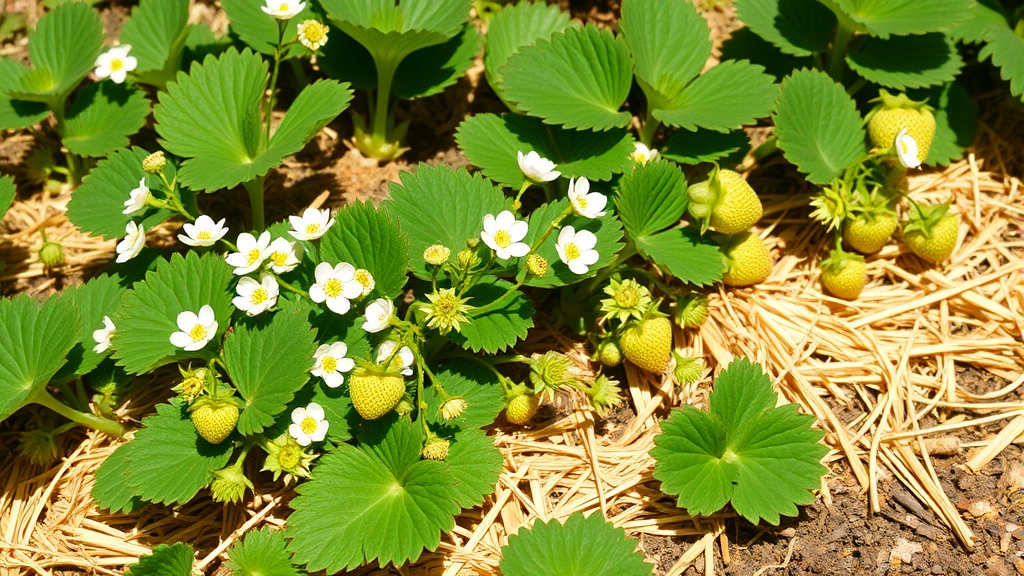
Mulching serves multiple purposes: conserving moisture, moderating soil temperature, suppressing weeds, and keeping developing fruit clean. Straw is the traditional choice and works excellently. Avoid hay, which contains weed seeds. Pine needles and shredded leaves also work well. Refresh mulch annually in spring and after harvest.
Common Problems and Solutions
Even experienced gardeners encounter challenges when growing strawberries. Understanding common issues and their solutions prevents frustration and improves success rates.
Poor Germination: The most frequent issue is inadequate stratification. Ensure seeds receive a full 3-4 weeks of cold, moist treatment before sowing. Use fresh seeds from reliable suppliers, as old or improperly stored seeds have low viability. Maintain consistent moisture during germination—neither soggy nor dry conditions.
Damping Off: This fungal disease kills seedlings at the soil line. Prevent it by using sterile seed-starting medium, avoiding overwatering, and ensuring excellent air circulation. Don’t reuse soil from previous seed-starting attempts without sterilizing it first.
Leggy Seedlings: Stretching growth indicates insufficient light. Move grow lights closer to seedlings or extend the photoperiod to 16 hours daily. Maintain slightly cooler temperatures (65-70°F) to discourage stretching. Provide adequate air circulation with a small fan, which strengthens stems.
Blossom End Rot: This dark, sunken spot on fruit develops from calcium deficiency, usually caused by inconsistent watering. Maintain even soil moisture and mulch to regulate moisture levels. Ensure adequate calcium by adding crushed eggshells or agricultural lime to planting areas.
Gray Mold (Botrytis): Fuzzy gray growth on fruit indicates this common fungal disease. Prevent it by ensuring good air circulation, avoiding overhead watering, removing dead leaves and flowers, and spacing plants adequately. Remove affected fruit immediately.
Runners Taking Over: If you prefer compact plants with maximum fruit production rather than propagation, remove runners as they appear. For matted row systems, manage runner development by directing them into designated spaces and removing excess plants that create overcrowding.
For additional gardening success, explore our resources on starting a flower garden and herb garden techniques, which share many principles with strawberry cultivation.
FAQ
How long does it take to grow strawberries from seed to fruit?
Expect 4-6 months from seed sowing to first fruit harvest. Seeds take 2-3 weeks to germinate after stratification, seedlings develop over 8-10 weeks indoors, and transplants establish outdoors for 4-8 weeks before flowering and fruiting. Year-one production is typically lighter than subsequent years.
Can you grow strawberries from seed indoors year-round?
Technically yes, but results improve with seasonal timing. Starting seeds in late winter for spring transplanting aligns with natural growing cycles. You can start seeds in fall for winter growing under lights, though plants may require extended photoperiods and supplemental heating.
Do all strawberry varieties produce seeds?
Most commercial strawberry varieties produce viable seeds, but hybrid varieties may not produce seeds true to type. Purchase seeds from reputable suppliers who specify whether varieties are hybrids or open-pollinated. Heirloom and specialty varieties often come true from seed.
What’s the difference between June-bearing and ever-bearing strawberries?
June-bearing varieties produce one large crop in early summer, ideal for preserving and processing. Ever-bearing varieties produce two to three smaller crops throughout the season, offering continuous fresh berries. Day-neutral varieties fruit continuously regardless of day length, providing the most consistent harvest.
Can you save seeds from your strawberry plants?
Yes, but only from open-pollinated varieties, not hybrids. Allow some fruit to fully ripen on the plant, then collect and dry seeds. Ferment seeds briefly to remove germination inhibitors, then dry completely before storage. Saved seeds maintain viability for 3-4 years in cool, dry conditions.
Why aren’t my strawberry seeds germinating?
Common causes include insufficient stratification, seeds that are too old or improperly stored, excessive moisture causing rot, or insufficient light. Ensure seeds receive full cold treatment, use fresh seeds, maintain moist but not waterlogged conditions, and provide bright light for germination.
Is it better to grow strawberries in garden beds or containers?
Both methods work well with different advantages. Garden beds maximize production volume and require less frequent watering. Containers offer better drainage control, portability, easier pest management, and work well for small spaces. Choose based on your available space, climate, and management preferences.