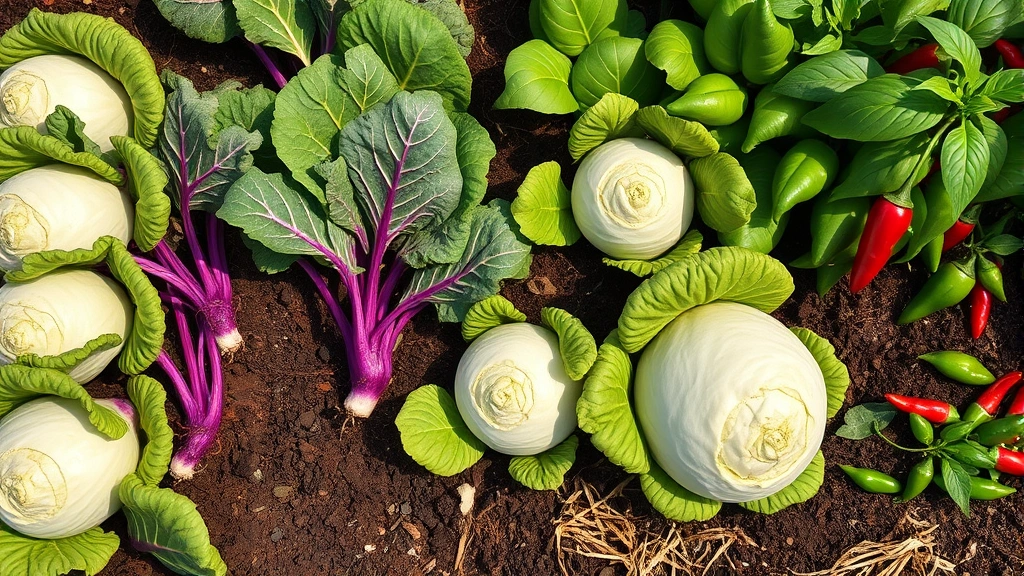
Finding garden soil on sale can feel like winning the gardening lottery, but savvy gardeners know that not all bargain soil is created equal. Whether you’re planning a new vegetable patch, refreshing flower beds, or starting a flower garden, understanding what to look for in quality soil at discount prices will save you money and frustration. A discounted price tag doesn’t guarantee value—sometimes cheap soil means poor drainage, compacted texture, or nutrient deficiencies that can sabotage your growing season before it even begins.
The key to making smart purchasing decisions during soil sales lies in knowing the difference between premium growing mediums and filler products. Many retailers mark down soil during off-season periods or when clearing inventory, presenting genuine opportunities to stock up on quality amendments. However, you need to inspect bags carefully, understand soil composition, and match the product to your specific gardening needs. This comprehensive guide walks you through everything you need to evaluate before your next soil purchase.
What Makes Quality Garden Soil
Quality garden soil serves as the foundation for healthy plants, whether you’re planning a vegetable garden layout or establishing decorative beds. The best soil contains balanced proportions of sand, silt, and clay—the fundamental components that determine texture, water retention, and nutrient availability. A proper soil structure allows water to drain efficiently while retaining enough moisture for plant roots to access. Additionally, quality soil is rich in organic matter, typically containing 5-10% decomposed plant material that feeds beneficial microorganisms and provides slow-release nutrients.
Soil pH matters significantly for plant health, typically ranging from 6.0 to 7.0 for most vegetables and ornamentals. Nutrient content should include essential macronutrients like nitrogen, phosphorus, and potassium, along with micronutrients such as calcium, magnesium, and iron. When evaluating soil on sale, look for products that disclose these specifications on the packaging. Premium soils often include beneficial microbes and mycorrhizal fungi that enhance nutrient uptake. Unfortunately, budget soil sometimes sacrifices these living components to reduce costs, which can impact long-term plant performance.
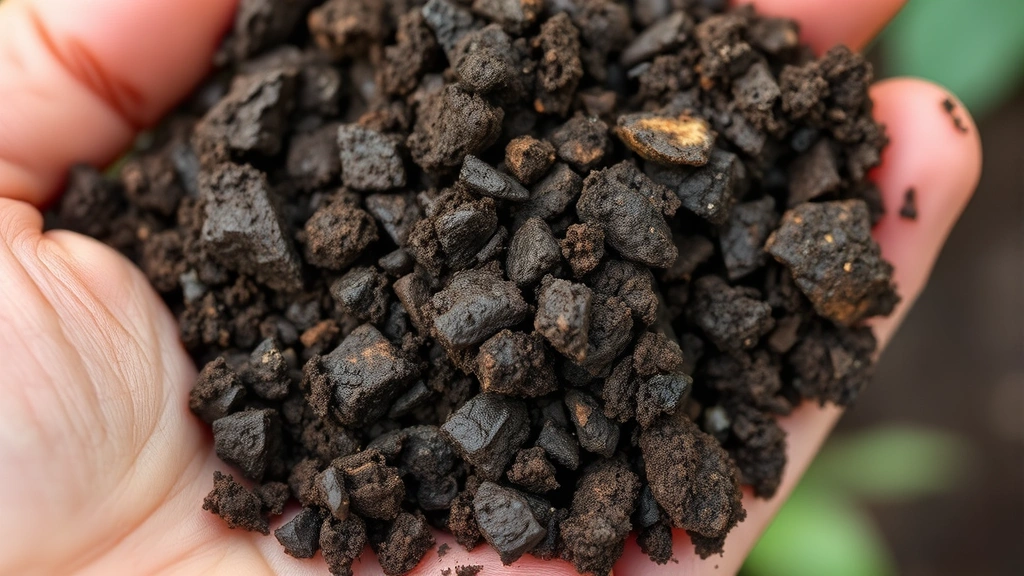
The color and smell of soil reveal much about its quality. Healthy soil appears dark brown or black and smells earthy and pleasant. If sale soil smells sour, musty, or chemical-like, it may contain anaerobic conditions or contamination. Squeeze a handful of moist sale soil—it should hold together slightly but crumble easily when broken apart. Soil that’s hard and compacted or falls apart completely without holding any shape suggests poor structure that will need amendment before use.
Best Times to Buy Garden Soil on Sale
Timing your soil purchases strategically can yield significant savings. Late fall and early winter represent prime sale seasons as retailers clear summer inventory before cold weather. Many garden centers discount soil heavily in November and December when most gardeners have finished their seasonal projects. Spring clearance sales also occur in March and April as new stock arrives. However, spring sales happen when demand peaks, so selection may be limited even with reduced prices.
End-of-season sales in late August and September offer another opportunity, particularly as stores prepare for fall landscaping. Watch for holiday promotions around Memorial Day and Labor Day weekends, when many retailers bundle soil with other garden supplies at discounted rates. Additionally, bulk purchase discounts at landscape supply yards sometimes exceed standard retail sales, especially if you’re buying multiple cubic yards. Some suppliers offer better pricing for commercial or contractor purchases—if you have a contractor’s license or know someone who does, inquire about trade pricing.
Sign up for retailer newsletters and follow local garden centers on social media to receive advance notice of upcoming sales. Many stores announce soil promotions two to three weeks ahead, allowing time to plan purchases. Comparing prices across multiple retailers before buying ensures you’re getting genuine deals rather than inflated “sale” prices. Don’t hesitate to ask store managers when the next soil inventory arrives—they often know upcoming promotions and can sometimes honor sales in advance for loyal customers.
Reading Soil Bag Labels Like an Expert
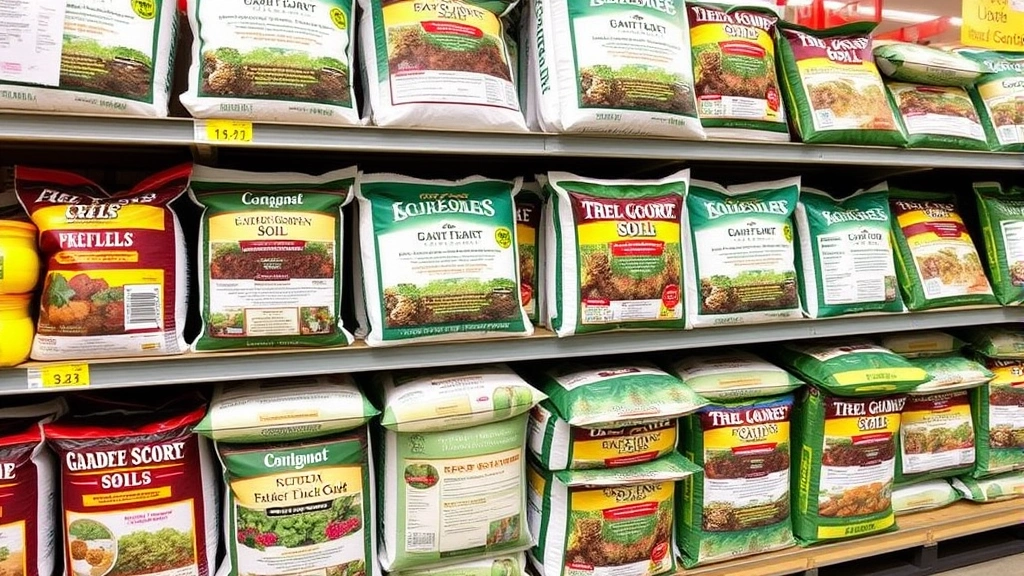
Packaging information tells you everything necessary to make informed decisions about sale soil. Look for the guaranteed analysis, which lists nitrogen (N), phosphorus (P), and potassium (K) percentages. A typical garden soil might show 0.10-0.15-0.10, while potting soils are often more nutrient-rich. The label should specify soil composition—percentages of compost, topsoil, peat moss or coconut coir, and other amendments. Reputable manufacturers list all ingredients transparently.
Check for certifications from the Mulch and Soil Council or similar organizations that verify product standards. These certifications indicate the soil meets industry quality benchmarks. The label should include pH range and organic matter percentage. For gardening tips for beginners, understanding these specifications prevents costly mistakes. Some labels mention beneficial microbes or mycorrhizae—premium additions that justify higher prices but aren’t essential if you plan to amend soil with compost.
Weight information helps determine soil density. Bagged soil typically weighs 40-50 pounds per cubic foot, though lightweight potting mixes weigh less. Denser soil usually indicates better nutrient content but makes handling more difficult. The label should specify whether the soil is sterilized (heat-treated to eliminate weed seeds and pathogens) or unsterilized. Sterilized soil costs more but prevents introducing problematic weeds. Pay attention to any warnings about heavy metals testing or contamination screening—quality suppliers conduct these tests and proudly display results.
Comparing Soil Types and Their Uses
Garden centers typically offer several soil categories, each suited to different purposes. Topsoil is the uppermost layer of natural soil, often used as a base layer in raised beds or for topdressing lawns. It’s less nutrient-rich than amended soils but provides good structure. Potting soil or potting mix is specifically formulated for containers, with excellent drainage and lightweight composition. Garden soil is topsoil amended with compost and organic matter, suitable for most gardening projects. Raised bed soil blends ingredients for optimal performance in enclosed growing spaces.
Compost-based soils contain high percentages of finished compost, offering excellent nutrition for vegetables and hungry ornamentals. These soils are ideal for first-time gardeners since they’re naturally fertile. Peat-based soils use peat moss as the primary ingredient—these are economical but environmentally controversial. Coconut coir-based soils offer sustainable alternatives to peat with similar water retention properties. Specialty soils for acid-loving plants like rhododendrons and blueberries contain sulfur and lower pH.
When evaluating sale soil, match the product type to your project. Using potting soil in a large garden bed wastes money since the lightweight formulation isn’t necessary for in-ground growing. Conversely, using garden soil in containers often leads to drainage problems and root rot. If you’re creating a vertical garden, lightweight potting mixes are essential. For garden decorations or fairy garden ideas, smaller-scale specialty soils make sense despite higher per-unit costs.
Red Flags When Evaluating Bargain Soil
Extremely low prices compared to competing retailers warrant caution. If a garden center sells soil at half the price of nearby stores, the product quality is likely compromised. Soil that’s been exposed to weather without proper covering may have degraded—look for bags that are torn, waterlogged, or showing signs of age. Mold growth on bags indicates moisture problems and potential pathogen contamination.
Bags without ingredient lists or guaranteed analysis labels suggest the seller cut corners on transparency. Avoid soil with an ammonia smell, which indicates incomplete decomposition or anaerobic fermentation. A strong chemical odor suggests contamination or inappropriate additives. Soil that’s extremely light and fluffy might be mostly filler materials with minimal nutritional value. Conversely, hard, compacted soil that doesn’t crumble suggests poor quality or degradation during storage.
Be skeptical of “all-purpose” soil claims—different plants and growing conditions require different soil compositions. If a retailer claims one soil works perfectly for vegetables, ornamentals, containers, and lawns, they’re overselling. Ask questions about sourcing and testing. Reputable suppliers can discuss where their soil originates and what quality control measures they implement. If staff can’t answer basic questions about composition or recommendations, the sale soil may not be worth the savings.
Calculating How Much Soil You Need
Accurate calculations prevent buying too much or too little. For raised beds, multiply length × width × desired depth in inches, then divide by 324 to get cubic yards. A 4×8-foot bed filled 12 inches deep requires approximately 1.2 cubic yards. For in-ground beds, measure the area in square feet and multiply by the depth in feet. Adding 3 inches of compost to a 100-square-foot area requires roughly 9 cubic feet or 0.33 cubic yards.
Container gardening requires different calculations. A 20-gallon pot needs roughly 2.7 cubic feet of soil. Smaller 5-gallon containers need about 0.67 cubic feet. When purchasing bagged soil, one cubic foot typically fills about 7-8 gallons of container space. Landscape supply yards sell soil by the cubic yard (27 cubic feet), which is more economical for large projects than bags.
Add 10-15% extra to your calculations to account for settling and waste. Soil compacts over time, especially in raised beds, so slightly overstocking prevents low spots. When buying on sale, purchasing extra for future projects makes sense if you have proper storage space. Calculate separately for different areas requiring different soil types—don’t assume one product works everywhere.
Storage Tips for Bulk Soil Purchases
Proper storage preserves soil quality, especially if you’re buying large quantities during sales. Keep bagged soil in a cool, dry location away from direct sunlight. Ultraviolet light can degrade beneficial microbes and organic matter. Stacking bags no more than four high prevents bottom bags from compacting. Ensure good air circulation around stored soil to prevent moisture accumulation and mold growth.
If storing bulk soil delivered by landscape suppliers, cover it with a tarp to prevent weather exposure while allowing air circulation underneath. Avoid storing soil directly on concrete, which can leach harmful substances and prevent water drainage. Proper drainage prevents anaerobic conditions that damage soil quality. In humid climates, consider covering stored soil loosely—moisture protection matters, but completely sealed covers can create problems.
Check stored soil periodically for signs of degradation, pest infestation, or mold. Properly stored soil remains usable for 1-2 years, though nutrient content gradually declines. Use older stored soil first and rotate stock when making new purchases. If stored soil develops an off-smell or visible mold, it’s better to discard it rather than risk introducing pathogens to your garden.
Mixing and Amending Sale Soil
Sometimes bargain soil needs enhancement to meet your gardening goals. If sale soil lacks organic matter, mixing in finished compost improves structure and nutrition. A 50/50 blend of basic garden soil with quality compost creates an excellent growing medium at reasonable cost. For vegetables, consider adding slow-release organic fertilizers or bone meal to boost phosphorus and encourage flowering.
Test your soil’s pH before and after amendments if growing acid-loving plants. Adding sulfur lowers pH gradually, while lime raises it. Mix amendments thoroughly before planting—incomplete mixing creates nutrient-rich and nutrient-poor zones. When combining different soil products, ensure they have similar moisture contents. Mixing wet and dry soil creates clumpy, uneven texture.
If purchase soil is compacted, work in perlite or pumice to improve drainage for container gardening. These amendments increase aeration without adding nutrients. For heavy clay soils, coarse sand or aged bark improves drainage, though sand requires careful proportioning—too much creates concrete-like texture. Amendments should comprise no more than 25-30% of final soil volume to maintain proper balance.
FAQ
Is sale soil safe to use immediately after purchase?
Most quality sale soil is safe to plant in immediately. However, if the soil smells unusual or shows signs of contamination, let it sit in a well-ventilated area for several days. This allows any off-gassing to occur. Always check labels for sterilization information—unsterilized soil may contain weed seeds, so you might prefer waiting or mixing with sterilized compost.
How can I tell if sale soil is contaminated?
Contaminated soil often has chemical smells, unusual colors, or visible debris like plastic or metal fragments. If soil comes from questionable sources or lacks sourcing information, request testing before using. Contact your local university extension service for soil testing recommendations—they offer affordable testing that reveals contamination.
Can I use expired sale soil?
Soil doesn’t truly expire, but quality declines over time. Old soil loses nutrient content and beneficial microbes gradually. Using older sale soil in ornamental beds is acceptable, but fresher soil is preferable for vegetable gardens or containers. Check for mold, off-odors, or pest activity before using stored soil.
What’s the difference between garden soil and potting soil on sale?
Garden soil is heavier, denser, and designed for in-ground use. Potting soil is lightweight, drains quickly, and suits containers. Using garden soil in pots often causes waterlogging, while potting soil in gardens settles too much and doesn’t provide adequate structure. Choose the correct type for your project.
Should I mix different brands of sale soil?
Mixing brands is fine if both are quality products. However, ensure they have similar compositions and moisture contents. Mixing peat-based with coir-based soils works well. Blending potting soil with garden soil is acceptable if you’re amending containers, though not ideal. Consistency matters more than brand name.
How do I know if sale soil needs amendments?
Perform a simple jar test: fill a clear jar halfway with soil, add water, and let it settle for 24 hours. Sand settles first, then silt, then clay. If layers are dramatically unbalanced (mostly sand or mostly clay), amendments help. Also conduct a squeeze test—soil should hold together briefly but crumble easily. If it’s too compacted or falls apart completely, amendments are needed.