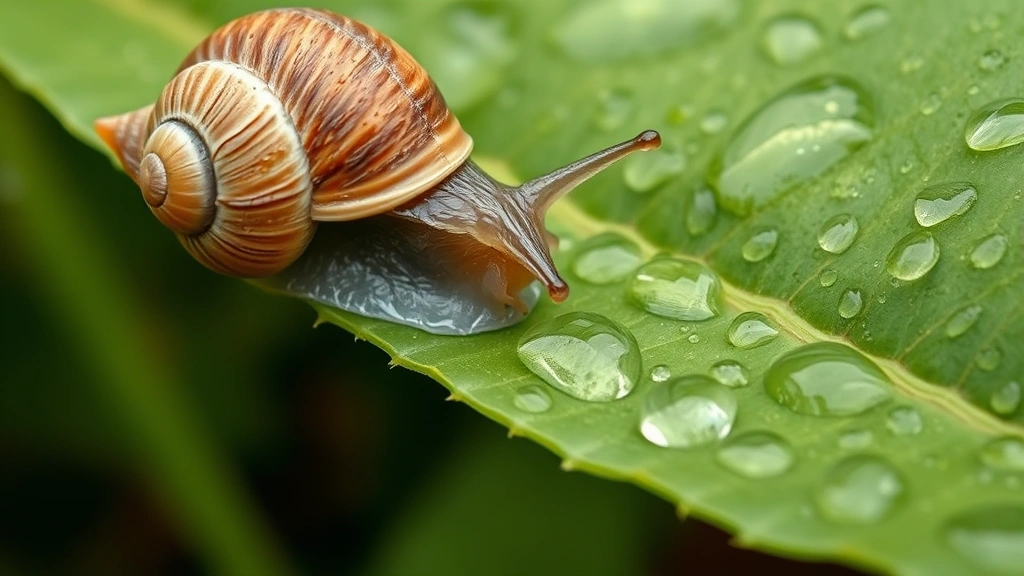
Garden snails are among the most persistent pests that gardeners face, capable of decimating tender seedlings and leaving unsightly slime trails across your prized plants. These gastropods thrive in moist environments and can reproduce rapidly, making early intervention crucial for protecting your garden. Whether you’re growing vegetables, ornamentals, or delicate flowers, understanding how to control garden snails effectively can mean the difference between a thriving garden and one ravaged by these voracious mollusks.
The challenge with garden snail management lies in their resilience and adaptability. These creatures can survive in various conditions, hide in garden debris, and quickly repopulate even after successful control efforts. However, with a comprehensive approach combining multiple strategies, you can significantly reduce snail populations and protect your plants. This guide provides expert-tested methods to help you reclaim your garden from these destructive pests.
Understanding Garden Snail Behavior and Damage
Garden snails are nocturnal creatures that emerge during cool, moist evenings and early mornings to feed on plants. They leave characteristic silvery mucus trails across leaves and soil, making their presence obvious. These mollusks have a broad diet, consuming everything from tender seedlings to mature plant foliage, making them particularly destructive in vegetable gardens and among newly planted ornamentals.
The damage caused by garden snails manifests as irregular holes in leaves, often starting from leaf edges and progressing inward. Unlike insects with chewing mouthparts that create clean cuts, snails rasp away plant tissue using their radula, a ribbon-like structure covered with thousands of tiny teeth. This feeding pattern can quickly defoliate plants, reducing their ability to photosynthesize and weakening overall plant vigor.
Understanding that garden snails need moisture to survive is key to developing an effective control strategy. They require humid conditions to prevent their bodies from drying out, which is why they’re most active during wet weather and hide in protected areas during dry periods. This behavior pattern directly influences the timing and effectiveness of your control measures.
Physical Removal and Barriers
Hand-picking remains one of the most effective and immediate ways to reduce garden snail populations. Early morning or evening searches, when snails are most active, can yield significant results. Wear garden gloves while collecting snails, as they can carry harmful bacteria. Place collected snails in a sealed container with soapy water to humanely eliminate them, or relocate them far from your garden if you prefer not to kill them.
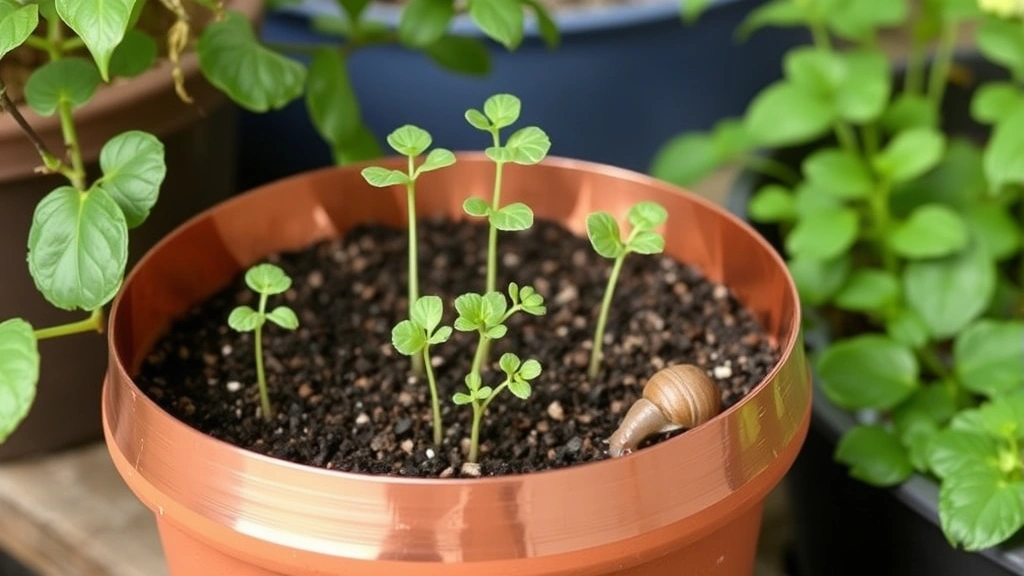
Physical barriers provide excellent long-term protection for vulnerable plants. Copper tape and copper mesh create an inhospitable surface that snails avoid, as the metal creates a mild electrical reaction against their mucus. Install copper barriers around the perimeter of garden pots and hanging baskets, particularly effective for protecting container gardens from snail invasion.
Raised bed gardening offers inherent snail control benefits by elevating plants away from ground-level snail populations. The advantages of raised bed gardening include easier snail management, as barriers can be installed along bed edges more effectively than in ground gardens. Diatomaceous earth, a natural powder made from fossilized diatoms, creates a microscopic barrier that damages snail skin. Food-grade diatomaceous earth applied around plant bases acts as an effective deterrent, though it requires reapplication after rain.
Environmental Management Techniques
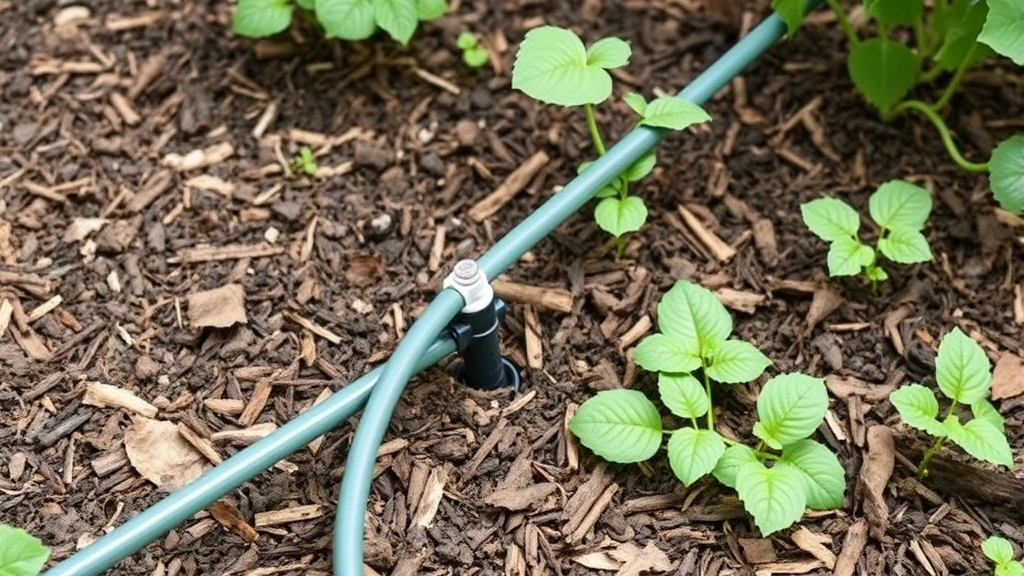
Moisture control represents perhaps the most fundamental aspect of garden snail management. Since snails require humid conditions to survive, reducing excess moisture in your garden directly impacts their survival rates. However, this must be balanced carefully with your plants’ water requirements. Using drip irrigation systems or soaker hoses delivers water directly to plant roots while minimizing leaf wetness, creating less favorable conditions for snails.
A garden irrigation system that operates early in the morning allows foliage to dry quickly as the day warms, reducing the moist environment snails prefer. Avoid evening watering, which extends the period of leaf wetness throughout the snail’s most active hours. Proper spacing between plants improves air circulation, further accelerating moisture evaporation.
Removing garden debris, mulch piles, and dense ground cover eliminates the protective shelters where snails hide during daylight hours. While mulch provides benefits for soil health and weed suppression, using thinner applications and keeping mulch several inches away from plant stems reduces snail harborage. Dense vegetation like ivy or ground covers can harbor large snail populations; consider these carefully when planning your landscape.
Clearing fallen leaves, weeds, and dead plant material removes both shelter and alternative food sources. Many gardeners find that maintaining a cleaner garden environment significantly reduces snail populations within weeks. Installing a garden arbor or trellis system allows better air circulation around climbing plants while reducing ground-level moisture accumulation.
Natural and Organic Control Methods
Beer traps represent an effective organic snail control method that works by attracting snails to containers filled with beer or yeast solutions. Snails are drawn to the fermentation smell and drown in the liquid. Bury shallow containers at soil level around vulnerable plants, filling them with inexpensive beer or a mixture of water, sugar, and yeast. Empty and refill traps every few days for consistent results. This method works best in combination with other control strategies.
Nematodes offer a biological control option for garden snail populations. Certain parasitic nematode species specifically target snails without harming plants or beneficial soil organisms. These microscopic organisms penetrate snail bodies and reproduce within them, effectively reducing populations over time. Apply nematodes according to product instructions, typically requiring moist soil conditions for optimal effectiveness.
Predatory insects and animals provide natural population control. Ground beetles, particularly carabid beetles, consume snail eggs and young snails. Encouraging a diverse garden ecosystem with native plants and minimal pesticide use supports these beneficial predators. Toads, frogs, and certain birds also consume significant numbers of snails, making wildlife-friendly gardening practices valuable for snail management.
Crushed eggshells and coffee grounds scattered around plants create barriers that snails find uncomfortable to cross, though these require frequent reapplication. Some gardeners report success using garlic or chili pepper sprays, though evidence for their effectiveness remains anecdotal. Plant-based repellents like rosemary or lavender oil solutions may deter snails, though they require regular reapplication and show variable results.
Chemical Solutions and When to Use Them
Metaldehyde-based slug and snail baits have been widely used for decades, though they’re increasingly restricted in some regions due to environmental concerns. These baits work by disrupting the snail’s mucus production, causing fatal dehydration. If using metaldehyde products, apply them according to label directions, typically in early evening when snails are active. Keep baits away from areas where children or pets might access them.
Iron phosphate represents a more environmentally friendly chemical option, working by disrupting the snail’s digestive system. Products containing iron phosphate are less toxic to non-target organisms compared to metaldehyde, making them suitable for organic gardening systems. Apply iron phosphate baits around vulnerable plants, following product instructions carefully for proper application rates and timing.
Spinosad, derived from soil-dwelling bacteria, offers another organic-approved option for snail control. While traditionally used for insect pests, certain spinosad formulations are effective against snails. Always verify product labels to ensure the formulation targets snails specifically, as applications and concentrations differ from insect-targeted products.
Chemical control should represent only part of a comprehensive management strategy rather than a sole solution. Over-reliance on chemicals can lead to resistance development and environmental contamination. Use chemical controls strategically during peak snail activity periods or when other methods prove insufficient.
Preventative Strategies for Long-Term Success
Creating an integrated pest management approach combining multiple control methods yields the best long-term results for garden snail management. Rotating between different control strategies prevents snails from adapting to any single method. For instance, alternating hand-picking weeks with barrier installation and environmental modifications maintains consistent pressure on snail populations.
Selecting snail-resistant plants for your garden reduces vulnerability to snail damage. Many plants develop thick, waxy, or hairy leaves that snails find less palatable. Herbs like sage, oregano, and thyme generally resist snail feeding better than tender lettuce varieties. When establishing new garden areas, prioritize snail-resistant species whenever possible while maintaining plant diversity for garden health.
Fairy garden ideas often involve delicate plants requiring special snail protection. Container gardening with copper barriers proves particularly effective for protecting sensitive ornamentals and specialty plants. Isolating vulnerable specimens in protected containers while managing snails in surrounding garden areas allows you to maintain diverse plantings without total population elimination.
Monitoring garden snail populations regularly helps you adjust control strategies before damage becomes severe. Keep records of snail sightings, damage patterns, and control method effectiveness. This information guides future decisions about which approaches work best in your specific garden conditions. Many extension services provide free resources for identifying snails and monitoring population trends.
Educating yourself about local snail species and their specific habitat preferences enhances control effectiveness. Different snail species have varying temperature tolerances, reproduction rates, and food preferences. Understanding your specific snail population’s characteristics allows you to tailor control strategies for maximum impact. Regional extension services and horticultural societies can help identify which snail species predominate in your area.
FAQ
What time of year are garden snails most active?
Garden snails are most active during spring and fall when temperatures are cool and moisture is abundant. However, in regions with mild winters, they can remain active year-round. They’re most visible after rain or during humid weather when moisture levels remain high throughout the day.
Can garden snails cause serious damage to established plants?
While established plants can tolerate more snail damage than seedlings, heavy snail infestations can significantly reduce plant vigor and productivity. Young transplants and tender seedlings face the greatest risk of death from snail feeding. Regular monitoring prevents minor snail populations from becoming severe infestations.
Are all snail control methods safe for vegetable gardens?
Not all methods are equally safe for edible gardens. Copper barriers and hand-picking pose no risk to vegetables. Organic-approved options like iron phosphate and spinosad are safe when applied according to label directions. Always verify that chemical products are approved for use on edible crops before application.
How long does it take to see results from snail control efforts?
Hand-picking produces immediate visible results, removing snails within hours. Environmental modifications like improved drainage and debris removal typically show results within one to two weeks as conditions become less favorable for snails. Biological controls like nematodes may require two to three weeks to significantly impact populations.
Will eliminating all garden snails harm my garden ecosystem?
Complete snail elimination isn’t necessary or recommended. Snails play roles in breaking down dead organic matter and serve as food sources for beneficial wildlife. The goal is population management to acceptable levels rather than total eradication. Maintaining some snail populations supports a balanced garden ecosystem.


