
Are Garden Shoes Necessary? Pro Gardener Insights
The question of whether garden shoes are truly necessary often divides gardeners into two camps: those who swear by specialized footwear and those who believe any sturdy shoe will suffice. After years of working in various garden environments—from dense vegetable patches to ornamental landscapes—I can tell you that the answer is more nuanced than a simple yes or no. Garden shoes represent an investment in both comfort and protection, but their necessity depends on your gardening style, the terrain you work with, and how seriously you take foot health during extended outdoor work.
What many casual gardeners don’t realize is that proper footwear can dramatically change your gardening experience. You’ll spend less time dealing with foot pain, blisters, and moisture-related issues, and more time actually enjoying your plants. Throughout this guide, I’ll share professional insights about when garden shoes are essential, what features matter most, and how to choose the right pair for your specific gardening needs.
Why Garden Shoes Matter
Dedicated garden shoes aren’t just marketing hype—they’re engineered specifically for the unique demands of gardening work. Unlike regular sneakers or casual shoes, quality garden footwear addresses moisture management, foot support during repetitive bending motions, and protection from sharp objects that naturally occur in soil. When you’re working with watering systems and hoses or digging in compacted earth, your feet endure stresses that standard shoes simply aren’t designed to handle.
The primary advantage of garden shoes is their drainage capability. Regular shoes absorb water and trap moisture against your skin, creating an environment where blisters develop rapidly and fungal infections thrive. Garden shoes feature perforated uppers, mesh panels, or materials specifically chosen to shed water quickly while still providing structural support. After spending four hours in a garden during spring preparation season, your feet will thank you for choosing appropriate footwear.
Professional gardeners and landscape architects consistently report that investing in proper garden shoes reduces fatigue by up to 30% during extended work sessions. This isn’t coincidental—it’s the result of proper arch support, shock absorption in the heel, and weight distribution across the entire foot. When you’re constantly moving between raised beds, vertical garden structures, and ground-level planting areas, your feet need the right support system.
Foot Protection and Safety Concerns
One aspect that casual gardeners frequently underestimate is the genuine safety hazard that unprotected feet face in garden environments. Sharp rocks, broken glass, rusty nails, thorny plants, and hardened soil clumps can cause serious injuries. I’ve treated colleagues with puncture wounds, deep cuts, and infections that could have been prevented with appropriate footwear. Garden shoes with reinforced soles provide a critical barrier between your feet and these hazards.
The risk escalates significantly when you’re using sharp garden shears and other cutting tools. A moment of lost balance while pruning roses or working with thorny shrubs could result in a tool contacting your foot. Steel-toed garden shoes offer protection that regular canvas sneakers cannot provide. Additionally, if you’re dealing with wildlife protection measures or setting up barriers and fencing, reinforced footwear becomes even more important.
Soil-borne pathogens represent another serious concern that gardeners should consider. Puncture wounds in garden environments can introduce bacteria like tetanus into your system. Garden shoes with puncture-resistant soles significantly reduce this risk. Furthermore, those who have compromised immune systems, diabetes, or circulation issues should absolutely prioritize proper garden footwear as a health necessity rather than a luxury.
Terrain and Weather Conditions
The necessity of garden shoes varies considerably based on your specific gardening environment. If you maintain a small container garden on a paved patio, your footwear needs differ dramatically from someone managing a sprawling quarter-acre vegetable plot with mixed terrain. Let me break down how different conditions affect your shoe requirements:
- Wet soil and clay: Heavy clay soil becomes slippery when wet, and regular shoes offer minimal traction. Garden shoes with aggressive tread patterns prevent slipping and reduce the strain on your ankles and knees.
- Rocky or uneven terrain: Uneven ground demands shoes with ankle support and cushioning. Twisted ankles are among the most common gardening injuries, and proper footwear prevents many of these incidents.
- Extended wet-weather gardening: If you garden during spring rains or maintain your beds year-round in damp climates, waterproof or water-resistant garden shoes become essential rather than optional.
- Gravel paths and mulched areas: Small stones and sharp mulch pieces constantly work their way into regular shoes, causing discomfort. Specialized garden shoes shed these materials more effectively.
Seasonal considerations matter tremendously. Spring gardening when soil is saturated demands different footwear than summer work. Winter gardening might require insulated garden boots, while late summer might allow for lighter options. Rather than buying one pair of shoes for all seasons, many experienced gardeners maintain two or three pairs suited to different conditions.
Essential Features to Look For
Not all garden shoes are created equal. When evaluating options, prioritize these critical features:
- Drainage and breathability: Look for perforated uppers, mesh panels, or materials like neoprene that allow water to escape while maintaining some water resistance. Your feet should dry within 15-20 minutes of leaving wet conditions.
- Sole construction: A good garden shoe has a slip-resistant sole with deep treads, ideally made from rubber or similar materials that maintain grip in wet conditions. Puncture-resistant technology adds valuable protection.
- Ankle support: Mid-cut or high-cut designs provide stability on uneven terrain. This becomes increasingly important as you age or if you have any history of ankle issues.
- Cushioning and arch support: Extended gardening sessions demand proper shock absorption. Quality insoles or built-in cushioning reduce foot fatigue significantly.
- Lightweight construction: Heavy shoes cause fatigue faster than lighter options. Garden shoes should weigh less than regular hiking boots while maintaining protection.
- Easy cleaning: Garden footwear gets dirty—a lot. Shoes that can be quickly rinsed with a hose and dried completely are far more practical than those requiring careful maintenance.
- Durability in wet environments: Materials should resist rotting, mildew, and deterioration from constant moisture exposure. Quality stitching and sealed seams matter tremendously.
When trying on garden shoes, wear the socks you’ll actually use while gardening. Your feet swell during work, so try shoes later in the day. There should be a thumb’s width of space between your longest toe and the shoe’s end. Tight shoes cause blisters; loose shoes allow your foot to slide during work, creating friction injuries.

Types of Garden Shoes Explained
Clog-style garden shoes: These lightweight, slip-on options offer excellent drainage and quick drying. They’re ideal for warm-weather gardening and casual work sessions. However, they provide minimal ankle support and aren’t suitable for uneven terrain or extended work periods.
Garden boots: Reaching mid-calf or higher, these boots provide maximum protection and support. They’re essential for serious gardeners working in challenging conditions. Insulated versions work for fall and winter gardening. The trade-off is weight and the longer time required to put them on and take them off.
Water shoes or amphibious options: Originally designed for water sports, these shoes have become popular among gardeners who frequently work in wet conditions. They drain rapidly, dry quickly, and offer good traction. Some include reinforced soles for added protection.
Traditional garden sneakers: These look like regular athletic shoes but feature drainage holes, water-resistant uppers, and specialized soles. They’re versatile enough for both gardening and casual wear, making them practical for those who want one pair serving multiple purposes.
Specialized work boots: Professional-grade options include steel-toed varieties, puncture-resistant soles, and heavy-duty construction. These are genuinely necessary if you’re doing serious landscaping or managing large properties.
Durability and Long-Term Investment
Quality garden shoes represent a sound investment when you consider the cost per wear over multiple seasons. A decent pair costs $60-120 and typically lasts 2-3 years with regular gardening use. That breaks down to roughly $0.05-0.10 per hour of gardening, assuming 300-400 hours of annual use. Compare this to the cost of treating blisters, infections, injuries, or the productivity loss from foot pain, and the investment becomes clearly justified.
Cheap garden shoes often fail within a single season. Soles separate, seams split, and materials deteriorate rapidly when exposed to constant moisture. Investing in mid-range to higher-quality brands ensures your shoes will actually protect your feet for multiple seasons. Brands that specialize in garden and outdoor work typically offer better performance than general athletic shoe manufacturers.
Proper maintenance extends shoe lifespan considerably. Always rinse your garden shoes after use, especially after working in muddy conditions. Allow them to air dry completely—never use direct heat sources like dryers or heaters, which damage materials. Store them in a well-ventilated area where moisture can escape. Occasionally treat them with waterproofing products designed for garden shoes to restore water resistance.
When Alternatives Might Work
There are legitimate situations where specialized garden shoes might not be absolutely necessary. If you maintain a small container garden on a clean patio, work only during dry conditions, and limit your sessions to 30 minutes or less, regular athletic shoes might suffice. Similarly, if you’re simply watering established beds with an expandable garden hose or doing light maintenance in your decorative garden spaces, casual footwear might work temporarily.
However, I’d caution against this approach for most gardeners. The moment you start serious digging, planting, pruning with quality garden shears, or working in wet conditions, proper footwear becomes genuinely necessary. Many gardeners who initially resist buying garden shoes eventually purchase them after experiencing foot pain, blisters, or moisture-related issues.
Some people attempt to use old hiking boots or work boots as garden shoes. While these offer protection, they’re often too heavy, don’t drain properly, and lack the specific features that make garden shoes practical. They’re a compromise solution that rarely works well long-term.
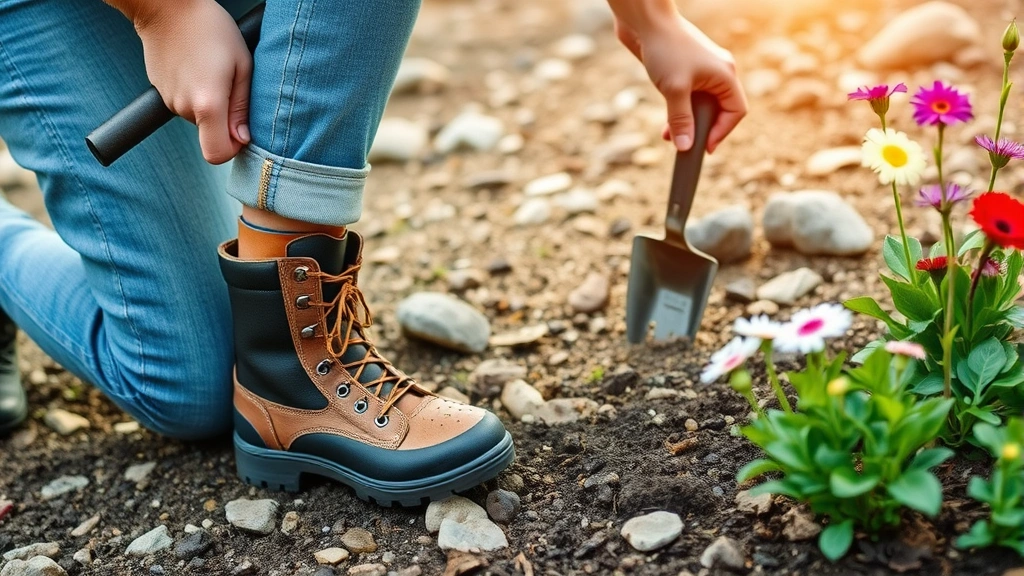
If you’re on a tight budget, consider purchasing one good pair of mid-range garden shoes rather than multiple cheap pairs. Focus on the features that matter most for your specific gardening style. You can also check for seasonal sales at garden centers and outdoor retailers, where quality shoes often go on sale at the end of seasons.
FAQ
Do I really need special garden shoes, or will regular sneakers work?
Regular sneakers absorb water, trap moisture, and lack the drainage features that garden shoes provide. While they might work for brief, dry-weather tasks, extended gardening sessions almost always result in blisters, foot pain, and potential fungal infections. Specialized garden shoes are genuinely designed for the moisture and uneven terrain you encounter while gardening, making them worth the investment if you garden regularly.
What’s the best type of garden shoe for wet climates?
In consistently wet climates, water shoes or amphibious garden footwear excel because they’re designed to shed water rapidly and dry quickly. Alternatively, waterproof garden boots with breathable linings offer maximum protection while still allowing some moisture escape. Avoid fully sealed shoes that trap moisture inside; the goal is quick drainage and rapid drying.
How much should I expect to spend on quality garden shoes?
Quality garden shoes typically range from $60-150, depending on features and brand. Mid-range options ($75-100) offer excellent value for most home gardeners. Professional-grade shoes with specialized features like puncture-resistant soles or steel toes cost more but last longer and provide additional protection. Consider it an investment that pays dividends through reduced foot pain and injury prevention.
Can I wear garden shoes for other outdoor activities?
Many garden shoes work well for casual outdoor activities like light hiking, yard work beyond gardening, or outdoor hobbies. However, specialized hiking boots or trail shoes will outperform garden shoes on challenging terrain. Garden shoes represent a compromise designed specifically for gardening’s unique demands rather than optimized for other activities.
How often should I replace my garden shoes?
With regular use (300-400 hours annually), quality garden shoes typically last 2-3 years before cushioning breaks down and drainage features deteriorate. Watch for signs like reduced traction, visible sole wear, water no longer draining properly, or visible material deterioration. Some gardeners replace one pair annually and rotate between two pairs to extend overall lifespan.
Are expensive garden shoe brands worth the premium?
Premium brands often justify their cost through superior materials, better drainage systems, enhanced durability, and improved comfort features. However, mid-range brands frequently offer excellent value. The most important factor is choosing shoes with the specific features your gardening conditions demand, whether that comes from a budget or premium brand.


