Garden Pizza Recipe: Chef’s Favorite Ingredients from Your Backyard
There’s something uniquely satisfying about creating a pizza topped entirely with ingredients you’ve grown yourself. A garden pizza represents the pinnacle of farm-to-table dining, combining fresh herbs, vibrant vegetables, and homemade dough into a culinary masterpiece that tastes infinitely better than any store-bought alternative. When you harvest basil at peak flavor, pick sun-warmed tomatoes, and gather crisp greens moments before cooking, you’re not just making dinner—you’re celebrating the fruits of your gardening labor.
This comprehensive guide walks you through cultivating the essential ingredients for an exceptional garden pizza, from selecting the right varieties to harvesting at optimal times. Whether you’re a seasoned gardener or just beginning your growing journey, you’ll discover how to plan a dedicated pizza garden that produces abundantly throughout the season, ensuring you always have fresh toppings ready for your next culinary creation.
Planning Your Pizza Garden
Creating a dedicated pizza garden requires thoughtful planning to maximize both space and productivity. Start by assessing your available growing area—whether you’re working with a small balcony, a sunny corner, or an expansive backyard. Raised bed gardening offers exceptional advantages for pizza gardens, providing superior drainage, easier access for harvesting, and the ability to optimize soil composition for your chosen plants.
The ideal pizza garden location receives a minimum of six to eight hours of direct sunlight daily, preferably more. Most pizza ingredients—particularly tomatoes, basil, and peppers—are sun-worshippers that produce maximum flavor and yield when basking in abundant light. Before breaking ground, observe how sunlight moves across your potential garden area throughout the day and across different seasons.
Consider your climate zone and growing season length. The USDA Plant Hardiness Zone Map helps determine which varieties will thrive in your region. In cooler climates, you might need to start seeds indoors and use season extensions like row covers or cold frames. Warmer zones allow for longer growing seasons and even year-round pizza gardening with proper planning.
Space your plants appropriately based on mature size. Tomatoes need sturdy support systems and air circulation, while basil and other herbs can be planted more densely. Create pathways for easy access—you’ll be harvesting frequently throughout the season. Sketch your garden layout before planting, accounting for taller plants that might shade shorter ones.
Essential Herbs for Authentic Flavor
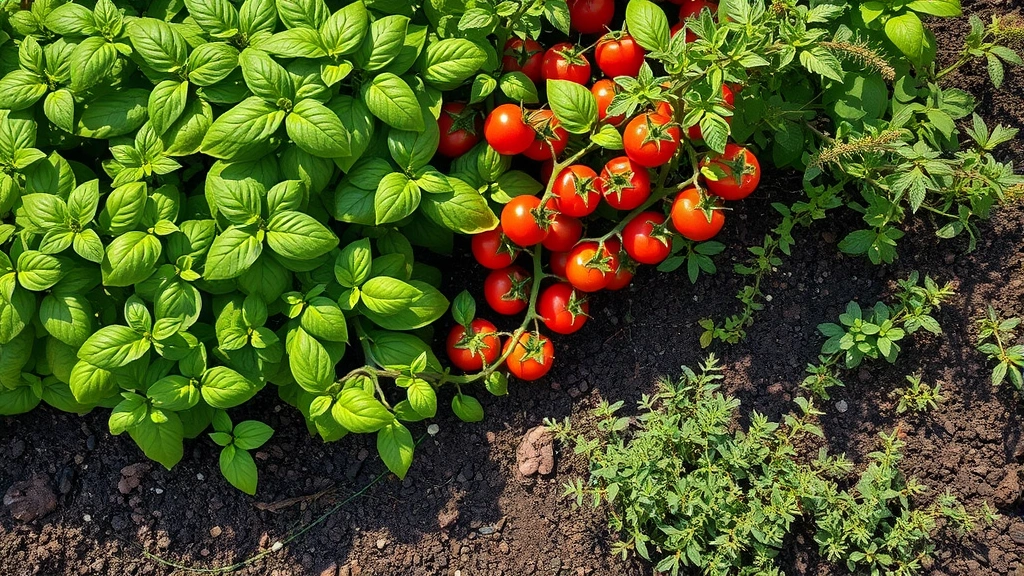
No garden pizza achieves authentic Italian flavor without fresh basil—the undisputed king of pizza herbs. Sweet basil (Ocimum basilicum) is the classic choice, offering that distinctive peppery-anise flavor that defines Margherita pizza. Plant basil after your last frost date, as it’s extremely sensitive to cold. Pinch off flower buds regularly to encourage bushier growth and prevent the plant from becoming woody.
Beyond sweet basil, experiment with specialty varieties that add depth to your pizza creations. Thai basil brings a licorice-like complexity perfect for fusion-style pizzas, while lemon basil adds bright citrus notes. African Blue basil produces stunning purple flowers alongside flavorful leaves. An indoor herb garden extends your basil season into cooler months, allowing you to enjoy fresh harvests year-round.
Oregano and marjoram are perennial powerhouses that return year after year, providing robust, earthy flavors essential to traditional pizza seasoning. Plant them in well-draining soil and allow them to spread—they’re prolific producers that appreciate minimal fussing. Oregano actually intensifies in flavor as it matures, making established plants superior to young ones.
Fresh thyme adds sophisticated herbaceous notes that complement both vegetable and meat toppings. Plant creeping thyme varieties that spread attractively while producing abundant harvestable foliage. Rosemary, another Mediterranean staple, brings pine-like intensity perfect for herb-forward pizzas, though it requires excellent drainage and warm conditions.
Don’t overlook parsley and chives, which provide fresh finishing touches and garnish appeal. Italian flat-leaf parsley offers superior flavor to curly varieties. Plant these herbs densely—they’re prolific and quickly regenerate after harvesting. For maximum herb production throughout the season, succession plant basil every three weeks, ensuring continuous supply as earlier plantings mature.
Growing Premium Tomato Varieties
Tomatoes form the flavor foundation of exceptional garden pizzas, making variety selection critically important. San Marzano tomatoes, the gold standard for pizza sauce, produce elongated fruits with fewer seeds, thinner walls, and concentrated flavor perfect for sauce-making. These indeterminate varieties require substantial support and patience—they often take longer to produce than determinate types but reward you with superior results.
For fresh pizza topping slices, choose beefsteak varieties like Brandywine, Cherokee Purple, or Mortgage Lifter. These large-fruited heirlooms offer complex flavor profiles and meaty texture that won’t make your pizza soggy. Cherry and grape tomatoes add sweetness and visual appeal—try Sungold for exceptional sugar content and flavor intensity.
Consider growing a mix of determinate and indeterminate varieties. Determinate types produce their entire crop within a concentrated period, excellent for making sauce in bulk. Indeterminate varieties produce continuously throughout the season, ensuring fresh tomatoes for pizzas whenever you desire. Plant tomatoes in rich, well-amended soil with consistent moisture—fluctuating water availability causes cracking and blossom end rot.
Start seeds indoors six to eight weeks before your last frost date, or purchase healthy transplants. Space plants three feet apart to ensure adequate air circulation, reducing disease pressure. Prune suckers on indeterminate varieties and remove lower foliage as plants grow, improving airflow and disease resistance. Install sturdy cages or stakes immediately upon planting—waiting until plants are large makes installation difficult and risks root damage.
Monitor for common tomato pests and diseases, particularly early and late blight. Remove affected foliage promptly, water at soil level rather than overhead, and ensure adequate spacing. Many gardeners achieve outstanding success by simply removing lower foliage as plants mature, dramatically improving air circulation and disease resistance without requiring chemical interventions.
Vegetables That Elevate Your Pizza
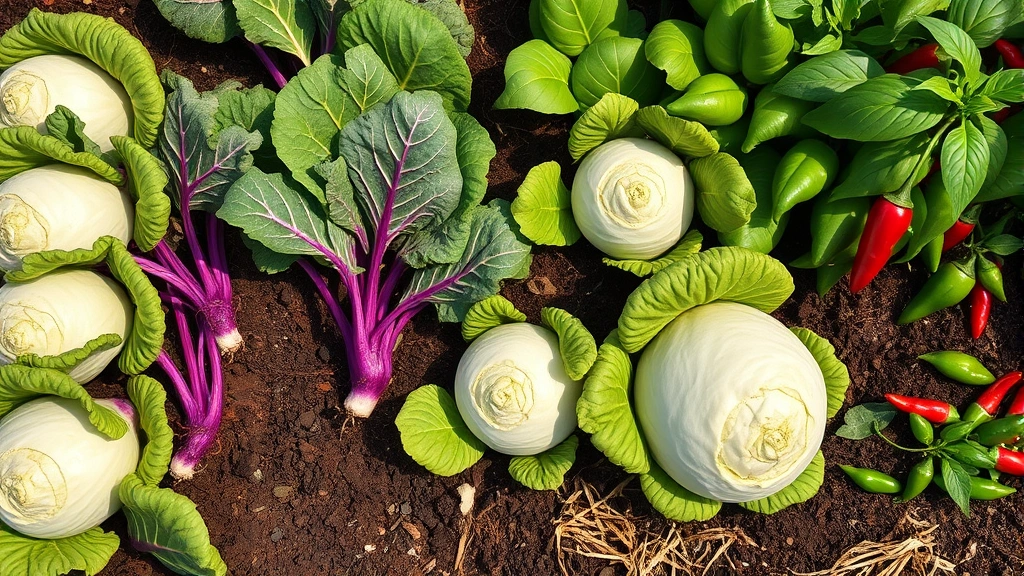
Beyond tomatoes and herbs, numerous vegetables transform basic pizza into gourmet creations. Bell peppers—whether red, yellow, orange, or green—add sweetness, crunch, and vibrant color. Start pepper seeds indoors ten weeks before your last frost date, as they appreciate warm conditions and need extended growing seasons. Space plants eighteen inches apart in full sun and rich soil. Peppers are somewhat drought-tolerant but produce more abundantly with consistent moisture.
Onions, particularly red and sweet varieties like Vidalia, provide aromatic depth. While growing onions from seed requires patience, purchasing sets or transplants accelerates the process. For pizza purposes, harvest at the immature stage when bulbs are still tender and mild. Green onions/scallions mature faster and offer year-round growing possibilities in most climates.
Mushrooms add earthy umami richness that elevates pizza to restaurant quality. Growing mushrooms requires different techniques than traditional vegetables—they prefer shade, high moisture, and rich organic matter. Oyster mushrooms are most beginner-friendly, thriving on straw or sawdust substrates in shaded areas. Oregon State University Extension offers excellent mushroom cultivation guides.
Spinach and other leafy greens create nutritious pizza foundations or toppings. Growing garden lettuce and similar greens requires minimal space and produces continuously with succession planting. These cool-season crops thrive in spring and fall, making them perfect for extending your pizza-growing season into shoulder months.
Garlic, planted in fall for spring harvest, provides pungent flavor that transforms pizza profiles. Divide bulbs into individual cloves and plant two inches deep, six inches apart. Garlic needs cold winter dormancy to develop properly, making fall planting essential. Harvest when foliage yellows, typically in early summer, then dry for several weeks before storing.
Zucchini and summer squash produce abundantly from just a few plants, offering tender slices perfect for grilled pizza applications. Plant seeds directly in warm soil after frost danger passes, spacing plants two feet apart. These vigorous growers appreciate consistent moisture but tolerate somewhat neglected conditions. Harvest frequently when fruits are small and tender—large mature squash become woody and less flavorful.
The Perfect Pizza Dough Foundation
While not strictly a garden crop, the flour foundation of your pizza dough deserves consideration in your overall pizza-growing philosophy. High-quality bread flour produces superior crust structure and chew compared to all-purpose flour. Some adventurous gardeners even grow wheat varieties suited to their climate, though this requires specialized equipment for threshing and milling.
Your pizza garden’s success depends partly on complementary ingredients. Fresh garlic grown in your garden transforms simple dough into aromatic perfection. Herbs like rosemary and oregano infused into olive oil create exceptional finishing touches. Even growing your own wheat grass (unrelated to grain wheat) provides fresh chlorophyll-rich garnish that impresses diners.
The timing between harvesting garden ingredients and pizza preparation profoundly affects final flavor. Ideally, harvest basil, oregano, and other herbs within an hour of cooking. Tomatoes picked at peak ripeness—still warm from the sun—deliver incomparable sweetness and acidity balance. This immediacy is impossible to achieve with store-bought ingredients, making homegrown pizza truly special.
Harvesting and Timing
Proper harvesting technique ensures continuous production throughout your growing season. For herbs like basil, pinch or cut from the top of the plant, removing growing tips rather than lower foliage. This encourages bushier growth and prevents premature flowering. Harvest in morning after dew dries but before heat peaks—herbs are most flavorful and hydrated at this time.
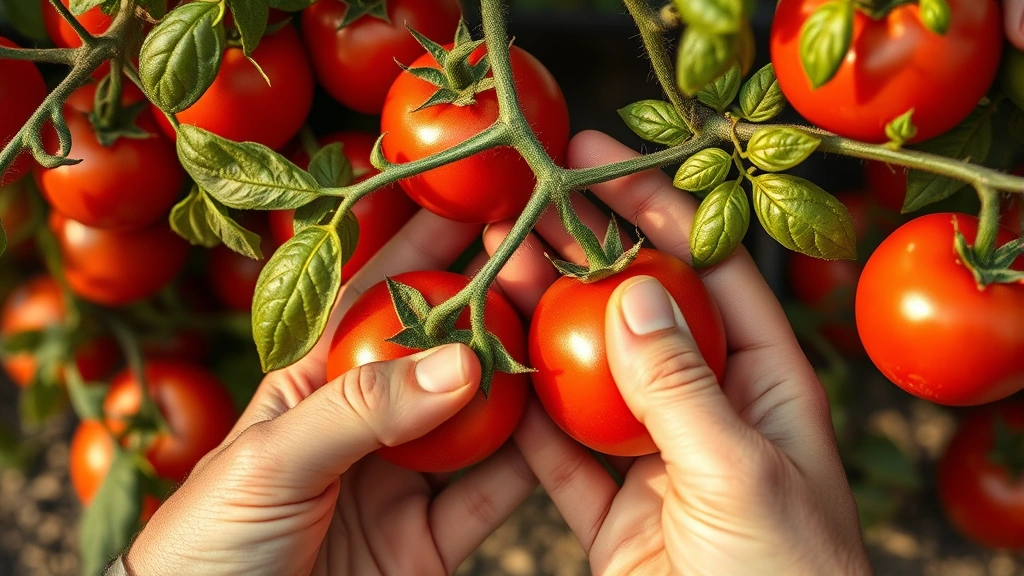
Tomatoes should reach full color maturity before harvesting, though they can finish ripening off the vine if necessary. Gently twist fruits while cradling the branch, or use pruning shears to avoid damaging plants. Never pull tomatoes forcefully—the plant’s integrity matters for continued production. Handle ripe tomatoes gently to prevent bruising and spoilage.
Peppers can be harvested green for firmer texture or allowed to mature into sweeter, fully-colored fruits. Use pruning shears rather than pulling, protecting the plant from damage. Consistent harvesting encourages continued flowering and fruit production—plants that retain mature fruits slow new flower production.
For leafy greens, harvest outer leaves while allowing the plant to continue growing, or cut entire plants at soil level for varieties that regenerate. Morning harvesting ensures maximum crispness. Store greens in plastic bags in your refrigerator crisper drawer for extended freshness.
Garlic readiness is indicated by yellowing foliage—typically late spring or early summer. Carefully dig bulbs to avoid bruising, then cure in a warm, airy location for three to four weeks before removing foliage. Properly cured garlic stores for months in cool, dry conditions.
Seasonal Considerations
Your pizza garden’s productivity varies seasonally, requiring strategic planning for year-round enjoyment. Spring brings cool-season crops like lettuce, spinach, and early-season herbs. Plant these as soon as soil becomes workable, succession planting every two weeks for continuous harvests before summer heat arrives.
Summer is pizza season’s peak, with tomatoes, peppers, basil, and other warm-season crops producing abundantly. Ensure consistent watering during hot periods—most vegetables require one to two inches weekly, more during extreme heat. Mulch heavily to conserve moisture and moderate soil temperature. Monitor for pests and diseases more frequently as warm, humid conditions favor their development.
Fall offers a second growing season opportunity in most climates. Plant cool-season crops in late summer for fall and early winter harvest. Some herbs like oregano and thyme remain productive year-round in mild climates. In colder regions, protect perennial herbs with mulch or grow them in containers you can move indoors.
Winter gardening depends entirely on your climate. In frost-free zones, you can grow cool-season crops continuously. In colder regions, use garden tools and season extensions like cold frames or low tunnels to protect plants. Many gardeners move herbs indoors during winter, maintaining basil and other tender varieties on sunny windowsills until spring returns.
Plan for storage and preservation when your garden produces abundantly. Freeze tomato sauce, dry herbs for winter use, or preserve garlic by making garlic confit. These preservation methods extend your pizza garden’s benefits throughout the year, ensuring you can make garden pizza even when fresh harvests aren’t available.
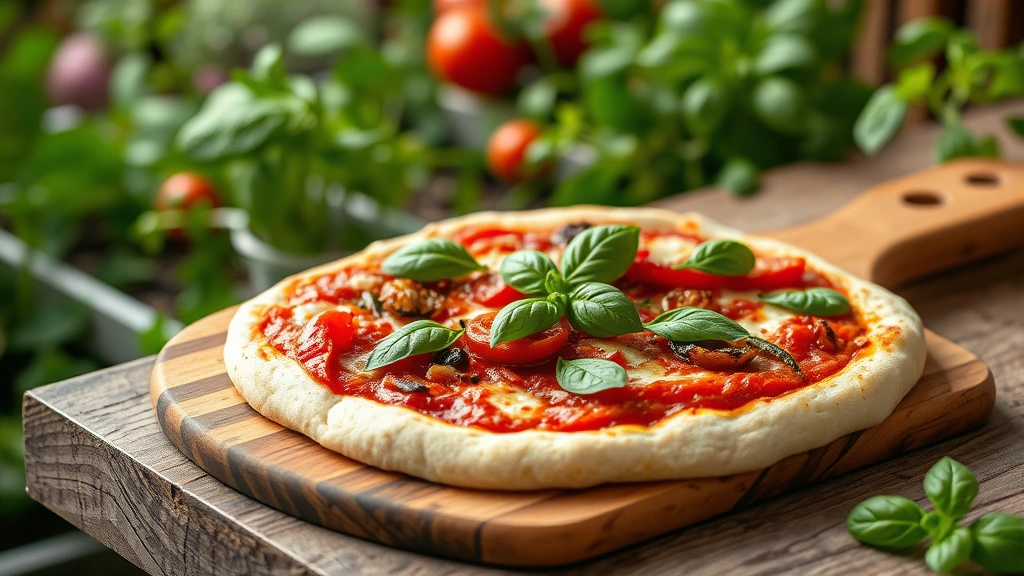
Consider garden decor that celebrates your pizza-growing efforts. Decorative herb markers, rustic signs, or even pizza oven outdoor installations transform your growing space into a functional garden room. Many gardeners find that investing in their pizza garden’s aesthetics increases motivation for maintenance and harvesting.
FAQ
Can I grow a pizza garden in containers?
Absolutely! Container gardening works exceptionally well for pizza ingredients. Use containers at least twelve inches deep for herbs and leafy greens, eighteen to twenty-four inches for tomatoes and peppers. Ensure excellent drainage and use high-quality potting soil. Container plants require more frequent watering than ground-planted counterparts, particularly during hot seasons. Group containers together to create a cohesive pizza garden aesthetic on patios, balconies, or small spaces.
How do I prevent my homegrown tomatoes from becoming watery on pizza?
Several techniques reduce pizza sogginess. First, select meaty varieties like San Marzano or beefsteak tomatoes rather than watery slicing types. Second, seed and drain tomato slices on paper towels before topping your pizza. Third, apply tomato slices near the end of pizza preparation to minimize moisture absorption into dough. Finally, consider making tomato sauce rather than using fresh slices—sauce concentrates flavors and controls moisture content precisely.
When should I start seeds for my pizza garden?
Timing depends on your last frost date and individual crop requirements. Start tomato and pepper seeds indoors six to ten weeks before your last frost date. Direct sow herbs and cool-season greens after frost danger passes. In fall, succession plant cool-season crops eight to ten weeks before your first expected frost. Check your local frost date information for precise timing in your region.
Can I grow pizza ingredients year-round?
In frost-free climates, yes! Plant cool-season crops in fall and winter, warm-season crops in spring and summer. In colder regions, use season extensions like cold frames, row covers, or low tunnels. Many gardeners move tender herbs indoors during winter. Local Master Gardener Programs provide region-specific advice for extending growing seasons in your climate.
What’s the best way to store fresh-harvested pizza ingredients?
Herbs like basil deteriorate quickly—store in water at room temperature like flowers, or wrap in damp paper towels in the refrigerator for several days. Tomatoes keep best at room temperature, never refrigerated, as cold damages flavor compounds. Peppers and onions store in the refrigerator crisper drawer for weeks. Garlic keeps for months in cool, dry conditions. Leafy greens store in plastic bags in the refrigerator crisper for five to seven days.
How do I deal with common pizza garden pests?
Monitor plants regularly for pest presence—early detection enables intervention before significant damage occurs. For aphids on basil and other herbs, spray with water or insecticidal soap. For tomato hornworms, hand-pick or encourage natural predators. For spider mites in hot, dry conditions, increase humidity and remove affected foliage. For slugs and snails, remove hiding places like dense mulch near plants, or use beer traps. Most organic gardeners successfully manage pests through cultural practices rather than chemical interventions.