Discover Garden of the Gods IL: A Visitor’s Guide
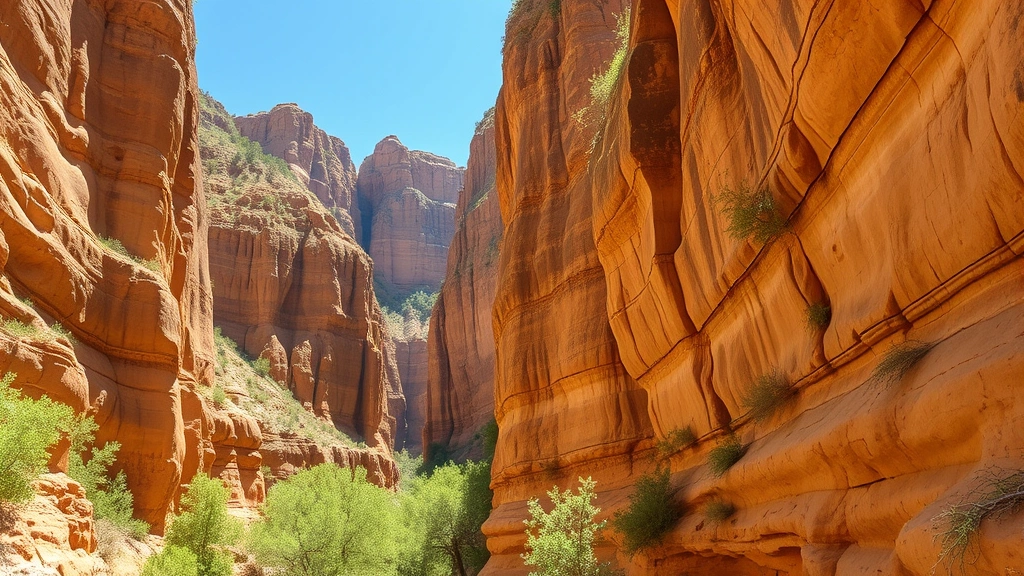
Garden of the Gods in Illinois stands as one of the Midwest’s most spectacular natural attractions, showcasing dramatic sandstone cliffs, lush vegetation, and winding hiking trails that attract thousands of visitors annually. Located in the Shawnee National Forest near Pomona, this geological wonder offers breathtaking views and diverse ecosystems that make it a paradise for nature enthusiasts, photographers, and gardeners seeking inspiration from natural landscapes.
Whether you’re planning your first visit or returning to explore new trails, understanding what makes this destination special will enhance your experience. From the unique plant communities thriving on the canyon walls to the seasonal changes that transform the landscape throughout the year, Garden of the Gods IL presents an ever-changing tapestry of natural beauty that rivals more famous destinations across the United States.
Location and Getting There
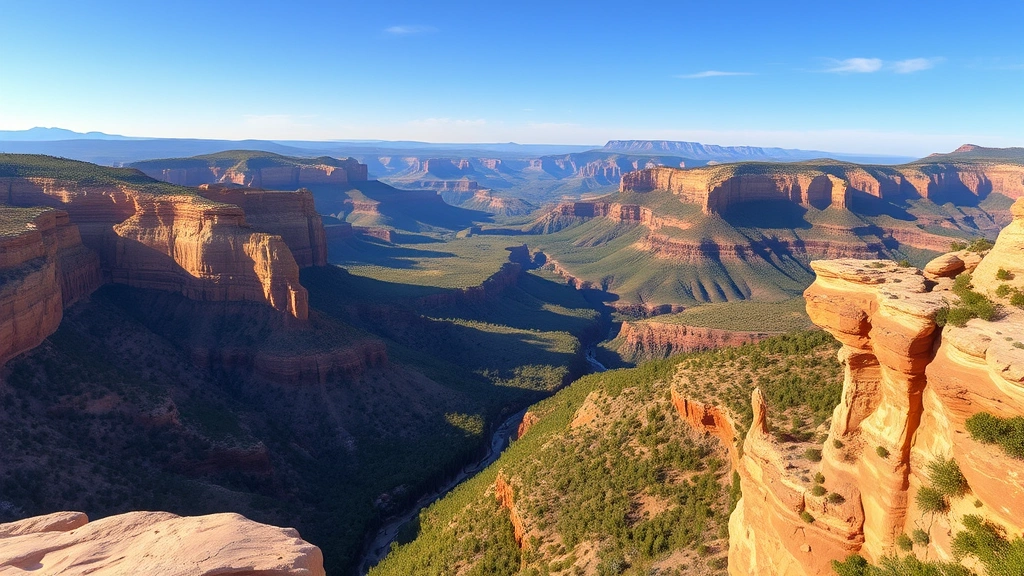
Garden of the Gods IL is situated in Pope County within the Shawnee National Forest, approximately 50 miles south of Carbondale and about 300 miles south of Chicago. The main parking area and trailhead are easily accessible via Illinois Route 146, making it convenient for day trips from across the region. The site sits at an elevation where visitors can enjoy panoramic views of the surrounding Illinois landscape, a rarity in this relatively flat state.
The drive to Garden of the Gods takes you through some of southern Illinois’s most scenic countryside. If you’re traveling from the north, take Interstate 57 south toward Carbondale, then head southeast toward Pomona. The journey itself offers opportunities to spot native plants and wildlife characteristic of the region. Once you arrive, ample free parking is available near the main trailhead, though spaces can fill quickly during peak season weekends and holidays.
For those interested in combining their visit with other outdoor activities, consider planning a trip that includes nearby natural areas. Many visitors enjoy exploring multiple sites in the Shawnee National Forest during a single weekend excursion, maximizing their time in this botanically rich region.
The Geological Story Behind Garden of the Gods
The dramatic landscape of Garden of the Gods IL tells a story spanning hundreds of millions of years. The towering sandstone bluffs were formed during the Pennsylvanian period when this region was covered by shallow seas and swamps. These ancient sediments compressed over time, creating the distinctive tan and rust-colored stone formations visible today. The weathering process continues, with wind, water, and freeze-thaw cycles constantly reshaping the cliffs.
What makes this geological formation particularly significant is how it creates multiple microclimates and ecological niches. The cliff faces provide shelter from harsh winds while maintaining unique moisture conditions. South-facing slopes receive intense sunlight, while north-facing areas remain cooler and more moist. These varying conditions allow an incredible diversity of plants to thrive in close proximity, making Garden of the Gods an outdoor laboratory for understanding plant adaptation.
The canyon itself was carved by Karbers Creek, which continues to flow through the area. This water source has been crucial to the survival of plant communities throughout the landscape’s history. Understanding these geological principles helps visitors appreciate why certain plants grow where they do, connecting the physical landscape to the living ecosystem.
Flora and Native Plant Communities
One of the most compelling reasons to visit Garden of the Gods IL is the exceptional diversity of native plant communities thriving throughout the area. The site represents a transitional zone between eastern deciduous forests and the drier oak-hickory forests of the Midwest, resulting in a unique blend of species from both ecosystems.
The canyon walls support specialized plant communities adapted to the challenging conditions of cliff habitats. Species like rock polypody ferns cling to damp cliff faces, while prickly pear cactus and blazing star thrive on the sun-exposed upper ridges. These plants demonstrate remarkable resilience, surviving with minimal soil and irregular water availability. Gardeners visiting the site often find inspiration for creating raised bed gardens that mimic these natural conditions.
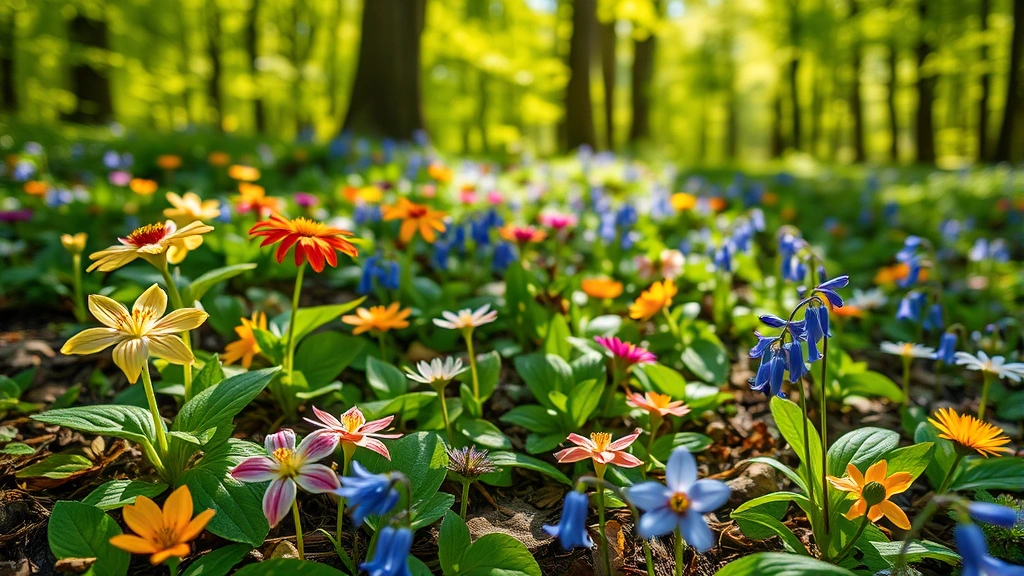
Throughout the broader area, you’ll encounter towering tulip poplars, hickories, and oaks that form the forest canopy. The understory features dogwood, redbud, and various shrubs. Spring brings an explosion of wildflowers, including trilliums, bloodroot, and Virginia bluebells. These native plants support the entire ecosystem, providing food and habitat for wildlife while creating the visual splendor visitors come to experience.
The seasonal progression of flowering plants makes return visits worthwhile. Early spring features delicate woodland ephemerals that bloom before tree leaves fully emerge. Late spring and early summer showcase bolder displays of native wildflowers. Fall brings vibrant foliage colors and the appearance of asters and other autumn bloomers. Understanding this seasonal rhythm helps you plan visits to see specific plants at peak bloom.
For those interested in propagating plants from native species, Garden of the Gods offers excellent opportunities to observe plants in their natural habitat. While collecting is not permitted in the national forest, photographing and studying these plants provides valuable knowledge for growing similar species in home gardens.
Trail Options for Every Skill Level
Garden of the Gods IL offers several well-maintained trails accommodating various fitness levels and time constraints. The main trail system ranges from short, easy walks to more challenging hikes with significant elevation changes and rocky terrain.
Beginner-Friendly Trails: The Garden of the Gods Trail is the most popular route, offering spectacular views with moderate effort. This trail winds through the canyon, providing close-up views of the dramatic cliff formations. The path is well-marked and relatively flat through much of the lower section, making it accessible for families with children and those seeking a leisurely walk.
Intermediate Trails: For more experienced hikers, the upper ridge trails offer panoramic vistas and encounter varied terrain. These routes involve more elevation gain and occasional rock scrambling but reward visitors with views extending for miles across the Illinois landscape. The Old Trail provides another intermediate option with its own unique perspective of the canyon.
Advanced Routes: Experienced hikers can combine multiple trails or venture into less-traveled areas of the Shawnee National Forest. These routes offer solitude and opportunities to encounter wildlife less frequently seen in popular areas. Always bring adequate water, proper footwear, and check current trail conditions before departing.
The trail system’s varied options mean you can tailor your visit to your interests and abilities. Whether you spend 30 minutes or an entire day exploring, Garden of the Gods accommodates your preferences. Consider bringing hiking poles for the rocky sections, especially if you have knee concerns or are carrying a backpack.
Best Times to Visit Throughout the Year
Garden of the Gods IL transforms dramatically with the seasons, each offering distinct advantages and challenges for visitors.
Spring (March-May): Spring represents prime visiting season, with temperatures ranging from 55-70°F and abundant wildflower blooms. Native plants burst into color, and the increased water flow creates more impressive waterfall displays. However, expect crowds during weekends and holidays, and bring rain gear as spring showers are common. The moderate temperatures make hiking comfortable without excessive heat exposure.
Summer (June-August): Summer brings warm temperatures (75-85°F) and lush green foliage, but the increased heat and humidity can make strenuous hiking challenging. Visiting early morning or late afternoon helps avoid peak heat. Summer crowds are substantial, particularly on weekends. The dense forest canopy provides shade on many trails, making it more bearable than open hiking areas.
Fall (September-November): Autumn offers spectacular foliage displays, comfortable temperatures (55-75°F), and fewer crowds than spring. The changing leaves create stunning photography opportunities, and the clearer air provides better visibility for distant views. Fall is arguably the best season for visiting, combining comfortable conditions with beautiful scenery and manageable crowds.
Winter (December-February): Winter transforms the landscape dramatically, with temperatures often dropping below freezing. While crowds are minimal and the bare trees offer different perspectives on the cliff formations, icy conditions make trails hazardous. Winter visits require proper footwear and caution, but dedicated hikers appreciate the solitude and unique beauty of the frozen landscape.
Photography and Scenic Spots
Garden of the Gods IL provides endless photography opportunities for both casual photographers and serious enthusiasts. The dramatic geological formations, diverse plant life, and changing light throughout the day create dynamic compositions.
Golden Hour Photography: Early morning and late afternoon light casts dramatic shadows across the cliff faces, creating depth and dimension. The warm, angled sunlight illuminates the stone colors beautifully. Plan to arrive early to secure good vantage points and capture the best light.
Key Viewpoints: The main overlook near the parking area provides the classic Garden of the Gods vista. The upper ridge trails offer elevated perspectives and broader panoramic views. Karbers Creek areas provide intimate landscape photography opportunities with water features and surrounding vegetation.
Macro Photography: The diverse wildflowers and native plants offer excellent macro photography subjects. Spring and early summer provide peak flowering periods for capturing close-up plant details. Consider bringing a macro lens or telephoto lens to capture distant wildlife and intricate plant structures.
Seasonal Photography: Each season presents unique photographic opportunities. Spring wildflowers, summer green foliage, fall colors, and winter snow-covered formations all create compelling images. Plan multiple visits throughout the year to build a comprehensive photographic portfolio.
Nearby Attractions and Amenities
While Garden of the Gods is the primary attraction, the surrounding area offers complementary experiences and necessary services.
Nearby Natural Areas: The Shawnee National Forest contains numerous other scenic areas worth exploring. Pounds Hollow Recreation Area features a scenic lake and additional hiking trails. Rim Rock National Recreation Trail offers dramatic cliff views and challenging hiking. Combining these attractions creates a comprehensive southern Illinois nature exploration experience.
Facilities and Services: The main parking area includes basic facilities, but services are limited. The nearest towns—Pomona and Rosiclare—offer gas stations, restaurants, and limited lodging. For comprehensive services, Harrisburg (about 30 miles away) provides more extensive amenities including grocery stores, restaurants, and hotels. Plan accordingly and bring sufficient water and snacks for your visit.
Lodging Options: Several state parks and national forest campgrounds in the area provide overnight accommodation options. Camping allows you to experience the landscape across multiple days and varying light conditions. Some visitors prefer staying nearby to maximize time exploring the region’s natural attractions.
FAQ
Is Garden of the Gods IL free to visit?
Yes, Garden of the Gods is free to visit as part of the Shawnee National Forest. There is no entrance fee, and parking is free. This accessibility makes it an excellent destination for budget-conscious travelers.
Are dogs allowed on the trails?
Dogs are allowed on most trails but must remain under control. Keep dogs on leashes to protect wildlife and prevent them from disturbing other visitors. Always bring water for your dog, especially during warm months.
How long does it take to hike Garden of the Gods?
The main Garden of the Gods Trail takes approximately 1-2 hours depending on your pace and how long you spend at viewpoints. More comprehensive explorations combining multiple trails can take 3-5 hours or a full day.
What should I bring when visiting?
Bring plenty of water (at least 2 liters), sturdy hiking boots with good traction, sunscreen, insect repellent, and a hat. A camera, binoculars for wildlife viewing, and a trail map are also recommended. Depending on the season, bring appropriate clothing layers.
Can I visit Garden of the Gods with children?
Yes, the main trail is family-friendly with manageable terrain for children with basic hiking experience. Shorter routes work well for younger children. Always supervise children closely, especially near cliff edges and rocky areas.
What wildlife might I encounter?
Common wildlife includes white-tailed deer, squirrels, various bird species, and occasionally raccoons or opossums. Snakes are present but rarely seen. Black bears are rare in this area. Maintain distance from all wildlife and never feed animals.
Are there water sources on the trails?
Karbers Creek flows through the area, but water should be treated before drinking. Bring your own water supply rather than relying on natural sources to avoid potential contamination.
What’s the best camera equipment for photographing Garden of the Gods?
A wide-angle lens works well for capturing expansive landscape views and dramatic cliff formations. A telephoto lens helps capture distant details and wildlife. A macro lens or close-focus capability captures wildflower details. A sturdy tripod ensures sharp images, especially during lower-light conditions.


