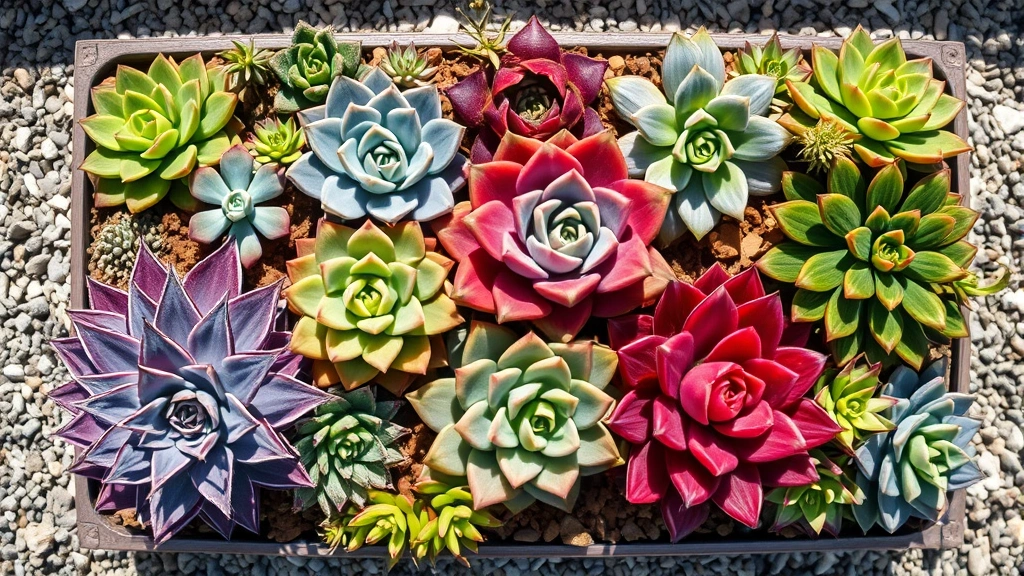
Creating a garden of succulents is one of the most rewarding and low-maintenance gardening projects you can undertake. These remarkable plants thrive in conditions that would challenge most other species, making them ideal for both novice and experienced gardeners. Whether you’re working with limited space, poor soil conditions, or a busy schedule, succulents offer the perfect solution for a beautiful, thriving landscape that requires minimal intervention.
Succulents have gained tremendous popularity over the past decade, and for good reason. Their striking architectural forms, diverse color palettes ranging from deep purples to vibrant reds, and incredible resilience make them a gardener’s dream. From tiny echeveria rosettes to towering agaves, the variety available means you can design a succulent garden that perfectly suits your aesthetic preferences and growing conditions. This comprehensive guide will walk you through everything you need to know to create and maintain a spectacular succulent display.
The beauty of working with succulents lies in their adaptability. They can transform challenging spaces into stunning focal points, whether you’re designing a vertical garden on a sunny wall or a low-water landscape in an arid climate. With the right knowledge and preparation, you’ll be amazed at how quickly your succulent collection flourishes and becomes the envy of your neighborhood.
Understanding Succulents and Their Needs
Succulents are plants that have evolved to store water in their leaves, stems, and roots, allowing them to survive extended periods without rainfall. This adaptation makes them exceptionally drought-tolerant and perfect for gardeners seeking to reduce water consumption. Understanding the fundamental characteristics of succulents is essential before you begin creating your garden.
The key to succulent success is recognizing that these plants have fundamentally different requirements than traditional ornamental plants. They prefer dry conditions, well-draining soil, and bright light. Unlike ferns or hostas, succulents actually suffer from excessive moisture, which can lead to root rot and fungal diseases. This inverted approach to plant care is what makes succulents so forgiving—you’re far more likely to kill them with kindness (overwatering) than neglect.
Most succulents are also incredibly hardy and can tolerate temperature fluctuations, poor soil quality, and occasional neglect. This resilience makes them perfect for creating a garden arch garden feature or integrating them into existing landscapes without major soil amendments. Their ability to thrive in challenging conditions means you can establish a beautiful garden almost anywhere on your property.
Selecting the Perfect Location
Choosing the right location is critical for succulent success. Most succulents require full sun, meaning at least six to eight hours of direct sunlight daily. The more sun your succulents receive, the more vibrant their colors become. In hot desert climates, some afternoon shade can prevent leaf scorch, but in temperate regions, full sun exposure is ideal.
When evaluating potential locations, consider the direction your garden will face. South and west-facing areas receive the most intense sunlight and are typically perfect for sun-loving succulents like sedums, echeverias, and aloe varieties. If you have limited sunny space, don’t worry—some succulents like jade plants, aloe vera, and certain echeveria varieties can tolerate partial shade, though they may become slightly less colorful.
Drainage is another crucial location consideration. Avoid areas where water pools after rain or where runoff collects. Low-lying spots or areas with heavy clay soil that remains soggy will doom your succulent garden. If you’re working with challenging terrain, you can always create raised beds or mounds to improve drainage. Consider also how wind patterns affect your location, as strong winds can stress young plants and affect water retention.
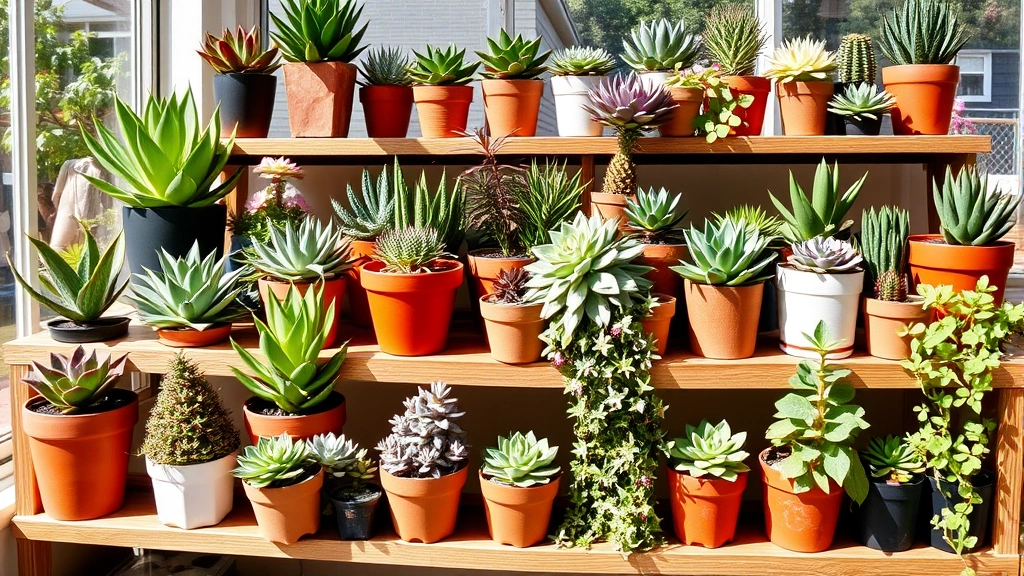
For those with limited ground space, you can create a stunning vertical garden arrangement using wall-mounted planters or hanging containers. This approach maximizes sun exposure and dramatically improves drainage while creating a striking visual display.
Soil Preparation and Drainage
Perhaps the most critical factor in succulent gardening is soil composition. Standard garden soil is far too dense and retains too much moisture for succulents. You must create or use a specialized succulent soil mix that promotes rapid drainage and prevents water accumulation around roots.
An ideal succulent soil mixture consists of approximately 40% potting soil, 40% coarse sand or perlite, and 20% gravel or pumice. This combination ensures water passes through quickly while still providing some nutrient retention. Many gardeners prefer to use pre-made cactus or succulent soil mixes available at garden centers, which eliminate guesswork and ensure proper composition.
When preparing in-ground beds, work the soil amendment deeply into the existing soil—at least 8 to 12 inches. This ensures the improved drainage extends beyond just the surface layer. If your native soil is particularly problematic, consider creating raised beds filled entirely with succulent soil mix. Raised beds offer the added benefit of improved aesthetics and easier maintenance.
Drainage holes are non-negotiable in any container succulent garden. Even with perfect soil, containers without drainage holes will cause root rot. If you have a container you love without drainage holes, create one using a drill with a ceramic or masonry bit, or simply use it as a decorative outer pot and place a draining pot inside.
The investment in proper soil preparation pays dividends throughout your succulent gardening journey. Poor drainage is responsible for the vast majority of succulent deaths, so getting this foundation right ensures years of thriving plants. For more detailed information about soil composition, consult Oregon State University Extension Services, which offers comprehensive soil testing and recommendations.
Choosing Your Succulent Species
The world of succulents is remarkably diverse, offering options for every taste, climate, and growing condition. Understanding the characteristics of different succulent families helps you select species that will thrive together in your garden.
Sedums are among the most popular succulents for garden settings. These hardy plants range from ground-hugging varieties like Sedum spathulifolium to upright types like Sedum ‘Autumn Joy.’ Sedums are incredibly cold-hardy and can survive winters in most temperate regions, making them perfect for year-round gardens.
Echeverias are prized for their perfect geometric rosette formations and stunning color range. These tender succulents must be brought indoors in cold climates but thrive outdoors year-round in warm regions. Their dramatic appearance makes them ideal focal points in any succulent arrangement.
Aloe varieties offer sculptural forms and interesting textures. Aloe vera is useful for both ornamental and medicinal purposes, while species like Aloe ferox and Aloe arborescens provide dramatic architectural interest. Most aloe varieties require warm climates and excellent drainage.
Jade plants develop thick woody stems over time, eventually resembling miniature trees. These long-lived succulents can survive for decades and even become family heirlooms. They tolerate slightly more water than other succulents and can handle partial shade.
Agaves make bold statements with their large, dramatic forms. While some varieties grow enormous, many compact cultivars work well in residential gardens. Agaves are extremely drought-tolerant and thrive in full sun, though their spiny leaves require careful placement away from foot traffic.
When selecting succulents, consider your climate zone carefully. Hardy sedums and sempervivums can survive harsh winters, while tender varieties like echeverias and aloe need frost protection or indoor winter storage in cold regions. Mixing hardy and tender varieties allows you to create year-round interest while managing seasonal transitions.
Planting Your Succulent Garden
Proper planting technique ensures your succulents establish quickly and develop strong root systems. The best time to plant succulents is in spring or early summer when they’re actively growing, though container planting can happen year-round in mild climates.
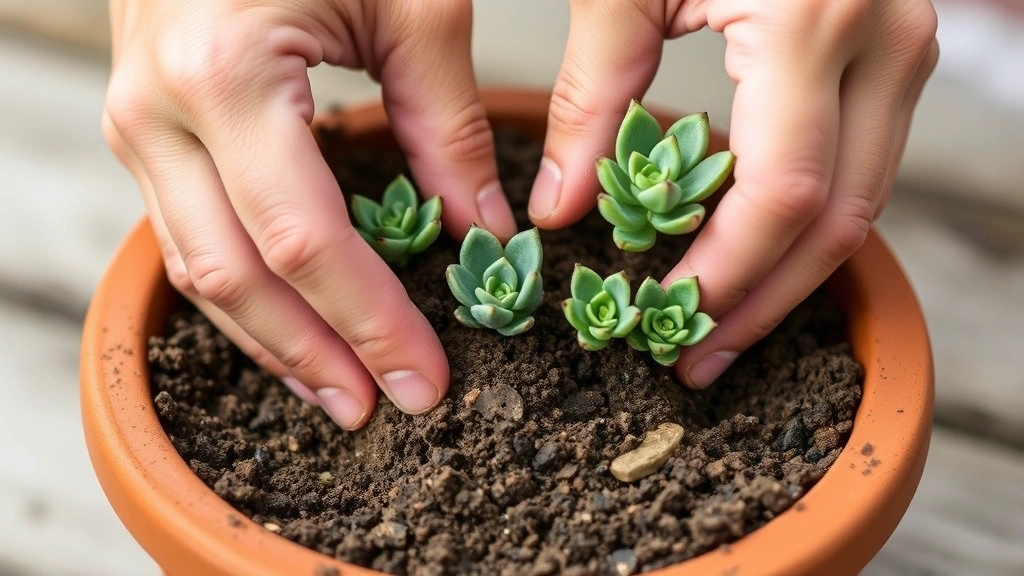
When removing succulents from their nursery containers, gently loosen the root ball with your fingers. Don’t be afraid to break apart compacted roots—succulents respond well to this treatment and develop more vigorous root systems as a result. If you’re propagating from leaves or cuttings, allow the cut surface to dry for several days before planting to prevent rot.
Dig a hole slightly larger than your succulent’s root ball and position the plant so the soil level matches the base of the leaves. Unlike many plants, succulents shouldn’t be planted deeply; exposed soil around the stem can trap moisture and cause rot. Space plants based on their mature size, allowing room for growth without overcrowding.
After planting, wait three to five days before watering. This delay allows any damaged roots to heal and prevents rot from developing in fresh wounds. When you do water, do so thoroughly but then allow the soil to dry completely before watering again.
For container plantings, use well-draining pots with adequate drainage holes. Terracotta pots are excellent for succulents because they’re porous and allow soil to dry quickly. The size of your container should be only slightly larger than the plant’s root ball—oversized containers retain too much moisture.
Watering and Maintenance Strategies
Watering is where most novice succulent gardeners make mistakes. The golden rule of succulent care is “when in doubt, don’t water.” Succulents store water in their tissues and can go weeks or even months without irrigation, depending on the species and season.
During the growing season (spring and summer), water your garden of succulents when the soil is completely dry. Insert your finger about an inch into the soil; if it feels moist, wait several more days. When you do water, water thoroughly until it drains from the bottom, then allow the soil to dry completely before watering again. This infrequent but thorough approach encourages deep root development.
In fall and winter, reduce watering significantly. Many succulents enter dormancy during cold months and require minimal moisture. In freezing climates, stop watering entirely once temperatures drop consistently below 50°F. In mild climates, water only once every four to six weeks during winter.
Container succulents typically need more frequent watering than in-ground plants because containers dry faster. Check container soil more frequently, but still wait until it’s completely dry before watering. Overwatering is the primary cause of succulent death, so err on the side of caution.
Maintenance beyond watering is minimal. Remove dead leaves that accumulate at the base of plants to prevent pest habitat and disease. Use sharp garden shears to remove dead flower stalks and diseased portions. Fertilizing is rarely necessary; if you feel your plants need nutrition, apply a diluted succulent fertilizer once in spring and once in summer.
Pest problems are uncommon in healthy succulent gardens, but watch for mealybugs, spider mites, and scale insects. If you notice infestations, treat with neem oil or insecticidal soap, following label instructions carefully. Prevention through proper air circulation and avoiding overwatering is the best pest management strategy.
Seasonal Care and Protection
Different seasons present different challenges and opportunities for succulent gardeners. Understanding seasonal patterns helps you provide appropriate care and protect your plants from harsh conditions.
In spring, succulents awaken from winter dormancy and begin active growth. This is the perfect time to propagate new plants, repot specimens that have outgrown their containers, and fertilize if desired. Spring is also when you should assess winter damage and remove any dead or diseased portions.
Summer is the peak growing season for most succulents. While they’re incredibly drought-tolerant, intense heat can stress young plants. In extremely hot climates with temperatures exceeding 95°F regularly, consider providing afternoon shade to prevent leaf scorch on tender varieties. Increase watering frequency slightly during peak heat, though still only when soil is completely dry.
Fall brings cooler temperatures and the beginning of dormancy for many succulents. Colors often intensify during this season as plants respond to cooler nights. Reduce watering as growth slows, and avoid fertilizing, which stimulates tender new growth vulnerable to frost damage.
Winter protection depends entirely on your climate. In frost-free regions, your garden of succulents continues growing year-round with minimal care. In temperate climates, hardy sedums and sempervivums survive freezing temperatures, though they may look dormant or discolored—this is normal and they’ll revive in spring. In cold climates, tender succulents like echeverias and aloe must be brought indoors or protected with cold frames.
For tender varieties in cold climates, dig them up before the first frost and pot them up to bring indoors. Place them in a bright window and water sparingly throughout winter. In spring, gradually acclimate them to outdoor conditions before planting back in the garden.
Design Ideas and Layouts
Creating a visually stunning succulent garden involves thoughtful design that considers color, texture, form, and scale. Successful designs balance variety with cohesion, creating interest without appearing chaotic.
Color coordination creates dramatic impact in succulent gardens. Group plants with complementary colors together—pair deep purple echeverias with silvery sedums, or combine red-tinged varieties with blue-gray agaves. Seasonal color changes add dynamic interest; many succulents shift from green to red or orange as temperatures cool.
Texture and form variation prevents monotony. Combine rosette-forming echeverias with trailing sedum varieties and upright columnar plants like certain aloe species. Mix fine-textured groundcover sedums with bold-leaved agaves to create visual contrast that draws the eye through the composition.
Focal points anchor succulent designs. A dramatic specimen agave, a tall columnar cactus, or a mature jade plant can serve as the visual anchor around which you arrange smaller varieties. This hierarchical approach creates structure and prevents the garden from feeling scattered.
Container arrangements offer flexibility and allow you to adjust your design seasonally. Mixed containers combining several succulent varieties create more visual impact than single-species plantings. Use containers of varying heights and sizes to create dynamic compositions.
A garden arch garden feature can incorporate succulents beautifully, with trailing varieties like string of pearls cascading from overhead structures while upright forms anchor the base. This vertical approach maximizes space while creating architectural interest.
For small spaces, consider a vertical garden arrangement using wall-mounted planters or shelving. This space-saving design creates a living wall of color and texture that serves as a stunning focal point.
Rock gardens and alpine troughs work beautifully with succulents. The rocky, well-draining environment mimics their native habitats while creating a naturalistic aesthetic. Incorporate boulders, gravel, and hardscape elements to enhance the overall composition.
For those seeking gift ideas for fellow gardeners, garden gifts featuring succulents—such as propagation kits, specialized soil mixes, or decorative containers—make excellent presents that inspire succulent gardening enthusiasm.
If you’re working with challenging light conditions, don’t despair. Some succulents tolerate partial shade better than others. Jade plants, certain aloe varieties, and shade garden plants like haworthia and gasteria can thrive in environments that receive only three to four hours of direct sun daily.
FAQ
How often should I water my succulent garden?
Water thoroughly when the soil is completely dry, typically every two to three weeks during growing season. In winter, reduce watering to once monthly or less. The key is allowing soil to dry completely between waterings to prevent root rot.
Can succulents survive freezing temperatures?
Hardy sedums and sempervivums survive freezing temperatures and can remain outdoors year-round in most climates. Tender varieties like echeverias and aloe must be brought indoors or protected in cold regions. Check your specific species’ cold hardiness rating.
What’s the best soil for succulents?
Use a specialized succulent or cactus soil mix, or create your own using 40% potting soil, 40% coarse sand or perlite, and 20% gravel. The goal is rapid drainage that prevents water from sitting around roots.
Why are my succulents turning translucent or mushy?
Translucent, mushy leaves indicate overwatering and root rot. Stop watering immediately, allow soil to dry completely, and consider repotting in fresh, dry soil. Remove any mushy portions with clean tools to prevent disease spread.
How do I propagate succulents?
Many succulents propagate easily from individual leaves. Remove a healthy leaf, allow it to dry for several days, then place it on dry soil. Mist occasionally until roots and new rosettes develop. Stem cuttings also work; allow them to dry before planting in dry soil.
Can I grow succulents indoors?
Yes, succulents can grow indoors in bright window locations. Provide at least four to six hours of bright light daily. Water less frequently than outdoor plants since indoor environments dry more slowly. Rotate plants occasionally for even growth.
What’s the difference between succulents and cacti?
All cacti are succulents, but not all succulents are cacti. Cacti are a specific plant family characterized by spines and specific flower structures. Succulents are a broad category of water-storing plants including sedums, echeverias, aloe, and many others.


