
Are Garden of Life Prenatals Worth It? Expert Review
When expecting mothers consider prenatal vitamins, the Garden of Life brand frequently appears in conversations about natural supplementation. Garden of Life prenatal vitamins have gained significant popularity among health-conscious pregnant women seeking whole-food-based nutrition. This comprehensive review examines whether these prenatals deliver on their promises and whether they represent a worthwhile investment for maternal health during pregnancy.
The prenatal vitamin market has expanded dramatically over the past decade, with consumers increasingly seeking supplements derived from whole food sources rather than synthetic ingredients. Garden of Life positions itself as a leader in this space, offering formulations that claim to support both mother and baby throughout pregnancy and lactation. Understanding the actual benefits, potential drawbacks, and how these prenatals compare to other options is essential for making an informed decision during this critical life stage.
What Are Garden of Life Prenatal Vitamins?
Garden of Life is a company specializing in plant-based and whole-food-derived nutritional supplements. Their prenatal line includes several formulations designed specifically for pregnant and nursing women. The brand emphasizes using ingredients from real food sources, probiotics, and organic components rather than relying solely on synthetic vitamins and minerals.
The company offers multiple prenatal options, including their most popular formulations like mykind Organics Prenatal and their raw prenatal multivitamins. These products are marketed as USDA certified organic, non-GMO project verified, and free from synthetic binders and fillers. Garden of Life prenatals typically come in capsule form and require multiple daily servings to achieve the full nutrient profile.
Understanding the philosophy behind Garden of Life products helps contextualize why they appeal to certain demographics. The brand positions itself within the natural wellness movement, emphasizing bioavailability and nutrient absorption from whole-food sources. This approach contrasts with conventional prenatal vitamins that use isolated synthetic nutrients.
Key Ingredients and Nutritional Profile
Garden of Life prenatal vitamins contain a comprehensive blend of vitamins, minerals, and botanical extracts. The formulations typically include essential prenatal nutrients such as folic acid, iron, calcium, and vitamin D, which are universally recognized as crucial for fetal development and maternal health during pregnancy.
The distinguishing factor in Garden of Life prenatals is their incorporation of whole-food complexes. Instead of isolated nutrient forms, the brand uses food-based delivery systems derived from sources like organic vegetables, fruits, and herbs. For example, their iron content comes from a plant-based complex rather than ferrous sulfate, which is the standard in many conventional prenatals.
Key nutritional components typically found in Garden of Life prenatal formulas include:
- Folic acid – supports neural tube development and helps prevent birth defects
- Iron – prevents anemia during pregnancy and supports oxygen transport
- Calcium – maintains maternal bone health and supports fetal skeletal development
- Vitamin D – enhances calcium absorption and immune function
- Probiotics – supports digestive health during pregnancy
- Ginger root – traditionally used to support healthy digestion
- Organic plant complexes – provide bioavailable micronutrients
The inclusion of probiotics represents a notable distinction from standard prenatal vitamins. Garden of Life incorporates multiple probiotic strains believed to support maternal digestive health, which can be particularly beneficial during pregnancy when digestive changes are common. This addition reflects growing research into the maternal microbiome’s role in pregnancy outcomes.
Comparing to Other Prenatal Options
When evaluating whether Garden of Life prenatals are worth the investment, comparing them to other available options provides valuable perspective. The prenatal vitamin market includes several tiers: budget-friendly conventional options, mid-range brands, and premium natural formulations.
Conventional prenatals from major pharmaceutical companies typically cost less and are widely available through pharmacies. These formulations meet basic prenatal nutritional requirements using synthetic nutrients. While effective at delivering necessary vitamins and minerals, they often lack the whole-food complexes and probiotics found in Garden of Life products.
Mid-range prenatal options include brands that offer somewhat more natural ingredients while maintaining lower price points than premium lines. These products may include some plant-based nutrient forms but typically don’t achieve the comprehensive organic certification or extensive probiotic profiles of Garden of Life formulations.
Premium natural prenatals, including Garden of Life, command higher prices but offer several distinguishing features: USDA organic certification, non-GMO verification, whole-food nutrient sources, probiotic inclusion, and typically fewer synthetic additives. The choice between these categories ultimately depends on individual priorities regarding ingredient quality, budget constraints, and personal health philosophies.
When considering your nutritional foundation, whether in supplements or dietary choices, quality matters significantly during pregnancy.
Potential Benefits for Pregnancy

Garden of Life prenatal vitamins offer several potential benefits for expectant mothers. The whole-food-based nutrient delivery system may enhance bioavailability, meaning the body can more readily absorb and utilize the vitamins and minerals. This improved absorption could theoretically translate to better nutritional status during pregnancy, though individual results vary based on digestive health and overall dietary patterns.
The inclusion of probiotics represents a significant advantage for many pregnant women. Pregnancy hormones and physical changes often affect digestive function, causing constipation, bloating, or other gastrointestinal discomfort. Probiotics may help maintain healthy gut flora and support digestive regularity, addressing a common pregnancy complaint without pharmaceutical intervention.
The organic certification and absence of synthetic fillers appeal to women seeking to minimize their exposure to artificial ingredients during pregnancy. For those concerned about chemical additives, Garden of Life provides peace of mind that their prenatal supplement adheres to strict organic standards and contains no artificial colors, flavors, or preservatives.
The comprehensive nutrient profile supports critical pregnancy functions. Adequate folic acid prevents neural tube defects, iron prevents anemia, calcium supports skeletal development, and vitamin D enhances immune function. Garden of Life formulations include these essentials in forms the company claims offer superior absorption compared to synthetic alternatives.
Many users report feeling fewer side effects from Garden of Life prenatals compared to conventional options. The gentler iron formulation, for instance, may cause less gastrointestinal upset than ferrous sulfate found in standard prenatals. This improved tolerability can encourage consistent daily supplementation, which is crucial for maintaining adequate nutrient levels throughout pregnancy.
Possible Drawbacks and Considerations
Despite their benefits, Garden of Life prenatal vitamins present some drawbacks worth considering. The primary concern for many consumers is cost. Premium prenatal formulations typically cost two to three times more than conventional options, representing a significant ongoing expense during pregnancy and potentially into the postpartum and breastfeeding periods.
The capsule form requires taking multiple pills daily to achieve the full nutrient profile. This multi-pill regimen can be cumbersome for women already managing pregnancy-related nausea or those simply preferring fewer daily supplements. Some users find the capsule size difficult to swallow, particularly when experiencing pregnancy-related nausea or gag reflex sensitivity.
While whole-food-based nutrient delivery is marketed as superior, scientific evidence directly comparing absorption rates between whole-food complexes and synthetic nutrients remains mixed. For certain nutrients like folic acid, synthetic forms may actually be more bioavailable than food-based alternatives. This suggests that the superiority of Garden of Life’s approach, while appealing philosophically, may not always translate to measurably better outcomes compared to well-formulated conventional prenatals.
The probiotic strains included in Garden of Life prenatals, while potentially beneficial, may not survive the journey through stomach acid in sufficient quantities to provide meaningful benefits. Additionally, probiotics are not universally recommended for all pregnant women, and some healthcare providers advise caution with certain strains during pregnancy.
Availability can be limited compared to conventional prenatals. While increasingly available through online retailers and specialty stores, Garden of Life prenatals may not be stocked at all local pharmacies, potentially creating supply interruptions. This is particularly problematic during pregnancy when consistent supplementation is important.
Some women report that the natural ingredient profile, while generally gentle, can still cause digestive upset in individual cases. The inclusion of ginger root and other botanicals, beneficial for many, may trigger nausea in susceptible individuals or interact with certain medications.
Cost Analysis and Value
Evaluating the cost-to-value proposition of Garden of Life prenatals requires honest financial assessment. A month’s supply typically costs between $25 and $35, depending on the specific formulation and retailer. Over a nine-month pregnancy and potentially several months of postpartum supplementation, this represents a significant investment ranging from $225 to $315 or more.
Compare this to conventional prenatals, which often cost $8 to $15 monthly, resulting in pregnancy-period costs of $72 to $135. The premium Garden of Life option costs approximately $150 to $240 more over the course of pregnancy supplementation.
Whether this additional expense justifies the investment depends on individual circumstances. For women with adequate insurance coverage, disposable income, and strong preferences for organic whole-food supplements, the added cost may feel worthwhile. For those with limited budgets or without strong philosophical commitments to natural supplementation, conventional prenatals meeting basic nutritional requirements represent better value.
It’s worth noting that many insurance plans cover conventional prenatal vitamins but may not cover premium brands like Garden of Life. Some women receive free conventional prenatals through their healthcare providers or insurance plans, making the comparison even more cost-prohibitive for premium options.
The value equation also depends on whether the perceived or actual benefits justify the cost difference. If Garden of Life prenatals genuinely result in better maternal health outcomes, improved tolerability leading to better compliance, or meaningful improvements in nutrient absorption, the premium might represent good value. However, if outcomes are essentially equivalent to well-formulated conventional prenatals, the higher cost becomes harder to justify purely from a health perspective.
User Reviews and Real-World Experience
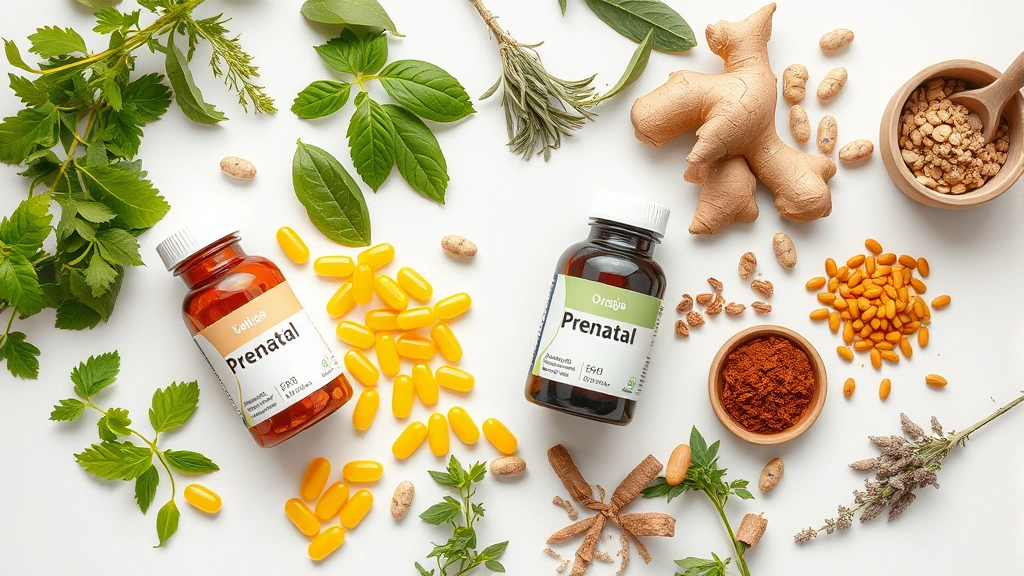
Real-world user experiences with Garden of Life prenatal vitamins vary considerably. Many women report positive experiences, citing improved energy levels, fewer gastrointestinal side effects compared to previous prenatals, and satisfaction with the organic ingredient profile. Testimonials frequently mention appreciation for the probiotic inclusion and the brand’s commitment to natural ingredients.
However, some users express disappointment with the product. Common complaints include the high cost, the need to take multiple capsules daily, and, surprisingly, digestive upset in some individuals despite the brand’s emphasis on natural ingredients. A subset of users found no noticeable difference between Garden of Life and conventional prenatals, questioning whether the premium price justified their choice.
Pregnant women with specific dietary preferences, such as those following vegan or vegetarian diets, often report high satisfaction with Garden of Life prenatals due to the plant-based nutrient sources. Conversely, women with certain digestive conditions or sensitivities to specific botanicals sometimes report that the formulation exacerbated their symptoms.
Online reviews suggest that individual tolerance and satisfaction often depend on factors beyond the product itself, including baseline nutritional status, overall diet quality, pregnancy-specific health challenges, and personal values regarding natural supplementation. Women who view their prenatal vitamin as part of a comprehensive health approach that includes quality nutrition, similar to maintaining a well-planned garden bed for optimal plant growth, report higher satisfaction than those expecting the supplement alone to address nutritional needs.
Healthcare provider perspectives on Garden of Life prenatals vary. Some practitioners enthusiastically recommend the brand to patients seeking natural options and report good outcomes in their practices. Others maintain that any prenatal meeting standard nutritional guidelines provides adequate support and question whether the premium price offers meaningful clinical advantages. Most healthcare providers emphasize that consistency with any prenatal supplement matters more than which specific brand is chosen.
FAQ
Do Garden of Life prenatals contain all necessary prenatal nutrients?
Garden of Life prenatal formulations typically contain most essential prenatal nutrients including folic acid, iron, calcium, vitamin D, and various minerals. However, the specific nutrient profile varies between product lines. Women should verify that the chosen formulation meets their healthcare provider’s specific recommendations, as some practitioners may recommend additional supplementation for certain nutrients depending on individual circumstances.
Are Garden of Life prenatals safe during pregnancy?
Garden of Life prenatals are generally recognized as safe for use during pregnancy. The brand uses ingredients commonly recognized as safe by regulatory agencies, and the formulations are designed specifically for pregnant women. However, as with any supplement, pregnant women should discuss their prenatal vitamin choice with their healthcare provider to ensure compatibility with their individual health status and any medications they’re taking.
Can I take Garden of Life prenatals while breastfeeding?
Many Garden of Life prenatal formulations are marketed as suitable for both pregnancy and breastfeeding. However, nutritional needs shift postpartum, so women should consult with their healthcare provider about whether continuing the same prenatal formulation or switching to a postpartum-specific supplement better serves their needs during breastfeeding.
How do I know if Garden of Life prenatals are right for me?
Choosing the right prenatal vitamin depends on your budget, dietary preferences, tolerance for capsule supplements, access to the product, and personal values regarding ingredient sourcing. Consider discussing options with your healthcare provider, who can recommend formulations meeting your specific nutritional needs. You might also try a trial period to assess tolerability before committing to a full supply.
What’s the difference between Garden of Life mykind Organics and other Garden of Life prenatal lines?
Garden of Life offers multiple prenatal formulations with varying ingredient profiles and price points. The mykind Organics line emphasizes USDA organic certification and whole-food nutrient sources. Other lines may have different focuses, such as specific nutrient ratios or additional botanical inclusions. Reviewing the specific supplement facts panel helps identify which formulation aligns with individual preferences and nutritional needs.
Should I choose Garden of Life prenatals over conventional options?
The choice between Garden of Life and conventional prenatals depends on individual priorities. If organic certification, whole-food nutrient sources, probiotics, and natural ingredients align with your values and budget allows for the premium cost, Garden of Life may be worth the investment. If you prioritize cost-effectiveness and have no specific concerns about synthetic nutrients, conventional prenatals meeting standard nutritional guidelines provide adequate support. Discuss your preferences with your healthcare provider to make the most informed choice.


