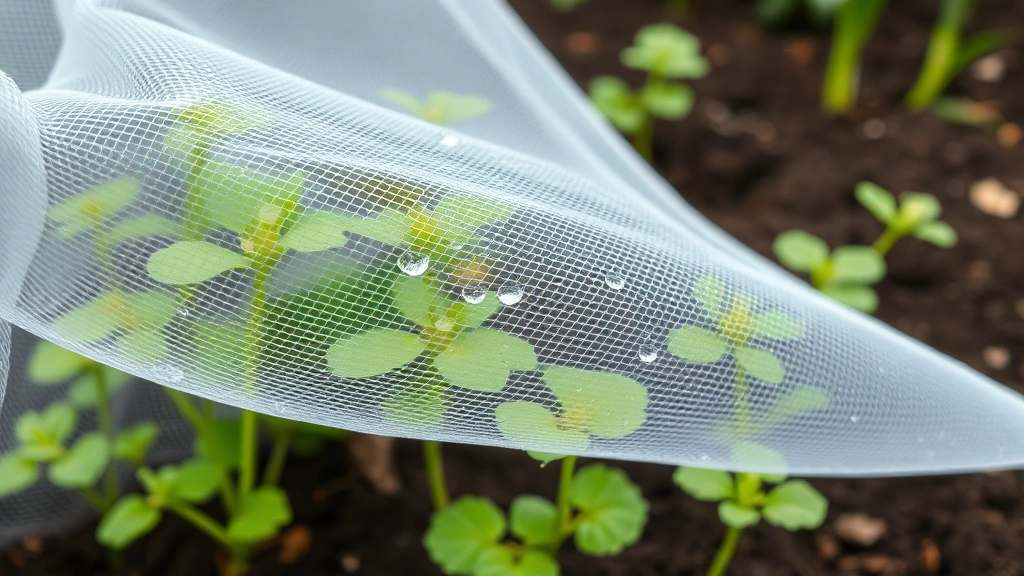
Garden netting is one of those tools that can make or break your growing season, yet many gardeners wonder if it’s truly necessary. The short answer? It depends on your garden’s specific challenges, but for most growers, some form of protective netting is invaluable. Whether you’re battling hungry birds, protecting delicate seedlings, or preventing insect damage, garden netting offers a practical, chemical-free solution that can dramatically improve your harvest and plant health.
In this comprehensive guide, we’ll explore when garden netting is essential, what types work best for different situations, and how to implement it effectively in your garden. By understanding the true value of netting, you can make an informed decision about whether it belongs in your gardening toolkit and how to use it strategically throughout the growing season.
Understanding Garden Netting Basics
Garden netting is a physical barrier made from various materials designed to protect plants from external threats. The most common types include bird netting, insect netting, and frost cloth. Each serves a distinct purpose and works through different mechanisms. Bird netting prevents avian access to ripening fruits and vegetables, while fine-mesh insect netting creates an impenetrable barrier against flying and crawling pests. Frost cloth, typically made from lightweight woven fabric, protects plants from cold damage while still allowing light and water penetration.
The primary advantage of netting over chemical solutions is its non-toxic nature. Unlike pesticides or herbicides, netting doesn’t harm beneficial insects, soil microorganisms, or contaminate groundwater. This makes it particularly valuable for organic gardeners and those growing food for their families. The effectiveness of garden netting depends largely on proper installation—gaps and loose edges can allow pests to find their way through, rendering the protection useless.
Understanding mesh size is crucial when selecting netting. Mesh sizes range from 1/16 inch (ultra-fine for insects) to 1/2 inch (suitable for larger birds). Finer meshes provide more comprehensive protection but can reduce airflow and light penetration, potentially affecting plant growth. Selecting the right mesh size for your specific pest problem ensures you’re not over-protecting and creating unnecessary growing conditions.
When Garden Netting Becomes Essential
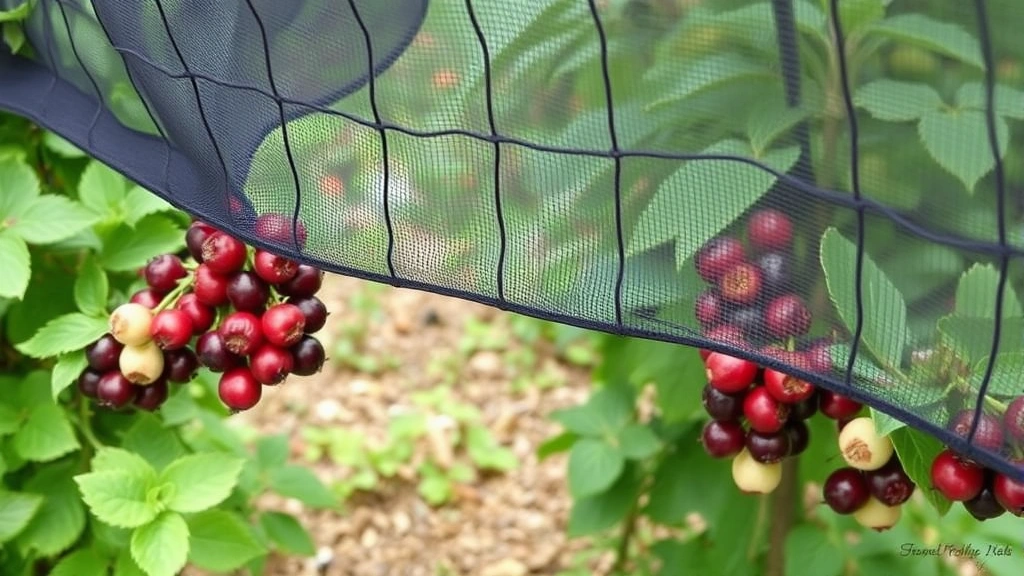
Bird damage represents one of the most compelling reasons to use garden netting. If you’ve ever watched birds demolish an entire berry patch in a single morning, you understand the frustration. This is especially true when growing blueberries in containers or other berry crops. Birds are attracted to ripening fruit by color and taste, and they can consume or damage significantly more than they eat, often pecking multiple fruits and moving on.
Insect pressure varies dramatically by region and season. In areas with high populations of Japanese beetles, squash vine borers, or cabbage moths, netting becomes nearly essential for protecting susceptible crops. Growing cucumbers in pots without protection can result in complete crop failure if cucumber beetles move through your garden. Similarly, brassica crops like cabbage and broccoli face constant pressure from cabbage moths and imported cabbageworms.
Climate and location significantly influence netting necessity. Gardeners in warm, humid regions with long growing seasons face year-round pest pressure. Urban gardens surrounded by other cultivated spaces often experience more concentrated wildlife populations. Conversely, isolated rural gardens with natural predators and fewer wild animals may require less protective netting. Your specific microclimate, local wildlife, and historical pest problems should guide your netting decisions.
Protecting young seedlings and transplants is another critical application. Newly planted vegetables are particularly vulnerable to bird and insect damage when they’re establishing roots. Easy to grow vegetables for beginners often include hardy crops that benefit from early-season netting protection to ensure successful establishment.
Types of Garden Netting for Different Needs
Bird netting is typically made from UV-stabilized polypropylene with 1/4 inch to 1/2 inch mesh openings. This size allows light and water through while preventing most bird species from accessing plants. Bird netting comes in various weights and durability levels. Premium versions last multiple seasons, while budget options may degrade within a year. The color (usually black, white, or green) affects visibility and aesthetic appeal. Black netting is less visible but can be harder on the eyes during installation, while green blends better with foliage.
Insect netting features much finer mesh, typically 1/16 inch or smaller. This ultra-fine mesh creates an absolute barrier against most flying insects including mosquitoes, flies, and moths. Insect netting is lightweight and allows excellent light and water penetration, making it ideal for young plants and cool-season crops. The trade-off is reduced durability and higher cost compared to bird netting. Fine mesh can also trap heat, potentially creating problems in hot climates without careful management.
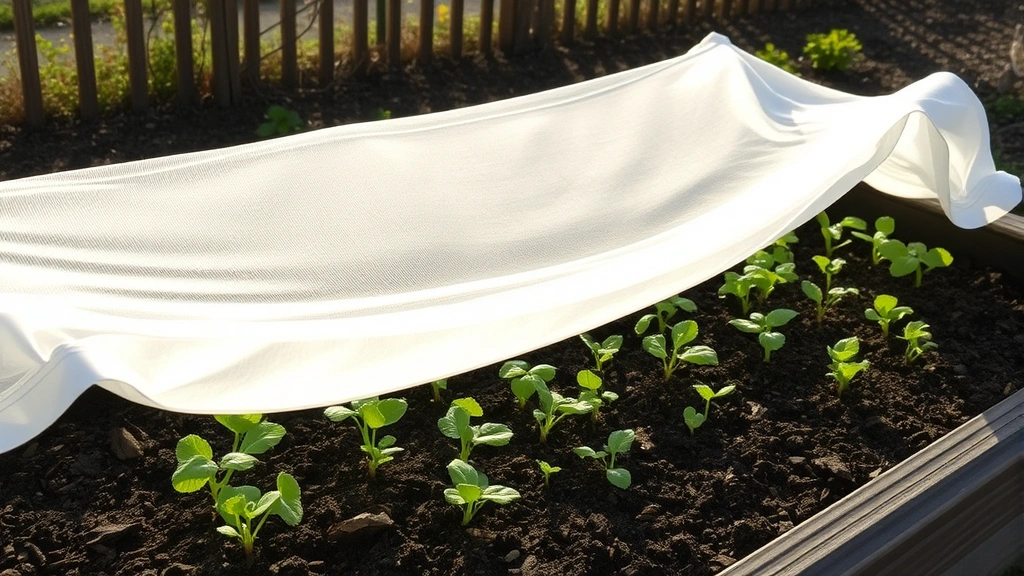
Frost cloth or row covers serve multiple purposes beyond frost protection. These lightweight, semi-transparent fabrics (typically 0.5 to 1.5 ounces per square yard) provide insulation against cold while allowing 70-85% light penetration. They also offer mild protection against insects and birds while maintaining excellent water and air flow. Frost cloth is reusable for many seasons and relatively inexpensive, making it an excellent choice for spring and fall gardening. Different weights provide varying levels of frost protection—lighter cloths protect against light frosts (28-32°F), while heavier versions withstand harder freezes.
Specialty netting includes anti-hail mesh, which features thicker material to protect from hail damage, and shade cloth with integrated insect protection. These niche products address specific regional challenges and may be essential for gardeners in hail-prone or extremely hot areas.
Installation Methods and Best Practices
Proper installation determines whether netting succeeds or fails. The most critical rule is securing all edges completely. Loose edges allow pests to crawl underneath, negating the protection entirely. Use landscape pins, soil anchors, or buried edges to secure netting tightly to the ground. Overlap edges by at least six inches and bury them two inches deep to prevent determined animals from lifting the netting.
For raised beds and containers, netting can be draped directly over plants if they’re sturdy enough to support the weight, or supported by hoops and frames to keep the mesh off foliage. Hoops made from PVC pipe, flexible metal, or specialized netting supports create a tent-like structure that allows plants to grow without touching the netting. This approach works particularly well for DIY raised garden beds where you can install permanent support structures.
Timing matters significantly. Apply netting before pests arrive, not after damage appears. For bird protection, net plants just as fruit begins ripening. For insect protection, install netting at planting time or immediately after transplanting. With frost cloth, monitor weather forecasts and apply covers before temperatures drop, removing them during warm days to prevent heat buildup and allow pollinator access.
Regular maintenance keeps netting effective. Check installations weekly for gaps, tears, or animals trapped inside. Remove accumulated debris that can weigh down netting or create entry points. During the growing season, adjust netting as plants grow to maintain proper clearance and prevent foliage from touching the mesh.
Seasonal Application Strategies
Spring gardening benefits enormously from netting applications. Use frost cloth to protect tender seedlings and early transplants from unexpected freezes. As temperatures warm, switch to insect netting to protect young vegetables from early-season pest populations. This two-stage protection maximizes early-season growth while preventing the most damaging insect infestations.
Summer presents the greatest diversity of netting needs. Bird netting becomes essential as berries and stone fruits ripen. Insect netting protects brassicas from cabbage moths and other flying pests. In extremely hot climates, shade cloth combined with insect netting provides dual protection from sun stress and pests. Consistent monitoring and maintenance are crucial during this period of peak plant growth and pest activity.
Fall and winter gardening shifts focus to frost protection and extending the season. Frost cloth becomes primary, allowing you to grow cool-season crops well past the first frost. Herb garden plantings benefit from fall netting that protects from early frosts while allowing continued harvest. Lightweight row covers can be layered for additional insulation in extremely cold climates.
Year-round applications in mild climates may require continuous netting to combat persistent pest pressure. However, even in these regions, rotating netting off periodically allows beneficial insects to access plants and helps prevent netting from becoming a permanent eyesore.
Alternatives and Complementary Protection Methods
While netting is powerful, it works best as part of an integrated pest management strategy. Companion planting and habitat management provide complementary protection. Attracting natural predators like birds, beneficial insects, and spiders reduces pest populations without any physical barriers. Planting flowers that attract parasitic wasps, ladybugs, and other beneficial insects creates a self-regulating ecosystem that reduces the need for netting.
Exclusion techniques beyond netting include copper tape for slug and snail prevention, and fine-mesh screens for window boxes and container plantings. Handpicking larger pests like beetles and caterpillars, while labor-intensive, complements netting by reducing overall pest populations. Reflective mulches confuse some insects, potentially reducing their ability to locate host plants.
Cultural practices like crop rotation, sanitation, and resistant variety selection work synergistically with netting. Growing resistant varieties means you might need netting for a shorter period or in less critical situations. Removing plant debris where pests overwinter reduces the initial population that netting must exclude.
Organic pesticides like neem oil or spinosad provide backup protection for situations where netting alone proves insufficient. However, these should complement rather than replace netting, as they’re less effective and more costly than physical barriers for most applications.
Cost-Benefit Analysis for Home Gardeners
The financial case for garden netting depends on your garden’s scale and your pest problems. A small vegetable garden might justify $30-50 in netting supplies, while larger operations may invest $200-500 or more. However, the return on investment is typically substantial. A single bird netting installation protecting a berry patch worth $50-100 in fruit pays for itself in a single season. Insect netting preventing crop failure on susceptible vegetables easily justifies its cost.
Durability and reusability affect long-term economics. Premium bird netting lasts 3-5 seasons, reducing per-season cost significantly. Budget netting may require replacement annually. Frost cloth can last 5-10 seasons with proper care, providing excellent long-term value. Calculate cost per use to determine true value—a $20 frost cloth used 20+ times over a decade costs just $1 per use.
Time savings are often overlooked in cost-benefit analysis. Netting eliminates hours spent handpicking pests, spraying pesticides, or managing damaged plants. For busy gardeners, netting’s passive protection is invaluable. The peace of mind knowing your crops are protected also has value that extends beyond pure economics.
Environmental benefits of avoiding pesticides provide additional value. Protecting pollinators, beneficial insects, and soil health creates a more resilient garden ecosystem over time. For gardeners growing food for their families, the safety of chemical-free produce justifies netting investment.
FAQ
Is garden netting necessary for all crops?
No. Hardy vegetables like leafy greens, root crops, and tomatoes often don’t require netting unless your region has severe pest pressure. Berries, brassicas, and cucurbits benefit most from netting protection. Your local growing conditions determine necessity more than the crops themselves.
Can netting harm plants or beneficial insects?
Properly installed netting doesn’t harm plants directly, though it can reduce light slightly and create heat buildup in hot climates. Fine-mesh insect netting excludes all insects, including beneficial ones, so remove it during pollination periods for crops that require pollinator access. Bird netting and frost cloth allow beneficial insect passage.
How long can netting stay on plants?
Duration depends on netting type and purpose. Bird netting can stay until harvest. Insect netting should be removed during flowering for insect-pollinated crops. Frost cloth can remain until temperatures consistently stay above freezing. Remove netting promptly once its purpose is served to prevent plant damage and allow beneficial insect access.
What’s the best way to store netting?
Clean netting thoroughly before storage to remove debris and dried plant material. Dry completely to prevent mold growth. Store in a cool, dry location away from direct sunlight, which degrades UV-stabilized materials. Loosely coil or fold netting to prevent creasing that can cause weak points. Properly stored netting lasts significantly longer.
Can I use the same netting for different purposes?
Bird netting works for insect control, but insect netting is too fine for bird protection. Frost cloth serves multiple purposes including mild insect protection. Generally, you can use finer mesh for coarser purposes, but not vice versa. Buying specific netting for each purpose ensures optimal effectiveness.
Does netting affect water penetration?
Most netting allows excellent water penetration, though birds may be attracted to wet netting. Frost cloth and insect netting have minimal water impact. Bird netting’s larger mesh openings allow water through easily. However, accumulated debris on netting can impede water flow, so regular cleaning is important.


