
Garden Netting Benefits: Pro Gardener Insights for Maximum Plant Protection
Garden netting stands as one of the most underrated yet highly effective tools in a gardener’s arsenal. Whether you’re protecting delicate seedlings from harsh weather, shielding crops from hungry wildlife, or creating microclimates for temperature-sensitive plants, the right garden net can transform your growing success. Professional gardeners across climates and growing zones have long recognized that proper netting solutions address multiple challenges simultaneously—from pest management to frost protection—without relying on chemical interventions.
The beauty of garden netting lies in its versatility and simplicity. Unlike complex irrigation systems or elaborate trellising structures, a quality net requires minimal installation yet delivers maximum protection. This guide explores the comprehensive benefits of garden netting, helping you understand when, where, and how to deploy this essential gardening tool for optimal results.
Types of Garden Netting and Their Specific Uses
Garden nets come in several distinct varieties, each engineered for particular challenges. Understanding these differences ensures you select the appropriate solution for your specific gardening needs.
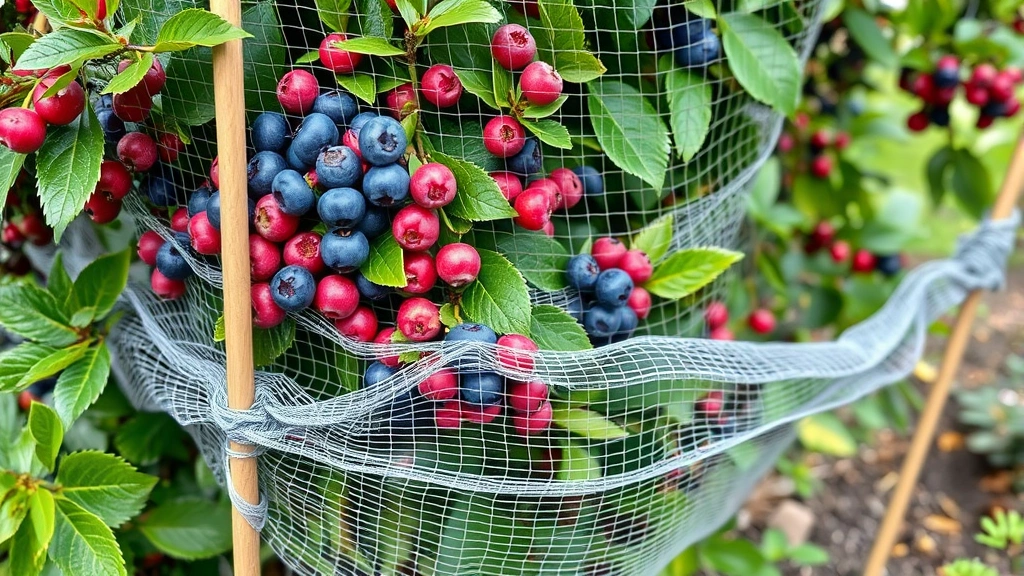
Bird netting represents the most common type, featuring mesh sizes typically ranging from half-inch to one-inch openings. This netting effectively prevents birds from accessing berries, seeds, and young plants while allowing water and sunlight penetration. Professional growers use bird netting extensively on blueberry patches, strawberry beds, and ripening fruit trees.
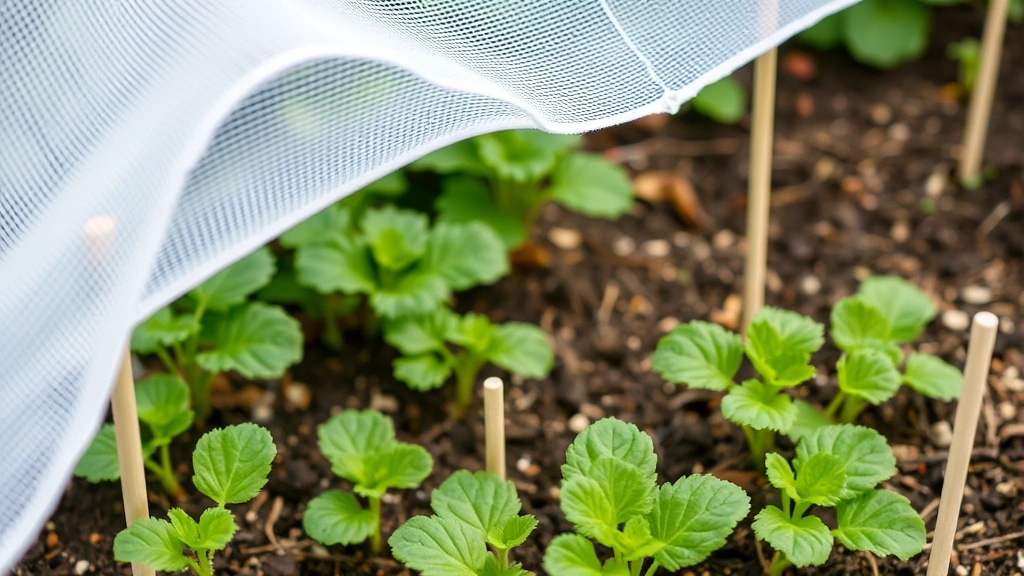
Insect netting, also called row covers or floating row covers, features much finer mesh—often 1/32 inch or smaller. This specialized garden net creates a physical barrier against aphids, beetles, caterpillars, and other destructive insects without chemical pesticides. The fine mesh is particularly valuable for brassicas, squash, and bean crops during vulnerable growth stages.
Deer netting requires heavier construction with larger mesh (typically 3/4 inch) and greater tensile strength. This garden net type must stand taller and more robust to deter determined deer from jumping or pushing through. Installation requires proper anchoring and height considerations, typically seven to eight feet for effective deer exclusion.
Shade netting, while technically different from traditional garden nets, deserves mention for its protective capabilities. These nets reduce light intensity by 30-90%, creating ideal conditions for shade-loving plants and protecting heat-sensitive crops during intense summer months. When establishing a shade garden, shade netting provides temporary climate modification without permanent structural changes.
Netting materials vary significantly in durability and longevity. UV-stabilized polyethylene offers excellent value for seasonal use, while polypropylene and nylon nets provide superior durability for multi-year applications. Professional gardeners often invest in premium materials for permanent or semi-permanent installations, recognizing that quality netting pays dividends through extended service life.
Protection Against Pests and Wildlife
One of the most compelling benefits of garden netting is comprehensive pest exclusion without pesticides. This physical barrier approach aligns perfectly with organic gardening principles and integrated pest management strategies.
Insect pest management represents perhaps the most significant advantage. Fine-mesh garden netting prevents adult insects from laying eggs on protected plants, breaking reproductive cycles entirely. Squash vine borers, cabbage moths, flea beetles, and cucumber beetles cannot penetrate properly installed netting. This preventative approach eliminates the need for repeated insecticide applications, protecting beneficial insects like pollinators and parasitic wasps.
Timing proves critical when using netting for insect control. Installation must occur before pest activity peaks—typically just as plants emerge from soil. Removing netting during flowering allows pollinators access while protecting developing fruits from subsequent pest generations. Professional vegetable growers follow strict calendars, installing netting immediately after direct seeding or transplanting and removing it before flowering periods.
Wildlife exclusion extends garden netting benefits beyond insects. Rabbits, groundhogs, deer, and smaller creatures cause devastating damage to vegetables and ornamentals. While complete wildlife exclusion requires proper fencing, supplemental garden netting around vulnerable plants provides targeted protection. Many gardeners combine netting with raised garden beds, creating multi-layered defenses against determined pests.
Birds present unique challenges requiring careful netting strategies. While most birds provide beneficial pest control, some species aggressively target berries and seeds. Garden netting must completely enclose plants, with all edges secured to prevent birds from entering underneath. Professional orchardists and berry growers spend considerable time ensuring proper bird netting installation, recognizing that incomplete coverage yields disappointing results.
The non-toxic nature of netting-based protection benefits the entire garden ecosystem. Unlike chemical pesticides that kill indiscriminately, garden netting allows beneficial insects to thrive while excluding harmful pests. This ecological approach builds long-term garden health and resilience.
Weather Protection and Microclimate Creation
Beyond pest management, garden netting provides critical weather protection that extends growing seasons and protects vulnerable plants.
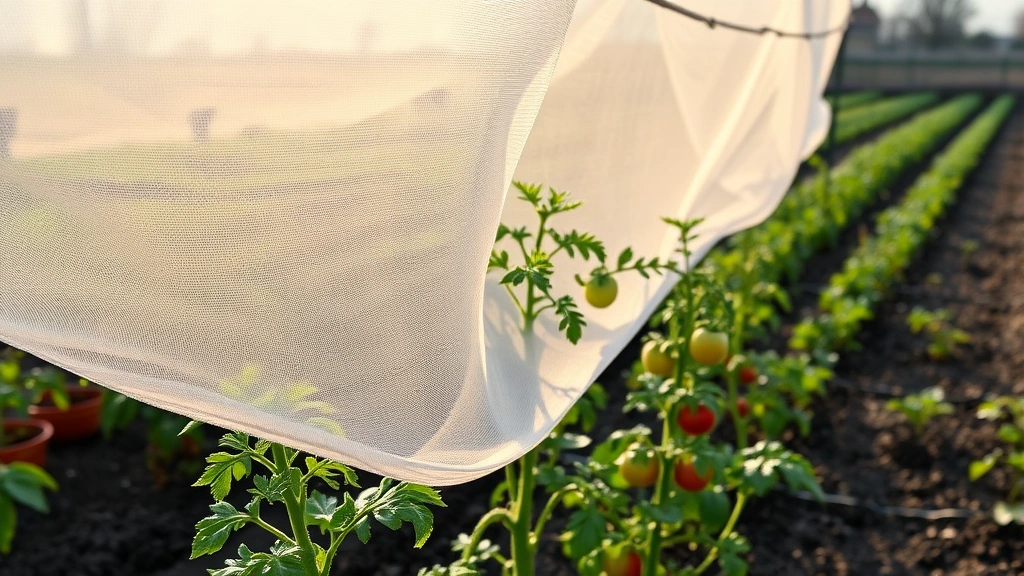
Frost and cold protection represents a major seasonal benefit. Lightweight netting retains warmth by creating an insulating air layer while allowing light penetration. A single layer of frost cloth can protect plants from 2-4 degrees of frost, while multiple layers provide even greater protection. Spring frost threats and early fall freezes become manageable challenges rather than crop-threatening disasters.
This frost protection capability allows gardeners to start plants earlier in spring and extend harvests well into autumn. Tomatoes, peppers, and other heat-loving crops gain critical growing time when protected by netting during unexpected cold snaps. Professional market gardeners maximize season length through strategic netting deployment, significantly increasing yields and profitability.
Wind and weather damage reduction provides another compelling advantage. Heavy rain, hail, and strong winds cause significant damage to tender foliage and developing fruits. Properly installed garden netting absorbs impact energy, protecting delicate plants from weather extremes. This benefit proves particularly valuable in exposed locations or during severe weather seasons.
Light modulation extends garden netting applications into microclimate creation. Shade netting reduces light intensity for heat-sensitive crops during peak summer months. Conversely, reflective netting can concentrate light in shaded areas, supporting plant growth where natural light proves insufficient. These applications transform challenging microclimates into productive growing spaces.
The ability to create microclimates opens exciting gardening possibilities. Gardeners in hot climates can cultivate cool-season vegetables during summer through shade netting deployment. Those in cool regions can extend warm-season crops through frost protection netting. This flexibility allows experimentation with plant varieties previously considered unsuitable for local conditions.
Installation Best Practices for Maximum Effectiveness
Proper installation determines whether garden netting delivers intended benefits or becomes an ineffective frustration.
Foundation and anchoring require careful attention. Netting must be secured tightly to prevent gaps where pests or wildlife can access protected plants. Stakes, clips, and weights should be positioned every 12-18 inches around perimeter edges. Burying netting edges several inches into soil prevents animals from crawling underneath. Professional installations often employ sandbags or soil anchors for maximum security.
When protecting garden beds with quality soil, ensure netting doesn’t rest directly on plants. Proper spacing prevents foliage damage and allows air circulation. Support structures—whether simple wooden frames or specialized netting supports—maintain adequate clearance while keeping netting in place.
Ventilation and moisture management matter significantly, particularly with row cover netting. While netting blocks pests, it can trap excessive moisture if air circulation becomes restricted. Proper installation includes strategically opening edges during high-humidity periods or after heavy rain. Most experienced gardeners partially lift netting edges on warm, humid days to prevent fungal issues.
Inspection and maintenance ensure continued effectiveness. Regular checks reveal tears, gaps, or loose edges that compromise protection. Small holes warrant immediate repair using patches or needle and thread—a quick fix preventing pest infiltration. Seasonal cleaning removes debris and extends netting lifespan.
Storage between seasons protects netting investment. After final use, rinse nets thoroughly and allow complete drying before storage. Folding neatly and storing in dry, protected locations prevents deterioration from UV exposure and moisture damage. Properly maintained netting lasts multiple seasons, improving cost-effectiveness considerably.
Seasonal Applications Throughout the Growing Year
Strategic netting deployment changes with seasons, maximizing protection when plants face specific threats.
Spring applications focus on frost protection and early-season insect management. As seedlings emerge, lightweight frost cloth protects from unexpected cold snaps while fine-mesh insect netting prevents early-season pest establishment. Spring represents the critical window for breaking pest reproduction cycles, making early netting deployment invaluable.
Summer strategies shift toward shade protection and continued pest management. As temperatures peak, shade netting protects heat-sensitive crops while allowing continued insect exclusion. Proper ventilation becomes increasingly important during hot months. Many gardeners remove netting during peak flowering periods, allowing pollinator access while maintaining pest barriers after fruit set.
Fall and winter protection emphasizes frost preservation and season extension. Lightweight netting becomes invaluable as nights cool, protecting tender crops from early freezes. Some gardeners layer multiple netting materials, creating increasingly effective insulation as winter approaches. This technique allows cultivation of cool-season vegetables well into winter months in many climates.
Choosing the Right Mesh Size and Material
Matching netting specifications to intended applications ensures optimal performance and value.
Mesh size selection requires understanding target pests or purposes. Bird netting typically features 3/4-inch mesh, sufficient to exclude birds while allowing easy access for harvesting. Insect netting requires much finer mesh—1/32 inch or smaller—to exclude aphids and other small insects. Deer netting generally uses 3/4-inch mesh with superior strength characteristics.
Finer mesh provides better protection but reduces light penetration and air circulation slightly. This trade-off rarely matters with insect netting, as fine mesh still allows adequate light for plant growth. However, very fine mesh may require additional ventilation management during humid conditions.
Material durability considerations influence long-term value. UV-stabilized polyethylene offers excellent seasonal performance at reasonable cost. Polypropylene and nylon provide superior durability, withstanding multiple seasons of use. The investment in premium materials makes sense for permanent or semi-permanent installations, while seasonal applications may justify economy options.
Weight and handling characteristics affect practical usability. Lightweight netting requires minimal support structure and allows easy installation and removal. Heavier materials provide greater durability but demand more robust support systems. Many gardeners prefer lightweight netting for seasonal applications and reserve heavy-duty materials for permanent installations.
Color selection influences both aesthetics and function. White or clear netting allows maximum light penetration and remains relatively inconspicuous. Black netting provides superior shade but absorbs more heat, potentially affecting plant growth in hot climates. Green netting offers compromise aesthetics while allowing good light transmission.
When combining netting with other garden structures—such as those discussed in our guide to garden benches and garden seating—consider how netting placement affects sight lines and functionality. Thoughtful integration ensures netting provides protection without compromising garden aesthetics or usability.
Urban gardeners developing urban garden spaces find netting particularly valuable for maximizing limited growing areas. Proper netting deployment allows successful cultivation of pest-prone crops in compact spaces where wildlife pressure intensifies.
FAQ
Can garden netting remain on plants permanently?
Permanent netting installation works for some applications, particularly bird protection on trees. However, most gardeners remove netting periodically for inspection, cleaning, and maintenance. Permanent installations require excellent ventilation and regular monitoring to prevent moisture accumulation and disease development. Seasonal removal and storage extends netting lifespan significantly.
Does netting reduce plant growth or yield?
Quality garden netting minimally impacts plant growth when properly installed. Light transmission through standard netting typically exceeds 85-90%, providing adequate light for vigorous growth. Fine-mesh insect netting slightly reduces light penetration but rarely causes measurable yield reduction. Any minor light reduction proves negligible compared to yield losses prevented through pest exclusion.
How do pollinators access flowers through insect netting?
Strategic removal timing allows pollinator access. Most gardeners install insect netting until flowering begins, then remove it during bloom periods. For crops requiring pest protection throughout flowering, hand-pollination or managed pollinator introduction within protected areas provides alternative solutions. This approach proves particularly valuable for squash, cucumber, and melon crops requiring pest exclusion and pollination.
What’s the best time to install frost protection netting?
Install frost netting before frost threats occur, ideally in late spring for last-frost-date protection and early fall for first-frost-date situations. Monitor weather forecasts and install netting when frost warnings appear. Leaving netting in place continuously during frost-prone periods provides consistent protection without installation hassle.
Can netting be reused across multiple seasons?
Absolutely. With proper care, quality garden netting lasts 3-5 years or longer. Rinse after use, allow complete drying, and store in protected locations away from UV exposure. Inspect regularly for tears or damage, making repairs as needed. Reusable netting becomes increasingly cost-effective with each season of use, making initial investment in quality materials worthwhile.