
Garden Mums Care: Expert Gardener Insights
Garden mums, scientifically known as Chrysanthemum morifolium, represent one of the most beloved and versatile flowering plants for both novice and experienced gardeners. These vibrant perennials deliver spectacular blooms in an astonishing array of colors—from deep burgundy and golden yellow to soft pink and pristine white—making them essential additions to autumn gardens across North America. Whether you’re designing a cottage garden, enhancing curb appeal, or creating a cutting garden for fresh floral arrangements, understanding proper garden mums care ensures year-round success and abundant flowering.
The popularity of garden mums extends far beyond their aesthetic appeal. These hardy plants demonstrate remarkable resilience when provided with appropriate growing conditions, and they reward gardeners with prolific blooms that peak during the cooler months when many other flowers fade. With expert guidance on planting, watering, fertilizing, and seasonal maintenance, even beginners can cultivate thriving mum gardens that become neighborhood showstoppers. This comprehensive guide draws from horticultural expertise to help you master every aspect of garden mums care.
Planting Fundamentals for Garden Mums
Successfully establishing garden mums begins with selecting healthy nursery specimens and understanding optimal planting timing. Spring planting, specifically between April and May in most climates, allows mums sufficient time to develop extensive root systems before blooming season arrives in autumn. This extended establishment period significantly improves winter survival rates and promotes vigorous growth. When selecting plants, choose specimens with compact, leafy growth and avoid those displaying leggy characteristics or yellowing foliage.
The planting process itself requires attention to several critical details. Dig a hole approximately twice the width of the root ball and equally deep, ensuring the soil surface aligns with the plant’s crown level—never bury the stem below ground, as this invites rot and fungal issues. When building a raised garden bed for mums, ensure the bed sits at least 6-8 inches above grade to facilitate excellent drainage. Gently loosen the root ball, position the plant, and backfill with amended native soil. Space plants 18-24 inches apart to allow air circulation, which proves essential for disease prevention. Water thoroughly after planting to eliminate air pockets and establish soil-to-root contact.
Container-grown mums offer flexibility for gardeners with limited space or poor native soil conditions. Select containers with drainage holes and use high-quality potting soil blended with perlite or coconut coir for superior drainage. Even when growing mums in pots, spacing multiple plants 12-18 inches apart prevents overcrowding and promotes healthy growth. This containerized approach also simplifies garden bed and trellis arrangements, allowing easy repositioning for optimal aesthetic impact.
Sunlight and Location Requirements
Garden mums are sun-worshipping plants that demand minimum six to eight hours of direct sunlight daily for optimal flowering performance. Sites receiving full southern or western exposure prove ideal, as they maximize photosynthetic capacity and promote dense, compact growth with abundant bloom production. Insufficient light results in spindly growth, reduced flower bud formation, and increased susceptibility to fungal diseases due to poor air circulation.
When selecting planting locations, consider afternoon shade in regions experiencing extreme summer heat exceeding 90°F consistently. Partial shade during intense afternoon hours protects blooms from bleaching while maintaining sufficient light for healthy development. Avoid planting mums beneath large trees that create dense shade or compete aggressively for water and nutrients. Evaluate your site throughout the day to ensure it meets minimum light requirements before making permanent planting decisions.
Wind exposure presents another crucial consideration. While mums benefit from gentle air circulation that prevents fungal issues, strong winds damage tender foliage and flowers while increasing water stress. Position plants in locations with moderate air movement but protected from harsh prevailing winds by structures, hedges, or strategically placed garden decor elements that don’t block beneficial sunlight.
Soil Preparation and Drainage
Exceptional drainage represents the single most critical factor determining garden mums success or failure. These plants absolutely cannot tolerate waterlogged conditions, which rapidly cause root rot and death. Test your native soil’s drainage by digging a 12-inch hole, filling it with water, and observing how quickly it drains. Water should disappear within 24 hours; slower drainage indicates poor drainage requiring amendment.
Improve native soil by incorporating 3-4 inches of aged compost, well-rotted leaf mold, or composted bark into the top 8-12 inches. This organic matter increases porosity, improves water-holding capacity in sandy soils, and enhances microbial activity that supports plant health. Mums prefer slightly acidic to neutral soil with pH between 6.0 and 7.0. Test your soil pH through your local cooperative extension service, which typically provides free or inexpensive soil testing.
In heavy clay soils, creating raised beds or mounds improves drainage substantially. Elevating planting areas even 6-8 inches above grade creates the necessary drainage gradient while providing better root development space. This approach proves particularly valuable in regions receiving significant rainfall or in low-lying garden areas prone to water accumulation.
Watering Schedule and Moisture Management
Establishing consistent watering practices proves essential for garden mums health and flowering performance. Newly planted mums require regular watering for the first 4-6 weeks, keeping soil consistently moist but not waterlogged. Once established, mums tolerate moderate drought but produce superior blooms with consistent moisture during growing and flowering seasons. The ideal approach involves deep, infrequent watering that encourages deep root development rather than shallow, frequent sprinkling.
Water mums early morning, directing water toward the soil rather than overhead. Wet foliage promotes fungal diseases including powdery mildew and septoria leaf spot, particularly during humid conditions or when leaves remain wet overnight. Check soil moisture by inserting your finger 2-3 inches into the soil; water when the top inch becomes dry but before the plant wilts. During peak summer heat, daily watering may be necessary, while spring and fall typically require less frequent watering.
Container-grown mums require more frequent watering than garden-planted specimens since potting soil dries rapidly, especially in warm weather. Check container moisture daily by lifting the pot—it should feel substantial but not waterlogged. Soaker hoses or drip irrigation systems deliver water efficiently while minimizing disease pressure compared to overhead sprinkling. These systems also save time and water while promoting healthier plants.
Fertilizing Program for Maximum Blooms
A strategic fertilizing program supports vigorous growth and abundant flowering throughout the growing season. Begin fertilizing four weeks after planting with a balanced, water-soluble fertilizer formulated for flowering plants, typically containing equal nitrogen, phosphorus, and potassium ratios (10-10-10 or similar). Apply fertilizer every two weeks through mid-July, then transition to a low-nitrogen, higher-phosphorus formula (5-10-10) to encourage flower bud development.
Excessive nitrogen promotes leafy vegetative growth at the expense of flowering, so avoid over-fertilizing with nitrogen-heavy formulas. Organic gardeners achieve excellent results with fish emulsion, seaweed extract, or balanced organic fertilizers applied at recommended rates. Side-dress established plants with 1-2 inches of aged compost in spring to provide slow-release nutrients throughout the season. This approach mimics natural nutrient cycling while improving soil structure over time.
Cease fertilizing by late August to avoid promoting tender new growth that may not harden sufficiently before winter. The exception involves container-grown mums, which benefit from continued light feeding at half-strength through September to support continuous blooming in pots. Foliar feeding with diluted liquid fertilizer provides quick nutrient uptake during peak growth periods, particularly beneficial when soil conditions limit root nutrient absorption.
Pruning and Pinching Techniques
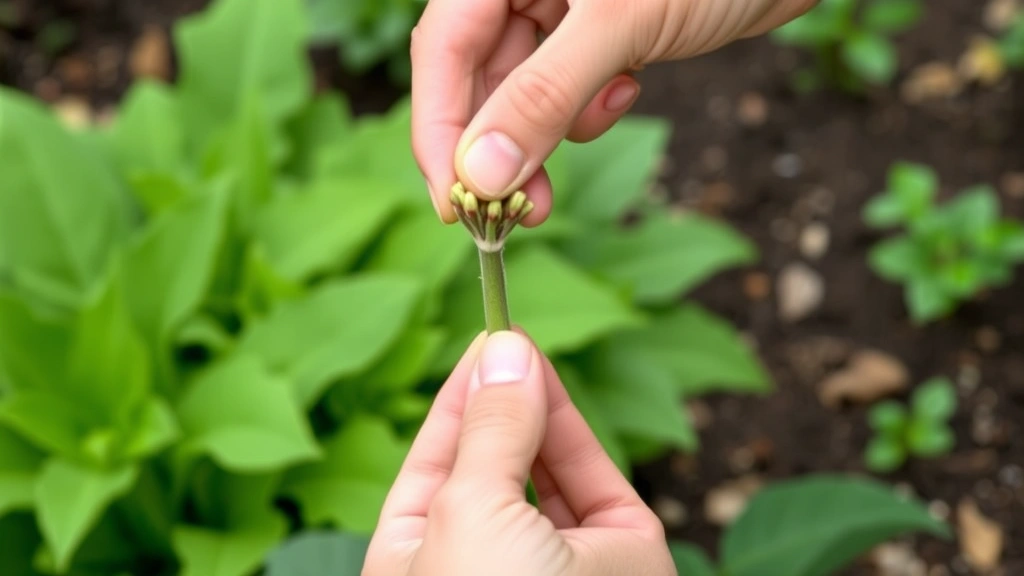
Strategic pruning and pinching dramatically influences mum plant structure, promoting branching that results in fuller plants with more abundant flowers. Begin pinching when plants reach 6 inches tall, removing the top 1-2 inches of stems to encourage lateral branch development. Repeat pinching every three to four weeks through mid-July, with each pinching creating two new branches that will eventually produce flower buds.
Pinching timing proves critical for autumn blooming success. Mums require approximately 8-10 weeks from final pinching to full flower development, so cease pinching by mid-July in northern climates and by late July in southern regions. Pinching too late results in late-season blooming or insufficient flowering. Each pinch removes potential flowering stems temporarily, but the resulting branching produces exponentially more flowers than unpinched plants.
After blooming concludes in autumn, cut back dead stems to 6-8 inches above ground in late fall or early spring. This cleanup prevents disease overwintering while promoting vigorous spring growth from the base. Remove any damaged, diseased, or weak stems immediately upon discovery, cutting back to healthy tissue to maintain plant vigor and appearance throughout the season.
Pest and Disease Management
Garden mums attract several common pests and diseases that require proactive management for optimal plant health. Spider mites, particularly prevalent during hot, dry weather, cause fine stippling on leaves and eventual leaf drop. Increase humidity by misting foliage (early morning only) and ensure adequate watering to stress mites. Insecticidal soap or neem oil provides organic control when infestations develop. Whiteflies and aphids also target mums; inspect leaf undersides regularly for early detection.
Fungal diseases including powdery mildew, leaf spots, and rust thrive in humid conditions with poor air circulation. Prevention through proper spacing, overhead irrigation avoidance, and pruning for airflow proves more effective than treatment. Improve air circulation by removing lower leaves and thinning dense growth. When fungal issues develop, remove affected foliage and apply sulfur-based fungicides or potassium bicarbonate products according to label directions. Neem oil also provides fungal control for organic gardeners.
Root rot caused by overwatering or poor drainage represents the most serious threat to mum survival. This condition proves difficult to treat, making prevention through proper drainage and watering practices essential. Ensure soil drains well, avoid waterlogging, and allow soil to dry slightly between waterings. If root rot develops, stop watering immediately, improve drainage, and consider repotting into fresh, dry soil if the plant is in a container.
Seasonal Care Throughout the Year
Spring (April-May): This optimal planting season offers ideal conditions for establishing new mums. Plant nursery specimens, apply 2-3 inches of organic mulch around plants (keeping mulch 2 inches from stems), and begin regular watering as growth accelerates. Start pinching when plants reach 6 inches tall. Fertilize every two weeks with balanced formula.
Summer (June-August): Maintain consistent moisture through regular watering, particularly during heat waves. Continue pinching through mid-July to promote branching. Transition fertilizer to low-nitrogen formula by late July. Monitor for pests and diseases, addressing issues promptly. Provide afternoon shade in extreme heat regions. Mulch helps retain moisture and regulate soil temperature.
Fall (September-November): This is mum showcase season when plants produce spectacular flowers. Reduce watering slightly as temperatures cool and rainfall increases in many regions. Allow plants to bloom without disturbance. Enjoy cutting flowers for arrangements; cutting actually extends overall blooming by promoting additional flower development. After frost kills foliage, cut plants back to 6-8 inches.
Winter (December-March): In cold climates, apply 3-4 inches of mulch after ground freezes to protect crowns from freeze-thaw cycles. In mild climates, mums may continue growing slowly; reduce watering significantly. Avoid fertilizing during dormancy. In spring, remove winter mulch as new growth emerges. This dormant period allows plants to regenerate energy reserves for next season’s growth.
Overwintering and Perennial Success
While often treated as annuals, garden mums are perennials capable of surviving winter and returning for years when provided appropriate care. Winter survival depends on climate zone, drainage, and variety selection. Choose hardy varieties rated for your USDA hardiness zone, typically hardy to zone 5 or 6. Perform a site evaluation at your local USDA plant hardiness zone resource to ensure proper variety selection.
Excellent drainage proves absolutely essential for winter survival, as moist soil promotes root rot during freezing periods. In poorly draining soil, consider lifting mums in late fall, potting them in sandy potting soil, and storing in a cool but frost-free location through winter. Water sparingly during storage, just enough to prevent complete desiccation. Return plants to the garden in spring once soil becomes workable and frost danger passes.
Apply winter mulch after ground freezes to prevent frost heaving that damages roots. Use loose materials like straw, leaves, or bark mulch, applying 3-4 inches over the planting area. This insulation stabilizes soil temperature and protects crowns from damaging freeze-thaw cycles. Remove mulch gradually in spring as temperatures warm, allowing plants to transition to full sun gradually.
Some gardeners treat hardy mums as tender perennials, lifting plants after first frost and storing them indoors for winter, then replanting in spring. This approach guarantees winter survival but requires more labor. Whether pursuing perennial or annual growing strategies, consistent excellent care ensures beautiful mum displays year after year.

FAQ
When is the best time to plant garden mums?
Spring planting between April and May provides optimal conditions for mums to establish extensive root systems before autumn blooming. Fall planting is possible but offers limited establishment time before winter dormancy. Container-grown nursery mums can technically be planted anytime during the growing season, though spring and early summer are preferable.
How often should I water garden mums?
Water deeply when the top inch of soil becomes dry, typically every 2-3 days during active growth and hot weather. Newly planted mums require more frequent watering for the first 4-6 weeks. Reduce watering frequency in fall and winter. Avoid overhead watering; use soaker hoses or drip irrigation to minimize disease pressure.
Can I grow garden mums in containers?
Yes, mums thrive in containers when provided quality potting soil, adequate drainage holes, and consistent moisture. Container gardening offers flexibility for those with poor native soil or limited space. Container plants require more frequent watering than garden-planted specimens. Combine multiple mums in large containers for dramatic impact, or grow individual plants in 12-14 inch pots.
Why aren’t my mums blooming?
Insufficient sunlight (less than 6 hours daily) represents the primary cause of poor flowering. Other factors include excessive nitrogen fertilizer promoting leaf growth over flowers, improper pinching timing, and pest or disease stress. Ensure plants receive full sun, transition to low-nitrogen fertilizer by late July, and maintain pinching schedule through mid-July.
Do garden mums need winter protection?
In zones 5 and colder, apply 3-4 inches of mulch after ground freezes to protect crowns. In milder zones, winter protection may be unnecessary. Excellent drainage proves more critical than mulch for winter survival. Consider lifting plants and storing indoors in poorly draining soil regions.
How do I prevent powdery mildew on mums?
Ensure adequate spacing for air circulation, avoid overhead watering, and prune lower leaves to improve airflow. Water early morning so any wet foliage dries quickly. In humid climates, apply sulfur-based fungicides or potassium bicarbonate products preventatively starting in mid-summer. Remove affected foliage immediately upon discovery.
Can I divide garden mums?
Yes, divide established mum clumps in early spring as new growth emerges. Dig plants carefully and separate into smaller sections, each containing several shoots and roots. Replant divisions immediately in prepared soil and water thoroughly. Divisions establish quickly and typically bloom the first season, though flowering may be lighter than established plants.
What’s the difference between garden mums and florist mums?
Garden mums are hardy perennials bred for landscape performance and winter survival, featuring branching growth habits and moderate-sized flowers. Florist mums are tender varieties bred for cut flowers and potted plant longevity indoors, featuring dense growth and large exhibition blooms. Garden mums typically survive winter outdoors in appropriate zones, while florist mums require protection or replanting annually.
Should I deadhead spent mum flowers?
Deadheading (removing spent flowers) extends blooming periods by encouraging continuous flower production. Pinch or cut off faded flower clusters, leaving attractive foliage intact. This practice promotes branching that produces additional flowers. In fall as blooming concludes, stop deadheading and allow plants to rest, as this transition signals plants to harden off for winter.
How can I create a succession of blooms throughout autumn?
Plant varieties with different bloom times, selecting early, mid-season, and late-blooming cultivars. Early varieties typically bloom by September, while late types extend blooming into November. Adjust pinching timing slightly for different varieties—pinch early bloomers slightly earlier and late bloomers slightly later—to stagger flowering across the entire autumn season.
For additional expert guidance on mum cultivation and care, consult resources from the American Horticultural Society, your local cooperative extension service, or visit Master Gardener programs in your area for personalized advice tailored to your climate and conditions.


