
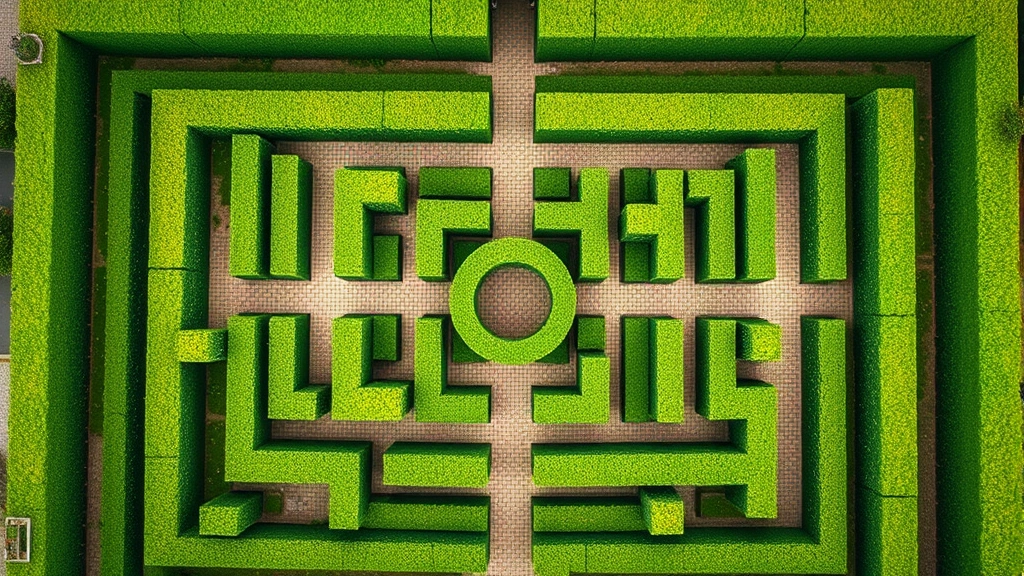
Creating a Garden Maze? Expert Design Tips for Your Living Labyrinth
A garden maze transforms your outdoor space into an interactive landscape feature that delights visitors and challenges the mind. Whether you’re envisioning an elaborate hedge maze or a simpler pathway design using raised garden beds, creating this living artwork requires thoughtful planning, strategic plant selection, and maintenance commitment. Garden mazes have captivated people for centuries, from the famous Hampton Court Palace maze to contemporary residential designs that turn backyards into adventure destinations.
Building a successful garden maze isn’t merely about arranging plants in confusing patterns. It demands understanding spatial design principles, selecting appropriate vegetation, calculating your garden investment with our value calculator, and establishing a maintenance schedule that keeps your living structure thriving year-round. This comprehensive guide walks you through every stage of creating a garden maze that becomes a beloved focal point in your landscape.
Understanding Garden Maze Types and Styles
Before you begin constructing your garden maze design, understand the primary categories available to homeowners. Classical mazes feature a single winding path leading to a central point, inspired by medieval European traditions. These designs emphasize aesthetics and meditation rather than confusion. Multicursal mazes present multiple pathways with numerous decision points, creating genuine puzzles where visitors must make choices to reach the center or exit. Contemporary mazes blend artistic expression with playful challenge, incorporating modern shapes, themes, or symbolic patterns visible only from elevated viewpoints.
The complexity you choose depends on available space, your horticultural experience, and intended use. A simple labyrinth pattern works beautifully in modest yards and requires less intensive maintenance than elaborate multicursal designs. Many gardeners begin with modest 20-by-20-foot designs and expand over seasons as confidence grows. Consider whether you want your maze to be a meditative walking experience or an entertaining puzzle that challenges problem-solving skills.
Your maze’s style should complement existing landscape architecture. Formal gardens suit geometric, symmetrical designs with clean lines. Naturalistic settings accommodate curved, organic patterns that blend seamlessly with surrounding plantings. Themed mazes—perhaps shaped like animals, objects, or symbolic forms—add personality and create Instagram-worthy focal points.
Designing Your Maze Layout
Successful maze design begins on paper, not in soil. Start by sketching your space to scale, noting sun exposure, existing structures, and utility locations. Most residential mazes occupy 30-by-40 feet to 50-by-60 feet, though smaller versions work equally well. Use graph paper or digital design tools to experiment with patterns before committing to construction.
The width of pathways significantly impacts user experience. Paths should accommodate comfortable walking—minimum 3 feet for single-file passage, ideally 4-5 feet for couples or families walking together. Hedge walls should reach 4-6 feet tall to obscure sightlines and create genuine confusion. Lower walls (2-3 feet) work for children’s mazes or designs where visibility adds to the fun. Consider accessibility requirements if elderly visitors or individuals with mobility challenges will use your maze.
Professional maze designers often use mathematical principles to ensure solution logic. Create clear entrance and exit points, ideally at opposite ends or corners to maximize journey length. The central feature might be a seating area, sculpture, fountain, or viewing platform. Mark dead ends intentionally—they’re essential puzzle elements. Test your design by tracing the solution path multiple times to verify it’s navigable and challenging without being impossibly frustrating.
Digital tools like maze generator websites can help you create patterns quickly, though hand-drawn designs often feel more personal. Print your final design at scale and use it as a template during installation. Many gardeners photograph their design and reference it on tablets during planting to maintain accuracy.
Selecting Plants for Maze Construction
Plant choice makes or breaks your garden maze’s success. The ideal plant grows densely, responds well to shearing, maintains structure through seasons, and reaches your desired height reliably. Climate zone, available space, and maintenance tolerance guide selection.
Boxwood remains the gold standard for formal mazes. English boxwood grows slowly but creates impeccably neat hedges. Japanese boxwood tolerates heat better and grows slightly faster. Korean boxwood offers cold hardiness for northern regions. Boxwood’s fine texture creates elegant lines, though plants cost more than alternatives and grow slowly (expect 6-12 inches annually).
Privet hedges grow faster than boxwood, reaching desired heights in 3-4 years rather than 5-7 years. Common privet is vigorous and affordable, though deciduous in cold climates. Semi-evergreen varieties maintain some winter foliage. Privet requires more frequent trimming than boxwood—expect 2-3 shearing sessions yearly.
Yew provides excellent density and dark green foliage, growing moderately fast. Yews excel in shade and cooler climates. They’re toxic to humans and pets, which matters if children will play nearby. Yew requires careful handling during installation but responds beautifully to shaping.
Holly varieties offer evergreen structure with attractive foliage and berries. Japanese holly grows more compactly than American varieties. Holly is slower-growing than privet but faster than boxwood, requiring moderate maintenance.
Rosemary creates aromatic mazes in Mediterranean and warm climates. Though less formal than traditional hedge plants, rosemary’s fragrance delights visitors. It requires excellent drainage and full sun, limiting placement options.
For budget-conscious gardeners, privet or hawthorn offer rapid establishment and affordability. Dwarf varieties create smaller mazes suitable for containers or limited spaces. Consider combining plant types—using boxwood for the main structure and complementary plants for visual interest.
Plant spacing depends on mature size and desired timeline. Boxwood plants typically space 18-24 inches apart. Privet tolerates closer spacing (12-18 inches) for faster hedge establishment. Yew and holly space at 24-30 inches. Closer spacing creates denser hedges faster but increases plant costs and competition for resources.
Site Preparation and Installation
Proper preparation ensures your maze thrives for decades. Begin by testing soil in your maze area. Most hedge plants prefer slightly acidic to neutral soil (pH 6.0-7.0) with good drainage. Amend heavy clay with compost or aged bark to improve structure. Sandy soils benefit from organic matter to increase water retention. Most hedging plants require 1-2 inches of compost worked into the top 8-12 inches of soil.
Mark your design on the ground using landscape paint, flour, or stakes and string. Walk the pattern to verify proportions look correct at full scale. Adjust spacing or pathway widths if needed—changes are simple before planting but impossible afterward. Consider installing drip irrigation before planting to simplify watering during establishment. Soaker hoses running along planting lines ensure consistent moisture during the critical first year.
Plant in spring or fall when temperatures moderate and plants establish roots before stress periods. Spring planting works best in most climates, allowing full growing season for establishment. Container-grown plants can be installed through summer with consistent watering. Bare-root plants (often cheaper) require spring planting and immediate hydration.
Dig planting holes slightly larger than root balls, positioning plants at the same depth they grew in nurseries. Water thoroughly after planting. Apply 2-3 inches of mulch around plants, keeping material away from stems to prevent rot. This protects roots, moderates soil temperature, and suppresses weeds that compete for resources.
Install edging along maze pathways to define boundaries and simplify maintenance. Metal, stone, or plastic edging prevents plants from encroaching on walking areas. Some gardeners use quality garden shears and hand-trim edges, though edging reduces this labor.
Water deeply and consistently during the first growing season. Most newly planted hedges need 1-2 inches weekly, more in hot, dry weather. Use a 100-foot garden hose to reach distant maze sections without dragging equipment repeatedly. Drip irrigation systems deliver water efficiently and reduce disease pressure from wet foliage.
Resist the urge to trim heavily during the first year. Light shaping encourages branching and density, but removing more than 20% of growth stresses young plants. Begin formal pruning in year two once plants establish strong root systems.
Maintenance and Long-Term Care
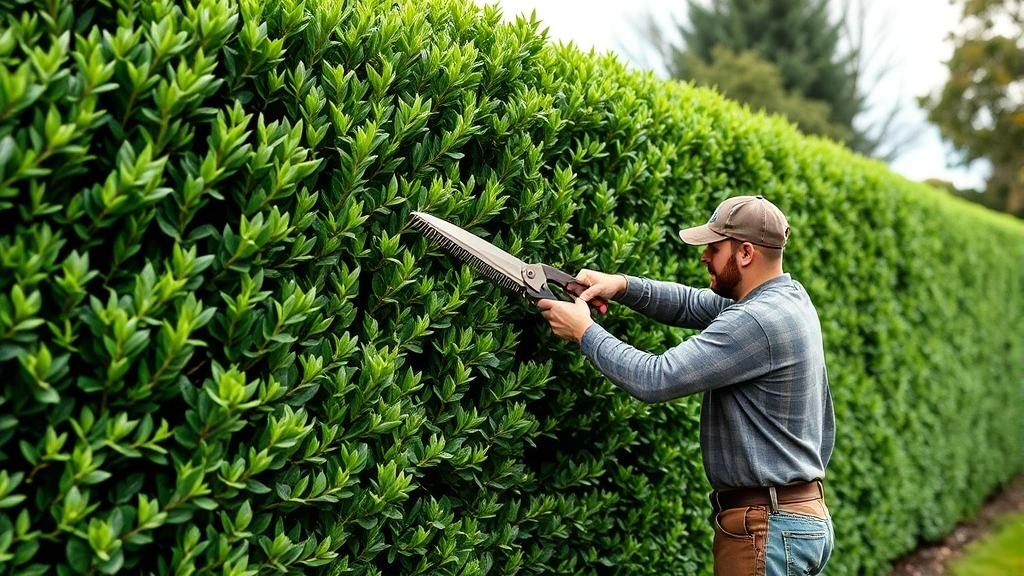
Your garden maze maintenance routine determines long-term success and appearance. Establish a regular trimming schedule based on plant type and growth rate. Boxwood typically needs one annual trim in late spring. Privet requires 2-3 trims yearly to maintain neat appearance. Yew and holly need 1-2 trims annually. Plan major shaping for late spring after new growth hardens; light touch-ups work in mid-summer and early fall.
Invest in quality garden shears and hedge trimmers appropriate to your maze size. Hand shears work for small mazes; power hedge trimmers save labor on larger projects. String trimmers or electric shears produce cleaner cuts than dull tools, reducing disease entry points and improving appearance.
Trim hedges slightly narrower at the top than at the base—this A-frame or tapered profile allows sunlight to reach lower foliage, preventing bare patches and maintaining density. Avoid cutting into brown wood; new growth from brown interior wood develops slowly. Always cut just above leaf nodes or buds to encourage branching in desired directions.
Monitor for pests and diseases common to your chosen plants. Spider mites, scale insects, and boxwood leaf miners plague certain species in specific regions. Consult local USDA plant health resources for region-specific pest management. Many problems respond to cultural practices—proper spacing for air circulation, avoiding overhead watering, and removing infected branches promptly.
Fertilize established mazes annually in spring using balanced, slow-release fertilizer. Most hedging plants thrive with modest nutrition; excess nitrogen promotes soft growth susceptible to disease. Micronutrient deficiencies sometimes appear, particularly in alkaline soils; iron chelate applications resolve chlorosis issues.
Weeds within maze pathways diminish aesthetics and harbor pests. Maintain 2-3 inches of mulch on pathways to suppress weeds. Hand-pull persistent weeds or apply targeted herbicides according to product directions. Landscape fabric under mulch provides additional weed control, though it may complicate future maze modifications.
Seasonal Considerations
Your maze responds to seasonal changes, requiring adjusted care throughout the year. Spring brings vigorous growth—the ideal time for major pruning and shaping. New growth hardens quickly, and plants recover rapidly from spring trimming. Apply slow-release fertilizer in early spring to support new foliage development.
Summer requires consistent watering, particularly for newly planted mazes. Established plants tolerate moderate drought but perform better with supplemental irrigation during hot, dry periods. Perform light summer trims to maintain shape and encourage density before fall dormancy. Avoid heavy pruning in late summer, which stimulates tender growth vulnerable to fall frost.
Fall is the second-best planting season in many climates. Cooler temperatures reduce transplant stress, and plants establish roots before winter. Reduce fertilizer applications in late summer to allow plants to harden for winter. Fall cleanup removes debris that harbors pests and diseases.
Winter dormancy affects deciduous species like privet. Evergreen hedges continue photosynthesizing but grow slowly. Heavy snow or ice can damage branches; gently brush off accumulation rather than allowing weight to bend limbs permanently. In regions with harsh winters, late fall wrapping with burlap protects delicate species from desiccating winds.
Consider seasonal use when designing your maze. Spring and fall offer ideal walking conditions with moderate temperatures. Summer visits require shaded areas or water features for comfort. Winter access depends on snow removal and ice management—important considerations in snowy regions.
Seasonal color variations affect maze aesthetics. Deciduous plants reveal structure in winter, creating stark beauty some gardeners prefer. Evergreens maintain consistent appearance year-round. Variegated foliage adds visual interest in all seasons, while flowering hedges like hawthorn provide seasonal color bursts.
FAQ
How long does it take to grow a garden maze?
Timeline depends on plant choice and desired height. Fast-growing privet reaches 4-5 feet in 3-4 years; boxwood requires 5-7 years for similar heights. Dwarf varieties grow slower but mature faster than full-size plants. Most gardeners achieve functional, attractive mazes within 3-5 years of planting.
What’s the minimum space needed for a garden maze?
Small mazes work in 15-by-15-foot areas, though 20-by-20 feet provides more comfortable proportions. Larger properties accommodate elaborate 50-by-75-foot designs. Pathway width (minimum 3 feet) and hedge height (typically 4-6 feet) determine space requirements more than overall size.
Can I create a maze with perennial plants instead of hedges?
Yes, though it requires different approaches. Tall perennials like ornamental grasses, salvias, or coneflowers create maze-like patterns. These plants require more frequent maintenance and live shorter lifespans than woody hedges. They work better for temporary or seasonal mazes.
How much does building a garden maze cost?
Costs vary dramatically based on size, plant choice, and site preparation. A modest 20-by-20-foot maze using privet might cost $400-800 for plants. Boxwood varieties run $1,200-2,500 for similar spaces. Site preparation, soil amendments, and professional installation multiply costs significantly. Use our garden value calculator to estimate your specific project.
Can mazes be made accessible for wheelchair users?
Absolutely. Design pathways at least 5-6 feet wide with gentle slopes or level surfaces. Smooth hardscaping materials like pavers or compacted gravel work better than loose mulch. Ensure maze solutions don’t require climbing or reaching overhead features. Accessible mazes delight all visitors while accommodating mobility challenges.
What if my maze becomes overgrown or misshapen?
Most hedges respond well to rejuvenation pruning. Cut plants back to 12-18 inches from the ground in late winter or early spring; new growth emerges from dormant buds within weeks. This drastic approach takes 1-2 seasons to restore height but revitalizes declining plants. Avoid rejuvenation on yew, which may not recover from severe cutting.
Are there alternatives to traditional hedge mazes?
Absolutely. Rain gardens can be designed in maze patterns. Colored mulch, stones, or pavers create ground-level mazes visible from above. Raised garden beds planted with tall vegetables or flowers form playful mazes. Garden windows can frame maze views, creating visual interest even in small spaces.