A well-designed garden irrigation system is the backbone of a thriving garden, whether you’re cultivating vegetables, herbs, or ornamental plants. Proper watering not only saves time and effort but also conserves precious water resources while promoting healthier, more productive plants. In this comprehensive guide, we’ll explore professional irrigation strategies, cutting-edge technologies, and practical techniques that transform how you water your garden.
Efficient irrigation goes beyond simply turning on a hose. It’s about delivering the right amount of water at the right time to the right location. When you master these principles, you’ll notice improved plant growth, reduced water waste, and lower utility bills. Whether you’re managing a small backyard garden or a sprawling landscape, these pro tips and tricks will elevate your gardening game.
Understanding Your Garden’s Water Needs
Every garden has unique water requirements based on climate, soil type, plant selection, and seasonal conditions. Before investing in any garden irrigation system, assess your specific needs carefully. Plants in sandy soil require more frequent watering than those in clay, while shade gardens need less water than sun-exposed beds.
The general rule is that most vegetable gardens need 1 to 2 inches of water per week, though this varies significantly. Deep-rooted perennials like established trees need less frequent watering but more volume per session, while shallow-rooted annuals and herbs need consistent, lighter applications. Consider the specific requirements of your plants—succulents and Mediterranean herbs tolerate drought better, while tomatoes and leafy greens demand consistent moisture.
Soil moisture testing is essential. Push your finger 2-3 inches into the soil; if it feels dry at that depth, it’s time to water. For container gardens and growing cucumbers in pots, check daily during hot weather. Understanding evapotranspiration—the combined water loss from soil evaporation and plant transpiration—helps you calculate precise irrigation schedules.
Types of Irrigation Systems
Modern gardeners have numerous options for delivering water efficiently. Each system type offers distinct advantages depending on your garden layout, budget, and maintenance preferences.
- Overhead sprinklers: Traditional sprinkler systems that distribute water from above. While effective for large areas, they waste water through evaporation and may promote fungal diseases by wetting foliage.
- Drip irrigation: Delivers water directly to soil near plant roots with minimal waste. This is the most efficient option for vegetable gardens and landscape beds.
- Soaker hoses: Porous hoses that seep water slowly along their length. Perfect for raised bed gardening and linear planting arrangements.
- Micro-sprinklers: Small sprinkler heads that distribute water in controlled patterns. Ideal for ornamental gardens and areas requiring specific coverage patterns.
- In-ground systems: Professionally installed permanent systems with underground piping and zone controls. Excellent for large properties but require significant initial investment.
Drip Irrigation: The Gold Standard
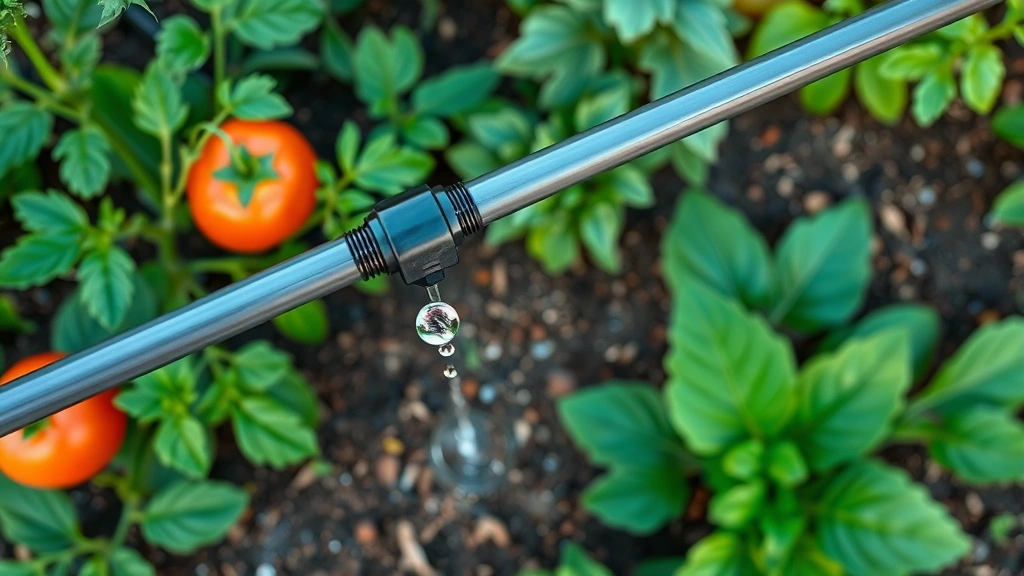
Drip irrigation represents the pinnacle of water efficiency, delivering 90% of water directly to plant root zones. This system uses tubing with emitters that dispense water slowly and precisely, reducing runoff and evaporation dramatically.
Setting up a basic drip system: Start with a main line connected to your water source. From this, branch lines extend to garden beds, with drip lines or drip tape laid along plant rows. Emitters can be spaced to match plant spacing, ensuring every plant receives adequate hydration. For building raised garden beds, drip systems integrate seamlessly.
Drip irrigation excels in several scenarios. When growing water-intensive crops like tomatoes or peppers, drip systems maintain consistent soil moisture while keeping foliage dry, preventing disease. For herb garden sage and Mediterranean plants, you can dial in precise watering to avoid overwatering sensitive species. The system also works exceptionally well on slopes where water runoff is problematic.
Maintenance considerations: Drip systems require regular inspection for clogs and leaks. Use filtered water to prevent emitter blockages. Flush the system periodically to clear accumulated debris. In winter, drain the system in cold climates to prevent freeze damage.
Soaker Hoses and Micro-Sprinklers
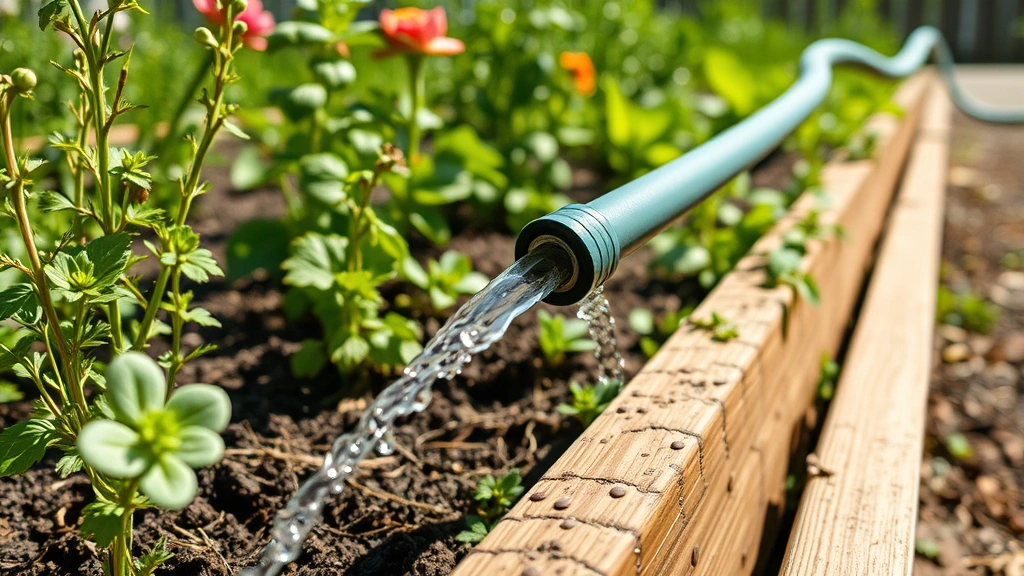
For gardeners seeking simplicity without sacrificing efficiency, soaker hoses offer an excellent middle ground. These porous tubes weep water along their entire length, creating a slow, thorough watering effect perfect for vegetable rows and perennial borders.
Advantages of soaker hoses: They’re affordable, easy to install, and require minimal maintenance. Simply lay them along plant rows, connect to a spigot, and turn on. Water seeps directly into soil, reducing evaporation. They work particularly well in advantages of raised bed gardening setups where you want consistent moisture across the entire bed.
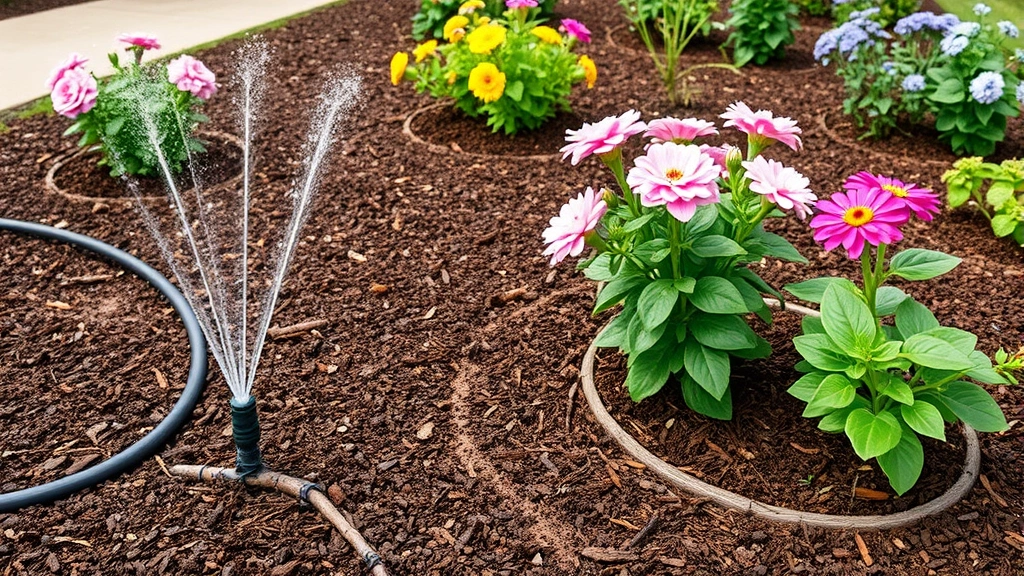
For ornamental gardens and container arrangements, micro-sprinklers provide targeted coverage. These small sprinkler heads emit water in specific patterns—full circle, half-circle, or quarter-circle—allowing precise customization. They’re particularly useful for mixed plantings with varying water needs.
Combining techniques: Many successful gardeners use both soaker hoses and micro-sprinklers strategically. Use soaker hoses for vegetable beds and perennials, while deploying micro-sprinklers for ornamental shrubs or specimen plants requiring specific coverage patterns.
Smart Irrigation Controllers
Technology has revolutionized garden irrigation through smart controllers that automate watering schedules based on weather conditions, soil moisture, and plant requirements. These devices represent a significant leap forward in water conservation and garden management efficiency.
Weather-based controllers: These systems connect to local weather data and adjust watering schedules automatically. If rain is forecasted or has recently fallen, the system reduces or skips irrigation cycles. This prevents overwatering and saves substantial water annually.
Soil moisture sensors: These devices measure actual soil moisture content and trigger irrigation only when needed. Rather than watering on a fixed schedule, the system responds to real conditions, eliminating guesswork and preventing both drought stress and waterlogging.
WiFi-enabled systems: Modern smart controllers allow remote management via smartphone apps. Check soil conditions, adjust watering times, and receive alerts about system issues from anywhere. This technology proves invaluable when traveling or managing multiple garden areas.
When selecting a smart controller, ensure compatibility with your existing system and consider water source type—well water, municipal supply, or reclaimed water. Integration with garden fertilizer injection systems creates comprehensive automated nutrition and hydration management.
Seasonal Adjustments and Timing
Efficient irrigation requires seasonal flexibility. Water needs fluctuate dramatically throughout the year based on temperature, humidity, rainfall, and plant growth stages.
Spring: As temperatures rise and plants emerge from dormancy, increase watering gradually. Early spring often brings adequate rainfall, so monitor soil conditions closely before supplementing. Adjust controller schedules upward as growth accelerates.
Summer: Peak heat demands maximum irrigation attention. Water deeply and less frequently to encourage deep root development. Early morning watering between 5-7 AM minimizes evaporation and allows foliage to dry quickly, reducing disease risk. Avoid evening watering, which leaves plants wet overnight, promoting fungal infections.
Fall: Reduce watering frequency as temperatures drop and growth slows. Many plants enter dormancy and require significantly less moisture. This is an excellent time to establish perennials and shrubs, as cooler conditions and natural fall rainfall support root establishment.
Winter: Most gardens require minimal supplemental irrigation. Dormant plants have minimal water needs, and winter rainfall typically provides adequate moisture. In arid climates or during dry winters, occasional deep watering protects evergreen plants and prevents winter desiccation.
Mulching for Water Retention
Strategic mulching dramatically enhances irrigation efficiency by reducing evaporation and maintaining consistent soil temperature and moisture. A 2-3 inch layer of organic mulch can reduce water requirements by 30-50%.
Organic mulches: Compost, bark chips, straw, and wood chips suppress weeds while decomposing gradually to improve soil structure. As they break down, they increase soil’s water-holding capacity, creating a beneficial feedback loop. When using mulch, apply garden fertilizer before mulching to ensure nutrients reach soil.
Inorganic options: Landscape fabric and gravel suppress weeds and reduce evaporation but don’t improve soil. These work well for ornamental gardens where soil amendment is secondary to water conservation.
Mulch placement matters critically. Keep mulch 2-3 inches away from plant stems to prevent rot and pest issues. Reapply organic mulch annually as it decomposes, maintaining consistent depth year-round.
Common Irrigation Mistakes
Even well-intentioned gardeners often make irrigation errors that waste water and compromise plant health. Recognizing and avoiding these mistakes significantly improves results.
Overwatering: The most common gardening error, overwatering suffocates roots by displacing oxygen from soil. Signs include yellowing leaves, root rot, and fungal diseases. Remember that most plants prefer slightly dry conditions to consistently wet soil.
Watering at wrong times: Midday watering wastes water through evaporation. Evening watering leaves foliage wet, promoting disease. Water early morning when conditions favor absorption and plant health.
Shallow watering: Frequent light watering encourages shallow roots, making plants drought-vulnerable. Instead, water deeply but less frequently to establish deep, resilient root systems.
Ignoring soil type: Sandy soil requires more frequent watering but drains quickly, while clay retains moisture longer. Adjust frequency and duration based on your specific soil composition.
Neglecting system maintenance: Clogged emitters, kinked hoses, and leaking connections waste significant water. Inspect your garden irrigation system monthly to catch problems early.
Uniform watering for diverse plants: Different plants have different needs. Group plants with similar water requirements together, allowing customized irrigation for each zone. When protecting your garden, consider how different protective measures interact with irrigation systems.
FAQ
How often should I water my garden?
Most gardens need 1-2 inches weekly, but frequency depends on soil type, climate, and plant selection. Check soil moisture 2-3 inches deep; water when dry at that depth. Sandy soil needs more frequent watering than clay.
Is drip irrigation worth the investment?
Absolutely. While initial costs are higher, drip systems reduce water usage by 30-50% compared to overhead sprinklers. The savings in water bills and reduced maintenance quickly offset initial investment, typically within 2-3 seasons.
Can I use recycled water for irrigation?
Yes, greywater from sinks, showers, and washing machines can irrigate ornamental gardens and non-edible plants. However, avoid greywater for vegetables unless it comes from produce washing. Never use water containing soap or chemicals.
What’s the best time to install an irrigation system?
Spring is ideal, allowing the system to mature before peak summer heat. Fall installation works in mild climates. Avoid winter installation in cold regions where frozen ground complicates setup.
How do I winterize my irrigation system?
Drain all water from lines and emitters to prevent freeze damage. Blow out remaining water using compressed air. Store hoses in a protected location. In spring, inspect for damage before reconnecting.
Should I water container plants differently than garden beds?
Yes, containers dry faster than ground gardens. Check container soil daily during hot weather and water when the top inch feels dry. Container irrigation often requires daily attention during summer.


