
How to Start a Herb Garden: Pro Advice Inside
Starting a herb garden is one of the most rewarding gardening projects you can undertake, whether you’re a complete beginner or an experienced gardener looking to expand your growing space. Fresh herbs elevate your cooking, provide natural remedies, and create a fragrant atmosphere in your home or outdoor area. The beauty of herb gardening lies in its simplicity—most herbs are forgiving plants that thrive with minimal care, making them perfect for gardeners of all skill levels.
In this comprehensive guide, we’ll walk you through everything you need to know to establish a thriving herb garden. From selecting the right location and choosing which herbs to grow, to mastering soil preparation and ongoing maintenance, you’ll discover professional tips that ensure your herbs flourish year-round. Whether you’re dreaming of a sunny windowsill garden, a DIY raised garden bed packed with culinary favorites, or container gardens on your patio, this guide covers all the essential knowledge you need.
Choosing the Perfect Location for Your Herb Garden
The location you select for your herb garden fundamentally determines how well your plants will grow. Most culinary herbs—including basil, oregano, thyme, and rosemary—are sun-loving plants that require at least six to eight hours of direct sunlight daily. Before committing to a spot, observe your yard or home throughout the day to identify areas that receive consistent, unobstructed sunlight.
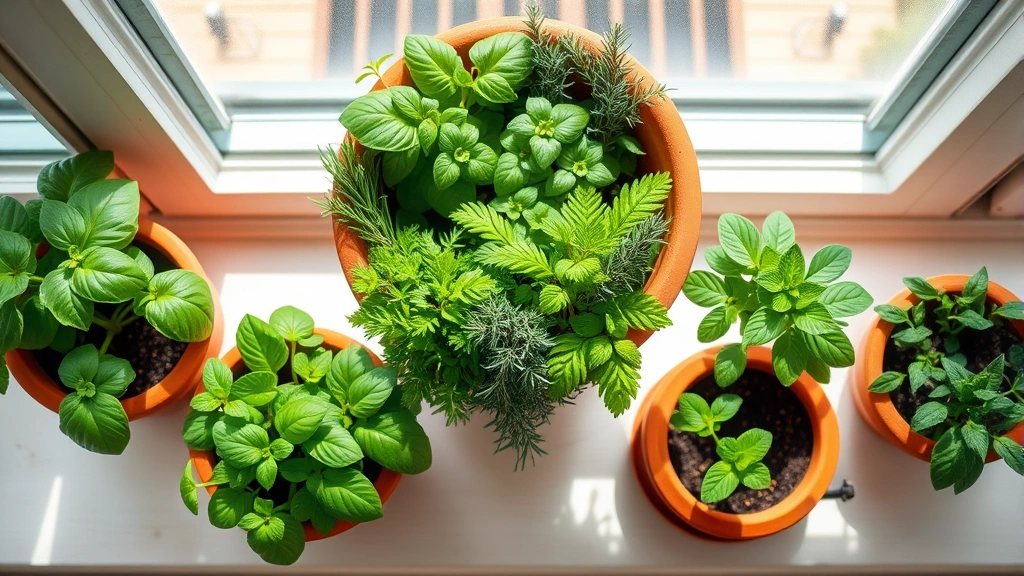
If you’re gardening indoors, a south-facing window provides the most reliable light exposure. North-facing windows receive the least light and should be avoided unless you’re growing shade-tolerant herbs like mint or parsley. East-facing windows offer gentle morning sun, while west-facing windows provide intense afternoon heat—excellent for Mediterranean herbs but potentially stressful during summer months.
Consider proximity to your kitchen when choosing a location. Herbs that are convenient to reach encourage frequent harvesting, which promotes bushier growth and better productivity. Many gardeners create garden decorations and functional layouts that make their herb gardens both beautiful and accessible.
Wind exposure is another critical factor. While gentle air circulation is beneficial, harsh winds can dry out delicate herb foliage and stress plants. If your chosen location is windy, consider creating a windbreak using a fence, wall, or taller plants. Avoid placing your herb garden directly beneath trees, as excessive shade and competition for nutrients from tree roots will hinder herb growth.
Selecting Herbs for Your Growing Space
Choosing which herbs to grow depends on your climate zone, available space, and culinary preferences. Begin by identifying your USDA hardiness zone using resources from the USDA Plant Hardiness Zone Map, which helps determine which herbs will survive your winters.
Annual herbs complete their life cycle in one growing season and must be replanted yearly. These include basil, cilantro, and dill. They’re perfect for gardeners who enjoy variety and don’t mind replanting seasonally. Perennial herbs return year after year, including rosemary, thyme, sage, and oregano. These are excellent investments for permanent herb gardens and require less maintenance once established.
For beginners, start with these reliable, forgiving herbs:
- Basil—warm-season annual, loves sunlight, essential for Italian cooking
- Mint—aggressive perennial, thrives in containers, perfect for beverages and desserts
- Parsley—biennial herb, tolerates partial shade, versatile in cooking
- Thyme—hardy perennial, drought-tolerant, excellent for Mediterranean dishes
- Oregano—perennial, spreads readily, requires minimal care
- Rosemary—evergreen perennial, drought-resistant, adds sophistication to dishes
- Chives—perennial, cold-hardy, self-seeds readily
Consider creating a DIY raised garden bed to group herbs with similar water and sunlight requirements. This approach simplifies maintenance and creates an organized, attractive garden display.
Think about your cooking style and favorite cuisines. If you cook Mediterranean food frequently, prioritize rosemary, oregano, basil, and thyme. For Asian cuisine enthusiasts, cilantro, Thai basil, and mint are essential. This personalized approach ensures you’ll actually use your herbs and feel motivated to maintain your garden.
Preparing Soil and Containers
Herb gardening success begins with proper soil preparation. Most herbs prefer well-draining soil with a pH between 6.0 and 7.0. Poor drainage is the leading cause of herb failure, particularly for Mediterranean varieties like rosemary and thyme, which are susceptible to root rot in waterlogged conditions.
If you’re gardening in containers, use high-quality potting mix rather than garden soil. Potting mix is specifically formulated for container growing and provides excellent drainage while retaining adequate moisture. Look for mixes that include peat moss, coconut coir, perlite, and vermiculite. For drought-tolerant herbs like rosemary and sage, add extra perlite to increase drainage capacity.
When preparing in-ground beds, amend heavy clay soil with compost, aged manure, or coconut coir to improve drainage and add organic matter. Work these amendments into the top 8-12 inches of soil. You can purchase quality garden soil on sale from local nurseries, or create your own blend using equal parts compost, peat moss, and perlite.
Container selection matters significantly. Choose containers with drainage holes in the bottom—non-draining containers inevitably lead to root rot. Minimum container sizes should be:
- 6-inch pots for small herbs like thyme, oregano, and chives
- 8-10 inch pots for basil, parsley, and mint
- 12-inch or larger pots for rosemary and sage
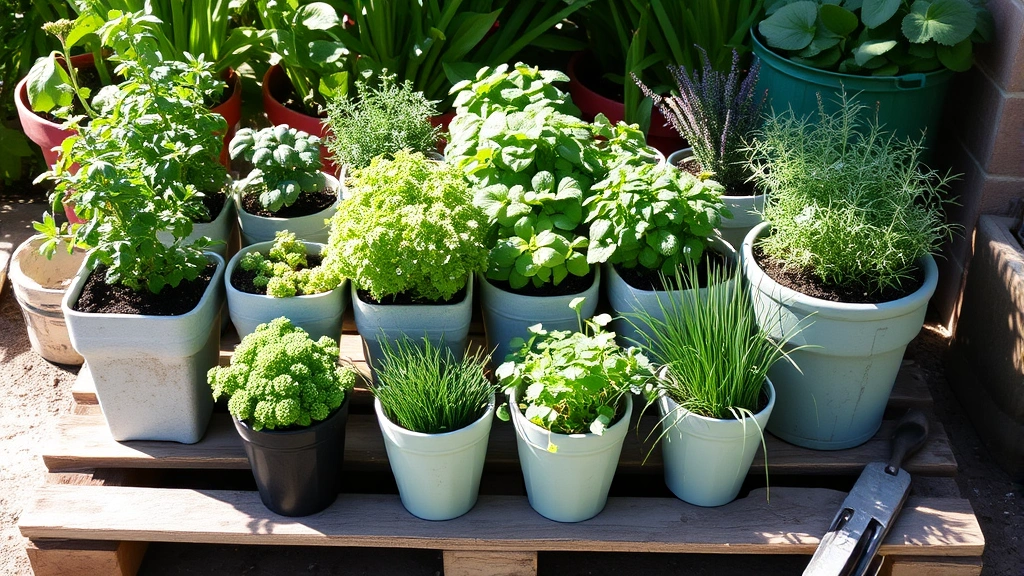
Terracotta pots are popular but dry out quickly, requiring more frequent watering. Plastic and ceramic containers retain moisture longer, benefiting gardeners in hot climates or those with limited watering availability. Fabric grow bags are excellent for herb gardening, providing superior drainage and air circulation to roots.
Planting Your Herbs
Timing your herb planting depends on your climate zone and whether you’re growing annuals or perennials. Annual herbs like basil should be planted after your region’s last frost date, when soil temperatures consistently reach 60°F. Perennial herbs can be planted in spring or fall in most climates, though spring planting gives them more time to establish before winter.
When planting from seedlings or transplants, follow these steps:
- Gently remove the seedling from its nursery pot, being careful not to damage delicate roots
- Loosen the root ball by gently pulling apart matted roots
- Dig a hole slightly larger than the root ball
- Position the herb so the soil line matches the level in its original pot—not deeper
- Fill the hole with prepared soil mix and gently firm it around the base
- Water thoroughly to settle soil and eliminate air pockets
- Space herbs according to their mature size, typically 12-18 inches apart
If starting from seeds, follow packet instructions for depth and spacing. Most herb seeds germinate in 7-14 days at room temperature. Keep seedling soil consistently moist but not waterlogged. Once seedlings develop their first true leaves, thin them to appropriate spacing and provide bright light to prevent leggy growth.
Many gardeners protect young herb transplants from strong winds and intense sun for the first week using shade cloth or strategic placement near a wall. This gradual acclimation reduces transplant shock and promotes faster establishment.
Watering and Drainage Essentials
Proper watering is crucial for herb garden success, but requirements vary significantly between species. Water needs depend on climate, container size, soil type, and seasonal temperatures. The golden rule: allow soil to dry slightly between waterings, but never let it become bone-dry or waterlogged.
Mediterranean herbs like rosemary, thyme, oregano, and sage prefer drier conditions and should be watered deeply but infrequently. Water when the top inch of soil feels dry to the touch. These drought-tolerant herbs are susceptible to root rot if kept constantly moist.
Water-loving herbs including mint, parsley, and basil prefer consistently moist—but not soggy—soil. Check these herbs more frequently and water when the top half-inch of soil becomes dry. During hot summer months, daily watering may be necessary for container-grown herbs.
Water early in the morning to allow foliage to dry quickly, reducing disease risk. Water at soil level rather than overhead to minimize fungal issues. Container gardens require more frequent watering than in-ground gardens because pots lack the moisture-holding capacity of larger soil volumes.
Ensure your containers have adequate drainage holes, and consider placing saucers underneath to catch excess water. If water pools in saucers, empty them after 15-20 minutes to prevent root rot. For gardeners managing water resources, installing a rain garden helps capture runoff for watering herbs during dry periods.
Providing Adequate Sunlight
Sunlight directly impacts herb flavor intensity, growth rate, and overall plant vigor. Herbs grown in insufficient light often become leggy (tall with sparse foliage) and develop weak flavor profiles. Most culinary herbs require six to eight hours of direct sunlight daily for optimal growth.
In regions with intense summer heat, afternoon shade is beneficial, particularly for basil and other tender herbs. Afternoon shade prevents excessive stress during extreme temperatures while maintaining adequate light exposure. A shade cloth providing 30-50% shade can protect herbs during peak summer months in hot climates.
Indoor herb gardeners should supplement natural light with grow lights if windows don’t provide six hours of direct sunlight. LED grow lights positioned 6-12 inches above herbs for 12-14 hours daily produce excellent results. This investment pays dividends through year-round herb production and vibrant, flavorful plants.
Rotate container herbs weekly to ensure even light exposure and prevent one-sided growth. This simple practice maintains attractive, balanced plants and encourages uniform foliage development.
Harvesting and Maintenance
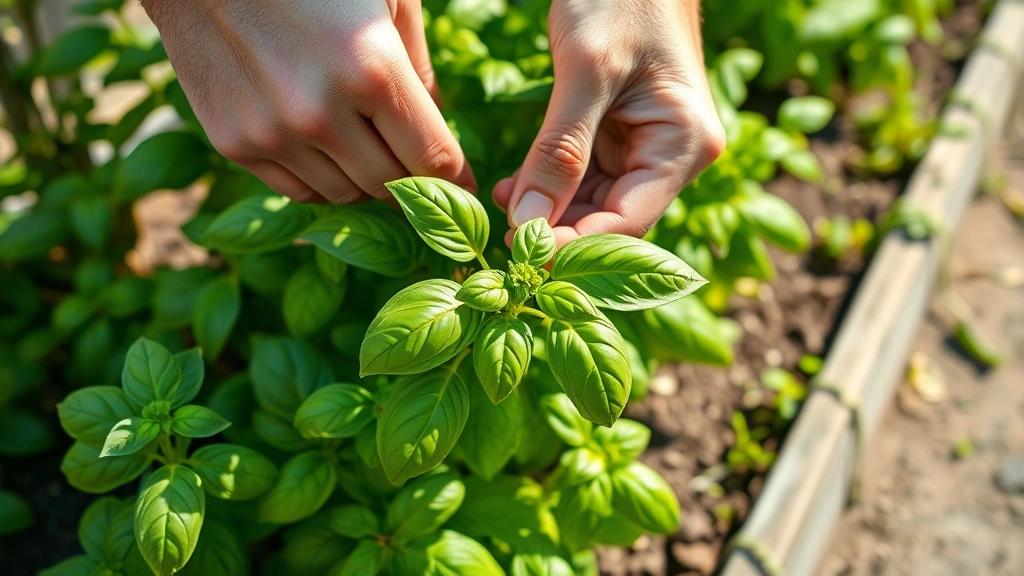
Regular harvesting is the secret to maintaining productive, bushy herb plants. Begin harvesting when herbs develop sufficient foliage—typically 3-4 weeks after planting. Pinch off leaf tips and young stems to encourage branching and denser growth. Harvesting the top inch or two of growth stimulates the plant to produce more side shoots, resulting in fuller, more productive plants.
Harvest herbs in the morning after dew dries but before intense midday sun. At this time, essential oils are most concentrated, providing optimal flavor and fragrance. Avoid harvesting more than one-third of the plant at any single time, as excessive removal stresses plants and slows growth.
Deadheading—removing flower buds before they bloom—extends the productive harvest period for many herbs. Once plants flower and set seed, leaf quality often declines and growth slows. However, allowing some flowers to bloom benefits pollinators and creates beautiful garden displays.
Prune herbs regularly to maintain compact shape and remove any diseased or damaged foliage. Cut stems just above leaf nodes to encourage branching. In fall, reduce harvesting to allow perennial herbs to prepare for winter dormancy.
Protect your herb garden from wildlife by implementing methods to keep rabbits out of garden spaces. Fencing, netting, and natural deterrents preserve your hard work and ensure consistent harvests.
Common Pests and Solutions
While herbs are generally hardy and pest-resistant, several common issues can affect growth. Identifying problems early allows for quick intervention and prevents serious damage.
Aphids are small, soft-bodied insects that cluster on new growth and suck plant juices. Spray affected plants with strong water streams to dislodge aphids, or use insecticidal soap for persistent infestations. Encourage beneficial insects like ladybugs and lacewings through diverse plantings.
Spider mites create fine webbing on foliage and cause yellowing leaves. These pests thrive in hot, dry conditions. Increase humidity by misting plants and improve air circulation. Neem oil or miticide sprays control severe infestations.
Whiteflies are tiny white insects that flutter when plants are disturbed. Yellow sticky traps monitor populations and catch adults. Neem oil and insecticidal soap effectively control whiteflies when applied regularly.
Fungal diseases like powdery mildew appear as white coating on leaves. Improve air circulation, reduce overhead watering, and remove affected foliage. Sulfur dust or fungicidal sprays prevent spread.
Root rot results from waterlogged soil and manifests as wilting despite moist conditions. Improve drainage, reduce watering frequency, and repot affected herbs in fresh, dry soil. Prevention through proper drainage is more effective than treatment.
Organic pest management is ideal for herbs destined for consumption. Regular inspection, removal of affected leaves, and maintaining plant vigor through proper care prevent most pest problems before they require intervention.
FAQ
What’s the easiest herb to grow for beginners?
Mint and chives are exceptionally forgiving herbs that tolerate various conditions and thrive with minimal care. Both are perennial, cold-hardy, and productive. Mint’s aggressive growth habit means it’s almost impossible to kill, though it requires containment to prevent spreading throughout gardens.
Can I grow herbs indoors year-round?
Yes, indoor herb gardening works well with proper lighting and care. Provide 12-14 hours of bright light daily using south-facing windows or grow lights. Maintain consistent temperatures between 65-75°F and ensure good air circulation. Reduce watering frequency indoors since evaporation rates are lower.
How often should I fertilize my herbs?
Herbs grown in rich potting mix require minimal fertilization. Apply a balanced, diluted liquid fertilizer every 4-6 weeks during the growing season. Avoid over-fertilizing, which produces excessive foliage with reduced flavor intensity. Herbs prefer slightly nutrient-poor conditions that concentrate essential oils and flavor compounds.
When should I harvest herbs to maximize flavor?
Harvest in early morning after dew dries but before intense sun. Essential oils are most concentrated at this time, providing optimal flavor and fragrance. Harvest young growth regularly—this encourages bushier plants and maintains tender, flavorful foliage.
Can I grow herbs from cuttings?
Absolutely. Take 3-4 inch cuttings from healthy stems, remove lower leaves, and place in moist potting mix or water. Most herbs root within 1-3 weeks. This propagation method is faster than seeds and preserves the characteristics of parent plants.
What herbs grow well together in containers?
Group herbs with similar water requirements. Pair drought-tolerant Mediterranean herbs (rosemary, thyme, oregano, sage) together. Combine water-loving herbs (mint, parsley, basil) separately. Avoid planting mint with other herbs due to its aggressive growth—contain it in dedicated pots.
How do I preserve fresh herbs?
Dry herbs by hanging bundles upside down in warm, dark, well-ventilated spaces for 2-3 weeks. Alternatively, freeze herbs in ice cube trays with water or oil for convenient storage. Dried herbs concentrate flavor, making them excellent for cooking and tea.