
Best Garden Gates: Expert Recommendations for Every Style and Budget
A garden gate serves as far more than just a functional entryway—it’s the first impression of your outdoor space and a statement piece that reflects your gardening philosophy. Whether you’re protecting a raised garden bed, creating defined zones, or simply adding curb appeal, selecting the right gate requires thoughtful consideration of materials, style, and durability. Expert gardeners and landscape designers consistently emphasize that the perfect gate combines aesthetic appeal with practical functionality, offering security while welcoming visitors into your green sanctuary.
The right garden gate can transform your entire outdoor experience. It defines boundaries, protects your plants from wandering wildlife, and serves as an architectural focal point that ties together your landscape design. From rustic wooden structures to modern metal frames, the options are endless—and sometimes overwhelming. This comprehensive guide breaks down everything you need to know about selecting, installing, and maintaining the best garden gates for your specific needs and climate.
Types of Garden Gates and Materials
Garden gates come in numerous varieties, each suited to different purposes and aesthetic preferences. Understanding the primary categories helps narrow down your choices significantly. The main types include swing gates, sliding gates, arched gates, and cottage-style gates, with each offering unique advantages depending on your space constraints and design vision.
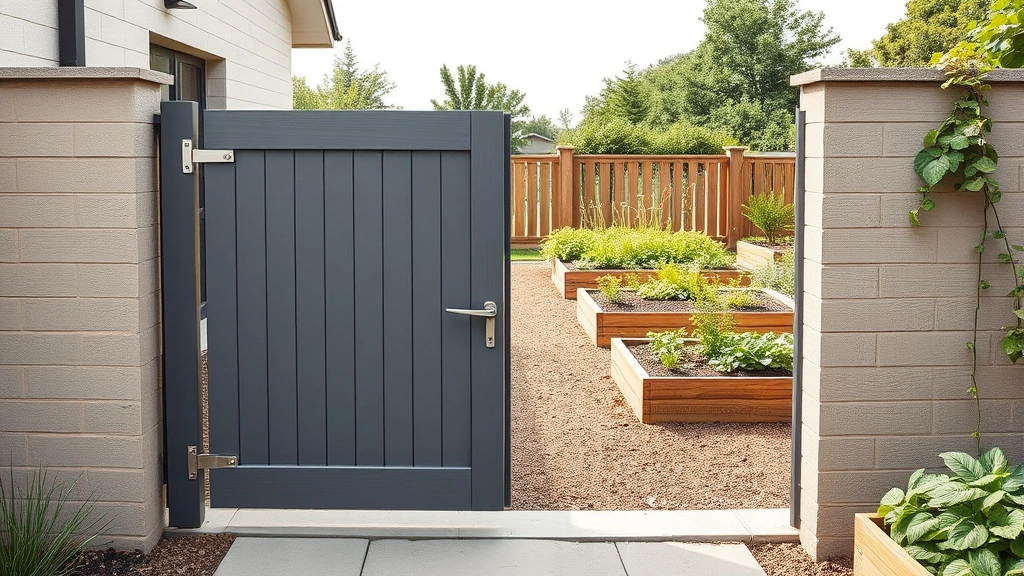
When exploring gate options, consider your garden’s purpose. Are you growing vegetables for beginners and need protection from deer and rabbits? Or are you primarily focused on aesthetic appeal and creating defined spaces? This fundamental question determines which material and style will serve you best. A vegetable garden gate needs sturdy construction and secure latching mechanisms, while a decorative garden entrance might prioritize visual elegance over maximum security.
Swing gates remain the most popular choice for residential gardens because they’re intuitive to use and accommodate most opening scenarios. However, if your space is limited, sliding gates offer an excellent alternative that requires less clearance. Arched gates add architectural interest and work beautifully with garden arch trellis installations, creating cohesive landscape features that enhance climbing plants and vines.
Wooden Gates: Classic Beauty and Considerations
Wooden gates epitomize traditional garden charm and remain the most popular choice among homeowners. Their warmth, natural aesthetics, and versatility make them suitable for virtually any garden style, from cottage gardens to contemporary landscapes. Quality wooden gates can last 15-20 years with proper maintenance, though they require consistent care to prevent rot, warping, and weather damage.
Expert recommendations emphasize selecting rot-resistant wood species such as cedar, redwood, or pressure-treated pine. Cedar naturally contains oils that resist decay and insect damage, making it an excellent investment despite higher initial costs. Pressure-treated lumber offers affordability and durability but may require more frequent staining or sealing. Hardwoods like oak provide exceptional longevity but demand skilled craftsmanship and higher investment.
The finish you apply to wooden gates dramatically affects their lifespan and appearance. Semi-transparent stains preserve the wood grain while providing UV protection, while solid stains offer more color options and superior weather resistance. Paint creates a formal appearance but can peel and require repainting every 3-5 years. Most experts recommend applying a fresh coat of finish every 2-3 years in moderate climates, or annually in harsh conditions with intense sun or heavy rainfall.
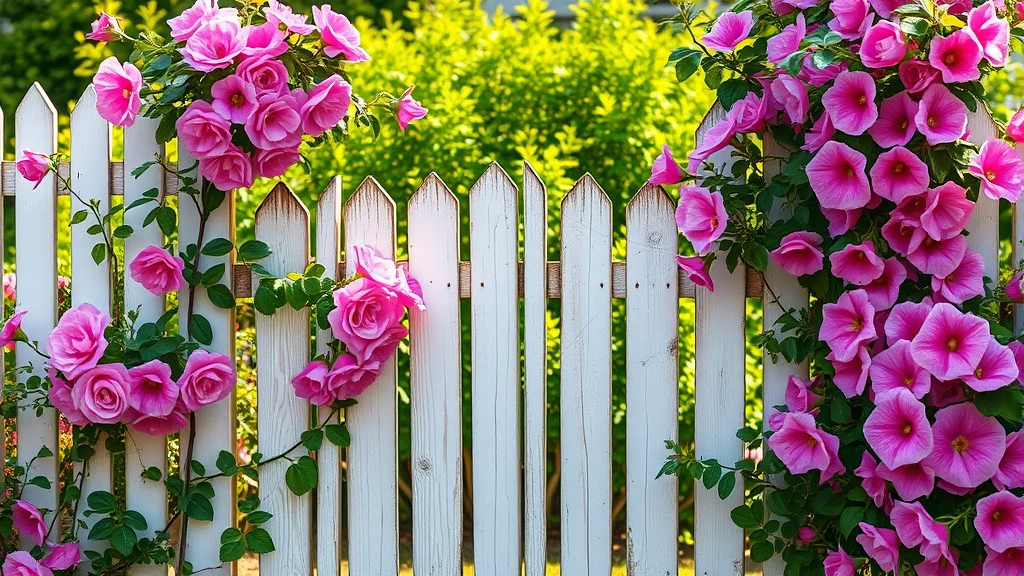
Common wooden gate styles include picket gates (charming and traditional), board-and-batten gates (solid and protective), and decorative lattice gates (elegant and semi-private). Picket gates work wonderfully for decorative purposes or defining garden boundaries without blocking views. Board-and-batten designs provide maximum privacy and weather protection, making them ideal for protecting gardening areas for beginners from wind and prying eyes.
Metal Gates: Durability and Design Options
Metal gates offer superior durability and require significantly less maintenance than wooden alternatives. Steel, aluminum, and wrought iron each provide distinct advantages and aesthetic qualities. Steel gates deliver maximum strength and security, making them ideal for protecting valuable plants or creating secure enclosures. Aluminum provides lightweight durability with excellent rust resistance, though it may flex more than steel in windy conditions.
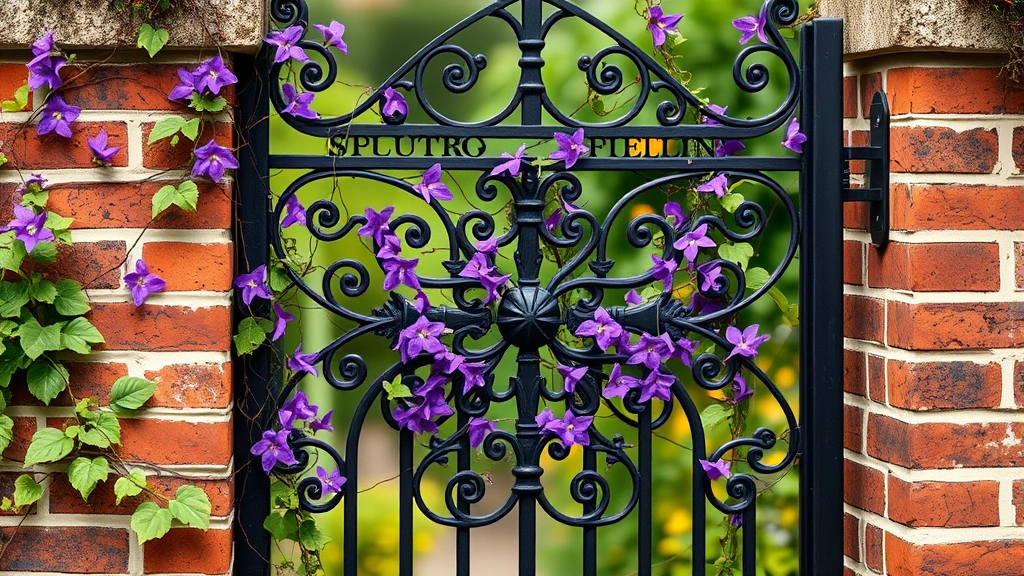
Wrought iron gates represent the premium option, offering intricate designs and timeless elegance that can last 50+ years with minimal maintenance. Ornamental iron gates work beautifully as statement pieces, particularly when creating fairy garden ideas or formal landscape designs. The craftsmanship involved in hand-forged wrought iron justifies the higher cost for those seeking investment-quality garden features.
Galvanized steel gates receive a protective zinc coating that prevents rust in most climates, though coastal environments may still cause corrosion over extended periods. Powder-coated finishes add color options and additional protection, allowing metal gates to complement any garden aesthetic. Black powder-coated steel gates have become increasingly popular for contemporary and cottage garden styles alike.
Modern metal gates often incorporate decorative scrollwork, geometric patterns, or minimalist designs that appeal to various design preferences. Contemporary gardens benefit from clean-lined aluminum or steel gates, while traditional spaces embrace ornate wrought iron designs. The versatility of metal ensures you can find options that match your garden’s personality and architectural style.
Vinyl and Composite Gates: Low-Maintenance Solutions
Vinyl and composite materials represent newer options that address common maintenance concerns associated with traditional materials. Vinyl gates resist rot, insect damage, and weather deterioration without requiring staining, painting, or sealing. They maintain their appearance for 20-30 years with only occasional cleaning, making them ideal for busy gardeners or those seeking minimal upkeep.
The primary drawback of vinyl gates involves their environmental impact and potential brittleness in extreme cold climates. Vinyl can become rigid and prone to cracking in freezing temperatures, so gardeners in northern regions should verify product specifications before purchasing. Additionally, vinyl gates typically cost more than comparable wooden options, though their minimal maintenance requirements offset this initial investment over time.
Composite gates combine wood fibers with plastic materials, offering the appearance of wood with significantly reduced maintenance demands. These gates resist rot and insect damage while requiring only occasional cleaning—no staining or sealing necessary. Composite materials have improved dramatically over recent years, with newer products offering authentic wood appearance and excellent durability. They work particularly well for gardeners seeking traditional aesthetics without traditional maintenance burdens.
Gate Hardware and Mechanisms
Quality hardware makes the difference between a gate that operates smoothly for decades and one that becomes frustrating and unreliable. Hinges, latches, locks, and closing mechanisms all deserve careful consideration during the selection process. Stainless steel hardware resists corrosion and maintains functionality in various climates, while galvanized hardware offers affordability with decent durability in moderate conditions.
Heavy-duty butt hinges provide reliable performance for wooden gates, while strap hinges add decorative appeal and distribute weight effectively across wider gates. Spring-loaded hinges automatically close gates, which proves invaluable for protecting gardens from wandering animals. Soft-close mechanisms prevent gates from slamming, reducing noise and extending hardware life.
Latch selection depends on your security needs and frequency of use. Simple hook-and-eye latches work fine for decorative gates, while padlock-compatible latches provide security for protecting valuable plants or supplies. Magnetic latches offer convenient hands-free closing, though they may not provide sufficient security for high-value items. Self-closing gates with built-in latches represent premium options that combine security with convenience.
Consider adding gate closers that control closing speed, preventing the loud slamming that disturbs neighbors and damages hardware. Automatic gate openers appeal to those with mobility challenges or those who frequently carry supplies through the gate. Modern wireless openers have become more affordable and reliable, making them increasingly practical for residential gardens.
Installation and Maintenance Tips
Proper installation determines whether your gate functions smoothly and lasts its expected lifespan. Post installation represents the most critical step—posts must be set deep enough (typically 24-30 inches) and anchored securely in concrete to prevent settling and misalignment. Many gate failures result from inadequate post installation rather than gate defects.
Check that posts are perfectly vertical using a level, as even slight angles cause gates to sag and bind. Space hinges appropriately—typically placing them roughly one-quarter and three-quarters of the way up the gate height—to distribute weight evenly. This proper hinge placement prevents the common problem of gates sagging at the bottom corner over time.
Maintenance requirements vary significantly by material. Wooden gates need annual inspection for signs of rot, particularly around the bottom where moisture accumulates. Reapply finish every 2-3 years or when the protective coating shows signs of wear. Metal gates require occasional cleaning and touch-up paint to prevent rust, while vinyl and composite gates need only periodic washing with mild soap and water.
Seasonal adjustments help gates operate optimally year-round. In spring, check hardware for corrosion and apply lubricant to hinges and latches. Before winter, ensure gates close completely without binding, as temperature fluctuations can cause wood swelling and warping. Regular lubrication of moving parts—hinges, latches, locks—prevents rust and keeps mechanisms functioning smoothly.
Design Integration with Garden Features
The most successful gardens feature cohesive design where gates complement surrounding landscape elements. Your gate should coordinate with existing fences, pergolas, and architectural features while reflecting your overall garden aesthetic. Consider how your gate integrates with vertical garden features and climbing plants you’ve selected.
Arched gates create natural focal points and provide excellent support for climbing vines and roses. Rustic wooden gates work beautifully in cottage gardens surrounded by informal plantings, while sleek metal gates suit contemporary landscapes with clean lines and minimalist planting schemes. Traditional picket gates enhance farmhouse and classic American garden styles, while ornate wrought iron gates add European elegance.
Consider the view through and beyond your gate. A gate with decorative lattice or openwork allows views of your garden beyond, inviting visitors to explore further. Solid gates create mystery and anticipation, perfect for separating different garden rooms or creating private sanctuaries. The height of your gate affects perceived space—taller gates create drama and formality, while lower gates feel more casual and welcoming.
Lighting integration enhances both safety and aesthetics. Solar-powered lights mounted on gate posts eliminate tripping hazards during evening hours while adding ambient illumination. Landscape lighting positioned to highlight your gate creates visual interest and extends your garden’s appeal into evening hours. Consider how shadows cast by your gate structure interact with surrounding plantings throughout different seasons.
Plantings around gates deserve careful consideration. Climbing roses and clematis vines transform simple gates into lush focal points, while low hedges frame gate entrances formally. Avoid planting directly in front of gates where vegetation might obstruct opening or create maintenance challenges. Instead, position plantings to the sides, creating a welcoming approach without hindering functionality.
Frequently Asked Questions
What’s the most durable garden gate material?
Wrought iron and galvanized steel offer exceptional durability, with lifespans exceeding 40-50 years when properly maintained. For lower budgets, pressure-treated wood or vinyl gates provide excellent durability (15-30 years) with significantly lower initial costs. Your climate determines which material performs best—coastal regions benefit from stainless steel or vinyl, while moderate climates allow excellent performance from quality wooden gates.
How much does a quality garden gate cost?
Simple wooden picket gates typically cost $200-$600, while decorative wrought iron gates range from $800-$3,000+. Vinyl and composite gates fall between wooden and metal options at $400-$1,500. Professional installation adds $200-$500 depending on complexity. Consider the cost-per-year over expected lifespan—a $1,500 gate lasting 30 years costs $50 annually, while a $400 gate lasting 15 years costs $27 annually.
Can I install a garden gate myself?
Yes, basic gate installation is achievable for those comfortable with tools and measurements. The most critical step involves setting posts correctly—they must be perfectly vertical and set 24-30 inches deep in concrete. If you’re uncertain about post installation, hiring a professional for this step alone costs far less than replacing a poorly installed gate. Hanging the gate and installing hardware requires less skill and represents a manageable DIY project for most gardeners.
What size gate should I choose?
Standard single gates measure 3-4 feet wide, accommodating most people comfortably while fitting typical garden spaces. Double gates (6-8 feet combined width) allow vehicle access for maintenance equipment. Gate height typically ranges from 3-4 feet for decorative purposes to 5-6 feet for security and privacy. Measure your planned opening carefully, accounting for hinge clearance and settling that may occur after installation.
How do I prevent my wooden gate from sagging?
Proper post installation prevents most sagging issues. Set posts deep and secure in concrete, ensure perfect vertical alignment, and place hinges appropriately (one-quarter and three-quarters up the gate height). Install diagonal bracing across the back of wooden gates to prevent racking (twisting). Use quality hardware rated for your gate weight, and perform annual maintenance checks for early signs of problems.
What’s the best finish for protecting wooden gates?
Semi-transparent stains provide excellent UV protection while highlighting wood grain, requiring reapplication every 2-3 years. Solid stains offer superior weather resistance and color options, lasting 3-5 years. Paint provides maximum protection and color variety but requires more frequent repainting. In harsh climates, applying finish annually ensures optimal protection. Test finishes on inconspicuous areas before committing to full application.
Are automatic gate openers worth the investment?
Automatic openers cost $300-$1,500 depending on sophistication, but provide convenience and accessibility benefits. For those with mobility challenges, opener systems justify the investment entirely. For others, openers prove most valuable in climates with extreme weather or for frequently-used gates. Modern wireless systems have become increasingly reliable and affordable, making them more practical than previous generations.