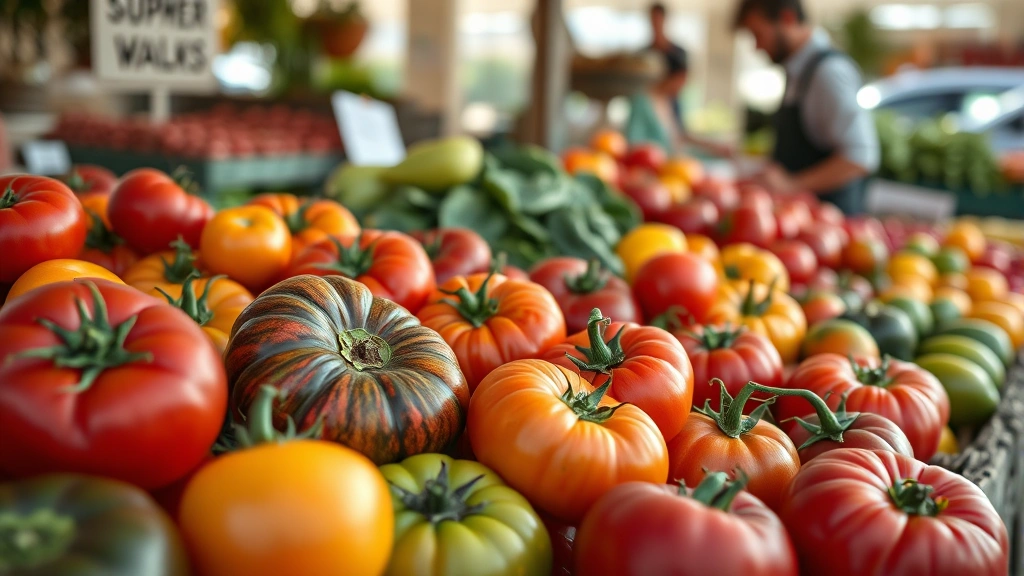
Garden Fresh Tips: Farmers Market Insights for Home Gardeners
The farmers market is more than just a place to buy fresh produce—it’s a living classroom for home gardeners. Every vendor stall offers valuable lessons about what grows well, what customers want, and how to maximize your garden’s potential. By observing farmers market trends and talking with experienced growers, you can transform your backyard into a productive source of garden fresh vegetables, herbs, and fruits that rival what you see at the market.
Whether you’re planning a cottage garden or designing a raised bed garden with proper soil mixtures, the farmers market reveals what truly thrives in your region. This guide explores practical strategies gleaned from farmers market observations that will help you grow garden fresh produce year-round.
Learn From Market Vendors About Garden Fresh Success
The farmers market is your best resource for understanding what grows successfully in your climate zone. Vendors have spent years experimenting with varieties, soil conditions, and planting schedules. When you visit, take time to chat with growers about their methods. Ask which vegetables produce the most abundantly, which varieties resist pests naturally, and when they plant specific crops.
Notice which produce appears most frequently and commands premium prices. These items are often the easiest to grow and most profitable—meaning they’re well-suited to home gardens too. If you see multiple vendors selling the same tomato variety, that’s a strong indicator it performs well locally. Conversely, if certain vegetables are rare at your market, they may struggle in your growing conditions.
Document vendor recommendations in a notebook. Ask about their tools and techniques, soil preparation methods, and pest management strategies. Most farmers love sharing knowledge with enthusiastic home gardeners. This direct mentorship is invaluable and completely free.
Building relationships with vendors also opens doors to obtaining seeds and seedlings from their preferred varieties. Some vendors save seeds or propagate plants specifically for interested gardeners. You might even discover opportunities to purchase unusual heirloom varieties not available through commercial seed catalogs.
Seasonal Variety and Timing: When to Plant Garden Fresh Crops
The farmers market clearly demonstrates seasonal availability patterns. By tracking what appears at market throughout the year, you can plan your garden to produce during peak seasons when that produce naturally thrives. This approach is far more efficient than fighting against seasonal limitations.
Spring markets typically overflow with leafy greens, asparagus, peas, and root vegetables. This tells you these crops prefer cool-season growing. Plan to direct seed lettuce, spinach, and arugula in early spring and again in late summer for fall harvest. Summer markets feature tomatoes, peppers, zucchini, cucumbers, and beans—all heat-loving crops requiring warm soil and air temperatures. Fall and winter markets shift toward storage crops like squash, root vegetables, and hardy greens.
Pay attention to the exact timing. If tomatoes appear in mid-June at your market, the growers likely started seeds indoors in March or April. This gives you a clear timeline for your own seed starting. If fresh herbs appear year-round, note which ones—basil typically vanishes by fall, while parsley and kale persist longer.
Understanding these seasonal patterns helps you avoid common mistakes like planting warm-season crops too early or expecting cool-season vegetables to thrive in summer heat. Your market calendar becomes your planting calendar. This alignment with natural seasons means less effort, fewer failures, and more garden fresh produce throughout the year.
Quality Indicators for Selecting and Growing Produce
Examining farmers market produce teaches you what quality looks like. Fresh vegetables should have vibrant color, firm texture, and no blemishes or soft spots. Learn these visual cues so you can evaluate your own harvest and identify when vegetables reach peak ripeness.
Notice how different produce is handled and displayed. Leafy greens kept cool and misted stay fresher longer. Tomatoes are often displayed at room temperature, not refrigerated. Root vegetables are sometimes topped with soil still clinging to them. These observations inform proper storage and handling of your own harvest.
Ask vendors about flavor. What makes their strawberries taste better than supermarket berries? Usually, it’s because they picked them at full ripeness, not days before. This is a crucial advantage of home gardening—you can harvest at peak ripeness and eat within hours. Commercially grown produce is often picked early to survive shipping and storage.
Taste comparisons are eye-opening. A farmers market tomato tastes dramatically different from supermarket tomatoes because it’s a different variety, ripened fully on the vine, and picked at peak maturity. Growing these same varieties yourself guarantees superior flavor. Ask vendors for variety names and seek those seeds for your garden.
Size variations at the market also teach important lessons. Farmers often harvest at different maturity stages to offer choice. Baby vegetables appeal to some customers, while others prefer fully mature specimens. This flexibility in harvest timing gives you options when growing your own garden fresh produce.

Heirloom Varieties Worth Growing in Your Garden
Farmers markets frequently feature heirloom and specialty varieties unavailable in supermarkets. These open-pollinated varieties offer superior flavor and often adapt exceptionally well to local growing conditions. When you see an interesting heirloom variety, ask the vendor where they source seeds and whether they save seeds themselves.
Common heirloom vegetables at farmers markets include Brandywine and Cherokee Purple tomatoes, Dragon Carrot, Chioggia beets, and various squash varieties. These varieties have been grown for generations, which means they’re reliable performers. They’re worth seeking out in seed catalogs or requesting from vendors who save seeds.
Heirloom varieties often require slightly different growing techniques than modern hybrids. They may need more space, longer growing seasons, or specific conditions. But the flavor payoff justifies the extra effort. Growing heirlooms also supports seed diversity and agricultural heritage.
Start a collection of heirloom seeds from your favorite farmers market varieties. Many heirloom vegetables are easy to save seeds from—tomatoes, beans, peas, and squash produce seeds readily in home gardens. This creates a sustainable cycle where you grow from saved seeds, harvest produce, save more seeds, and repeat.
Consider dedicating a section of your garden to heirloom varieties, perhaps as a specialty themed garden. This focused approach lets you master growing specific heirlooms and develop expertise in seed saving.
Building Your Garden Plan Based on Market Observations
Use your farmers market insights to create a comprehensive garden plan. Start by identifying your five favorite produce items at the market. Research their growing requirements, space needs, and harvest timeline. Then design your garden layout to accommodate these priorities.
Consider installing raised beds with quality soil mixtures if you want to grow vegetables that require excellent drainage or specific soil conditions. Raised beds warm up faster in spring and cool down slower in fall, extending your growing season for garden fresh vegetables.
Plan for vertical growing using trellises and garden arches to maximize space. Farmers often grow vining crops vertically to increase yield per square foot. Beans, peas, cucumbers, and squash all grow well on trellises, saving ground space for other vegetables.
Map out succession plantings for continuous harvest. Rather than planting all lettuce at once, plant small amounts every two weeks. This provides steady garden fresh greens throughout the season instead of a single overwhelming harvest followed by nothing.
Include herbs that appeared frequently at your market. Fresh basil, cilantro, parsley, and dill are easy to grow and dramatically more flavorful than dried supermarket versions. A dedicated herb section near your kitchen makes harvesting convenient for cooking.
Don’t overlook value crops. If heirloom tomatoes sell for premium prices at market, growing several plants makes economic sense. Similarly, premium herbs like fresh basil and cilantro justify garden space. Calculate approximate yields and compare to market prices to identify your highest-value crops.
Succession Planting for Year-Round Garden Fresh Harvest
Farmers markets maintain consistent produce availability through careful succession planting—staggering plantings so harvests occur continuously rather than all at once. Implement this strategy in your home garden for consistent garden fresh vegetables.
For fast-growing crops like lettuce, spinach, and radishes, plant every two to three weeks from early spring through fall. This ensures fresh greens throughout the season. As one planting reaches maturity, the next is just beginning, creating overlap.
For longer-season crops like tomatoes and peppers, plant at intervals if your growing season is long enough. Many gardeners plant early, main-season, and late varieties that mature at different times. This extends harvest across a longer period.
Cool-season crops deserve special attention. Spring plantings of peas, lettuce, and root vegetables bolt or decline in summer heat. But these same crops thrive in fall’s cooling temperatures. Plant fall gardens in mid-summer for impressive late-season harvests. Many gardeners find fall gardens more productive than spring gardens because cooler temperatures and reduced pest pressure favor plant health.
Keep detailed planting records. Note the date planted, variety, days to maturity, and actual harvest date. Over seasons, you’ll develop accurate timelines for your specific location. This data becomes invaluable for planning succession plantings that align with your market’s seasonal patterns.
Succession planting requires space management. As early crops finish, remove them and immediately plant the next succession. This continuous turnover keeps garden beds productive throughout the year. It mimics exactly how commercial farmers maintain constant market supply.
Storage and Preservation of Garden Fresh Produce
Growing garden fresh vegetables is only half the battle—proper storage and preservation ensures you enjoy them long after harvest. Farmers market vendors understand storage requirements for different produce types and this knowledge applies directly to your harvest.
Some vegetables store long-term with minimal effort. Root crops like carrots, beets, and parsnips keep for months in cool, humid storage. Squash and potatoes store for extended periods in cool, dry conditions. Tomatoes ripen off the vine, so you can harvest slightly early and let them finish ripening indoors, extending availability.
Other vegetables require immediate use. Leafy greens wilt quickly. Asparagus loses quality within days. Berries deteriorate rapidly. Understanding these differences helps you plan harvests to match your consumption pace. Harvest small amounts frequently rather than large amounts infrequently.
Preservation methods extend your garden fresh supply beyond the growing season. Freezing is simplest for many vegetables—blanch and freeze beans, peas, corn, and squash. Canning requires more equipment but preserves tomatoes, pickles, and preserves. Dehydrating works well for herbs, peppers, and tomatoes. Fermenting creates shelf-stable vegetables with probiotic benefits.
Many farmers market vendors preserve excess harvest. Ask about their methods and challenges. Some freeze, others can, and some ferment. Learning from their experience accelerates your preservation skills and reduces mistakes.
Root cellar or cool storage management is essential for long-term produce storage. If you lack a traditional root cellar, create cool storage conditions using a basement corner, garage, or buried cooler. Proper humidity, temperature, and air circulation preserve root crops and winter squash for months.
Plan your garden size and variety selection around your preservation capacity. Growing fifty tomato plants is wonderful until you face processing them all. Be realistic about how much you’ll preserve and adjust plantings accordingly.
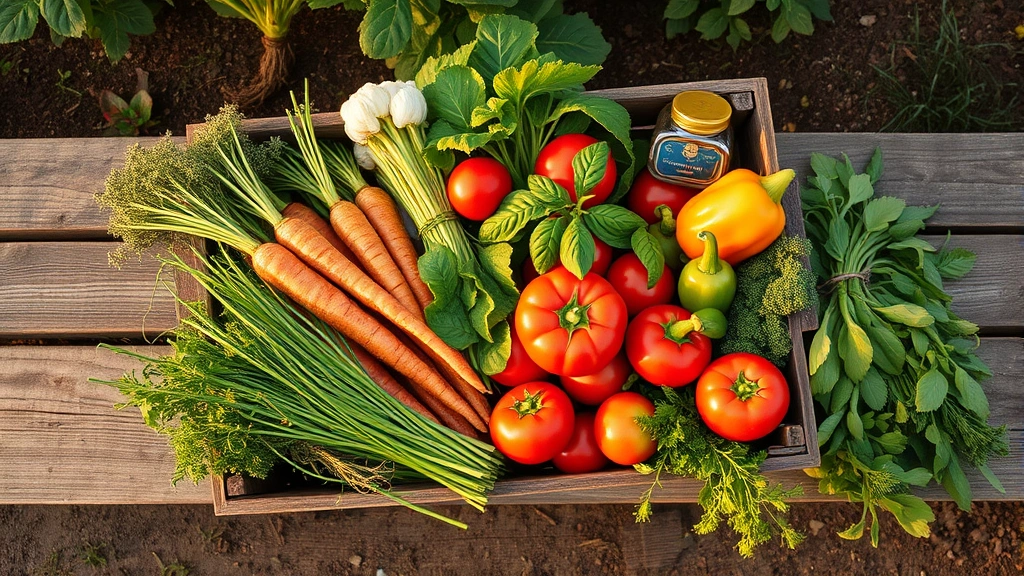
FAQ
What’s the best way to approach farmers market vendors for growing advice?
Visit early in the market day when vendors are less rushed. Show genuine interest in their produce and ask specific questions about growing methods, timing, and varieties. Most farmers enjoy sharing knowledge with enthusiastic gardeners. Offer compliments and return regularly—building relationships opens more opportunities for detailed discussions and seed sourcing.
How do I know which farmers market varieties will grow in my garden?
The fact that vendors grow them successfully in your area proves they’ll grow in your garden—likely even better since you can optimize conditions. Ask vendors about their location and growing methods. If they’re within your region, their varieties are proven performers. Check USDA hardiness zones and frost date data to understand your growing season length.
Should I grow everything I see at the farmers market?
No. Prioritize crops you enjoy eating, that offer good value compared to market prices, and that suit your climate. Some farmers market items require more expertise or space than practical for home gardens. Focus on high-value items like heirloom tomatoes, fresh herbs, and specialty varieties difficult to find commercially. Bulk staples like potatoes and cabbage are often cheaper to buy than grow.
How much space do I need to grow garden fresh vegetables year-round?
Even a small space produces significant yields with succession planting and vertical growing. A 100-square-foot raised bed garden supplies fresh vegetables for a family when properly managed. Larger spaces allow more variety and bigger harvests. Start small and expand as you gain experience and discover what you enjoy growing.
Can I save seeds from farmers market produce?
Only if the vegetables are open-pollinated heirloom varieties, not hybrid varieties. Ask vendors whether their produce is open-pollinated. Heirloom tomatoes, beans, peas, squash, and peppers produce viable seeds you can save. Hybrids produce seeds but won’t grow true to type. Starting a seed-saving practice with heirloom varieties creates sustainability and reduces seed costs over time.
What’s the most profitable crop to grow based on farmers market prices?
Specialty and heirloom varieties typically command premium prices. Micro-greens, specialty salad mixes, fresh herbs (especially basil and cilantro), and unusual heirloom tomatoes often have the highest price-to-weight ratios. However, profitability depends on your space, time, and local market demand. Focus first on crops you enjoy eating, then consider value as a secondary factor.
How do I transition from farmers market shopping to self-sufficient gardening?
Start by growing your favorite farmers market items. Gradually expand varieties and techniques. Use market visits to gather seeds, learn growing methods, and understand seasonal patterns. Join local extension services and Master Gardener programs for specialized local knowledge. Build preservation skills alongside growing skills. Over time, your garden fresh harvest will increasingly replace farmers market purchases.


