How to Maintain Garden Fountains: Expert Tips for Year-Round Beauty
A garden fountain serves as both a functional water feature and a stunning focal point that transforms any outdoor space into a tranquil retreat. The gentle sound of cascading water creates a soothing atmosphere while adding movement and visual interest to your landscape design. However, maintaining a garden fountain requires consistent effort and knowledge to keep it operating smoothly, looking beautiful, and functioning efficiently throughout the seasons. Whether you’re a seasoned gardener or just beginning your gardening journey as a beginner, understanding proper fountain maintenance will help you avoid costly repairs and extend the lifespan of your investment.
Many garden enthusiasts overlook fountain maintenance, assuming these decorative features require minimal attention. In reality, neglecting regular upkeep can lead to algae growth, pump failures, mineral deposits, and structural damage that compromises both aesthetics and functionality. This comprehensive guide explores everything you need to know about maintaining your garden fountain, from daily water checks to seasonal preparations and troubleshooting common problems.
Daily and Weekly Maintenance Tasks
Establishing a routine maintenance schedule is the foundation of keeping your garden fountain in excellent condition. Daily checks should focus on water level monitoring, as fountains lose water through evaporation and splashing, particularly during hot weather. Check your fountain each morning and top off the water as needed using your best garden hose or a simple watering can. Maintaining proper water levels ensures your pump operates correctly and prevents it from running dry, which can cause serious damage.
Weekly maintenance tasks expand on these basics and help prevent buildup of debris and contaminants. Remove leaves, twigs, and other organic debris from the fountain basin using a soft net or your hands. This prevents decomposition in the water, which promotes algae growth and creates murky, unappealing water. Inspect the pump intake area carefully, as clogs from debris can reduce water flow and strain the pump motor. Clean the filter or intake screen weekly to maintain optimal water circulation and prevent blockages.
During weekly inspections, observe the water spray pattern and listen for unusual sounds. Changes in water flow, reduced spray height, or grinding noises indicate potential problems requiring attention. Check all visible connections and hoses for leaks, and verify that the fountain is level and stable. If you notice any cracks in the basin or decorative elements, address them promptly to prevent water loss and further deterioration.
Water Quality and Treatment
The water in your fountain is constantly exposed to sunlight, air, and organic matter, creating conditions that encourage algae and bacterial growth. Maintaining proper water chemistry is essential for both fountain health and visual appeal. Clear water not only looks more attractive but also allows you to monitor the fountain’s condition and spot problems early. Several treatment options exist for maintaining water quality without harsh chemicals.
Algae growth is the most common fountain problem, turning crystal-clear water green or brown within days or weeks. Preventive measures are more effective than treating algae after it appears. Reduce sunlight exposure by positioning your fountain in partial shade if possible, or consider adding shade through nearby plants or structures. Install a small fountain cover during extended sunny periods, or use UV-resistant materials to protect the water from direct sunlight during peak hours.
Natural treatment options include adding beneficial bacteria that consume excess nutrients algae needs to thrive. Barley straw products release compounds that inhibit algae growth without affecting water clarity or requiring frequent replacement. Copper-based treatments work effectively but require careful dosing to avoid harming plants nearby. For chemical-free maintenance, consider adding a small aquatic plant like water lettuce, which outcompetes algae for nutrients while adding natural beauty.
Water changes represent another effective maintenance strategy. Every two to four weeks, drain approximately one-third to one-half of the water and refill with fresh water. This dilutes accumulated minerals and organic compounds while removing settled debris. If your fountain has fish or aquatic plants, perform smaller, more frequent partial water changes to maintain their health. Always use dechlorinated water for fish-containing fountains, as chlorine can harm aquatic life.
Pump Care and Cleaning
The pump is your fountain’s heart, and proper care ensures reliable operation for years. Regular pump maintenance prevents breakdowns and extends equipment lifespan significantly. Before beginning any maintenance, always turn off the pump and unplug it from the electrical outlet for safety. Never work on an active pump, as moving water and electrical components create hazards.
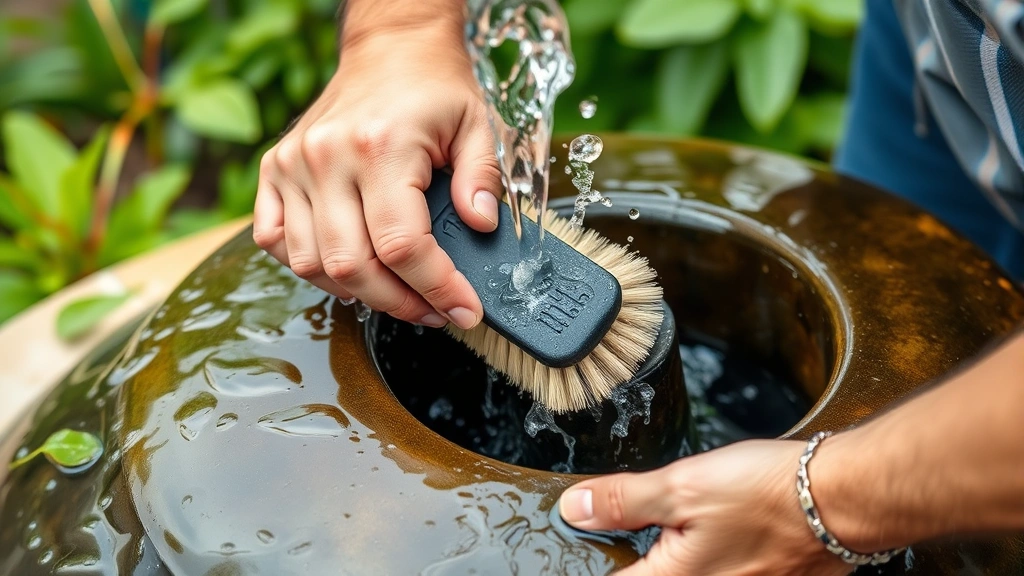
Monthly pump inspections should include checking the intake screen or filter for debris accumulation. Most pumps have a removable screen or basket that catches leaves, twigs, and sediment before they reach the impeller. Clean this component thoroughly under running water, using an old toothbrush to remove stubborn deposits. If the screen is cracked or damaged, replace it immediately to prevent debris from entering the pump mechanism.
Mineral deposits from hard water gradually accumulate on pump components, reducing efficiency and potentially causing failure. Descale your pump every three to six months, depending on your water hardness. Soak pump parts in a solution of equal parts white vinegar and water for thirty minutes to an hour, then scrub gently with a soft brush. For heavily calcified pumps, use a commercial descaling solution formulated for fountain equipment, following manufacturer instructions carefully.
The pump impeller, the spinning component that moves water, requires special attention. Inspect it for cracks, chips, or wear that might cause vibration or noise. If damage is visible, replace the impeller or entire pump assembly. Check that the impeller spins freely by gently rotating it by hand when the pump is unplugged. If it’s stuck or difficult to turn, soaking in vinegar solution often resolves mineral buildup causing the resistance.
Winterization of the pump depends on your climate. In freezing regions, drain the pump completely and store it indoors for winter. In milder climates, you may keep the pump running year-round, though reduced operation during cold months decreases strain. If you operate your fountain through winter, drain the pump weekly and run it briefly to prevent water from freezing inside the mechanism. Consult your raised garden bed maintenance guides for seasonal gardening insights that apply to outdoor features.
Seasonal Maintenance Guide
Each season presents unique challenges and opportunities for fountain maintenance. Adapting your care routine to seasonal changes keeps your fountain functioning optimally year-round. Spring represents renewal and the perfect time to prepare your fountain after winter dormancy. Thoroughly clean the basin, pump, and all decorative elements. Replace any damaged hoses or connections, and test the pump for proper operation before running it continuously. Spring’s mild temperatures and increased rainfall provide ideal conditions for establishing water treatments that prevent summer algae blooms.
Summer brings intense sunlight and heat that accelerate evaporation and algae growth. Increase the frequency of water level checks to daily, as hot weather can cause significant water loss within twenty-four hours. Maintain shade over the fountain if possible, or increase water treatment applications. Monitor the pump for overheating, as extended operation in hot weather can stress the motor. Consider reducing fountain operation during the hottest parts of the day, running it during cooler morning and evening hours instead.
Fall requires attention to falling leaves and debris. Increase the frequency of debris removal, as autumn leaves accumulate rapidly in fountain basins. Install a protective net or cover over the fountain if nearby trees shed heavily. Prepare for winter by checking all components for damage and addressing repairs before freezing weather arrives. Begin reducing water treatment applications if you plan to drain the fountain, as you want the water clean before storage.
Winter maintenance varies dramatically based on your climate. In cold regions, drain the fountain completely and store it in a protected location. Remove the pump, hoses, and any other removable components, clean them thoroughly, and store them indoors where they won’t freeze. In mild climates, you may continue operating the fountain, though reduced operation prevents unnecessary wear. If you maintain a winter fountain, drain it weekly and run the pump briefly to prevent ice formation inside the mechanism.
Preventing Common Fountain Problems
Proactive maintenance prevents most common fountain issues from developing. Understanding potential problems helps you identify and address them before they become serious. Algae growth, discussed earlier, remains the most frequent complaint, but other issues require attention as well. Mineral deposits accumulate in hard water regions, creating white, crusty buildup on fountain surfaces and inside pipes. Prevent severe deposits through regular partial water changes and periodic descaling treatments.
Pump failure often results from neglected maintenance rather than equipment defects. Most pump problems stem from debris clogs, mineral buildup, or water running dry due to evaporation. Prevent these issues through the maintenance schedule outlined above. If your pump is leaking water, check the seals and gaskets first, as these replaceable components often fail before the pump itself requires replacement. Leaks at connection points usually indicate loose fittings that tightening can resolve.
Low water flow or weak spray patterns indicate several possible problems. First, check the water level, as insufficient water reduces pressure. Clean the pump intake screen and check that the filter isn’t clogged. If water flow remains low after these checks, the pump impeller may be damaged or calcified. Run a vinegar descaling treatment, and if the problem persists, the pump likely needs replacement. Adjust your vertical garden or nearby plantings if they’re blocking water circulation or causing debris accumulation in the fountain.
Strange noises from your fountain warrant investigation. Grinding or squealing sounds usually indicate mechanical problems requiring professional attention or pump replacement. Rattling noises often stem from loose decorative elements or unsecured hoses. Tighten all connections and secure loose components. Gurgling or sputtering sounds frequently result from air in the system, which you can usually resolve by priming the pump or checking for water leaks that might be drawing air into the system.
Winterization Strategies
Proper winterization protects your fountain investment and ensures it functions perfectly when spring arrives. Winterization requirements depend on your climate zone and whether you plan to operate the fountain during cold months. In freezing climates, drain the fountain completely before the first hard freeze. Water expands as it freezes, and ice inside pipes, pumps, or the basin can cause cracks and permanent damage.
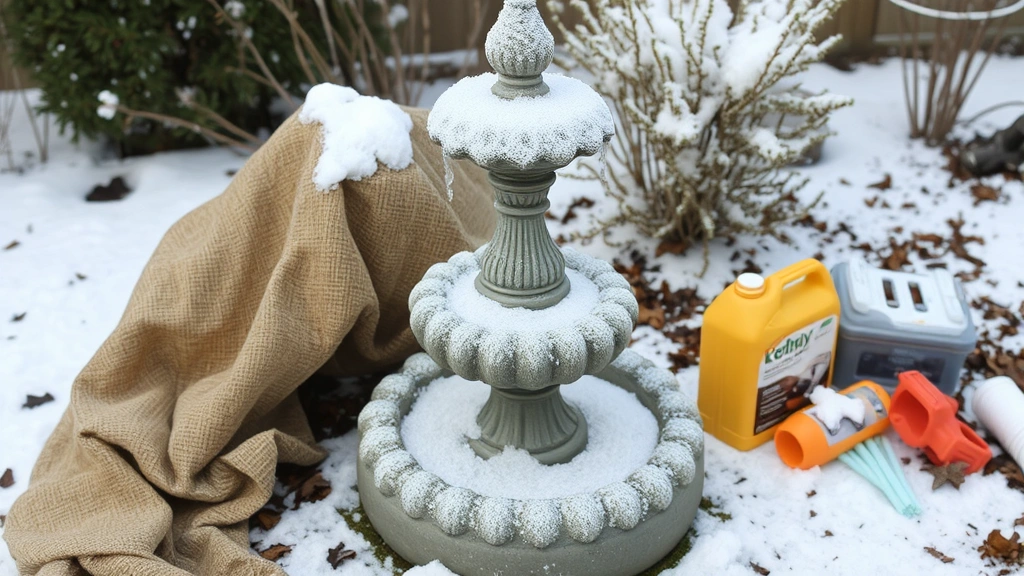
Begin winterization in late fall, as soon as nighttime temperatures consistently drop below fifty degrees Fahrenheit. Drain the fountain basin using the drain plug if available, or siphon water out using a hose. Remove the pump and all hoses, draining them completely and shaking out any remaining water. Disassemble removable parts and clean them thoroughly before storage. Store all equipment indoors in a dry location where it won’t freeze or be exposed to excessive moisture.
If your fountain basin cannot be drained, cover it securely with a heavy tarp or fountain cover to prevent rainwater and debris from accumulating. Remove and store any decorative elements that might be damaged by freezing. If you have decorative elements that must remain in place, wrap them in burlap or frost cloth for protection. Inspect the fountain structure for cracks or damage before winter, as freezing temperatures will exacerbate existing problems.
For milder climates where freezing doesn’t occur, you can leave the fountain running year-round with reduced frequency. Drain the pump weekly during cold months to prevent water from freezing inside the mechanism. Run the pump briefly once or twice weekly to circulate water and prevent ice formation. Reduce water treatment applications as needed, and monitor the fountain more frequently during cold snaps to ensure everything continues functioning properly.
Troubleshooting Solutions
Despite your best efforts, fountain problems occasionally arise. Quick diagnosis and appropriate solutions minimize downtime and prevent damage. If your fountain won’t turn on, first verify that the electrical outlet is functioning and the pump is receiving power. Check that the power cord isn’t damaged and all connections are secure. Test the outlet with another device to confirm it’s working. If the outlet is fine but the pump doesn’t start, the pump motor may have failed and require replacement.
When water stops flowing but the pump is running, you likely have a clog. Turn off the pump immediately to prevent damage from dry running. Check the intake screen and clean any debris. Inspect all hoses for kinks or blockages, straightening them if necessary. If water still won’t flow after clearing visible clogs, the pump impeller may be stuck due to mineral deposits. Soak the pump in vinegar solution as described in the pump care section, then gently work the impeller back and forth by hand until it moves freely.
If your fountain is leaking water, locate the leak source by observing where water escapes. Leaks at the basin suggest cracks requiring repair with waterproof sealant or replacement of the affected section. Leaks at connection points usually indicate loose fittings that tightening resolves. If the leak persists after tightening, the hose or fitting may be damaged and require replacement. For small leaks in hoses, waterproof tape provides temporary fixes, though replacement is more reliable long-term.
Discolored water despite treatment efforts may indicate excessive organic matter or biofilm accumulation. Drain the fountain completely and clean the basin thoroughly with a soft brush and mild detergent. Rinse extensively with clean water before refilling. If discoloration returns quickly, you may need to increase water change frequency or apply stronger algae treatments. Consult indoor herb garden guides for insights into water quality management that apply to fountains.
For persistent problems that your troubleshooting doesn’t resolve, contact the fountain manufacturer or a professional water feature specialist. Many issues require expertise beyond basic maintenance, and attempting complex repairs without proper knowledge can cause additional damage. Extension services and local horticultural societies often provide resources for fountain maintenance and can recommend qualified professionals in your area.
FAQ
How often should I clean my garden fountain?
Perform basic cleaning weekly, removing debris from the basin and cleaning the pump intake screen. Monthly deep cleaning includes descaling and thorough pump inspection. The frequency increases during summer when algae grows faster, potentially requiring twice-weekly debris removal and more frequent water treatments. Winter may allow reduced cleaning frequency if you’ve drained the fountain.
Can I use tap water in my garden fountain?
Yes, tap water is safe for most fountains, though hard water with high mineral content will require more frequent descaling. If your fountain contains fish or aquatic plants, dechlorinate tap water before adding it, or let it sit for twenty-four hours to allow chlorine to evaporate. Using filtered or distilled water reduces mineral deposits but may be impractical for large fountains.
What’s the best way to prevent algae growth?
Multiple strategies work together most effectively: reduce sunlight exposure through shade, perform regular partial water changes, maintain proper water circulation with the pump, add beneficial bacteria or barley straw products, and keep debris removed from the water. Installing an ultraviolet light system provides another effective prevention method for larger fountains.
Should I drain my fountain in winter?
In freezing climates, yes—complete drainage is essential to prevent ice damage. In mild climates where temperatures rarely drop below freezing, you can maintain the fountain year-round with reduced operation. The safest approach is always to drain if you’re unsure about temperature extremes in your region.
How long do fountain pumps typically last?
With proper maintenance, quality fountain pumps last five to ten years or longer. Regular cleaning, descaling, and prompt attention to problems extend lifespan significantly. Neglected pumps may fail within two to three years. Choosing a reputable brand and following manufacturer maintenance recommendations helps ensure maximum durability.
What should I do if my fountain pump is making noise?
First, turn off the pump and investigate the source. Grinding or squealing noises suggest mechanical damage requiring professional attention. Rattling usually indicates loose connections or components you can tighten. Soak the pump in vinegar solution to dissolve mineral deposits that might cause noise, then test it again. If noise persists after these steps, the pump likely needs replacement.
Can I add fish to my garden fountain?
Yes, but fountains require modifications to safely support fish. You’ll need adequate filtration, proper water depth, and aeration. Fish produce waste that increases nutrient levels, promoting algae growth, so you must maintain excellent water quality. Ensure the fountain location provides adequate shade to prevent overheating. Consult resources from USDA Animal Welfare for information about maintaining fish in outdoor water features.


