Best Garden Flag Holder? Expert Recommendations
Garden flag holders serve as functional and decorative elements that add personality to your outdoor space while protecting your flags from the elements. Whether you’re celebrating seasonal changes, holidays, or simply expressing your gardening passion, selecting the right flag holder ensures your display remains secure and visually appealing throughout the year. From sturdy metal stands to decorative garden stakes, the market offers numerous options designed for different soil types, wind conditions, and aesthetic preferences.
As a gardening enthusiast, you understand that outdoor decor should complement your landscape design while withstanding weather challenges. A quality garden flag holder becomes an investment in your curb appeal, visible from the street and integrated into your overall garden aesthetic. This comprehensive guide explores expert-recommended options, installation techniques, and maintenance strategies to help you choose the perfect flag holder for your specific gardening environment.
Types of Garden Flag Holders
Garden flag holders come in several distinct varieties, each designed for specific applications and soil conditions. Understanding these categories helps you identify which option best suits your garden layout and decorative goals.
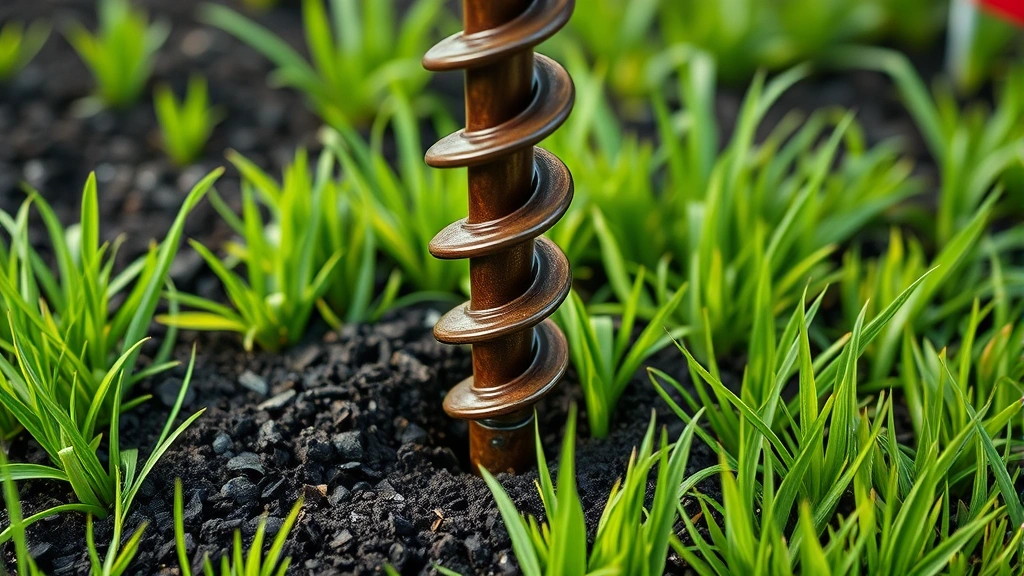
Spiral Ground Augers represent the most popular choice among gardeners. These holders feature a corkscrew-shaped base that twists directly into soil, eliminating the need for digging or additional hardware. The spiral design anchors deeply into earth, providing exceptional stability even in windy conditions. Most auger-style holders accommodate standard 12-by-18-inch garden flags and feature rust-resistant coatings suitable for year-round outdoor exposure.
Metal Stake Holders offer traditional appeal with a pointed base designed to be driven into the ground using a mallet or hammer. These holders work exceptionally well in established garden beds and along borders. They’re particularly effective when combined with raised garden beds, where you can position them at entry points or corners to mark seasonal transitions in your plantings.
Planter Pot Holders integrate flag display directly into container gardening. These holders attach to the rim or side of large planters, making them ideal for decorating container displays near your patio or entryway. This solution works particularly well for small garden ideas where space is limited and vertical integration maximizes visual impact.
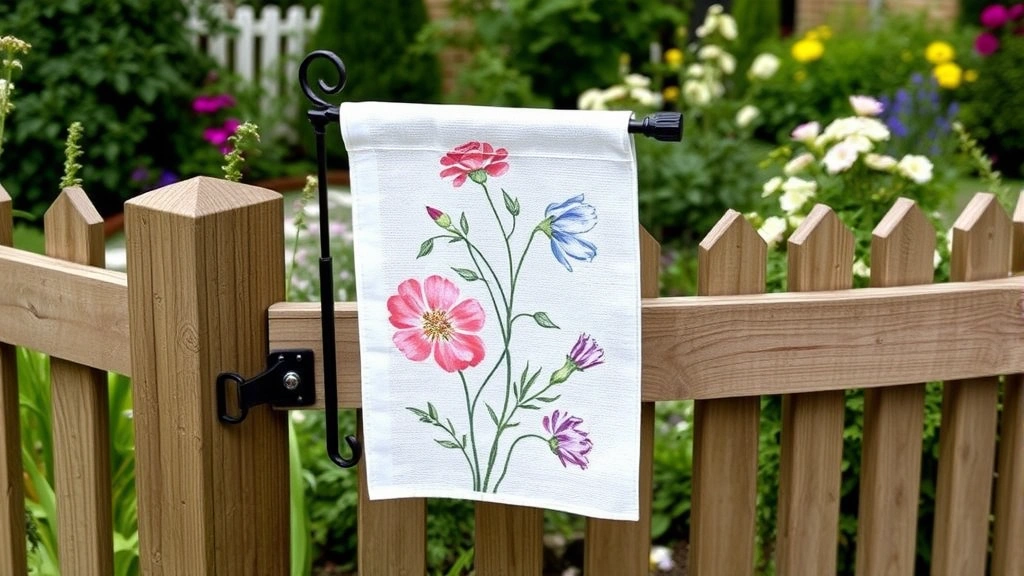
Fence-Mounted Holders attach directly to fence rails or posts, eliminating ground installation entirely. These options suit gardeners with limited yard space or those preferring not to disturb established plantings. Fence-mounted designs prevent soil compaction issues and work seamlessly with existing hardscape elements.
Double-Sided Flag Holders display flags visible from both sides, perfect for corner locations or front-yard installations where visibility from multiple angles enhances curb appeal. These holders double your decorative impact while using minimal ground space.
Material Considerations for Durability
The material composition of your garden flag holder directly impacts its longevity, maintenance requirements, and aesthetic compatibility with your landscape design. Different materials excel in various climates and weather conditions.
Powder-Coated Steel dominates the market for good reason. This durable material resists rust and UV damage while maintaining color vibrancy through seasonal changes. Powder coating creates a protective barrier that withstands rain, snow, and intense sun exposure. Quality steel holders typically feature a thickness of at least 1/8 inch, providing sufficient strength to resist bending in high winds. When selecting steel options, verify that all welded joints are fully sealed to prevent moisture infiltration that leads to rust development.
Stainless Steel offers premium durability for gardeners in coastal regions or areas with significant moisture exposure. While more expensive than powder-coated steel, stainless steel eliminates rust concerns entirely and requires minimal maintenance. The material develops a natural patina over time, adding character without compromising structural integrity.
Wrought Iron provides classic aesthetic appeal with impressive durability when properly maintained. Traditional wrought iron holders develop character through weathering, though they require periodic touch-ups with rust-preventative coatings. This material suits cottage garden designs and formal landscape aesthetics.
Plastic and Resin holders offer lightweight convenience and zero rust concerns. Modern composite materials resist fading and brittleness, maintaining appearance through multiple seasons. However, plastic holders generally lack the structural strength required for consistently windy locations, making them better suited for protected garden areas.
Wood Options integrate beautifully with natural garden settings, though they require regular sealing and maintenance to prevent rot. Pressure-treated wood or cedar varieties offer extended lifespans compared to untreated lumber. Consider wood holders primarily for protected locations where moisture exposure remains minimal.
Installation Methods and Best Practices
Proper installation determines whether your garden flag holder functions effectively throughout the year or becomes a source of frustration. Different holder types require specific installation approaches.
Spiral Auger Installation involves positioning the holder where desired, then rotating it clockwise while applying downward pressure. This twisting motion cuts through soil, displacing earth to create a secure anchor point. Most gardeners find that 15-20 complete rotations secure the holder adequately in typical loam soil. For clay-heavy soil, reduce rotations to prevent excessive strain on the installation tool. In sandy soil, increase rotations and consider adding a stabilizing base to prevent settling.
Driving Metal Stakes requires a rubber mallet or small sledgehammer to minimize shock damage to the holder’s top. Strike firmly but controlled blows, rotating the stake slightly between strikes to prevent binding. For rocky soil, pre-drill holes using a drill with a masonry bit, then insert the stake. This prevents breakage and frustration when encountering subsurface obstacles.
Planter Integration typically involves sliding the flag holder over the pot rim or securing it with provided brackets. Ensure the planter contains sufficient soil weight to counterbalance the flag holder’s leverage. When positioning multiple flag holders on container displays, space them to avoid visual crowding while maintaining balanced composition.
Fence Mounting requires secure fastening using weather-resistant screws or bolts. Pre-drill holes to prevent wood splitting, particularly when working with treated lumber or hardwoods. Position holders at consistent heights across multiple fence sections for unified visual presentation. Verify that mounting hardware won’t interfere with gate operation or create safety hazards.
Soil Preparation impacts installation success significantly. Water your installation area the day before installing spiral augers, creating slightly moist (not wet) soil conditions that facilitate twisting without excessive resistance. Avoid installation immediately after heavy rain when soil becomes muddy and provides poor traction.
Top Expert Recommendations
Leading gardening experts consistently recommend specific flag holder designs based on reliability, durability, and value. These recommendations reflect performance testing across various climate zones and soil conditions.
Premium Choice: Heavy-Duty Spiral Auger Holders earn top marks for their exceptional stability and ease of installation. Models featuring a 15-inch spiral base with powder-coated steel construction handle winds exceeding 25 miles per hour without flag movement. Experts appreciate the toolless installation process, making these holders accessible for gardeners of all experience levels. The spiral design accommodates various soil types, from heavy clay to sandy loam, without requiring special techniques or equipment.
Best Value: Dual-Purpose Stake Holders combine flag display with garden marking capabilities. These versatile holders feature measurement markings along the stake, helping you maintain consistent spacing when planting vegetables in raised garden beds. Their multi-functional design justifies the modest investment while serving your gardening needs beyond seasonal decoration.
Best for Container Gardens: Adjustable Planter Holders feature flexible mounting systems accommodating pots from 8 to 14 inches in diameter. These holders adjust vertically to display flags at consistent heights across containers of varying sizes. Experts recommend these for creating unified visual presentations when displaying multiple herb garden containers or seasonal planting displays.
Best for Windy Locations: Double-Post Anchoring Systems feature two stabilizing posts driven into the ground, creating triangulated support that resists lateral forces. These heavy-duty options suit exposed locations or coastal gardens where wind becomes a constant challenge. The dual-post design distributes stress across multiple anchor points, preventing flag holder tilt or rotation.
Best for Aesthetic Integration: Decorative Metal Holders incorporate artistic designs reflecting your personal style while maintaining functional integrity. Options range from scrollwork patterns to nature-themed designs, allowing flag holders to contribute positively to landscape aesthetics rather than appearing utilitarian. These holders justify premium pricing through their dual-purpose functionality.
Seasonal Flag Display Ideas
Garden flag holders enable creative seasonal decoration strategies that reflect your gardening calendar and personal celebrations. Strategic flag placement enhances your overall landscape design throughout the year.
Spring Displays celebrate garden awakening with flags featuring fresh flowers, garden tools, or planting themes. Position flags near raised bed garden dirt amendments you’ve just completed, drawing attention to newly prepared planting areas. Spring flags typically remain displayed from March through May, creating welcoming entry points for visitors exploring your garden.
Summer Presentations showcase harvest abundance and outdoor entertaining themes. Flags featuring vegetables, fruits, or garden-related patriotic designs work beautifully during July and August. Position multiple flags throughout your landscape to create visual rhythm and guide visitors through different garden areas.
Fall Transitions shift to autumnal colors and harvest celebration designs. October flags featuring pumpkins, leaves, and thanksgiving themes create cozy seasonal ambiance. These displays acknowledge the garden’s transition toward dormancy while celebrating the season’s bounty and visual beauty.
Winter Celebrations incorporate holiday designs and winter gardening themes. Flags featuring snowflakes, evergreen plants, or festive celebrations extend your garden’s visual interest through darker months. Winter displays work particularly well when backlit by landscape lighting, creating dramatic evening presentations.
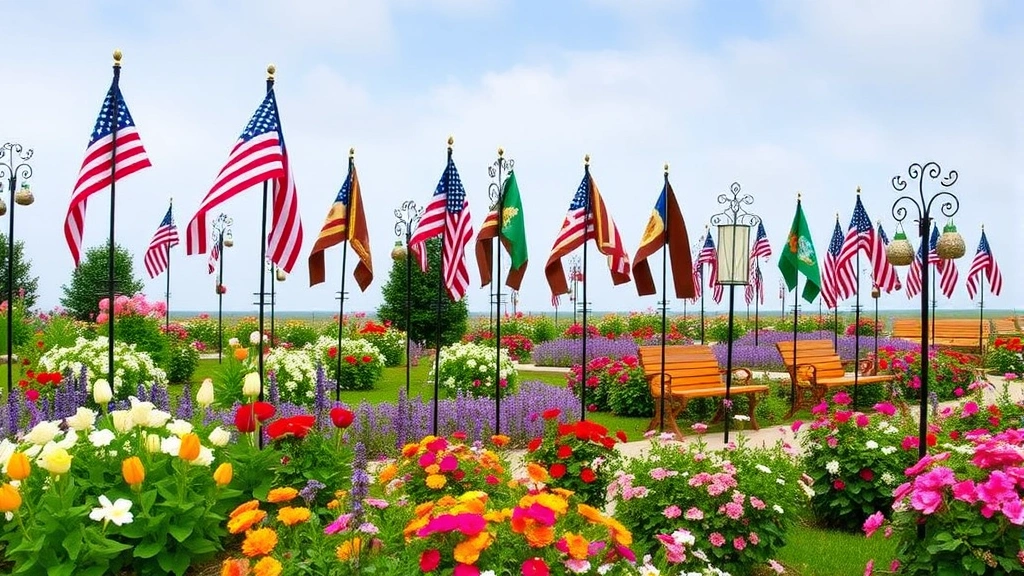
Multi-Flag Arrangements create visual impact by clustering three to five flags in coordinated designs. Arrange flags in triangular or curved patterns to guide visitor movement through your landscape. Stagger flag heights when using different holder types to create dynamic compositions.
Maintenance and Care Tips
Proper maintenance extends your garden flag holder’s lifespan while keeping it visually appealing throughout the year. Seasonal care routines prevent deterioration and maintain structural integrity.
Spring Inspection involves checking for winter damage, rust development, or loose connections. Apply fresh powder coating touch-ups to any exposed metal areas. Clean accumulated debris and verify that soil settling hasn’t loosened your holder’s anchor. Re-tighten any bolts or fasteners that may have loosened through seasonal freeze-thaw cycles.
Summer Maintenance focuses on flag condition assessment and holder stability verification. Replace faded or damaged flags to maintain attractive appearance. Check that spiral augers haven’t twisted loose through repeated flag movement in summer breezes. Clean dirt accumulation around stake bases to prevent moisture trapping that encourages rust.
Fall Preparation readies your holders for winter weather challenges. Apply rust-preventative coating to metal components, particularly in coastal regions or areas with significant moisture. Loosen spiral augers slightly to allow soil expansion during freeze-thaw cycles, preventing damage to the holder’s internal structure. Remove summer flags and store them indoors, replacing with fall designs.
Winter Protection becomes critical in regions experiencing heavy snow or ice. Remove flag holders from areas prone to snow drift accumulation, which can bend or crack structures. Store removable holders indoors during winter months, reinstalling them in spring. For permanent installations, apply additional rust-preventative coatings before winter weather arrives.
Annual Deep Cleaning removes accumulated dirt and extends finish longevity. Use mild soap and water with a soft brush to clean without damaging protective coatings. For stubborn rust spots, use fine-grit sandpaper followed by touch-up coating application. Avoid harsh chemicals or pressure washers that can damage finishes or force moisture into crevices.
Troubleshooting Common Issues
Even quality garden flag holders occasionally present challenges. Understanding common problems and their solutions helps you maintain optimal performance.
Flag Holder Tilting or Rotation typically indicates inadequate soil compaction or settling. Spiral auger holders may unwind slightly through seasonal soil movement. Solution: Rotate the holder clockwise to re-tighten, adding additional rotations if necessary. For persistent tilting, remove the holder and reinstall at a slightly different location with better soil stability.
Rust Development on Metal Components suggests inadequate protective coating or damage exposing bare metal. Solution: Sand affected areas with fine-grit sandpaper, then apply rust-preventative coating. For extensive rust, consider replacement rather than attempting restoration on heavily compromised holders.
Difficulty Installing Spiral Augers usually reflects inadequate soil moisture or excessive soil density. Solution: Water installation areas the day before installation. For clay-heavy soil, twist more slowly while applying steady downward pressure. In rocky soil, pre-drill holes using a masonry bit before auger installation.
Flags Fading or Deteriorating Rapidly indicates sun exposure damage or inferior flag quality. Solution: Rotate flags regularly, storing unused flags indoors. Select flags featuring UV-resistant materials and fade-resistant dyes. Replace faded flags seasonally rather than attempting restoration.
Wobbling or Movement During Wind suggests insufficient anchor depth or structural damage. Solution: For spiral augers, add additional rotations to increase depth. For stake holders, drive further into ground using controlled hammer strikes. If wobbling persists, inspect for bent or cracked components requiring replacement.
Difficulty Removing Installed Holders reflects soil adhesion or rust bonding. Solution: Apply penetrating oil around the base and wait several hours before attempting removal. Rotate spiral augers counterclockwise using steady, controlled pressure. Avoid excessive force that might break the holder or bend the installation mechanism.
FAQ
What size garden flag fits standard flag holders?
Most standard garden flag holders accommodate 12-by-18-inch flags, the industry standard size. Some premium holders accept larger 18-by-24-inch flags for enhanced visual impact. Always verify flag dimensions before purchasing to ensure proper fit and balanced appearance.
Can I use garden flag holders in raised garden beds?
Yes, flag holders work beautifully in raised beds, particularly stake-style and spiral auger designs. They help mark seasonal plantings and add decorative interest to vegetable or herb gardens. Position holders at bed corners or entry points to avoid interfering with plant growth or cultivation activities.
How deep should spiral auger holders be installed?
Most experts recommend installing spiral augers to a depth of 8-12 inches for optimal stability. In windy locations, aim for maximum depth of 12-15 inches. Avoid installing deeper than the auger’s full length, which prevents proper rotation and can damage the holder.
Are there weather-resistant flag holder options?
Yes, stainless steel and premium powder-coated steel holders offer excellent weather resistance. Look for holders with sealed welded joints, rust-preventative coatings, and materials rated for your climate zone. Coastal gardeners should prioritize stainless steel or marine-grade coatings.
Can I leave flag holders installed year-round?
Permanent installation works well in most climates when using quality materials and proper maintenance. In regions with severe winter weather, consider removing holders before heavy snow or storing them indoors. This prevents damage from freeze-thaw cycles and snow load stress.
What’s the best way to protect flag holders during winter?
Apply rust-preventative coating before winter arrives, clean accumulated debris, and consider removing holders from areas prone to snow drifting. For permanent installations, loosen spiral augers slightly to accommodate soil expansion during freeze-thaw cycles.
How do I prevent flag holder rust?
Select holders with quality powder coating or stainless steel construction. Clean regularly to prevent dirt and moisture accumulation. Apply touch-up coatings to any scratched or damaged areas. Store removable holders indoors during off-season to minimize exposure to harsh weather.
Can flag holders work with decorative garden stakes?
Many flag holders adapt to accommodate decorative stakes, particularly adjustable designs. Verify compatibility before purchasing. Some gardeners use flag holders alongside separate garden stakes to create layered visual interest and mark specific plantings simultaneously.


