Garden Farm Market Success: Farmer Insights for Growing and Selling Produce
Starting a garden farm market venture requires more than just planting seeds and hoping for the best. Successful farmers understand that connecting with customers at local markets demands strategic planning, quality produce, and genuine passion for sustainable agriculture. Whether you’re a seasoned gardener looking to monetize your green thumb or an aspiring entrepreneur exploring agricultural opportunities, the farm market landscape offers tremendous potential for growth and community impact.
The garden farm market movement has exploded over the past decade, with consumers increasingly seeking fresh, locally-grown produce over mass-produced supermarket alternatives. This shift creates genuine opportunities for small-scale growers to build loyal customer bases, establish direct relationships with buyers, and create meaningful income streams. However, success doesn’t happen by accident—it requires understanding market dynamics, optimizing your growing practices, and developing a business mindset alongside your horticultural skills.
Understanding Your Local Garden Farm Market
Before investing significant time and resources into production, successful farmers invest time in understanding their specific market. Every region has unique customer preferences, competitive landscapes, and seasonal demands. Visit your local farmers market multiple times across different seasons to observe which vendors attract crowds, which products sell quickly, and what price points customers accept. Talk to established vendors—most are surprisingly willing to share insights about what works and what doesn’t.
Research your market’s demographics carefully. Are customers primarily affluent professionals seeking premium organic produce, families looking for affordable fresh vegetables, or a mix? Understanding your audience shapes every decision from crop selection to pricing strategy. Check if your market has specific requirements for vendors, such as minimum acreage, organic certification, or liability insurance. Some markets operate year-round while others are seasonal, which dramatically affects your planning timeline.
Connect with your local USDA Farmers Market Directory to understand official guidelines and gain visibility. Many regions also have agricultural extension offices that provide free market analysis and business planning resources.
Selecting High-Demand Crops for Market Success
The most profitable garden farm market crops balance three factors: customer demand, growing ease for your climate, and profit margins. Herbs and specialty vegetables consistently outperform commodity crops at farmers markets because customers perceive higher value and willingly pay premium prices. Growing mint in pots exemplifies this perfectly—fresh herbs generate exceptional returns per square foot while requiring minimal space.
Leafy greens represent another market darling. Growing garden lettuce provides year-round income potential in most climates, with multiple harvest cycles per season. Customers consistently seek pesticide-free lettuce varieties, and the premium pricing reflects this demand. Microgreens and baby greens command even higher prices, though they require more intensive management.
Heirloom and specialty varieties often outsell standard supermarket vegetables at farmers markets. Unusual tomato colors, purple carrots, Japanese eggplants, and specialty peppers attract curious customers and generate word-of-mouth marketing. However, balance novelty with reliability—include proven bestsellers alongside experimental varieties to ensure consistent revenue.
Seasonal considerations matter tremendously. Spring markets reward early greens and transplants, summer explodes with tomatoes and stone fruits, fall demands squash and root vegetables, and winter shifts to storage crops and greenhouse-grown microgreens. Successful farmers plan crop rotations around these seasonal rhythms rather than fighting them.
Optimizing Your Growing Systems
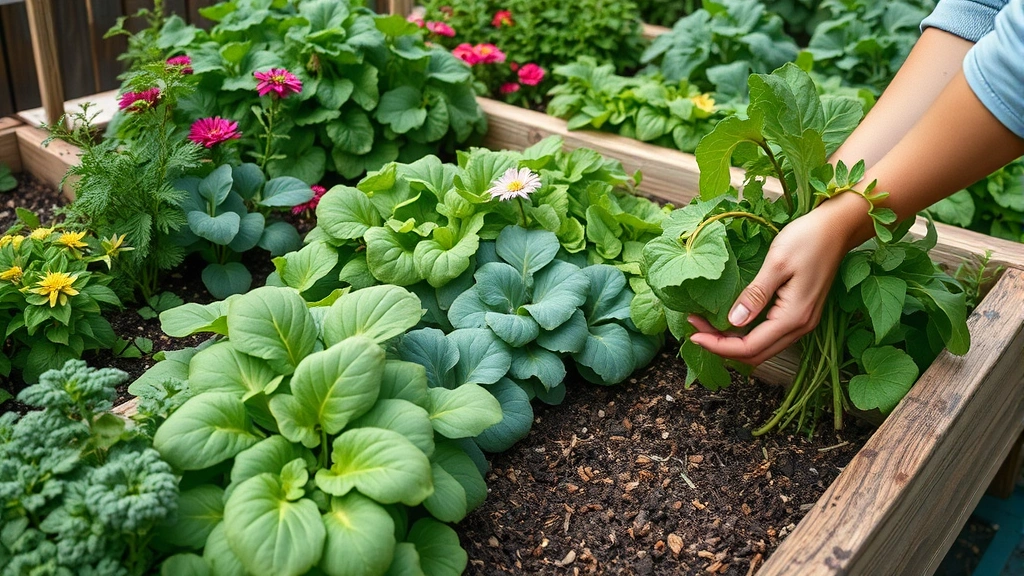
Your production system directly impacts profitability, quality, and sustainability. Building DIY raised garden beds offers excellent returns for market gardeners—they warm faster in spring, drain better, reduce back strain, and allow precise soil management. Raised beds also make crop rotation easier and create professional presentation that customers appreciate.
Container growing deserves serious consideration for market farms. Using large garden terracotta pots provides flexibility for moving plants, experimenting with placement, and managing pest pressure. Containers also allow you to maintain optimal soil conditions and water retention, critical factors for consistent produce quality that market customers expect.
Growing vegetables in raised garden beds combines the benefits of traditional garden beds with improved management. This approach scales well from hobbyist to commercial operations while maintaining the organic, sustainable image that market customers value.
Irrigation systems dramatically affect success. Drip irrigation minimizes water waste, reduces disease pressure, and ensures consistent moisture—crucial for quality produce. Mulching your beds reduces watering frequency while suppressing weeds that steal your profit margins. Many successful market farmers use soaker hoses or micro-irrigation systems that pay for themselves within the first season through water savings and improved yields.
Scaling Production Strategically
Growing from hobby gardening to market farm requires thoughtful scaling. Start small and expand based on actual market demand rather than production capacity. Many beginning farmers make the mistake of growing far more than they can sell, leading to waste and demoralization. Instead, start with one market stall and gradually expand once you’ve mastered production and sales for your initial crop selection.
Succession planting multiplies your productive capacity without expanding land area. By planting lettuce, beans, or other quick-maturing crops every two weeks, you maintain consistent supply throughout the season rather than feast-or-famine cycles. This strategy requires detailed planning and record-keeping, but experienced market farmers swear by it for maximizing income from limited space.
Crop diversity reduces risk while appealing to market customers seeking variety. Aim for 8-12 different products rather than monoculture production. This approach also naturally spreads your workload across the season since different crops peak at different times. However, avoid spreading too thin—focus on crops you genuinely enjoy growing and that fit your market’s preferences.
Vertical growing systems multiply yield per square foot. Trellising tomatoes, peas, and beans saves space while improving air circulation and reducing disease. Wall-mounted containers and tiered growing systems work beautifully for herbs and lettuce. These techniques particularly benefit small-scale market farmers working with limited land.
Pricing and Profitability Strategies
Pricing represents one of the most challenging aspects of market farming, yet it’s absolutely critical to profitability. Many beginning farmers underprice their produce out of insecurity or comparison with supermarket prices, which destroys their margins. Remember: farmers market customers already chose to pay premium prices by shopping at markets rather than grocery stores. They value quality, freshness, and local support.
Research comparable products at your market and nearby markets to understand price expectations. Generally, expect to charge 2-3 times supermarket prices for standard vegetables and 3-5 times for specialty items like heirloom tomatoes or fresh herbs. Calculate your actual costs—seeds, soil, fertilizer, water, labor, transportation, market fees—then price accordingly. Many successful farmers aim for 40-60% gross margins before labor.
Bundle pricing drives sales and increases average transaction value. Offer salad kits combining lettuce, tomatoes, and herbs at a slight discount versus individual purchases. Herb bundles, vegetable assortments, or seasonal boxes encourage larger purchases while moving inventory. Customers appreciate the convenience while you benefit from higher total sales per customer.
Premium positioning justifies higher prices. Emphasize organic practices, heirloom varieties, pesticide-free growing, and sustainable farming methods. Create simple signs explaining your growing practices and why your products command premium pricing. Customers gladly pay more when they understand the value proposition.
Volume discounts for restaurant and wholesale buyers create additional revenue streams beyond direct consumer sales. Many chefs seek quality local produce and will contract for specific items. This wholesale channel provides predictable revenue that complements farmers market income.
Building Customer Relationships
The most successful market farmers treat their stalls as retail businesses, not just produce stands. Arrive early, set up professionally, and greet customers warmly. Display products attractively with clear pricing. Tell the story behind your farm—customers connect emotionally with growers and their practices, which builds loyalty that transcends price competition.
Learn regular customer names and preferences. Ask what they’re cooking this week and suggest complementary products. Regular customers become brand ambassadors who recommend your farm to friends and family. This personal connection creates defensible competitive advantage that large operations can’t replicate.
Offer samples strategically. Customers hesitant about trying unfamiliar varieties often become repeat buyers after tasting your product. Samples also create conversation starters that build relationships. Budget a small percentage of production specifically for sampling.
Collect customer emails or phone numbers for direct communication about special items, seasonal peaks, or new varieties. Email newsletters or text alerts keep your farm top-of-mind and drive repeat visits. However, respect customer preferences and never spam—focus on genuine value communication.
Accept multiple payment methods including cash, cards, and digital payments like Venmo. Convenience removes friction from purchases and increases average transaction size. Many market customers prefer not carrying cash, and accommodating their preferences directly improves sales.
Seasonal Planning and Crop Rotation
Successful market farmers plan their entire year in advance, mapping crop rotations, succession plantings, and seasonal transitions. Create a detailed calendar showing when each crop reaches peak production, when to start seeds indoors, when to harvest, and when to plant succession crops. This planning prevents gaps in supply and ensures consistent market presence.
Crop rotation maintains soil health and prevents disease buildup that devastates production. Follow the principle of rotating crop families—avoid planting tomatoes where peppers grew last year, for example. A three-year rotation cycle works well for most market farms. Rotating crops also naturally spreads harvest workload across the season.
Plan for seasonal transitions strategically. Spring markets reward transplants and early greens, summer demands production intensity, fall shifts to storage crops, and winter requires greenhouse infrastructure or focus on preserved products. Rather than fighting seasonal rhythms, align your production calendar with them.
Extend your season using season extension techniques. Cold frames, row covers, and low tunnels add weeks to both spring and fall production. These relatively inexpensive additions dramatically increase annual revenue by capturing premium-priced shoulder-season sales. Many market farmers find season extension provides the highest return on investment of any infrastructure upgrade.
Marketing Your Farm Products
Successful market farms treat marketing as seriously as production. Create a simple farm name and visual identity—a logo, consistent signage, and branded packaging distinguish your stall and build recognition. Customers remember farms with clear identities far better than generic produce stands.
Social media provides free marketing that farmers markets specifically attract. Share photos of your harvest, growing process, and behind-the-scenes farm life on Instagram and Facebook. Tag your location and use farmers market hashtags to reach local customers. Authentic farm stories generate far more engagement than generic promotional content.
Develop simple packaging or presentation that communicates quality and professionalism. Kraft paper bags with your farm name, attractive baskets for displays, and clear signage elevate perception and justify premium pricing. Garden decorations and presentation elements extend beyond aesthetics—they communicate your farm’s values and professionalism.
Partner with local food bloggers, chefs, and media outlets. Offer samples and behind-the-scenes farm tours. Local food writers constantly seek authentic farm stories to feature in publications and online platforms. This earned media provides credibility that paid advertising can’t match.
Participate in community events beyond farmers markets. Farm-to-table dinners, school programs, cooking demonstrations, and community garden workshops build your brand while generating additional revenue streams. These activities position you as a trusted local food authority rather than just another vendor.
Consider complementary products that extend your market season and revenue potential. Preserves, dried herbs, herb blends, and value-added products command higher margins than fresh produce while utilizing surplus harvest. Many customers seek locally-made products beyond fresh vegetables, creating additional sales opportunities.
FAQ
How much land do I need to start a garden farm market business?
You can start profitably with as little as 1,000 square feet using intensive growing methods like raised beds, succession planting, and vertical growing. Focus on high-value crops like herbs and specialty vegetables rather than commodity produce. Many successful market farmers operate on quarter-acre or smaller properties, particularly in urban or suburban settings.
What’s the realistic income potential from a farmers market stall?
Income varies dramatically based on location, crop selection, and management, but successful part-time market farmers generate $500-$2,000 per market day depending on market size and season. Full-time farmers operating multiple market locations or selling wholesale can generate $50,000-$100,000+ annually. Start conservatively and scale based on actual demand.
Do I need organic certification to sell at farmers markets?
Most farmers markets don’t require formal organic certification, though many prefer or highlight certified vendors. However, you should be honest about your growing practices and follow organic principles if that’s part of your marketing message. Check your specific market’s requirements and customer expectations before making this decision.
When should I start seeds for my first market season?
This depends entirely on your climate and market season. Contact your local Cooperative Extension Service to determine your area’s frost dates and growing season length. Generally, start planning 3-4 months before your market’s opening date. Use seed catalogs and growing guides to map your specific timeline.
How do I handle crop failures or bad harvests?
Crop failures happen to every farmer—expect them and plan accordingly. Diversify your crops so one failure doesn’t devastate your season. Build relationships with other local farmers who can supply complementary products during shortages. Be transparent with customers about challenges; most appreciate honesty and remain loyal even during difficult seasons.
What’s the best way to start if I have limited experience?
Start small with crops you’ve successfully grown before. Volunteer at established farms or gardens to gain experience. Take free classes through your local horticultural society or botanical garden. Join a local farmers market as a vendor before committing to your own production—work for an existing farmer to understand the reality before investing your own resources.
How do I compete with other farmers at the market?
Compete through differentiation rather than price-cutting. Grow varieties others don’t offer, provide exceptional customer service, maintain superior quality, and tell your farm’s story authentically. Build customer relationships that transcend product—people buy from farmers they know and trust. Focus on being the best rather than the cheapest.


