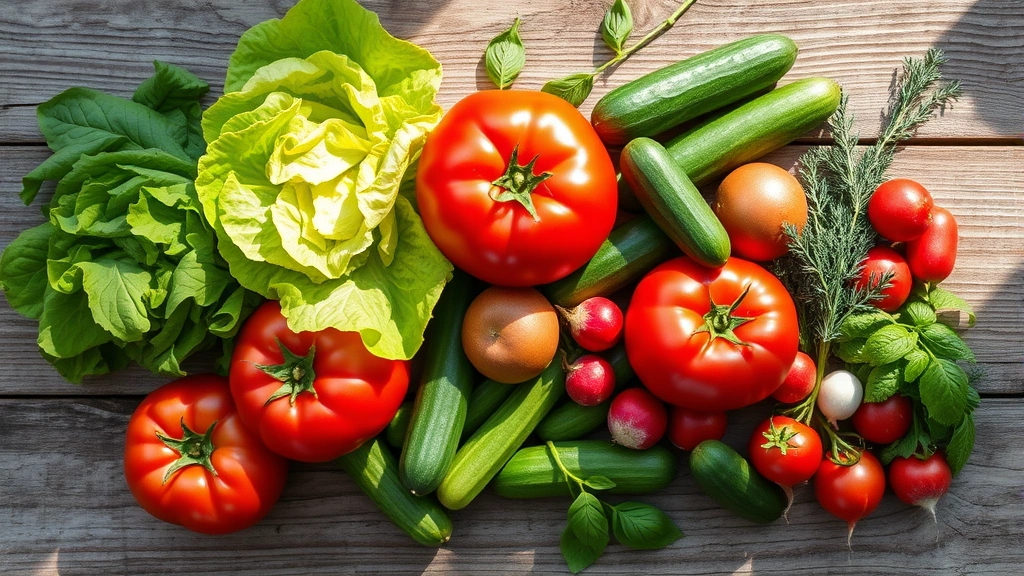
Transform your homegrown vegetables into restaurant-quality deli fare with these chef-approved garden deli ideas. Whether you’re cultivating crisp lettuce, juicy tomatoes, or aromatic herbs, your garden holds the potential to stock a sophisticated charcuterie board or gourmet sandwich spread. Creating a garden deli experience at home combines the satisfaction of growing your own ingredients with the culinary artistry of professional food preparation.
A garden deli concept celebrates the farm-to-table movement by utilizing fresh-picked produce to craft delicious spreads, pickled vegetables, cured meats accompaniments, and vibrant salads. This approach transforms ordinary gardening into a culinary adventure, where every harvest becomes an opportunity for creative meal preparation. Learn how to maximize your garden’s potential while developing skills that elevate your kitchen creations.
Essential Garden Deli Vegetables to Grow
The foundation of any successful garden deli begins with selecting the right vegetables. Tomatoes are non-negotiable—choose heirloom varieties like Brandywine or San Marzano for their superior flavor and texture. These varieties deliver the complex taste profiles that distinguish professional delis from ordinary grocery stores. Pair tomatoes with crisp cucumbers, which add refreshing crunch to sandwiches and salads.
Leafy greens form the backbone of your deli operation. Arugula, radicchio, and various lettuce varieties provide peppery notes and visual appeal. When planning your vegetable garden layout, dedicate substantial space to greens since they’re highly productive and can be succession-planted for continuous harvests. Belgian endive and chicory add sophisticated bitterness that pairs beautifully with cured meats.
Don’t overlook root vegetables and alliums. Radishes deliver peppery crunch, while roasted beets provide earthy sweetness and stunning color. Onions—both sweet varieties and shallots—are essential for deli applications. Purple onions add visual contrast and mild flavor, while shallots bring sophisticated depth to vinaigrettes and spreads. Growing peas in your garden provides tender pods and seeds perfect for elegant presentations.
Bell peppers and hot peppers expand your deli repertoire significantly. Roasted sweet peppers become luxurious spreads, while hot peppers create exciting condiments. Eggplant, when properly prepared, transforms into sophisticated caponata-style dishes. Celery and fennel add textural interest and subtle anise notes to compositions.
Herb-Forward Spreads and Compounds
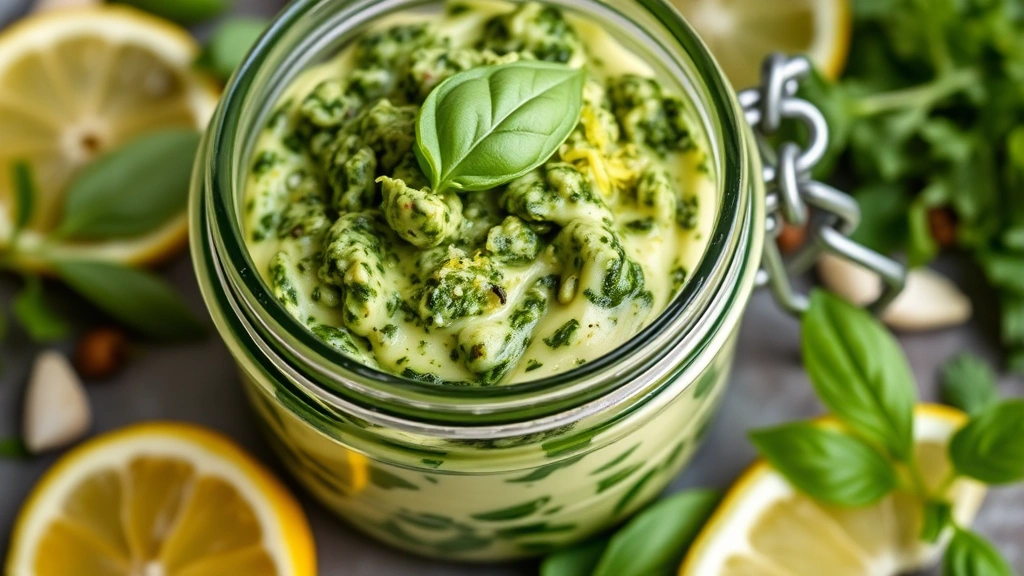
Fresh herbs elevate garden deli offerings from good to exceptional. Basil, parsley, dill, and tarragon create vibrant herb butters and creamy spreads. Chef-approved technique involves blanching herbs briefly to preserve their brilliant green color, then processing them with softened butter, garlic, and lemon juice. These compound butters melt beautifully over warm bread and add professional polish to any deli presentation.
Cilantro, mint, and chives create unexpected flavor combinations that surprise and delight. Mint-based spreads pair exceptionally well with lamb, while cilantro complements vegetable-forward compositions. Create layered spreads by combining herb butters with whipped cream cheese or ricotta, adding depth through mustard variations and preserved citrus zest.
Pesto variations expand beyond traditional basil—try arugula pesto for peppery notes, cilantro pesto for brightness, or even radish-leaf pesto for sustainability and unique flavor. These vibrant spreads transform simple sandwiches into gourmet creations. Store herb spreads in glass jars with clarified butter layers to extend shelf life while maintaining peak freshness and color.
Consider growing specialty herbs like tarragon, chervil, and sorrel for sophisticated French-inspired preparations. These herbs elevate compositions beyond typical deli offerings and demonstrate culinary knowledge. Oregano and thyme create Mediterranean spreads perfect for Italian-inspired boards, while rosemary adds aromatic complexity to compound butters designed for grilled meats.
Pickling and Preservation Techniques
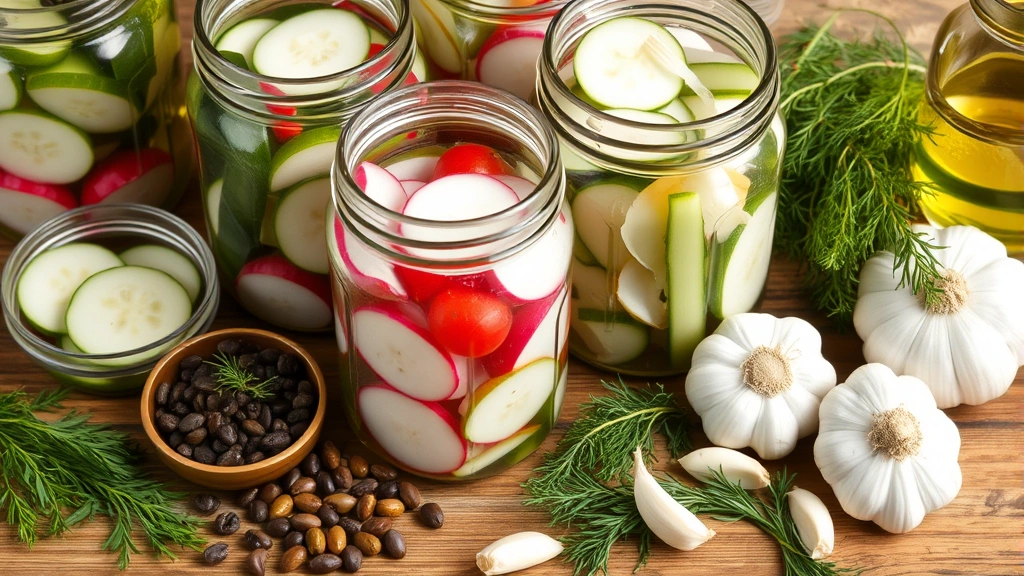
Pickling transforms garden vegetables into shelf-stable delicacies with complex flavor profiles. Quick pickling—a 24-hour process—preserves vegetables’ crunch while infusing them with vinegar, spice, and aromatics. This technique works beautifully for cucumbers, radishes, onions, and peppers. Chef-approved recipes use white wine vinegar or champagne vinegar for refined taste, avoiding harsh distilled vinegar.
Master the basic quick pickle formula: equal parts vinegar and water, with salt and sugar to taste. Add aromatics—peppercorns, mustard seeds, coriander seeds, dill, and bay leaves—for complexity. This method requires no special equipment beyond glass jars, making it accessible for home gardeners.
Fermentation offers another preservation avenue with probiotic benefits. Lacto-fermented vegetables develop complex, tangy flavors while remaining alive with beneficial bacteria. Cucumbers transform into naturally fizzy pickles, while cabbage becomes tangy and probiotic-rich. The fermentation process typically requires 5-10 days and demands only salt, water, and vegetables.
Roasting and preserving vegetables in oil creates luxurious deli items. Roasted red peppers, eggplant, and tomatoes become silky when preserved under quality olive oil with herbs and garlic. These preparations showcase your garden’s bounty while creating sophisticated spreads and accompaniments. Store oil-preserved vegetables in sterile jars under refrigeration, using within three weeks for optimal safety and quality.
Proper soil preparation for a thriving garden ensures vegetables have optimal nutrient density, which translates to superior flavor in preserved preparations. Nutrient-rich vegetables develop more complex flavor profiles that shine through preservation methods.
Building Your Garden Deli Layout
Strategic garden planning ensures you have sufficient quantities of diverse vegetables for deli applications. Unlike ornamental gardens, deli gardens prioritize productivity and succession planting. Dedicate beds to high-volume crops like tomatoes, peppers, and greens, allowing multiple harvests throughout the season.
Vertical growing maximizes space for climbing crops. Peas, beans, and cucumbers thrive on trellises, freeing ground space for lower-growing vegetables. This layered approach increases total yield while improving air circulation and reducing disease pressure. Consider installing permanent trellising structures at the garden’s northern edge to avoid shading shorter plants.
When designing your vegetable garden layout, group plants by water and nutrient needs. High-water crops like tomatoes and cucumbers should cluster together for efficient irrigation. Heavy feeders like peppers and brassicas benefit from concentrated compost amendments. This organization reduces waste and improves overall garden health.
Incorporate herb spirals or dedicated herb sections near your kitchen for convenient harvesting. This proximity encourages frequent harvesting, promoting bushier growth and abundant leaf production. Raised beds work beautifully for deli gardens, offering excellent drainage and allowing precise soil amendment for optimal vegetable quality.
Protect your deli garden investment by implementing pest management strategies. Learning how to keep rabbits out of your garden prevents devastating losses of young seedlings and tender greens. Fencing, netting, and companion planting all contribute to successful pest management without chemical inputs.
Chef-Approved Deli Recipes from Your Garden
Begin with a sophisticated tomato and herb spread that showcases summer’s bounty. Roast heirloom tomatoes slowly at low temperature (250°F) with garlic, basil, and olive oil for 3-4 hours until concentrated. Process the cooled tomatoes with whipped ricotta, fresh basil, and lemon zest. This spread offers complexity and depth suitable for the finest deli boards.
Create a peppery arugula pesto by processing fresh arugula with garlic, pine nuts, Parmigiano-Reggiano, and quality olive oil. This vibrant spread pairs beautifully with roasted vegetables and cured meats. The peppery arugula provides sophistication beyond traditional basil pesto, demonstrating culinary creativity and garden knowledge.
Develop a beet and horseradish spread for bold flavor statements. Roast garden beets until tender, then puree with horseradish root, sour cream, and fresh dill. This preparation offers visual drama with its deep crimson color while delivering complex heat and earthiness. Horseradish’s pungency mellows slightly through the sour cream, creating balanced flavor.
Prepare marinated vegetable medleys by combining roasted peppers, eggplant, zucchini, and onions with quality olive oil, red wine vinegar, garlic, and oregano. Allow these preparations to develop flavor for 24 hours before serving. The melded flavors create sophisticated vegetable compositions that elevate simple sandwiches into restaurant-quality offerings.
Master cucumber and herb sandwiches using thinly sliced cucumbers, fresh dill, tarragon, and a subtle cream cheese spread on quality bread. The simplicity of this classic deli preparation allows your garden’s exceptional produce quality to shine. This sandwich demonstrates that chef-approved deli food needn’t be complex—rather, it should highlight ingredient quality.
Create a sophisticated radish spread by blending fresh radishes with butter, sea salt, and fresh chives. This traditional French preparation, called beurre de radis, showcases radishes’ peppery character while creating an elegant, minimalist spread. Serve on thinly sliced bread for refined presentations.
Seasonal Harvesting Strategies
Spring gardens produce tender greens and fresh herbs perfect for delicate deli applications. Harvest leafy greens in early morning when they’re fully hydrated, ensuring maximum crispness. Frequent harvesting of outer leaves encourages continued production throughout the season. Succession plant lettuce and arugula every two weeks for continuous supply.
Summer brings tomato, pepper, and cucumber abundance. Harvest tomatoes when fully ripe but still firm—waiting until peak ripeness ensures maximum flavor development. Morning harvesting captures the coolest temperatures, extending shelf life and preserving delicate flavors. Cherry tomatoes and smaller varieties offer flexibility in deli presentations, allowing varied compositions.
Fall gardens produce storage crops and cool-season greens. Root vegetables reach peak sweetness after light frost, making them ideal for fall deli preparations. Brassicas develop complex flavors in cool weather, offering sophisticated taste profiles. Extend your harvest season by employing cold frames or row covers, allowing continued production into winter months.
Winter gardening in mild climates supports hardy greens and root vegetables. Kale, chicory, and storage crops provide deli ingredients when summer gardens sleep. In colder regions, preserve summer abundance through fermentation, pickling, and oil preservation, maintaining garden deli capabilities year-round.
Storage and Freshness Tips
Proper storage extends the life of your deli creations and maintains peak quality. Herb spreads and compound butters store beautifully in glass jars under refrigeration for up to two weeks. Layer with clarified butter to exclude oxygen and prevent browning. Frozen herb butters maintain quality for up to three months, allowing you to extend garden season flavors through winter months.
Fresh vegetable preparations should be consumed within 24 hours for optimal quality. Store in airtight containers with paper towels to absorb excess moisture, which promotes spoilage. Separate different vegetables to prevent cross-contamination of flavors and moisture.
Pickled vegetables maintain quality for 3-4 weeks under refrigeration when properly prepared. Always use sterilized jars and maintain proper vinegar ratios to ensure safety. The acidic environment preserves vegetables while developing flavor complexity over time—most pickled preparations taste better after 48 hours of maturation.
Oil-preserved vegetables must be handled with care to prevent botulism risk. Ensure vegetables are thoroughly dried before packing, and maintain refrigeration at all times. Use these preparations within three weeks and discard any showing signs of cloudiness, mold, or off-odors. When in doubt, prioritize safety over preservation.
Fresh herbs should be stored in water like flowers, covered loosely with plastic bags, in refrigerator conditions. This method maintains hydration and extends shelf life significantly—up to two weeks for many hardy herbs. Basil prefers room temperature storage away from cold, which damages delicate leaves.
FAQ
What vegetables are best for a beginner garden deli?
Start with reliable producers like tomatoes, lettuce, cucumbers, and herbs. These vegetables offer forgiving growth habits, quick harvests, and immediate culinary applications. As confidence builds, expand to more specialized vegetables like peppers, eggplant, and root crops.
Can I create a garden deli in containers?
Absolutely. Containers work beautifully for deli gardens, especially in urban settings. Use large containers (at least 5 gallons) for tomatoes and peppers, smaller pots for herbs, and window boxes for trailing varieties. Container gardening offers flexibility and allows you to optimize growing conditions for each plant type.
How do I ensure my vegetables have exceptional flavor?
Flavor depends on variety selection, soil quality, and harvest timing. Choose heirloom varieties known for taste rather than appearance. Amend soil generously with compost to ensure nutrient density. Harvest at peak ripeness when sugars and flavor compounds reach maximum concentration.
What’s the difference between quick pickling and fermentation?
Quick pickling uses vinegar to preserve vegetables rapidly (24 hours), creating shelf-stable products through acidity. Fermentation uses salt and time to encourage beneficial bacteria growth, creating living, probiotic-rich vegetables over 5-10 days. Both methods preserve vegetables while developing distinct flavor profiles.
Can I preserve garden deli items without canning?
Yes. Quick pickling, fermentation, oil preservation, and freezing all work beautifully without formal canning. These methods maintain quality for reasonable timeframes (3-4 weeks) under refrigeration. For longer-term preservation, learn proper canning techniques or consult university extension services for food preservation guidance.
What herbs pair best with deli applications?
Basil, parsley, dill, tarragon, chives, and mint offer the most versatility. Each brings distinct characteristics—basil’s sweetness, dill’s delicate flavor, tarragon’s subtle anise notes, and mint’s cooling freshness. Experiment with combinations to develop signature spreads reflecting your garden’s character.
How can I extend my garden deli season?
Employ succession planting for continuous greens. Use cold frames and row covers for season extension. Preserve abundance through pickling, fermentation, and freezing. In mild climates, grow winter-hardy varieties that produce through cool months. These strategies maintain deli capabilities year-round.
Are there resources for learning advanced preservation techniques?
Absolutely. Consult horticultural societies and master gardener programs for workshops on preservation methods. The USDA provides comprehensive food preservation guidelines ensuring safety and quality. Botanical gardens often host classes on growing and preparing edible plants.


