DIY Garden Decorations: Pro Tips Inside
Creating a beautiful garden goes far beyond planting flowers and vegetables—it’s about designing a space that reflects your personality and provides a welcoming retreat. DIY garden decorations offer an affordable, creative way to transform your outdoor space into a stunning landscape that impresses visitors and brings joy to your daily gardening experience. Whether you’re working with a sprawling backyard or a compact urban garden, homemade decorative elements add character, charm, and a personal touch that store-bought items simply cannot replicate.
The beauty of creating your own garden decorations lies in the flexibility and cost-effectiveness of the approach. Instead of spending hundreds of dollars on mass-produced ornaments, you can repurpose materials already in your home, visit local craft stores for inexpensive supplies, or gather natural elements from your surroundings. This guide will walk you through professional techniques for crafting stunning garden decorations that enhance your landscaping while staying within budget.
Upcycled Container Gardens and Planters
One of the easiest and most impactful ways to add garden decorations is through creative container gardening. Before you toss out old items, consider their potential as unique planters. Vintage boots, wooden crates, teacups, tin cans, and even broken wheelbarrows can become charming homes for your plants. The key to successful upcycled containers is ensuring proper drainage—drill holes in the bottom if necessary, and add a layer of gravel before filling with soil.
When selecting containers, think about scale and placement. Group odd numbers of containers (three, five, or seven) together for visual impact, and vary their heights to create dynamic interest. raised bed gardening principles apply here too—consider the mature size of plants and ensure containers are appropriate for their root systems. Paint containers with outdoor-safe acrylic paint to create cohesive color schemes. Weathered finishes often look more professional than bright, uniform colors.
Tiered container displays are particularly effective. Stack different-sized pots, use plant stands at varying heights, or create a container tower using a vertical structure. This approach maximizes visual interest in small spaces and makes it easier to care for multiple plants. Consider pairing your container displays with starting a flower garden to ensure you have a consistent supply of blooms for your decorative containers throughout the season.
Creating Statement Pieces with Painted Rocks
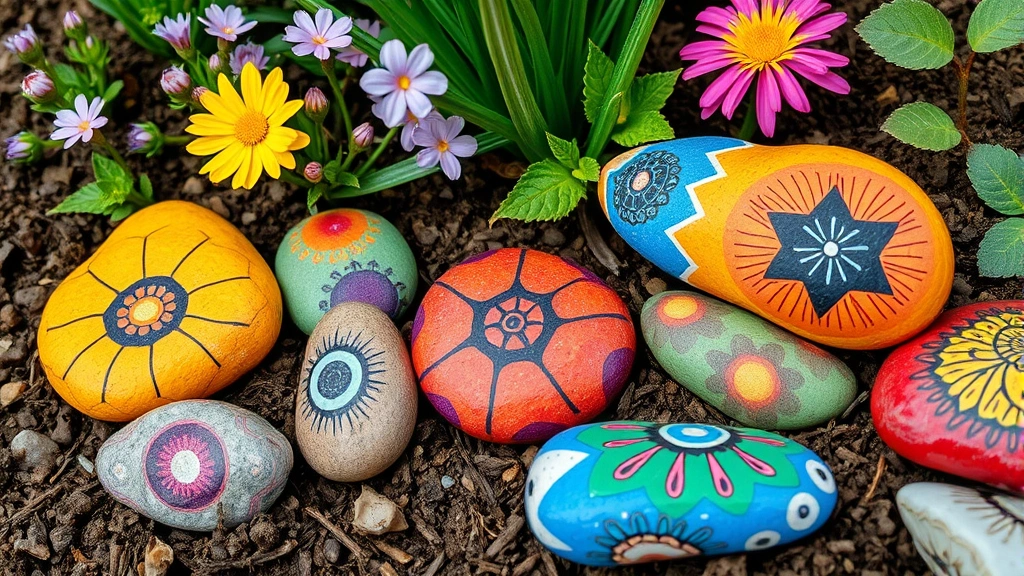
Painted rocks are among the most versatile and beginner-friendly garden decorations you can create. Beyond simple painted designs, rocks can serve multiple purposes—from decorative focal points to functional plant markers and pathway edging. Start by collecting smooth, flat rocks from riverbeds, beaches, or landscaping suppliers. Larger rocks (6-12 inches) make impressive statement pieces, while smaller stones work well for detailed designs.
Preparation is crucial for longevity. Clean rocks thoroughly and apply a primer or base coat of white acrylic paint to ensure color vibrancy. Use outdoor-rated acrylic paints or seal your designs with polyurethane for weather protection. Simple designs often look more sophisticated than intricate ones—consider geometric patterns, mandala-inspired circles, or botanical illustrations. Professional-looking rock art typically features 2-3 coordinating colors rather than rainbow combinations.
Strategic placement amplifies the impact of painted rocks. Create a rock garden border, arrange them along pathways, nestle them among plantings, or group them as a focal point near seating areas. Rocks with motivational words or garden-themed quotes add personality. For strawberry gardens or other vegetable patches, paint rocks with plant names for functional decoration that serves as garden markers.
Building Garden Art from Reclaimed Materials
Creating larger sculptural elements elevates your garden’s aesthetic significantly. Reclaimed materials—old doors, windows, metal gates, driftwood, and salvaged wood—provide the foundation for impressive garden art installations. These pieces work especially well as backdrops or focal points in garden rooms. An old window frame mounted on a fence, filled with succulents or trailing vines, becomes living wall art. Salvaged doors can be painted and propped against fences or used as privacy screens.
Metal work offers endless possibilities. Bend rebar or wire into geometric shapes, spirals, or plant silhouettes to create abstract sculptures. Old garden tools, horseshoes, and metal scraps can be welded or wired together into functional art pieces. If welding isn’t in your skill set, simply arrange and secure items with heavy-duty outdoor adhesive or wire. Copper and rust-colored metals age beautifully in outdoor settings, developing patinas that enhance their visual appeal.
Wooden structures provide warmth and natural integration with landscapes. Build simple arbors, pergolas, or garden arch trellis structures from untreated or naturally finished wood. These serve dual purposes—supporting climbing plants while creating dramatic architectural elements. Layer reclaimed wood into raised beds with varied heights, or create rustic benches from fallen branches and weathered planks. The imperfect, aged quality of reclaimed materials often looks more intentional and sophisticated than new construction.
Water Features and Fountain Projects
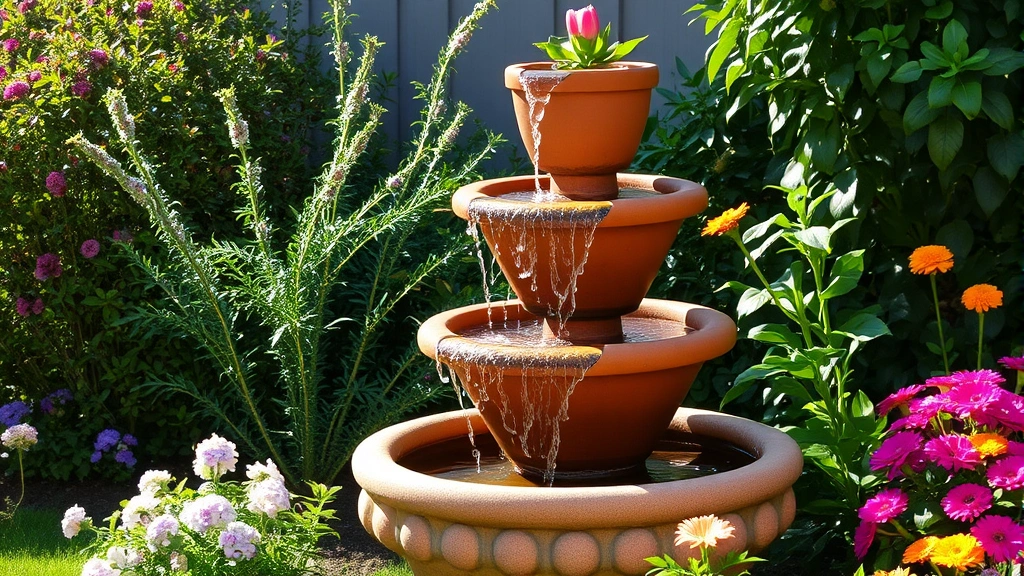
Water features rank among the most transformative garden decorations, adding movement, sound, and a sense of tranquility. DIY water features don’t require extensive plumbing—simple recirculating systems work beautifully. Begin with a basin (ceramic pot, stone bowl, or concrete vessel), a small submersible pump, and tubing. The pump circulates water from the basin through your chosen focal point, whether that’s a bamboo fountain, stacked stones, or a repurposed vessel.
Tiered fountain designs create visual drama. Stack graduated pots, drill a hole through their centers, and run tubing through the hole so water cascades from one level to the next. Alternatively, create a bubbler fountain by placing a grate over your basin and allowing water to flow through stacked rocks positioned above it. The key to professional-looking fountains is ensuring the water flow is controlled and purposeful—neither too rapid nor too sparse.
Safety and maintenance matter for long-term enjoyment. Position fountains on level, sturdy surfaces away from electrical hazards. Use outdoor-rated extension cords in GFCI-protected outlets. Maintain proper water levels to prevent pump damage, and clean filters regularly. Seasonal draining prevents freeze damage in cold climates. If you’re concerned about water features attracting mosquitoes, ensure water is continuously circulating—still water is the problem, not moving water.
Lighting Solutions for Evening Ambiance
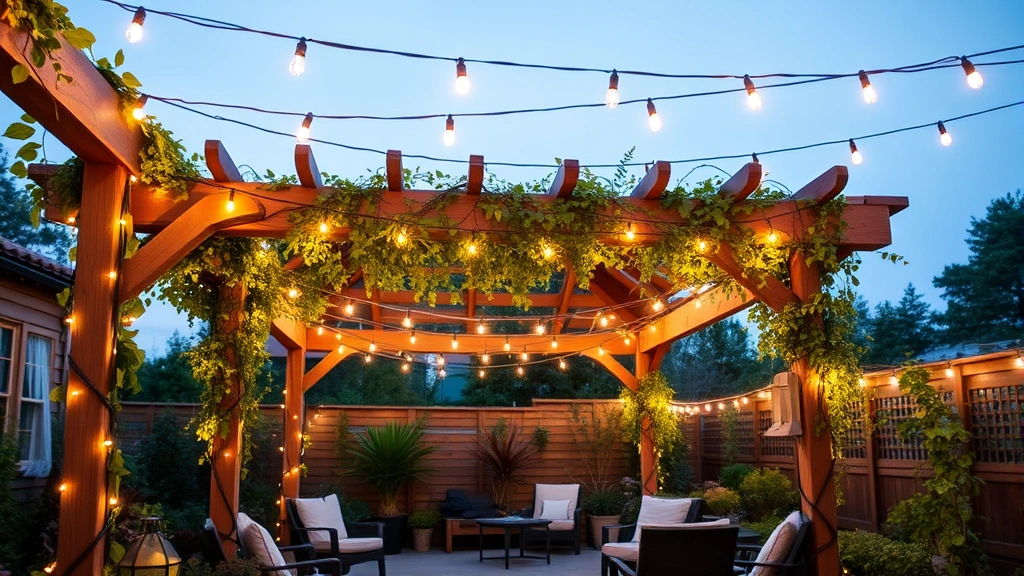
Strategic lighting transforms gardens into magical evening spaces while serving practical purposes. DIY lighting projects range from simple to sophisticated. String lights, whether traditional Edison bulbs or delicate fairy lights, instantly create atmosphere. Drape them overhead across seating areas, weave them through climbing plants, or wrap them around tree trunks. Solar-powered options eliminate electrical installation concerns and reduce energy consumption.
Uplighting creates dramatic effects by illuminating plants, structures, or architectural features from below. Position solar spotlights or weatherproof LED lights to highlight specimen plants, sculptures, or interesting foliage. This technique adds depth and dimension to nighttime gardens. Pathway lighting improves safety while guiding visitors through your space. Solar stake lights, recessed deck lights, or even luminarias (candles in paper bags) create welcoming pathways.
Candles and lanterns provide warm, intimate lighting perfect for entertaining. Group pillar candles of varying heights on tables or garden walls. Hang lanterns from pergolas or shepherd’s hooks. Citronella candles serve the dual purpose of ambiance and insect deterrent. For a more permanent solution, consider installing low-voltage LED landscape lighting—these systems are increasingly affordable and DIY-friendly, with kits that require minimal electrical knowledge.
Seasonal Garden Decorations
Your garden decorations should evolve with the seasons, keeping your outdoor space fresh and relevant year-round. Spring calls for pastel colors, bird-themed elements, and whimsical decorations. Create bird feeders from reclaimed materials, paint planters in soft hues, and add butterfly-attracting plants. Consider fairy garden elements—miniature furniture, tiny pathways, and magical accessories appeal to the sense of renewal that spring represents.
Summer is the season for bold colors and entertaining spaces. Brighten gardens with vibrant painted decorations, add comfortable seating, and create shaded retreats with pergolas or shade cloth. Install water features if you haven’t already—they’re especially appreciated during hot months. Incorporate plants with interesting foliage colors and textures to maintain visual interest even when flowering plants slow production in peak heat.
Fall brings opportunities for harvest-themed decorations. Create pumpkin displays, arrange dried grasses and seedheads, and use warm color palettes. Harvest wreaths, corn stalks, and dried flower arrangements celebrate the season’s abundance. Winter gardens benefit from structural elements that are invisible in growing season—the bones of trees, evergreen foliage, and architectural features become the focus. Add winter-interest plants with colorful stems, berries, or persistent seedheads. Create simple decorations with branches, berries, and natural materials.
Permanent decorative elements should be weather-resistant and timeless. Invest in quality pieces that complement multiple seasons rather than trend-driven items that feel dated quickly. Neutral colors, classic designs, and natural materials age gracefully in outdoor settings.
FAQ
What’s the best material for outdoor DIY decorations?
Materials should be weather-resistant and durable. Stone, metal, untreated or sealed wood, and ceramic work well for permanent installations. For painted finishes, use outdoor-rated acrylic paints and seal with polyurethane. Reclaimed materials often develop beautiful patinas over time, adding character to gardens.
How do I protect DIY decorations from weather damage?
Apply appropriate sealers based on material type. Wood benefits from exterior stain or sealant, painted items need polyurethane topcoats, and metal can be sealed or allowed to develop patinas. Bring delicate items inside during harsh weather, and use furniture covers for seasonal storage.
Can I combine multiple decoration styles in one garden?
Absolutely, but cohesion matters. Choose 2-3 coordinating color palettes, maintain consistent design themes, and balance statement pieces with simpler elements. Avoid overcrowding—negative space makes decorations more impactful than filling every corner.
What’s the most beginner-friendly decoration project?
Painted rocks require minimal investment, tools, and skills while delivering impressive visual impact. Container gardening is equally accessible and offers flexibility for rearrangement. Both projects yield immediate gratification and allow creative expression without permanent commitment.
How can I add decorations to a small garden?
Vertical elements maximize small spaces—wall-mounted art, hanging containers, and trellises draw eyes upward without consuming ground space. Choose fewer, larger statement pieces rather than scattered small items. Mirrors and light-colored decorations create illusions of space. Strategic placement of garden tools and functional items adds interest while serving practical purposes.
How often should I refresh garden decorations?
Seasonal changes keep gardens feeling fresh—rotate decorations quarterly for new visual interest. Permanent structural elements might remain unchanged for years, while smaller accessories can shift with trends and preferences. Annual maintenance ensures longevity and keeps decorations looking intentional rather than neglected.
Creating beautiful garden decorations through DIY projects combines creativity, sustainability, and personal expression. Whether you’re upcycling household items, painting rocks, building water features, or installing lighting, each project adds layers of character to your garden. Start with simple projects to build confidence, invest gradually in quality materials, and enjoy the transformation of your outdoor space into a personalized sanctuary that reflects your gardening style and aesthetic preferences.


