Garden Cloth Shade: Pro Tips for Cool Plants
Garden cloth shade has revolutionized how gardeners protect their most delicate plants from intense summer heat. Whether you’re managing a vegetable patch in scorching climates or nurturing shade-loving perennials, shade cloth offers an affordable, flexible solution that keeps plants thriving when temperatures soar. Unlike permanent structures, shade fabric allows you to adjust light penetration based on seasonal needs, making it an essential tool for serious gardeners.
The key to successful shade cloth use lies in understanding your plants’ specific light requirements and choosing the right cloth density for your climate zone. With proper installation and maintenance, shade cloth can extend your growing season, improve crop yields, and reduce water stress on vulnerable specimens. This comprehensive guide walks you through everything you need to know about selecting, installing, and maintaining garden cloth shade for optimal plant health.
Understanding Shade Cloth Percentages
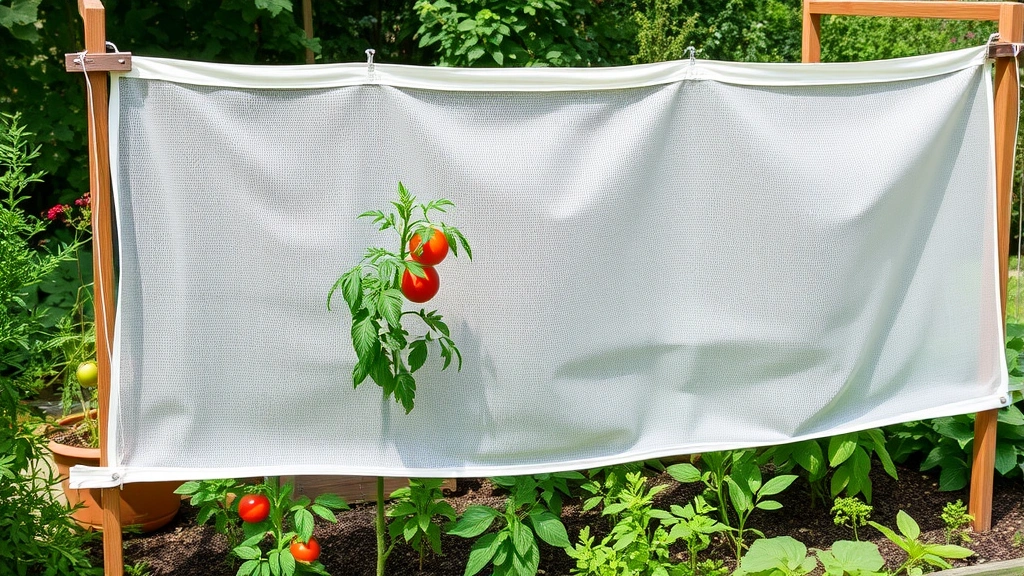
Shade cloth comes in various densities, typically ranging from 30% to 90%, which indicates the percentage of sunlight the fabric blocks. A 30% shade cloth allows 70% of sunlight through, making it ideal for heat-sensitive crops that still need significant light exposure. Conversely, a 90% shade cloth blocks most direct rays and works best for extremely heat-sensitive plants or during peak summer months in desert regions.
The most commonly used densities are 30%, 50%, and 70%. The 50% shade cloth serves as a middle ground, perfect for most vegetable gardens during summer. When selecting your cloth, consider your local climate, the specific plants you’re growing, and the time of year. Plants like garden lettuce typically thrive under 30-50% shade cloth, while tender seedlings may need 70% protection during transplanting. Testing different percentages on small plant sections helps you determine the optimal balance between light and heat protection for your garden’s unique conditions.
Color matters too. White and tan shade cloths reflect more heat than black varieties, making them superior for cooling purposes. Black cloth absorbs heat and works better when you primarily need to reduce light intensity without cooling. For most gardeners focused on heat management, lighter-colored shade cloth delivers better temperature regulation and more consistent plant performance.
Best Plants for Shade Cloth Protection
Certain plants absolutely flourish under shade cloth protection. Cool-season vegetables like spinach, kale, and arugula can continue producing through summer with proper shade cloth deployment. These crops naturally prefer cooler temperatures and bolt or become bitter when exposed to intense heat. By installing shade cloth in mid-summer, you essentially create a secondary spring-like growing season, extending your harvest window by several weeks.
Tender herb garden plants such as cilantro, parsley, and basil benefit significantly from afternoon shade cloth protection. These herbs maintain better flavor profiles and leaf texture when protected from scorching midday sun. Many gardeners report that their cilantro and parsley remain harvestable through July and August with 30-50% shade cloth, whereas unprotected plants typically bolt by early summer.
Young seedlings and transplants need shade cloth during their establishment phase, regardless of their mature light requirements. Newly transplanted tomatoes, peppers, and eggplants should spend their first week under 50% shade cloth before gradually acclimating to full sun. This reduces transplant shock and accelerates root establishment. Shade-loving perennials, hostas, ferns, and hellebores naturally appreciate cloth protection in hot climates where afternoon temperatures exceed 85°F consistently.
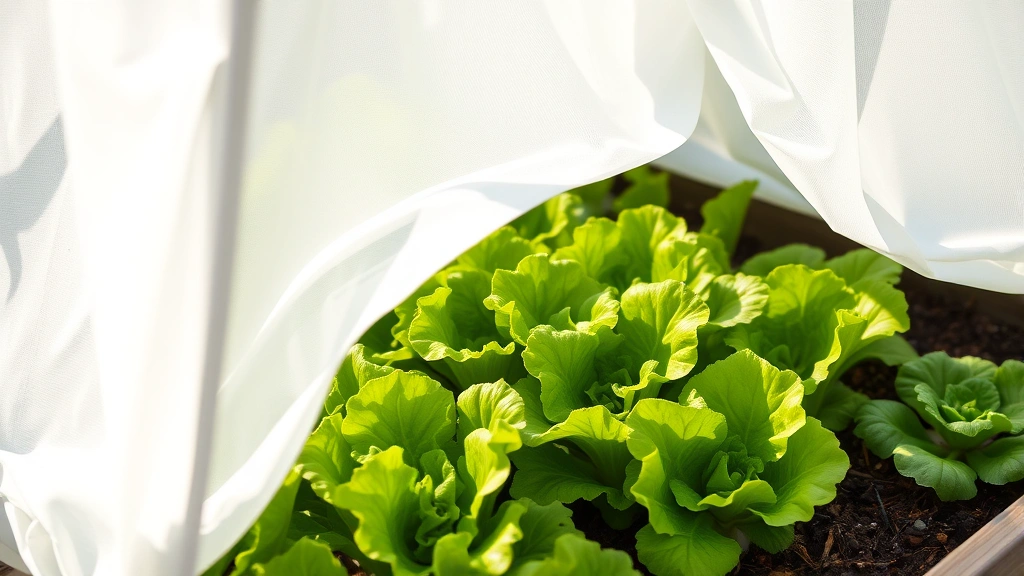
Lettuce, chard, and other leafy greens are prime candidates for shade cloth. When temperatures exceed 75°F, lettuce becomes increasingly bitter and prone to bolting. A simple shade cloth system over your raised garden bed can keep these crops productive all summer long. Additionally, berry bushes like blueberries and raspberries often produce better-quality fruit when given afternoon shade in extremely hot regions, though they still need morning sun exposure for adequate photosynthesis.
Installation Techniques and Methods
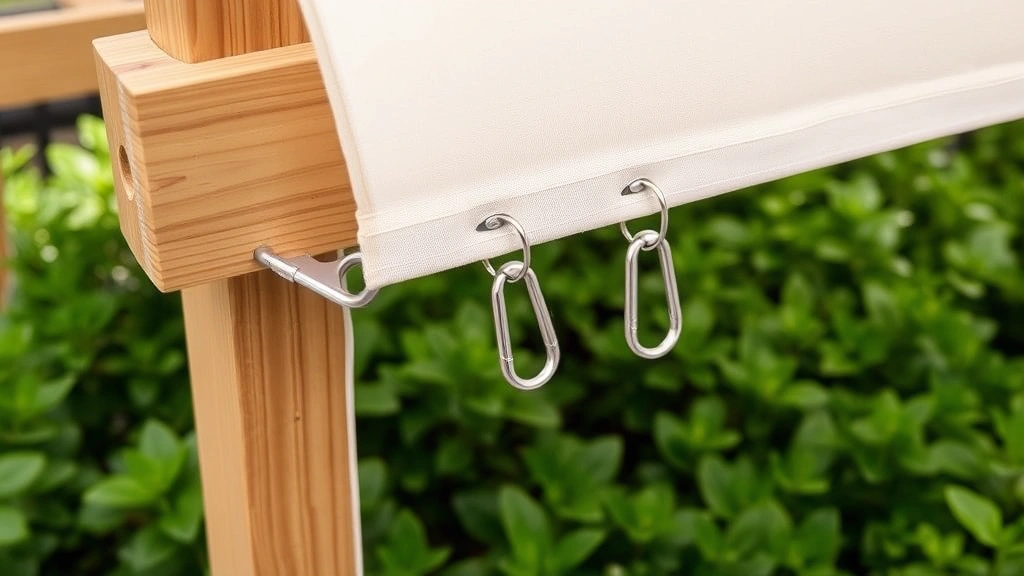
Proper installation ensures your shade cloth remains effective and doesn’t damage plants underneath. The most straightforward approach involves creating a frame using PVC pipes, wooden posts, or metal conduit, then securing the cloth to the frame with zip ties, clips, or grommets. For raised beds, you can install low posts at each corner and run the cloth across the top, creating a simple tent-like structure. This method allows for easy removal and adjustment as seasons change.
For larger garden areas, consider installing shade cloth between two sturdy posts or along existing structures. Ensure the cloth has adequate air circulation beneath it; stagnant air can trap heat and create humid conditions that promote fungal diseases. Leave at least 12 inches of clearance between the cloth and plant canopies. This air gap allows warm air to rise and escape while protecting plants from direct sun exposure.
One popular technique involves attaching shade cloth to a horizontal wire or cable strung between posts. This creates an adjustable system where you can raise or lower the cloth depending on weather conditions and plant needs. During cloudy days or cooler periods, you might partially roll back the cloth to maximize light penetration. Heavy-duty clips and carabiners make these adjustments quick and effortless.
When installing over gardening with native plants or established garden beds, avoid direct contact between cloth and foliage. Direct contact can cause leaf burn where the cloth creates localized heat pockets. Always maintain that crucial air gap. Additionally, ensure your installation can withstand wind; secure all edges firmly with stakes, weights, or fasteners. Loose cloth flapping in wind can damage plants and become a safety hazard.
Seasonal Timing and Deployment
Timing your shade cloth deployment directly impacts its effectiveness. In most climates, you’ll install shade cloth sometime in late May or early June when daily temperatures consistently exceed 80°F. However, this varies by region. Desert gardeners might deploy cloth as early as April, while northern gardeners may wait until mid-June. Monitor your local weather patterns and install cloth just before your area’s typical heat wave season begins.
For cool-season crops, you might install shade cloth earlier in spring to extend their productivity. Lettuce and other greens can bolt in late spring in many regions, so deploying 30% shade cloth in late April can keep these crops producing through June. Then, as you harvest spring crops, you might increase to 50-70% cloth for summer heat protection of other plants.
Remove shade cloth in late August or early September as temperatures moderate. Leaving it on too long reduces light exposure during the crucial period when plants need maximum energy for fall production. The exact removal date depends on your location and target crops. If you’re growing fall vegetables, remove cloth as soon as nighttime temperatures drop below 70°F consistently, typically in late August in temperate climates.
Spring and fall shoulder seasons often require temporary shade cloth deployment. A late spring frost followed by sudden heat might necessitate quick cloth installation. Similarly, an unexpected heat wave in September could warrant temporary deployment before fall crops are fully established. Flexible installation systems that allow rapid deployment and removal prove invaluable for responding to these weather fluctuations.
Maintenance and Longevity
Quality shade cloth typically lasts 3-5 years with proper care. UV stabilization in modern fabrics extends lifespan, but sun exposure gradually degrades all materials. Store cloth in a cool, dry location during off-seasons to maximize longevity. Don’t leave it exposed to winter weather or stored in damp conditions, as moisture promotes mildew and deterioration.
Inspect cloth regularly for tears, holes, or fraying edges. Small holes can be patched with fabric repair tape or patches designed for shade cloth. Larger damage warrants cloth replacement to maintain consistent light penetration and sun protection. Clean cloth periodically with a gentle spray from your hose; accumulated dust and debris reduce light transmission and can harbor pests or diseases.
When not in use, roll cloth loosely and store it vertically or on a large spool rather than folding it tightly. Tight folding creates permanent creases that weaken fibers and reduce functionality. Secure your storage area against rodents and insects; shade cloth provides attractive nesting material for various pests. Some gardeners store cloth in large plastic bins with cedar blocks to deter insects.
Inspect your installation hardware annually. Metal components may rust, wooden posts may rot, and plastic clips may become brittle. Replace any compromised components before deploying cloth each season. This preventive maintenance prevents unexpected failures during the growing season when your cloth is actively protecting valuable plants.
Consider upgrading to newer shade cloth technology as it becomes available. Newer formulations often offer better UV protection, improved durability, and enhanced light transmission characteristics. Many gardeners find that investing in higher-quality cloth every 4-5 years costs less than repeatedly replacing cheaper alternatives that deteriorate after 2-3 seasons.
FAQ
Can I leave shade cloth on all season?
No. Prolonged shade cloth coverage reduces overall light exposure, which plants need for optimal growth and fruit production. Typically, shade cloth should remain deployed only during your region’s hottest months, usually June through August. Remove it when temperatures moderate to prevent stunting growth and reducing yields.
What’s the difference between shade cloth and row covers?
Shade cloth is designed primarily for heat and light management, typically deployed over established plants. Row covers serve multiple purposes including frost protection, pest exclusion, and humidity management for young seedlings. Row covers are generally lighter and more delicate, while shade cloth is heavier and more durable for extended sun exposure.
Will shade cloth affect flowering and fruiting?
Moderate shade cloth (30-50%) generally doesn’t significantly impact flowering in most crops. However, extremely dense cloth (70%+) may reduce flowering and fruit set in sun-loving plants like tomatoes and peppers. Use the lightest shade cloth percentage that still meets your cooling needs to maintain adequate light for reproduction.
How do I prevent fungal diseases under shade cloth?
Ensure adequate air circulation by maintaining clearance between cloth and plants. Water in early morning so foliage dries quickly. Install cloth with north-south orientation to maximize airflow. Monitor humidity levels and reduce watering frequency if moisture remains on leaves. These practices prevent the stagnant, humid conditions that promote fungal infections.
Can I use old bedsheets instead of shade cloth?
While bedsheets provide some shade, they’re not ideal. They restrict airflow more severely than designed shade cloth, trap heat, and deteriorate quickly under UV exposure. Additionally, bedsheets don’t offer consistent light reduction, creating uneven growing conditions. Invest in proper shade cloth for better results and longer-term value.
What percentage shade cloth should I use for my region?
This depends on your climate and plants. Desert regions typically need 50-70% cloth. Temperate zones generally use 30-50% cloth. Tropical areas might use 70-90% cloth. Start with 50% and adjust based on plant performance. If plants still show heat stress, increase to 70%. If they appear leggy or weak, reduce to 30%.
Does shade cloth reduce water needs?
Yes, significantly. Shade cloth reduces evaporation by 30-50% depending on density. This means you’ll water less frequently under cloth. However, monitor soil moisture regularly; conditions vary based on cloth percentage, local humidity, and plant type. Overwatering under shade cloth can lead to root rot and fungal diseases.
For additional resources on plant care and shade management, consult the United States Botanic Garden, your local state horticultural society, or contact your USDA Master Gardener Program for region-specific guidance. The USDA Agricultural Marketing Service provides extensive information on vegetable production, while the Oregon State University Extension Service offers detailed shade cloth recommendations for various climates.


