Garden City Idaho: Top Local Plants to Grow
Garden City, Idaho sits in a unique growing zone that offers both challenges and opportunities for gardeners. Located in Ada County with its distinctive high desert climate, this charming community experiences cold winters, warm summers, and moderate precipitation. Understanding which plants thrive in this specific microclimate is essential for creating a successful and sustainable garden that requires minimal maintenance while maximizing visual appeal and productivity.
Whether you’re a seasoned gardener or just beginning to explore the possibilities of growing your own food and ornamentals, knowing the best plants for your local area makes all the difference. Garden City’s USDA hardiness zone 7b to 8a means you have access to a wonderful variety of perennials, vegetables, and shrubs that flourish with proper care. This guide explores the top plants specifically suited to Garden City’s growing conditions, helping you design a garden that celebrates local horticulture while adapting to regional weather patterns.
Best Vegetables for Garden City Idaho
Growing vegetables in Garden City requires understanding the region’s frost dates and growing season length. The average last spring frost typically occurs around May 10th, while the first fall frost arrives around September 25th, giving gardeners approximately 138 frost-free days. This moderate growing season is perfect for cool-season crops and warm-season vegetables that mature quickly.
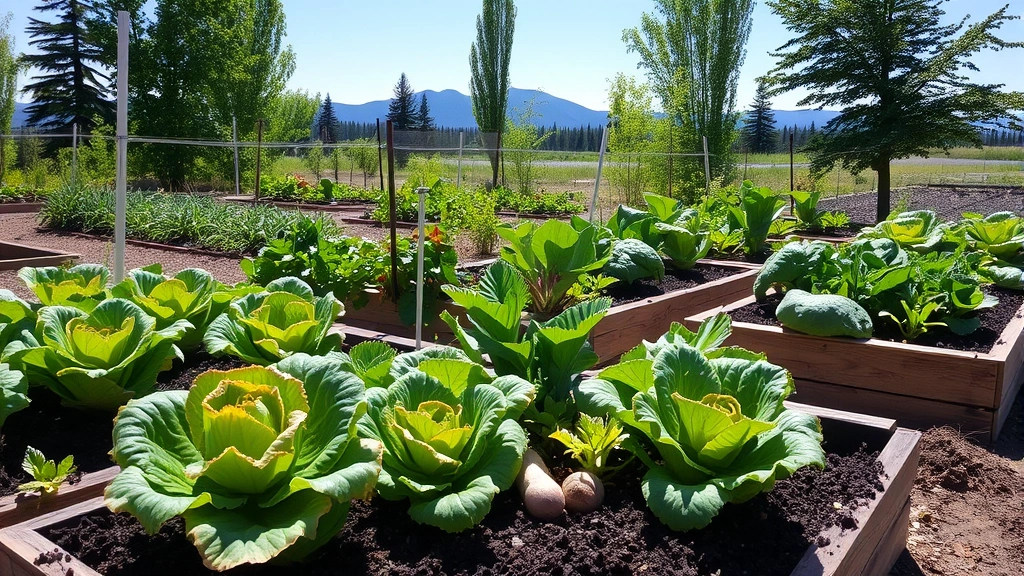
Cool-Season Vegetables perform exceptionally well in Garden City’s spring and fall gardens. Lettuce, spinach, peas, and broccoli thrive when planted in early spring or late summer. These crops actually prefer the cooler temperatures and can tolerate light frosts. Kale is particularly cold-hardy and can produce well into late fall and even early winter with proper protection. Swiss chard offers similar cold tolerance while providing beautiful foliage that adds visual interest to vegetable beds.
Potatoes are a regional favorite that grows remarkably well in Garden City’s soil conditions. Plant them in early spring and harvest in mid-summer before the intense heat arrives. The region’s lower humidity compared to other growing areas means fewer disease problems for potato crops. Onions and garlic are also excellent choices, with fall planting of garlic ensuring a robust harvest the following summer.
Warm-Season Vegetables need careful timing to succeed in Garden City. Tomatoes are possible but require starting seeds indoors and selecting varieties that mature within 70-80 days. Cherry tomatoes and early-maturing varieties like ‘Early Girl’ and ‘Siberia’ perform better than large slicing types. Peppers can work in favorable years but often struggle to fully mature before frost. Beans, particularly bush varieties, grow well when planted after all frost danger passes in mid-May.
Squash and zucchini thrive during Garden City’s warm summers and can produce abundantly through August. Plant these heat-lovers directly in the ground after the soil warms thoroughly. Cucumbers similarly enjoy the summer warmth and produce prolifically with proper water management. Consider using rain gardens and water conservation techniques to maintain consistent moisture during dry spells.
Root Vegetables excel in Garden City gardens. Carrots, beets, radishes, and turnips all grow well from spring through fall plantings. The cooler fall weather actually improves flavor in many root crops, making late-summer plantings particularly rewarding. Prepare your beds with well-amended soil that provides excellent drainage to ensure straight, uniform root development.
Native Shrubs and Trees
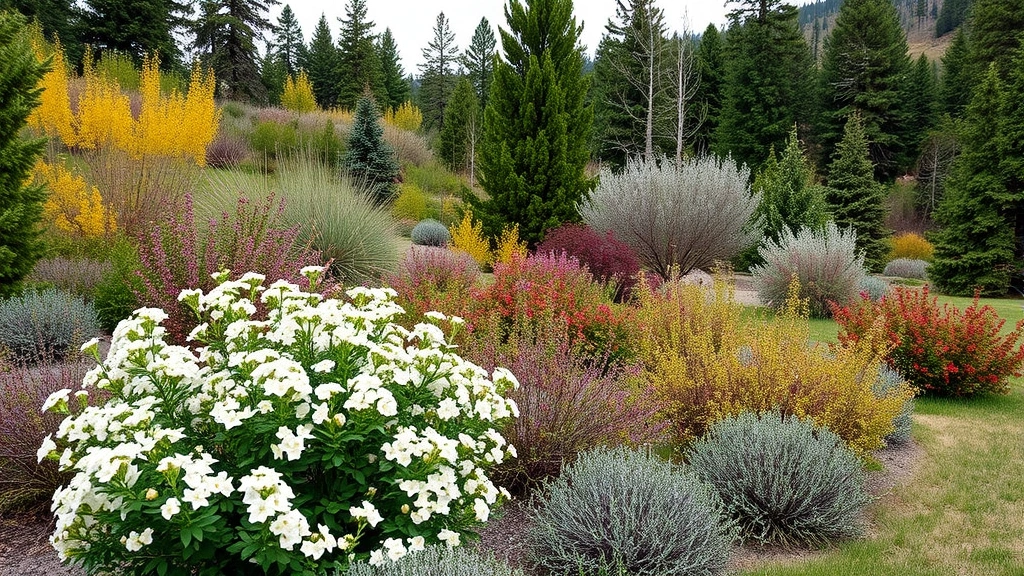
Incorporating native and adapted shrubs and trees creates a sustainable landscape that requires less water, fertilizer, and pest management. These plants have evolved to thrive in Idaho’s climate and naturally support local wildlife. Native species also help maintain the character of the Garden City landscape while reducing your maintenance workload.
Mountain Mahogany is a native shrub that tolerates poor, dry soils and provides attractive foliage and interesting seed heads. It requires minimal water once established and adds textural interest to landscape designs. The dense branching provides excellent wildlife habitat while the plant’s ability to fix nitrogen makes it beneficial for surrounding plants.
Serviceberry (Amelanchier) is a multi-stemmed native shrub that produces beautiful white flowers in spring, edible berries in early summer, and stunning fall color. It adapts to various soil conditions and provides food for birds while offering ornamental value throughout the growing season. This plant performs excellently in Garden City’s climate and makes an ideal understory planting beneath larger trees.
Douglas Fir and Ponderosa Pine are native conifers that create excellent windbreaks and privacy screens. These trees grow to substantial sizes but develop slowly, making them long-term investments in your landscape. They tolerate the region’s dry conditions once established and provide year-round structure and visual interest. Ensure adequate spacing to allow for mature size and air circulation.
Bittercherry and Chokecherry are native shrubs that produce attractive flowers and fruit. While the fruit is astringent when raw, it’s excellent for jams and jellies. These plants support numerous bird species and insects, creating a more biodiverse garden ecosystem. They’re extremely cold-hardy and require minimal supplemental water.
Aspen Trees thrive in Garden City and provide dappled shade and striking white bark. These deciduous trees create movement with their quivering leaves and offer brilliant golden fall color. They’re relatively fast-growing compared to conifers and provide excellent habitat for wildlife. However, they can spread via root suckers, so plant them away from structures and utilities.
Perennial Flowers That Thrive Locally
Perennial flowers provide seasonal color and interest while returning year after year, reducing the need for replanting. Garden City’s climate supports numerous perennials that bloom from spring through fall, ensuring continuous garden interest. Choose varieties that have proven cold-hardiness and drought tolerance for best results.
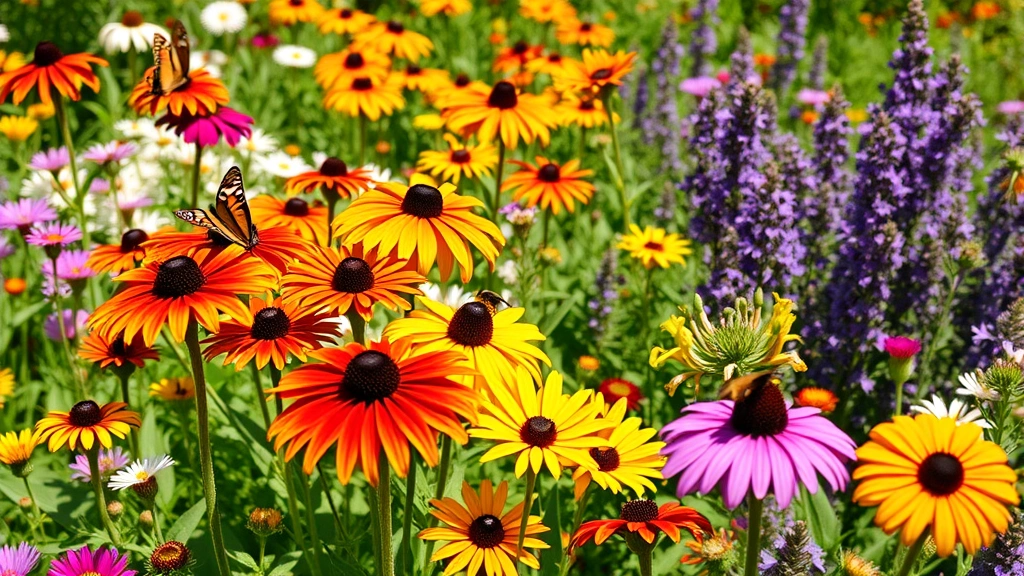
Black-eyed Susan (Rudbeckia) is a workhorse perennial that blooms reliably from mid-summer through fall. This native wildflower requires minimal water once established and attracts pollinators while providing cut flowers for indoor arrangements. The golden-yellow petals with dark centers brighten any garden bed and self-seed readily for future seasons.
Coneflowers (Echinacea) are exceptional performers in Garden City gardens, offering pink, purple, orange, and white flower options. These drought-tolerant perennials attract butterflies and bees while providing seeds for goldfinches in late season. They’re extremely cold-hardy and can handle neglect, making them perfect for low-maintenance landscape designs.
Yarrow produces flat-topped flower clusters in shades of red, pink, yellow, and white. This Mediterranean native adapts well to Idaho’s climate and poor soils. Yarrow is incredibly drought-tolerant once established and requires minimal deadheading for continuous bloom. The ferny foliage adds texture even when flowers aren’t present.
Sedums and Sempervivums offer unique foliage and interesting flowers while requiring almost no care. These succulents thrive in Garden City’s dry summers and cold winters. Use them in rock gardens, containers, or as groundcovers. Many varieties offer purple, red, or blue-tinted foliage that provides color interest beyond the flowering season.
Daylilies are extraordinarily adaptable perennials that produce trumpet-shaped flowers in nearly every color imaginable. While individual flowers last only one day, plants produce blooms continuously throughout the season. Daylilies tolerate poor soil and dry conditions while requiring minimal pest and disease management. Plant them in drifts for maximum impact.
Salvia varieties, particularly Russian Sage and other cold-hardy types, provide airy texture and attractive flowers that pollinators adore. These plants thrive in full sun and poor, dry soils. The purple-blue flowers bloom for extended periods and attract bees, butterflies, and hummingbirds throughout summer and into fall.
Lupines add dramatic height and color to Garden City gardens, with tall spikes of blue, pink, purple, or white flowers. These native wildflowers prefer slightly acidic soil and benefit from consistent moisture during establishment. Once settled, they tolerate dry conditions and self-seed to create naturalized drifts.
Herbs for Your Garden City Kitchen Garden
Growing culinary and medicinal herbs creates a productive kitchen garden that provides fresh flavors and wellness benefits. Many herbs are naturally drought-tolerant and cold-hardy, making them ideal for Garden City’s climate. A dedicated herb garden near your kitchen provides convenient access for cooking and creates aromatic spaces that attract beneficial insects.
Mediterranean Herbs including rosemary, thyme, oregano, and marjoram thrive in Garden City’s sunny locations and dry soils. These woody-stemmed perennials produce fragrant foliage year-round and provide culinary and ornamental value. Rosemary is slightly tender in zone 7b, so provide winter protection or grow it in containers to bring indoors during harsh weather. Thyme varieties spread beautifully as groundcovers while producing delicate flowers that pollinators love.
Sage varieties perform exceptionally well, with common sage, purple sage, and variegated forms all thriving in Garden City’s climate. These long-lived perennials produce attractive foliage and flowers while requiring minimal water once established. Sage is excellent for culinary use and attracts hummingbirds and bees to your garden.
Lavender creates fragrant focal points in Garden City gardens, producing purple, pink, or white flower spikes. English lavender varieties are more cold-hardy than French types and better suited to zone 7b conditions. These plants require excellent drainage and prefer lean soils, so amend heavy clay with sand and gravel. Lavender attracts pollinators and provides dried flowers for crafts and arrangements.
Chives and Garlic Chives are perennial herbs that produce attractive flowers and flavorful foliage. These cold-hardy plants come back reliably each spring and spread moderately through self-seeding. The delicate flowers are edible and add beauty to salads and garden beds. Both types tolerate partial shade and inconsistent watering better than Mediterranean herbs.
Mint is a vigorous perennial that grows enthusiastically in Garden City gardens, though it requires containment to prevent it from overwhelming adjacent plants. Plant mint in containers or use physical barriers to control its spread. Many varieties including spearmint, peppermint, and chocolate mint thrive in partial shade and tolerate the region’s moisture conditions.
Cilantro and Parsley grow quickly as cool-season annuals or biennials. Spring and fall plantings provide fresh herbs for salads and cooking. These plants bolt quickly in summer heat, so plan successive plantings every two weeks for continuous harvest. They tolerate partial shade and prefer consistent moisture during growth.
Consider establishing specialty herb gardens with specific themes to maximize your growing space and create functional kitchen gardens. Vertical growing structures and container gardens allow you to expand your herb production while creating attractive focal points in your landscape.
Seasonal Planting Guide
Spring Planting (mid-April through May) is the primary planting season in Garden City. Cool-season vegetables like peas, lettuce, and broccoli can be planted immediately as soil becomes workable. Wait until mid-May to plant frost-sensitive crops like beans, squash, and tomatoes. Spring is also the ideal time to establish perennial plants and shrubs, giving them the entire growing season to develop strong root systems before winter.
Prepare your beds before planting by incorporating compost and ensuring proper drainage. Test your soil pH and nutrient levels to determine what amendments are needed. Mulch heavily around plants to conserve moisture and moderate soil temperatures during spring’s temperature fluctuations.
Summer Maintenance (June through August) focuses on consistent watering, weeding, and pest management. Garden City’s low humidity reduces disease pressure, but irrigation is essential during dry periods. Deadhead flowers regularly to encourage continuous blooming. Monitor for pests and address problems early before they become established. Plant succession crops of beans and lettuce every two weeks for continuous harvest.
Summer is also the time to plan and prepare for fall planting. Order seeds for cool-season crops and prepare additional garden beds. Take time to enjoy your garden by harvesting vegetables at peak ripeness and cutting flowers for arrangements.
Fall Planting (August through September) is often overlooked but provides excellent opportunities for growing cool-season crops. Plant broccoli, cabbage, kale, and spinach in late August for fall and early winter harvests. The cooler temperatures and longer nights actually improve flavor in many crops. Fall-planted garlic establishes strong root systems before winter, resulting in larger bulbs the following summer.
Fall is also the ideal time to plant perennial plants and divide overcrowded perennials. The cool temperatures and typically higher fall moisture support good root establishment. Plant spring-blooming bulbs in October and November for reliable spring flowers.
Winter Preparation (October through December) involves mulching perennials, protecting tender plants, and planning next year’s garden. Cut back dead perennial foliage after hard freezes to prevent disease and create a neater appearance. Tender herbs like rosemary should be moved to protected locations or brought indoors. Use winter to maintain tools, plan garden layouts, and order seeds for spring planting.
Soil Preparation and Water Management
Garden City’s soils typically range from neutral to slightly alkaline with moderate fertility. Understanding your specific soil conditions allows you to make targeted amendments that maximize plant health and productivity. Conduct a soil test through your local University of Idaho Extension office to determine your soil’s pH, nutrient content, and texture.
Most Garden City soils benefit from regular additions of organic matter. Incorporate 2-3 inches of compost into vegetable beds before planting to improve drainage, increase nutrient availability, and support beneficial soil microorganisms. Mulching with 2-3 inches of wood chips or straw conserves moisture, moderates soil temperature, and gradually breaks down to improve soil structure.
Water management is critical in Garden City’s semi-arid climate. While the region receives moderate precipitation, most falls during spring months, leaving summers quite dry. Drip irrigation systems deliver water directly to plant roots, reducing evaporation and water waste. Soaker hoses are budget-friendly alternatives for smaller gardens. Implementing rain gardens captures and filters runoff, reducing water needs while improving water quality.
Water deeply and less frequently to encourage deep root development and drought tolerance. Most established perennials and shrubs need supplemental water only during extended dry periods once their root systems are fully developed. Container plants and newly established plants require more frequent watering until they’re fully established.
Consider the concept of hydrozoning by grouping plants with similar water needs together. Place drought-tolerant natives and adapted plants in areas where supplemental water is impractical, while reserving irrigated areas for vegetables and thirsty plants. This approach reduces overall water consumption while maximizing garden productivity.
Selecting appropriate plants for your specific garden conditions—including light levels, soil type, and moisture availability—eliminates the need for excessive amendments and water management. Native plants and those adapted to the region naturally thrive with minimal intervention, creating resilient gardens that require less labor and resources.
FAQ
What is Garden City Idaho’s USDA hardiness zone?
Garden City is located in USDA hardiness zones 7b to 8a, which means average annual minimum winter temperatures range from 5°F to 15°F. This designation helps determine which perennial plants will survive winter in your area. Plants rated hardy to zone 7 or lower will reliably survive Garden City winters, while zone 8 and higher plants may not survive especially harsh winters.
When is the best time to plant vegetables in Garden City?
Spring planting occurs from mid-April through May after the last frost (approximately May 10th). Cool-season crops can be planted in early April. Fall planting of cool-season vegetables happens from late August through September for harvests before the first frost (approximately September 25th). Succession planting every 2-3 weeks provides continuous harvests throughout the season.
How much water do gardens need in Garden City?
Most vegetables and recently planted perennials need 1-1.5 inches of water weekly during the growing season. Established native plants and drought-tolerant perennials require less frequent watering once their roots are deep. Water deeply to encourage root depth rather than frequent shallow watering. Adjust based on rainfall, temperature, and soil type—clay soils retain moisture longer than sandy soils.
Can I grow tomatoes successfully in Garden City?
Yes, but with careful variety selection and timing. Choose early-maturing varieties (60-75 days) like ‘Early Girl,’ ‘Siberia,’ or cherry tomatoes. Start seeds indoors 6-8 weeks before the last frost date and transplant after all frost danger passes in mid-May. Provide full sun, consistent water, and warm soil. In cooler years, tomatoes may not fully ripen before frost, so having a contingency plan for green tomato preservation is wise.
What are the best native plants for Garden City landscaping?
Native options include serviceberry, mountain mahogany, Douglas fir, ponderosa pine, aspens, chokecherry, lupines, black-eyed Susan, and yarrow. These plants evolved in the region and require minimal water, fertilizer, and pest management once established. Native plants support local wildlife including pollinators, birds, and beneficial insects, creating ecologically valuable landscapes.
How do I improve Garden City’s alkaline soils?
Add organic matter regularly through compost applications and mulching. While it’s difficult to permanently lower pH, organic matter creates more favorable conditions for plant nutrient uptake. Consider sulfur amendments if you’re growing acid-loving plants like blueberries, though results are slow. It’s often easier to select plants adapted to alkaline conditions than fight your soil’s natural pH.
What herbs are most cold-hardy for Garden City winters?
Rosemary (with winter protection), thyme, oregano, sage, marjoram, chives, and garlic chives are all cold-hardy perennial herbs that survive Garden City winters. Mint is extremely cold-hardy but invasive. Annual herbs like basil and cilantro must be replanted each year. Protect tender perennials with extra mulch or move containers to protected locations during harsh winters.
Can I grow fruit trees in Garden City?
Yes, with proper selection and care. Apple, pear, cherry, and plum trees adapted to zone 7 perform well. Choose varieties rated for cold hardiness and ensure good air circulation to reduce disease pressure. Avoid frost pockets where cold air settles. Most fruit trees benefit from consistent water during establishment and fruit development. Check with local integrated pest management resources for variety recommendations and pest management strategies specific to your area.
How do I design a low-maintenance garden for Garden City?
Select native plants and those adapted to zone 7b conditions that require minimal supplemental water and amendments. Group plants by water needs, use mulch to conserve moisture and reduce weeds, and install drip irrigation for vegetables. Choose perennials over annuals, and use raised garden beds with quality soil to reduce maintenance. Avoid plants that consistently struggle in your climate—work with your conditions rather than against them.


