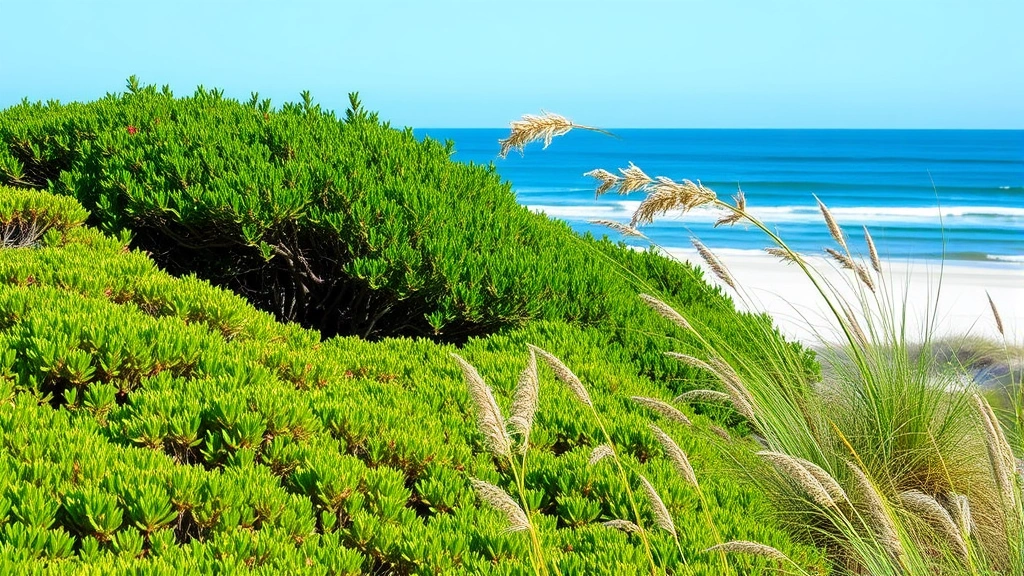
Garden City Beach Plants: Local Expert Advice for Coastal Gardening Success
Garden City Beach presents a unique gardening environment where salt spray, sandy soil, and maritime winds create both challenges and opportunities for plant enthusiasts. Whether you’re a seasoned gardener or just beginning your green journey with gardening tips for beginners, understanding which plants thrive in coastal conditions is essential for creating a vibrant landscape that withstands the harsh oceanside climate.
The Garden City Beach area, located along South Carolina’s Grand Strand, experiences salt-laden air, sandy substrate, and moderate to strong winds that can damage sensitive plants. However, this coastal ecosystem supports remarkable plant diversity when you select species adapted to maritime conditions. Local experts recommend focusing on salt-tolerant varieties that evolved to survive these exact environmental pressures, transforming your beachfront property into a lush, resilient garden.
This comprehensive guide draws on horticultural expertise specific to Garden City Beach conditions, offering practical solutions for creating stunning coastal landscapes. From ornamental grasses to flowering shrubs, we’ll explore the best plant selections and cultivation techniques that ensure your garden flourishes despite the challenging seaside environment.
Native Plants for Coastal Excellence
Native plants represent the gold standard for Garden City Beach gardening because they’ve adapted to local conditions over centuries. When you select native plants for your garden, you’re choosing species that naturally thrive in sandy soils, tolerate salt spray, and withstand coastal winds without requiring excessive intervention.
Yaupon Holly stands out as an exceptional native choice, producing small red berries and dense evergreen foliage that screens salt and wind effectively. This native shrub reaches 15-20 feet at maturity and requires minimal maintenance once established. Similarly, Saw Palmetto provides tropical character while handling salt and sandy conditions with remarkable resilience. Its fan-like fronds create visual interest while establishing deep root systems that stabilize sandy soil.
Coastal Plain Willow and Bald Cypress offer impressive height and form for larger properties. Bald Cypress particularly excels in areas with poor drainage, displaying brilliant copper-bronze fall color before dropping needles. These deciduous conifers create dramatic silhouettes while providing seasonal variation to coastal landscapes.
For groundcover applications, Trailing Lantana thrives in full sun with minimal water once established. This native spreader produces vibrant clusters of flowers attracting butterflies and hummingbirds throughout the growing season. Gulf Muhly, an ornamental grass native to coastal regions, creates ethereal pink flower plumes in fall while tolerating salt, drought, and poor soil conditions.
Herbaceous native plants like Black-eyed Susan, Coreopsis, and Blazing Star add color without requiring staking or excessive deadheading. These perennials establish deep root systems that access moisture below sandy surface layers, reducing irrigation needs significantly.
Salt-Tolerant Selections and Recommendations
Salt tolerance represents the defining characteristic for successful Garden City Beach gardening. Plants evolved in maritime environments develop specialized physiological adaptations that exclude salt from sensitive tissues, allowing them to thrive where sensitive species would perish within weeks.
Seaside Goldenrod demonstrates exceptional salt tolerance while providing late-season golden flowers when many gardens fade. This native groundcover spreads slowly, creating natural-looking drifts in full-sun locations. Salt Marsh Aster similarly shines in coastal conditions, displaying delicate purple flowers in autumn.
For vertical interest, Cabbage Palmetto creates dramatic architectural form while naturally resisting salt spray. This native palm reaches 40+ feet at maturity, providing canopy structure and tropical character. Southern Magnolia offers evergreen elegance with large fragrant flowers, though it requires afternoon shade protection in the hottest inland areas.
Wax Myrtle produces aromatic foliage, small purple berries, and tolerates salt, wind, and sandy soil with ease. This multi-stemmed shrub reaches 8-12 feet, providing screening and wildlife habitat simultaneously. Inkberry Holly offers refined appearance with small leaves and black berries, creating formal landscape effects while withstanding coastal conditions.
Flowering shrubs like Saltbush, Rosemary, and Beach Rose provide color while demonstrating remarkable salt tolerance. Beach Rose particularly excels in exposed locations, producing fragrant pink flowers and attractive red hips that persist through winter, providing wildlife food sources.
Ground-level selections including Seacoast Bluestem, Seaoats, and Dune Panicum naturally stabilize sandy soils while creating textural interest. These native grasses prevent erosion through extensive rhizomatous root systems while requiring minimal maintenance once established.
Soil Preparation and Amendment Strategies
Garden City Beach’s sandy soils present significant challenges for plant establishment because sand drains rapidly, providing minimal water and nutrient retention. Strategic soil amendment transforms this limitation into manageable growing conditions that support diverse plant communities.
Begin by incorporating 3-4 inches of compost into planting beds before installation. Well-aged compost improves water-holding capacity, introduces beneficial microorganisms, and supplies slow-release nutrients that sustain plant growth throughout seasons. This amendment layer creates a transition zone between native sand and the compost-enriched planting medium.
Apply 2-3 inches of mulch around established plants, maintaining 6-inch clearance from woody stems to prevent rot and pest issues. Mulch regulates soil temperature, suppresses weeds that compete for moisture, and gradually decomposes into organic matter that enriches sandy substrate. Replace mulch annually as it breaks down, maintaining consistent coverage.
For container gardening, use high-quality potting mix rather than garden soil, which compacts in containers and prevents drainage. Container gardening offers flexibility for growing tender plants or experimenting with specimens before committing to in-ground placement. Raised garden beds similarly provide improved growing conditions while creating defined landscape elements.
Incorporate slow-release fertilizers at planting time, reducing the need for frequent supplemental feeding. Native and salt-tolerant plants typically require less fertilizer than non-adapted species, as excessive nutrients can stimulate tender growth vulnerable to salt damage. A light spring feeding and potential mid-summer application suffices for most coastal plantings.
Test soil pH annually, as sandy soils often trend toward acidity. Most coastal plants prefer slightly acidic to neutral pH (6.0-7.0), though some native species tolerate wider ranges. Lime application raises pH gradually, while sulfur amendments lower pH when necessary. Work amendments into top 6-8 inches of soil for maximum effectiveness.
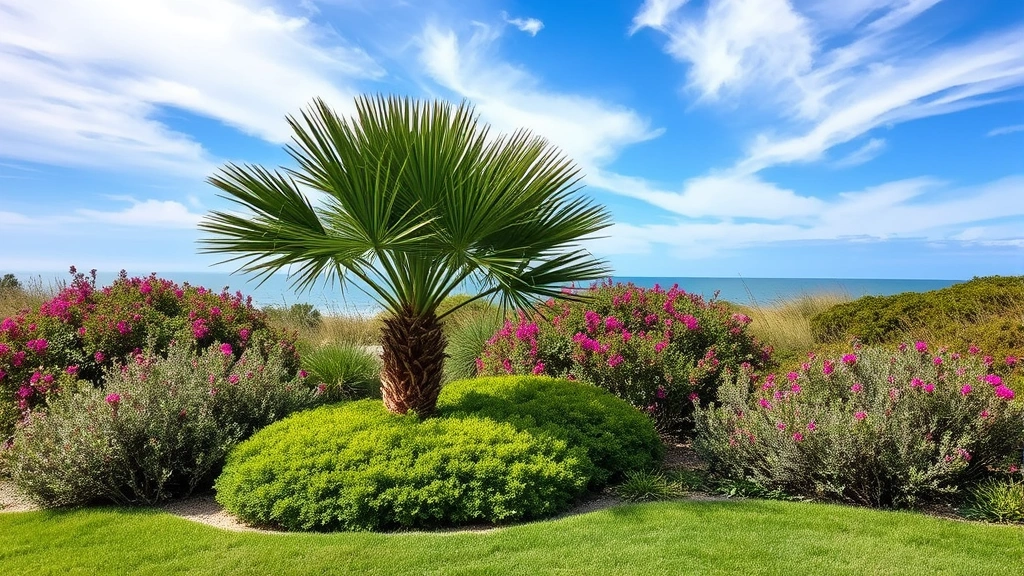
Creating Windbreaks and Protective Structures
Coastal winds represent the most significant environmental stress for Garden City Beach plants, desiccating foliage, breaking branches, and limiting growth potential. Strategic windbreak establishment creates protective microclimates that reduce wind speed and allow sensitive plants to establish successfully.
Plant windbreaks perpendicular to prevailing winds, typically from the northeast during spring and fall seasons. Native shrubs like Wax Myrtle, Yaupon Holly, and Groundsel Bush create effective barriers when planted in staggered rows rather than single lines. Staggered planting increases surface area for wind interception while creating visual interest through varied heights and forms.
Allow windbreaks 3-5 years for establishment before planting sensitive specimens downwind. Young trees and shrubs require protection during their critical establishment phase when root systems remain shallow and vulnerable. Once mature windbreaks develop, they reduce wind speeds by 50-75% at distances up to 10 times their mature height.
Consider structural windbreaks for immediate protection while living barriers establish. Shade cloth, lattice panels, or slatted fencing reduces wind velocity without creating complete blockage that causes turbulent eddies. Position structural elements on the windward side of plantings, removing them once living windbreaks mature.
Pruning techniques matter significantly in coastal locations. Maintain pyramidal forms that shed wind effectively rather than flat-topped profiles that catch lateral forces. Avoid creating dense canopies that resist wind; slightly open canopies allow air movement while reducing overall force impact.
For irrigation systems in windy locations, drip irrigation delivers water directly to root zones, preventing wind-driven evaporation from overhead sprinklers. Soaker hoses and in-ground drip systems reduce water waste while ensuring consistent moisture availability during establishment phases.
Seasonal Care and Maintenance Schedule
Successful Garden City Beach gardening requires seasonal adjustments that acknowledge the unique challenges each season presents. Winter brings occasional frost events and persistent salt spray, while summer heat and humidity create different pressures.
Spring (March-May) marks the primary planting season when soil temperatures warm and growth accelerates. Install new plants while natural rainfall remains abundant, reducing irrigation needs. Remove winter-damaged branches, prune dead wood, and apply slow-release fertilizer to encourage vigorous growth. Monitor for pest emergence, particularly spider mites and scale insects that thrive in coastal conditions.
Summer (June-August) demands consistent irrigation as sandy soils dry rapidly. Water deeply 2-3 times weekly depending on rainfall and temperature. Mulch heavily to moderate soil temperature and conserve moisture. Deadhead spent flowers on shrubs and perennials to encourage continued blooming. Monitor salt accumulation on foliage, rinsing plants with fresh water during extended dry periods when salt spray concentrates.
Fall (September-November) provides ideal conditions for planting as temperatures moderate and rainfall increases. Remove dead annuals, cut back perennials after frost, and divide established plants that have become crowded. Apply compost around plantings as mulch layer, feeding soil organisms that process organic matter into available nutrients. Plant spring-flowering bulbs in protected locations where winter wind exposure remains minimal.
Winter (December-February) requires protection for tender plants and young specimens. Apply anti-transpirant sprays to evergreens to reduce desiccation from winter wind and salt spray. Avoid fertilizing during dormancy, as new growth would be vulnerable to frost damage. Rake leaves from groundcover plantings where they accumulate, preventing rot and pest habitat development.
Pruning timing matters significantly in coastal gardens. Prune spring-flowering shrubs immediately after blooming, avoiding removal of next year’s flower buds. Summer-flowering plants tolerate late-winter or early-spring pruning. Remove dead, diseased, or crossing branches any season, improving plant health and form.
Coastal Landscaping Design Principles
Effective Garden City Beach landscaping incorporates design principles specific to coastal environments, creating visually appealing compositions while respecting environmental constraints. Layering plants by height, texture, and seasonal interest produces dynamic landscapes that evolve throughout the year.
Vertical Layering creates depth and visual complexity. Canopy trees like Bald Cypress and Cabbage Palmetto establish the highest layer, providing shade and screening. Understory shrubs like Yaupon Holly and Wax Myrtle occupy the middle layer, while groundcovers and herbaceous plants complete the lowest tier. This layered approach mimics natural forest structure while maximizing plant diversity in limited space.
Textural Contrast enhances visual interest without requiring high-maintenance flower beds. Combine fine-textured ornamental grasses with bold-leaved palms, feathery Asparagus Fern with architectural Agave. Contrasting forms and textures create dynamic compositions that remain visually engaging throughout seasons when flowers fade.
Color Harmony in coastal gardens emphasizes foliage color rather than relying solely on fleeting flowers. Incorporate variegated plants like Variegated Pittosporum or Golden Duranta to brighten shaded areas. Use warm-toned coppery foliage plants to complement cool-toned blue-gray selections, creating sophisticated color schemes.
Seasonal Interest ensures your garden provides visual appeal year-round. Select plants with multiple seasons of interest: spring flowers, summer fruit, fall color change, and winter structure. This approach reduces the need for seasonal plantings while creating gardens that evolve naturally through the calendar.
When beginning your vegetable gardening ventures, select protected locations with afternoon shade and windbreak protection. Raised beds filled with quality soil provide optimal conditions for food production in challenging coastal environments. Focus on salt-tolerant vegetables like leafy greens, brassicas, and root crops that tolerate coastal conditions better than sensitive crops.
Wildlife Integration creates ecological gardens that support butterflies, birds, and beneficial insects. Native plants naturally attract local wildlife, reducing pest pressures through biological control. Berry-producing shrubs, seed-bearing perennials, and flowering plants collectively support diverse fauna throughout the year.
FAQ
What are the most salt-tolerant plants for Garden City Beach?
Seaside Goldenrod, Wax Myrtle, Yaupon Holly, Cabbage Palmetto, and Beach Rose demonstrate exceptional salt tolerance. Native species generally outperform introduced plants because they’ve evolved specific adaptations for maritime environments. Seacoats and Dune Panicum provide excellent groundcover options in exposed locations.
How often should I water newly planted specimens in Garden City Beach?
Water newly installed plants 2-3 times weekly for the first 6-8 weeks, depending on rainfall and temperature. Sandy soils dry rapidly, requiring more frequent irrigation than clay-based soils. After establishment, most native and salt-tolerant plants require minimal supplemental watering except during extended drought periods.
Can I grow tender perennials in Garden City Beach gardens?
Tender perennials like Begonias, Impatiens, and Coleus require protected locations and winter protection. Plant them in containers, allowing easy relocation during cold snaps or in heavily mulched beds with afternoon shade. Consider them seasonal additions rather than permanent landscape components.
What’s the best time to plant in Garden City Beach?
Spring (March-May) and fall (September-November) offer ideal planting conditions with moderate temperatures and abundant rainfall. Avoid planting during summer heat or winter dormancy when plants experience stress from environmental extremes.
How do I reduce salt spray damage to coastal plants?
Establish windbreaks that reduce wind velocity and salt spray intensity. Rinse foliage with fresh water during extended dry periods to remove accumulated salt. Select naturally salt-tolerant species that possess physiological adaptations for maritime environments. Apply anti-transpirant sprays during winter to reduce desiccation.
Should I amend sandy soil before planting?
Yes, incorporating 3-4 inches of compost significantly improves sandy soil’s water-holding capacity and nutrient content. Apply 2-3 inches of mulch after planting to maintain moisture and moderate soil temperature. Annual mulch replenishment gradually enriches sandy substrate as organic matter decomposes.
Are native plants always better than introduced species?
For Garden City Beach conditions, native plants generally outperform introduced species because they’ve adapted to local environmental pressures. However, some non-native plants demonstrate excellent salt and wind tolerance. Prioritize native selections for foundation plantings while using non-native species strategically in protected locations.


