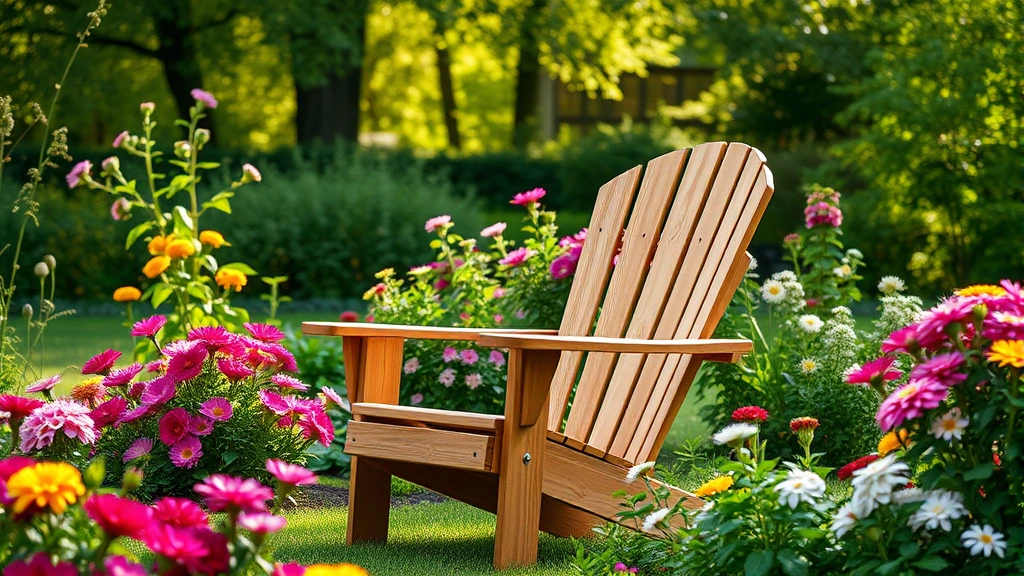
Top Garden Chairs and Recliners: Expert Reviews & Picks for Comfortable Outdoor Relaxation
After spending hours tending to your vegetable garden layout or maintaining your raised garden beds, you deserve a comfortable place to rest and enjoy the fruits of your labor. Garden chairs and recliners have evolved far beyond simple wooden benches—today’s outdoor seating combines ergonomic design, weather-resistant materials, and aesthetic appeal to create the perfect retreat in your backyard sanctuary.
Whether you’re a seasoned gardener looking to create a peaceful observation spot among your plants, or someone who simply wants to relax while admiring their landscape, selecting the right garden chair or recliner can significantly enhance your outdoor experience. The right seating doesn’t just provide comfort; it becomes a functional element of your garden design, complementing your garden arch trellis and other hardscape features while offering a dedicated space for meditation and enjoyment.
Understanding Garden Chair Materials and Durability
The foundation of any quality garden chair is its material composition. Modern outdoor furniture manufacturers have developed innovative solutions that withstand harsh weather conditions while maintaining their structural integrity and aesthetic appeal for years.
Teak Wood remains the gold standard for natural garden seating. This dense hardwood naturally resists rot, insects, and weathering due to its high oil content. Teak chairs develop a beautiful silvery patina over time, adding character to your garden space. While premium-priced, teak furniture typically lasts 15-20 years with minimal maintenance.
Aluminum and Steel Frames offer lightweight durability at moderate price points. Powder-coated aluminum resists rust and requires only occasional cleaning. Steel frames, though heavier, provide exceptional stability and can support larger users comfortably. Many manufacturers combine metal frames with cushioned seats for enhanced comfort.
Resin Wicker and Synthetic Materials have revolutionized garden furniture accessibility. These UV-resistant materials mimic natural wicker’s aesthetic while eliminating moisture absorption and rotting concerns. Resin wicker chairs are typically 40-60% lighter than wood alternatives, making them ideal for frequent repositioning around your garden.
Weather-Resistant Fabrics used in cushions and slings have advanced significantly. Solution-dyed acrylic fabrics resist fading and mildew, while specialized outdoor textiles shed water and dry quickly. When selecting cushioned chairs, verify that covers are removable and machine-washable for convenient maintenance.
Top Garden Chair Styles for Every Gardener
Different garden settings and personal preferences call for distinct chair styles. Understanding the characteristics of each type helps you make an informed decision aligned with your specific needs.
Adirondack Chairs represent classic American garden seating. Their wide armrests and reclined backrest provide excellent support for extended relaxation. These iconic chairs work beautifully in cottage gardens and traditional landscapes. While traditionally made from wood, modern versions utilize recycled plastic and composite materials that offer superior weather resistance.
Bistro Chairs suit contemporary and Mediterranean-style gardens. Their compact, stackable design makes them perfect for small spaces or frequent rearrangement. Bistro chairs pair excellently with small round tables, creating intimate conversation areas among your flowering borders and protected garden spaces.
Lounge Chairs offer extended leg support, making them ideal for afternoon reading sessions in your garden sanctuary. Modern lounge designs often feature adjustable backrests, allowing you to shift positions without relocating. Many gardeners position lounge chairs to face their prized plantings, creating the perfect vantage point for plant observation and pest monitoring.
Wingback and Outdoor Armchairs provide substantial comfort with side support. These stationary pieces work wonderfully as focal points in garden rooms or alongside garden structures. Their generous proportions make them particularly suitable for larger outdoor spaces or established gardens with mature plantings.
Rocking Chairs bring nostalgic charm while providing gentle motion that many find therapeutically relaxing. Modern outdoor rocking chairs combine traditional design with weather-resistant materials, eliminating the need for covered storage during off-seasons.
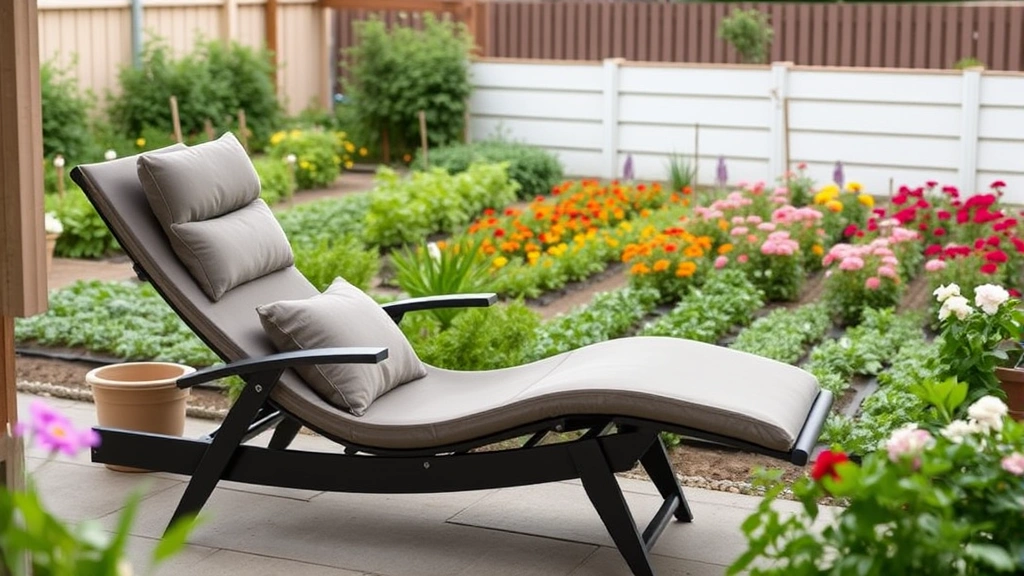
Best Reclining Options for Maximum Comfort
For gardeners seeking the ultimate relaxation experience, specialized reclining furniture offers adjustable support and ergonomic positioning that standard chairs cannot match.
Zero-Gravity Recliners have gained popularity in outdoor settings. These chairs distribute weight evenly across the entire body, reducing pressure points and promoting optimal spinal alignment. Zero-gravity recliners are particularly beneficial for gardeners with back issues or those recovering from physically demanding gardening sessions like using a garden hoe for extended periods.
Multi-Position Recliners feature adjustable backrests with locking mechanisms at various angles. This versatility allows you to customize your seating position throughout the day—upright for morning coffee, reclined for afternoon meditation, or semi-upright for reading. Premium models include footrests that extend and adjust independently.
Cushioned Reclining Loungers combine comfort with visual appeal. These pieces typically feature high-density foam cushions encased in outdoor-rated fabric. The generous cushioning transforms a simple recliner into a luxurious retreat, perfect for afternoon naps or evening relaxation after tending your garden.
Swivel Recliners add dynamic functionality to stationary designs. The 360-degree rotation allows you to adjust your view without leaving your seat—ideal for monitoring different garden areas or simply enjoying panoramic views of your landscape throughout the day.
When selecting reclining furniture, prioritize models with weather-resistant hardware and rust-proof frame construction. Verify that mechanical components operate smoothly and include protective covers or storage recommendations for extended off-season periods.
Maintenance and Care Tips
Proper maintenance extends your garden furniture’s lifespan and preserves its appearance and functionality. Seasonal care routines prevent deterioration and maintain structural integrity.
Spring Preparation begins your outdoor season. Clean all surfaces with mild soap and water, removing winter debris and accumulated dust. Inspect frame joints for looseness and tighten hardware as needed. For wooden chairs, consider applying appropriate sealers or oils to protect against UV damage and moisture penetration.
Summer Maintenance involves regular cleaning and cushion care. Wipe down frames weekly to prevent pollen and dust accumulation. Rotate cushions regularly to ensure even wear and fading. Position furniture in partially shaded areas when possible, protecting materials from intense UV exposure that causes color fading and material degradation.
Fall Preparation readies your furniture for winter storage. Thoroughly clean all surfaces and allow complete drying before storage. Remove and store cushions separately in climate-controlled spaces. For metal frames, apply protective coatings to prevent rust formation during dormant months.
Winter Storage protects investments during harsh weather. Store furniture in sheds, garages, or under protective covers designed for outdoor furniture. Elevate items off ground surfaces to prevent moisture accumulation. For pieces remaining outdoors, heavy-duty covers and regular inspections prevent weather damage.
Regular Inspection Routines catch problems early. Monthly checks of frame joints, hardware connections, and cushion conditions allow prompt repairs before minor issues become major problems. Address loose bolts, cracked wood, or fabric tears immediately to prevent further deterioration.

Budget-Friendly Recommendations
Quality garden seating doesn’t require premium pricing. Strategic shopping and material selection provide excellent comfort and durability at accessible price points.
Recycled Plastic Furniture offers exceptional value. Made from post-consumer recycled plastics, these pieces resist weather, insects, and rot while requiring minimal maintenance. Prices typically range from $100-300 per chair, making them ideal for budget-conscious gardeners. These chairs work perfectly alongside raised garden installations at big-box retailers.
Metal Frame Chairs with Basic Cushions provide comfortable seating at mid-range prices ($150-400). Aluminum frames with solution-dyed acrylic cushions offer durability and style without luxury pricing. These pieces suit various garden styles while accommodating different body types and preferences.
Seasonal Sales and Off-Season Shopping dramatically reduce costs. Purchasing garden furniture during late-summer clearance events or early fall sales yields 30-50% discounts. Off-season purchases require proper storage but provide substantial savings for patient shoppers.
DIY Restoration Projects breathe new life into vintage or second-hand furniture. Refinishing wooden chairs, repainting metal frames, or replacing cushions transforms dated pieces into garden-appropriate seating at fraction of replacement costs. Online tutorials and gardening communities provide guidance for various restoration techniques.
Multi-Functional Pieces maximize budget efficiency. Storage benches, ottomans with hidden compartments, and tables with integrated seating combine multiple functions in single pieces, reducing total furniture investment while maintaining comprehensive outdoor functionality.
Creating Your Ideal Garden Seating Area
Strategic placement and design integration transform individual chairs into cohesive outdoor living spaces that enhance your gardening experience.
Location Selection fundamentally impacts seating enjoyment. Position chairs to capture morning sunlight for energizing coffee sessions or afternoon shade for midday relaxation. Consider sight lines—ideal seating overlooks prized plantings, focal points like garden arch trellises, or water features. Avoid positions exposed to harsh afternoon sun or prevailing winds that compromise comfort.
Microclimate Optimization enhances usability throughout seasons. Position seating in protected areas shielded by hedges or structures from winter winds. During summer, utilize natural shade from mature trees or shade structures. Strategic placement extends comfortable usage into shoulder seasons when unprotected areas become unusable.
Aesthetic Integration ensures furniture complements rather than conflicts with garden design. Coordinate chair colors and styles with existing landscape elements. Formal gardens suit structured, refined seating, while cottage gardens accommodate more casual, eclectic pieces. Consider materials that echo other hardscape elements—matching stone, wood tones, or metal finishes creates visual cohesion.
Functional Groupings organize seating for different activities. Create intimate conversation areas with pairs of chairs flanking small tables. Establish meditation zones with single lounge chairs positioned for optimal plant viewing. Design reading nooks with sturdy chairs and side tables for beverages and books. Multiple distinct seating areas serve different moods and social configurations.
Seasonal Flexibility adapts spaces throughout the year. Mobile furniture allows repositioning to follow sun patterns or capture seasonal views. Summer arrangements might emphasize shade, while fall setups take advantage of lower-angle sunlight. This adaptability maintains engagement with your garden across all seasons.
Companion Elements enhance seating areas. Small side tables hold beverages and gardening supplies. Outdoor lighting extends usability into evening hours. Shade structures like pergolas or umbrellas provide weather protection. Planters positioned near seating create intimate botanical backdrops. These complementary elements transform simple chairs into complete outdoor rooms.
Consider how your seating choices support your overall gardening lifestyle. If you spend significant time caring for bonsai trees or tending detailed plantings, positioning a comfortable chair with excellent sightlines allows observation and contemplation. Quality garden seating becomes more than furniture—it’s an investment in your wellbeing and horticultural enjoyment.
FAQ
What’s the best material for garden chairs in humid climates?
Resin wicker, powder-coated aluminum, and recycled plastic excel in humid environments. These materials resist moisture absorption, mildew growth, and rust formation that plague traditional materials. Teak wood also performs well due to natural oil content, though it requires regular maintenance. Avoid untreated wood and iron frames that corrode quickly in high-humidity conditions. Apply protective covers during off-seasons to prevent moisture accumulation.
How do I prevent garden chair cushions from fading?
Position seating in partial shade rather than full sun exposure. Rotate cushions regularly to distribute fading evenly. Apply UV-protective sprays designed for outdoor fabrics annually. Store cushions indoors during winter months and extended periods of non-use. Choose solution-dyed acrylic fabrics specifically engineered to resist UV damage better than natural fibers. Remove cushions during severe weather events to prevent unnecessary exposure.
Can garden furniture remain outside year-round?
Quality furniture designed for outdoor use can remain outside year-round with proper protection. Apply heavy-duty furniture covers during winter months and harsh weather. Ensure adequate drainage around seating areas to prevent water accumulation. Inspect regularly for damage and address issues promptly. Furniture with superior material quality (teak, powder-coated aluminum, resin wicker) tolerates year-round exposure better than budget alternatives. Consider your climate—extreme temperature fluctuations and heavy precipitation warrant seasonal storage.
What weight capacity should I verify for garden chairs?
Standard garden chairs typically support 250-300 pounds. Premium models accommodate 400+ pounds. Verify manufacturer specifications before purchasing, particularly for heavier individuals or shared use situations. Overloading furniture beyond rated capacity compromises safety and accelerates structural deterioration. Recliners and loungers often have lower weight limits than standard chairs due to extended positioning stresses. Always prioritize safety by selecting appropriately-rated furniture for intended users.
How often should I clean outdoor garden furniture?
Light cleaning every 2-4 weeks maintains appearance and prevents debris accumulation. Wipe surfaces with damp cloths to remove dust and pollen. Deep cleaning twice yearly—spring and fall—removes stubborn stains and prepares furniture for seasonal transitions. Address spills immediately to prevent staining. Use mild soap solutions and soft brushes to avoid damaging finishes. Cushions require more frequent attention; wash covers monthly or as needed depending on usage patterns and environmental conditions.


