Best Garden Boots? Gardener’s Top Picks
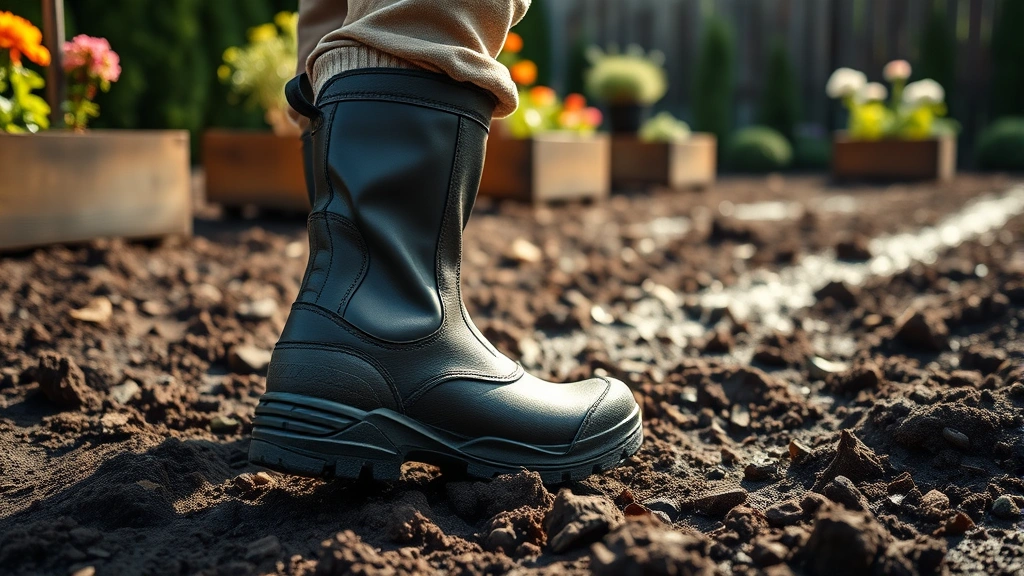
Choosing the right garden boots is one of the most underrated decisions a gardener can make. Whether you’re spending hours planting garden mums in spring, maintaining mint in pots, or working with wet soil after rainfall, proper footwear protects your feet from moisture, mud, thorns, and injury while keeping you comfortable throughout long gardening sessions.
The difference between casual sneakers and quality garden boots becomes immediately apparent when you’re kneeling in damp soil or walking across uneven terrain in your vegetable patch. Your feet are the foundation of gardening work, and investing in appropriate boots dramatically improves your experience and reduces fatigue, foot pain, and potential injuries. This comprehensive guide explores the best garden boots available, what features matter most, and how to select the perfect pair for your specific gardening needs.
Essential Features of Quality Garden Boots
The best garden boots share several critical characteristics that distinguish them from regular footwear. Ankle support is fundamental, as gardening involves uneven terrain, stepping on tools, and sudden movements that can strain ankles. A well-designed garden boot provides structured support without feeling restrictive, allowing you to navigate raised beds, rocky paths, and sloped landscapes confidently.
Sole construction directly impacts comfort and safety. Look for boots with deep treads that prevent slipping on wet surfaces—essential when working near rain garden plants or after watering. Oil-resistant, slip-resistant soles rated by ASTM standards offer genuine protection. The sole should be flexible enough for natural foot movement but firm enough to protect against sharp objects like thorns, rocks, and garden tool edges.
Breathability matters significantly for all-day comfort. While waterproofing keeps moisture out, your feet need ventilation to prevent sweat buildup and fungal issues. Many premium garden boots feature specialized fabrics or membrane technology that blocks water while allowing vapor to escape. This balance is particularly important during warm months when you’re working extended hours in the garden.
Weight and flexibility affect how long you can work without fatigue. Heavier boots strain your legs and feet over time, while overly rigid boots restrict natural movement. The best garden boots offer a middle ground—durable enough to protect but lightweight enough for comfort during 4-6 hour gardening sessions.
Calf height is another important consideration. Standard 8-10 inch heights work for most gardeners, but taller boots (12-14 inches) provide extra protection when working with thorny plants, tall grasses, or in areas with insects. Shorter ankle boots suit lighter gardening tasks and warmer climates.
Waterproof and Drainage Considerations
Waterproofing technology has evolved significantly, offering gardeners more options than ever. Rubber construction provides complete waterproofing and durability, making rubber boots ideal for wet conditions, water features, and heavy-duty work. Traditional rubber boots remain affordable and reliable, though they can feel hot in warm weather.
Waterproof membranes like Gore-Tex offer superior breathability compared to solid rubber while maintaining waterproof protection. These boots feel lighter and more flexible, making them excellent for temperate climates and gardeners who work year-round. Membrane technology costs more initially but provides better comfort for extended wear.
Hybrid boots combine rubber bottoms with breathable uppers, balancing protection with comfort. This design excels for gardeners who move between wet and dry areas frequently. When applying garden fertilizer or working with composted materials, hybrid boots prevent soil splashing while maintaining foot breathability.
Drainage features distinguish quality garden boots from standard waterproof footwear. Built-in drainage holes or perforations allow water to escape if boots fill during heavy work, preventing the uncomfortable sensation of sloshing water. Some premium models include drain plugs that open when needed and close during normal wear.
Insole construction affects water management significantly. Removable, quick-drying insoles allow air circulation and can be replaced if they absorb too much moisture. Cushioned insoles with antimicrobial treatments prevent odor and fungal growth in damp conditions—a real concern for dedicated gardeners working in humid environments.
Top Garden Boot Styles and Recommendations
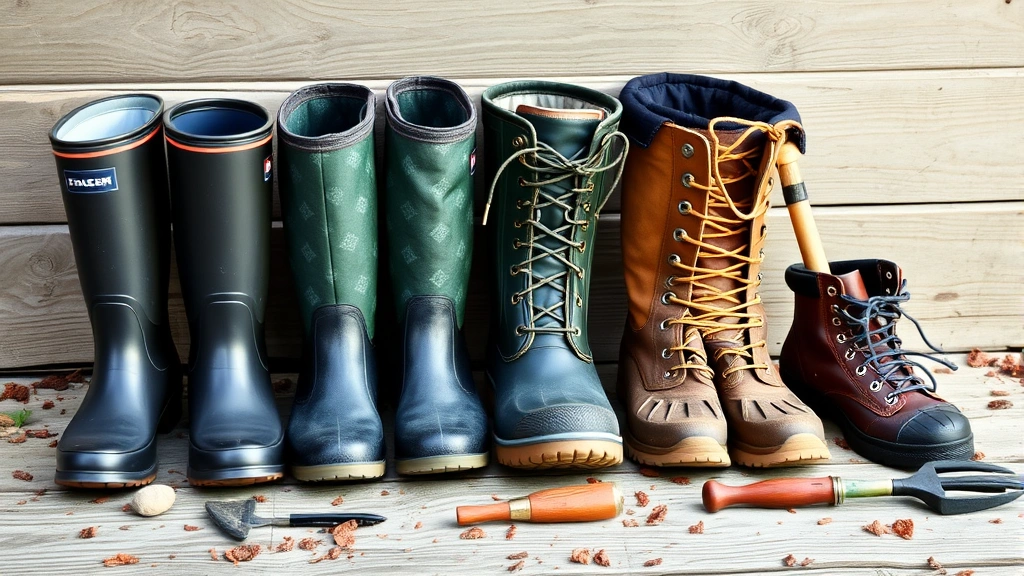
Wellington boots represent the classic garden boot choice, offering complete waterproofing and easy on-off convenience. Traditional pull-on Wellingtons work beautifully for quick gardening tasks, though they lack ankle support for uneven terrain. Modern Wellington designs incorporate cushioned insoles and reinforced heels, dramatically improving comfort for extended wear. Brands offering quality Wellingtons include options from $50-$150, with premium versions reaching $200+.
Lace-up work boots provide superior ankle support and adjustability compared to slip-ons. These boots allow customized fit, preventing heel slipping and blisters during long work sessions. Insulated work boots suit cold-climate gardeners, while uninsulated versions work year-round. Many gardeners prefer lace-up styles when working with elevated garden beds or navigating rough terrain.
Muck boots (like Muck Boot Company originals) combine waterproofing with exceptional comfort through neoprene linings and cushioned footbeds. These boots excel in muddy conditions and wet environments, featuring reinforced toe caps for protection. Muck boots range from $80-$180 and are particularly popular among serious gardeners and farmers.
Hiking-style garden boots offer trail-tested durability with gardening-specific features. These boots provide excellent ankle support, aggressive treads, and often include gaiters to keep debris out. They’re ideal for gardeners with properties featuring steep slopes, rocky ground, or extensive landscaping projects. Premium hiking-style boots cost $120-$250 but provide years of reliable service.
Clog-style boots suit gardeners preferring easy entry and exit, especially those working in contained areas or making frequent trips in and out of the garden. While less supportive than laced styles, modern clogs include cushioned footbeds and slip-resistant soles. These work well for raised bed gardening and container work.
Budget-conscious gardeners appreciate neoprene boots offering waterproofing at $40-$80 price points. While lacking some premium features, quality neoprene boots provide adequate protection for casual gardening, though they may not suit daily intensive use.
Seasonal Boot Selection Guide
Spring gardening demands boots handling variable moisture and warming temperatures. Breathable waterproof boots work ideally as snow melts and spring rains arrive. Lighter weights prevent overheating during longer daylight hours. Spring is perfect for testing boots before committing to full-season use.
Summer gardening requires maximum breathability with adequate water resistance for irrigation and rain. Many gardeners prefer lighter, shorter boots or even specialized gardening sandals for very warm climates. If you need full protection while relaxing on a garden bench during breaks, keep boots nearby but don’t force heavy footwear in excessive heat.
Fall gardening returns to moderate-weight waterproof boots as rainfall increases and temperatures drop. Insulated options become appealing, though most gardeners find lightweight insulation sufficient until late fall. Fall is ideal for deep cleaning and maintaining boots for winter storage.
Winter gardening demands insulated, heavily waterproof boots with aggressive treads for potential ice and snow. Insulation ratings of 200-400 grams suit most climates, while extreme cold regions may need 600+ gram insulation. Winter boots should feel slightly roomier to accommodate thick socks without restricting circulation.
Maintenance and Care Tips
Proper maintenance extends garden boot lifespan from 2-3 years to 5-7 years, making care worthwhile. Regular cleaning after each use prevents mud and soil from drying and damaging materials. Rinse boots with a hose and brush away stubborn soil with a soft brush—avoid pressure washers that damage seams and membranes.
Drying procedures significantly impact durability. Remove insoles and place boots upright in well-ventilated areas, never near direct heat sources. Stuff boots loosely with newspaper to absorb moisture and maintain shape. Replace newspaper every few hours during initial drying. Never use heat guns or place boots near radiators, as extreme heat damages materials and causes cracking.
Waterproofing maintenance keeps boots protective longer. Rubber boots benefit from occasional conditioning with specialty rubber treatments preventing cracking. Boots with waterproof membranes may need re-treatment annually using products designed for your specific material. Always follow manufacturer instructions for waterproofing products.
Odor prevention keeps boots fresh throughout seasons. Sprinkle baking soda inside boots overnight, or use commercial boot deodorizers. Antimicrobial insole treatments prevent fungal growth. Some gardeners freeze boots overnight to kill odor-causing bacteria, though this works best with synthetic materials.
Storage preparation before off-season protects boots during months of non-use. Clean thoroughly, dry completely, and treat with waterproofing products. Store in cool, dry locations away from direct sunlight that fades and degrades materials. Maintain boot shape using boot trees or newspaper stuffing.
Budget-Friendly Options
Quality garden boots don’t require premium price tags. Discount retailers like Costco, Walmart, and Target offer seasonal selections of reliable boots at 30-50% below specialty retailers. These boots may lack premium features but provide solid protection for casual gardeners.
Online marketplaces feature extensive selections at competitive prices, with customer reviews helping identify quality options. Shopping off-season (late summer for fall boots, early winter for spring boots) reveals significant discounts as retailers clear inventory.
Work boot specialists often discount previous season models when new styles arrive. These boots frequently exceed consumer expectations regarding durability and comfort, particularly for gardeners doing heavy landscaping or soil work.
Rental options suit gardeners facing occasional intensive projects. Equipment rental centers rent quality boots for $5-$15 daily, making sense for one-time landscaping projects before deciding on permanent purchase.
Second-hand boots purchased from thrift stores or online marketplaces offer exceptional value when sellers upgrade to new models. Inspect soles, seams, and waterproofing before purchasing, as these indicate remaining lifespan. Budget $20-$40 for quality used boots versus $100+ for new.
FAQ
What’s the difference between garden boots and rain boots?
Garden boots provide specialized features like reinforced toe caps, aggressive treads for uneven terrain, and enhanced ankle support. Rain boots prioritize waterproofing but lack these protective features and work-focused design elements. Garden boots suit extended outdoor work, while rain boots work for brief outdoor exposure.
How long do quality garden boots last?
Well-maintained garden boots typically last 3-5 years with moderate use or 2-3 years with intensive daily use. Durability depends on material quality, maintenance consistency, and storage practices. Premium boots with proper care can exceed 5-year lifespans.
Should garden boots fit tightly or loosely?
Garden boots should fit snugly without feeling restrictive. You should fit one finger between heel and boot back, with toes having slight wiggle room. Loose boots cause blisters and heel slipping, while tight boots restrict circulation and cause discomfort during extended wear. Always try boots with the socks you’ll wear gardening.
Are insulated garden boots necessary for mild climates?
Insulated boots aren’t necessary in mild climates where temperatures rarely drop below 40°F. Lightweight, non-insulated waterproof boots provide adequate protection and better breathability for year-round use in temperate regions.
Can I wear garden boots for other outdoor activities?
Many garden boots work excellently for hiking, farm work, and general outdoor activities. Conversely, hiking boots and work boots adapt well to gardening when they include waterproofing and appropriate tread patterns. Cross-purpose usage maximizes boot value.
What features matter most for wet climate gardening?
For wet climates, prioritize complete waterproofing, excellent drainage features, and breathable membranes preventing moisture buildup. Aggressive treads prevent slipping on wet surfaces, while antimicrobial treatments prevent fungal issues from constant moisture exposure.


