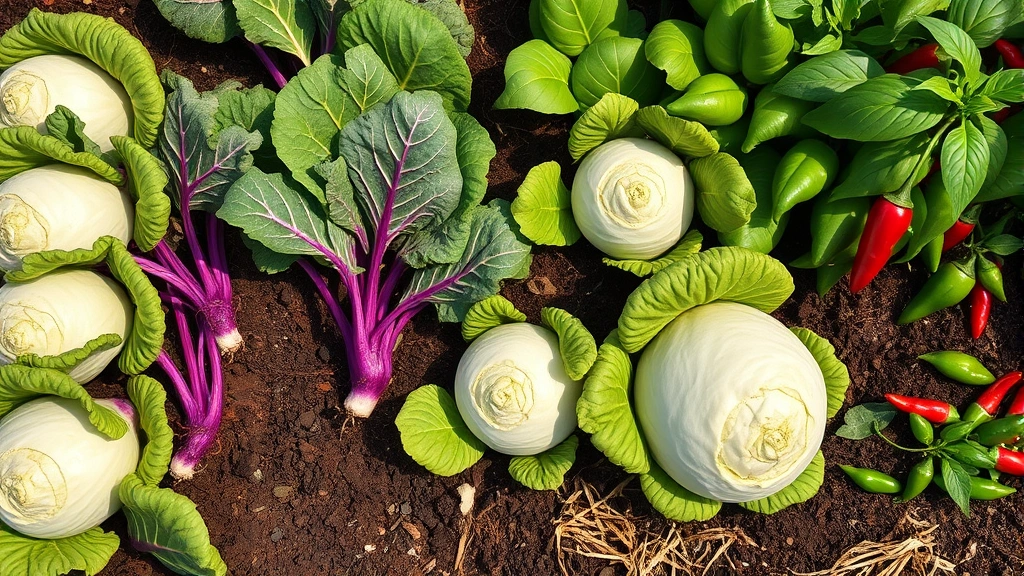
Creating a garden bistro transforms your outdoor space into an intimate dining destination where fresh herbs, vegetables, and edible flowers enhance every meal. This culinary garden concept merges the aesthetics of fine dining with the practicality of home gardening, allowing you to harvest ingredients minutes before cooking. Whether you have a sprawling backyard or a compact patio, a garden bistro elevates your entertaining experience while providing access to the freshest produce imaginable.
A true garden bistro combines strategic plant placement, thoughtful design elements, and careful selection of culinary herbs and vegetables. The magic happens when diners can pluck basil from a nearby pot, snip chives for garnish, or admire heirloom tomatoes ripening on the vine while enjoying their meal. This guide explores professional chef techniques for establishing your own culinary garden space, complete with practical tips for year-round harvesting and seasonal considerations.
Essential Herbs for Your Culinary Garden
Professional chefs prioritize fresh herbs as the cornerstone of any garden bistro. Basil reigns supreme, offering multiple varieties from sweet Italian to Thai and lemon basil, each bringing distinct flavor profiles to different cuisines. Rosemary provides woody, aromatic notes perfect for roasted vegetables and proteins, while thyme offers delicate herbal complexity. Oregano and marjoram deliver Mediterranean authenticity, and parsley serves as both garnish and flavor component.
Mint deserves special consideration in your bistro garden. Its vigorous growth requires containment—learn how to grow mint in pots to prevent it from overwhelming neighboring plants. Chives provide onion-forward notes and attractive purple flowers, while cilantro appeals to those favoring Asian and Latin cuisines. Dill brings feathery texture and distinctive taste, particularly valuable for seafood preparations. Sage offers earthy depth, and tarragon delivers subtle anise notes prized in French cooking.
Consider your climate zone when selecting herbs. Tender annuals like basil and cilantro require replanting each season, while perennial herbs like rosemary, thyme, and oregano establish themselves for years. In colder regions, grow tender herbs in containers that can be moved indoors during winter months. A professional chef’s tip: plant herbs in succession every two weeks to ensure continuous harvests throughout the growing season, preventing gaps in availability.
Vegetable Selection and Placement
Successful garden bistros feature vegetables that offer both culinary excellence and visual appeal. Cherry and heirloom tomatoes command prime real estate, providing multiple harvests and stunning presentation. These beauties deserve prominent placement where diners can admire their ripening progression. Specialty lettuce varieties create dramatic focal points—try burgundy, oak leaf, and buttercrunch varieties for color contrast and textural interest.
Peppers in various colors—red, yellow, orange, and purple—add vibrancy while offering distinct flavor profiles. Hot peppers bring heat and complexity, while sweet varieties suit raw applications and cooking. Eggplant provides dramatic purple tones, particularly in ornamental varieties that perform double duty as edible and decorative elements. Zucchini and summer squash produce prolifically, though they require ample space; reserve them for larger garden bistro installations.
Microgreens and specialty salad greens deserve consideration for their concentrated flavors and rapid growth cycles. Arugula, mustard greens, and Asian varieties mature in three to four weeks, perfect for frequent harvesting. Edible flowers—nasturtiums, calendula, violas, and borage—transform plates into works of art while contributing peppery, citrus, and floral notes. These dual-purpose plants satisfy both aesthetic and culinary requirements that define sophisticated garden bistros.
Placement strategy matters tremendously. Position tall plants like tomatoes and peppers where they won’t shade shorter herbs and greens. Create visual rhythm by alternating heights and colors, mimicking professional garden design principles. Consider sight lines from your dining area, ensuring the most attractive plants remain visible throughout your meal.
Creating the Bistro Atmosphere
Ambiance transforms a vegetable garden into a true bistro experience. Soft lighting—string lights, lanterns, or solar-powered fixtures—extends dining into evening hours while highlighting foliage and flowers. Incorporate seating that faces your garden, creating an intimate connection between diners and their food source. Small bistro tables, comfortable chairs, and thoughtful spacing encourage lingering conversation.
Water features add sensory richness; even a small fountain or birdbath contributes peaceful background ambiance. Fragrant plants positioned near seating areas enhance the experience—jasmine, gardenias, and scented geraniums appeal to olfactory senses alongside visual and gustatory pleasures. Pathways through your garden bistro invite exploration, allowing guests to wander and appreciate the growing environment.
Incorporate hardscape elements that complement plantings. Stone pavers, gravel paths, and raised beds define spaces while adding textural contrast. Pergolas or arbors provide shade and structure, perfect for training vining plants like pole beans and cucumbers. These architectural elements transform functional growing spaces into intentional design statements worthy of fine dining establishments.
Consider incorporating native plants into your bistro design. Gardening with native plants supports local ecosystems while providing habitat for pollinators and beneficial insects essential for vegetable production. Native flowering plants add beauty while requiring minimal maintenance compared to exotic ornamentals.
Soil Preparation and Container Gardening
Superior ingredients begin with superior soil. Prepare garden soil for a thriving garden by incorporating three to four inches of compost, aged manure, or organic matter into existing beds. This amendment improves drainage, increases nutrient availability, and enhances microbial activity crucial for plant health. Test your soil pH and nutrient levels through your local extension service, adjusting as needed for your specific crops.
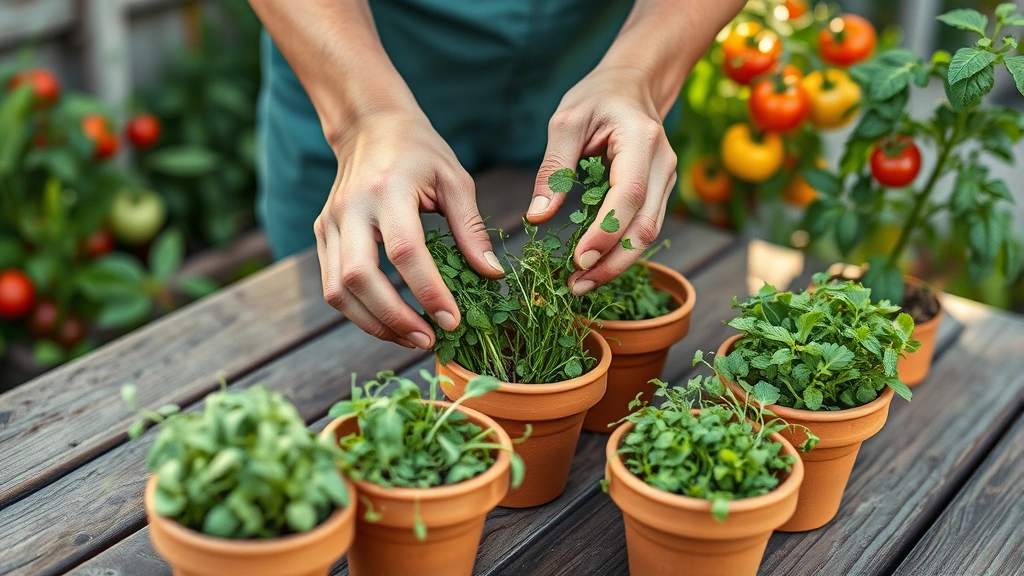
Container gardening offers flexibility essential for bistro gardens, particularly in urban or space-limited settings. Quality potting soil—not garden soil—ensures proper drainage and prevents compaction. Select containers with drainage holes, sizing them appropriately for mature plant dimensions. Herbs typically thrive in containers twelve to eighteen inches deep, while vegetables like tomatoes and peppers require eighteen to twenty-four inches minimum.
Build raised garden beds for permanent installations, elevating growing areas for easier access and improved drainage. Raised beds allow you to control soil composition entirely, crucial for achieving the rich, nutrient-dense growing medium that produces exceptional vegetables and herbs. Four-foot by eight-foot dimensions provide optimal working space while maintaining accessibility from all sides.
Implement drip irrigation systems for consistent moisture delivery, particularly in container gardens where daily watering becomes necessary during warm months. Soaker hoses and drip emitters deliver water directly to root zones, minimizing evaporation and reducing fungal diseases. Mulching around plants conserves moisture and moderates soil temperature fluctuations.
Seasonal Planting Schedule
Successful garden bistros operate year-round through strategic seasonal planning. Spring brings opportunities for cool-season crops: lettuce, spinach, peas, and brassicas thrive in moderate temperatures. Direct seed or transplant these crops two to three weeks before your last spring frost. Simultaneously, start warm-season seedlings indoors—tomatoes, peppers, and basil require six to eight weeks of growth before transplanting after frost danger passes.
Summer represents peak production season. Transplant warm-season crops once soil temperatures exceed fifty-five degrees Fahrenheit consistently. Basil, tomatoes, peppers, eggplant, and squash produce abundantly, providing daily harvests for your bistro kitchen. Implement succession planting of beans, cucumbers, and summer squash every two weeks to ensure continuous production rather than overwhelming gluts followed by gaps.
Fall gardening extends your season significantly. Plant cool-season crops in late summer for fall harvest, including lettuce, kale, carrots, and root vegetables. These crops often taste sweeter after light frosts, which convert starches to sugars. Extend seasons further with row covers or cold frames, protecting tender plants from early freezes.
Winter gardening varies by region. In mild climates, cool-season crops continue producing. In cold regions, focus on small evergreen garden plants that provide structure and visual interest, while preserving herbs indoors or in protected locations. Plan your spring garden during winter months, ordering seeds and preparing beds.
Harvesting and Preservation Techniques
Professional chefs understand that harvest timing dramatically impacts flavor and quality. Harvest herbs in morning hours after dew dries but before afternoon heat intensifies; this timing preserves essential oils responsible for distinctive flavors. Pinch herbs frequently from branch tips, encouraging bushier growth and continued production. Never remove more than one-third of any plant at single harvesting to maintain vigor.
Vegetables reach peak quality at specific maturity stages. Cherry tomatoes develop full sweetness when deeply colored but still firm; harvest slightly under-ripe for storage and ripening indoors if necessary. Peppers can be harvested green or allowed to mature to red, yellow, or orange for increased sweetness and vitamin content. Eggplants should be harvested when glossy and firm, before skin develops dull appearance indicating overmaturity.
Leafy greens taste best when harvested young and tender. Pinch outer leaves from lettuces and other greens, allowing central growing points to continue production. This technique provides continuous harvests over weeks rather than single bulk harvests. Harvest greens in early morning when crisp and hydrated for optimal texture and flavor.
Preserve excess harvests through multiple techniques. Freeze basil in oil-filled ice cube trays for winter cooking. Dry herbs by hanging bundles in warm, dark locations with good air circulation. Make herb butters by blending fresh herbs with softened butter, freezing in portions. Preserve vegetables through pickling, canning, or fermenting—techniques that extend seasonal abundance throughout the year.
Maximizing Space with Vertical Solutions
Urban and compact garden bistros thrive through vertical growing strategies. Vertical gardens utilize wall space, trellises, and tiered planters to multiply productive areas without expanding footprints. Train tomatoes, cucumbers, beans, and peas vertically using sturdy supports, improving air circulation while concentrating production in smaller spaces.
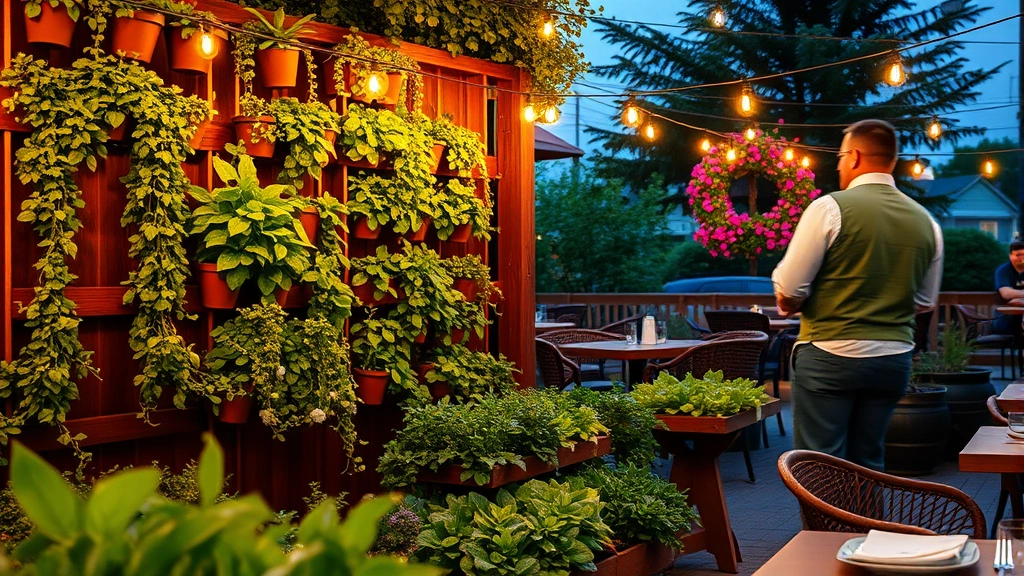
Wall-mounted planters and pocket systems create living walls of herbs and greens, transforming blank surfaces into productive growing zones. Hanging baskets showcase trailing herbs like oregano and thyme while freeing ground-level space for larger vegetables. Tiered plant stands stack containers vertically, creating dramatic focal points while accommodating numerous plants.
Espalier techniques train fruit and vegetable plants into decorative two-dimensional forms against walls or fences. While requiring patience and training, espalier creates stunning visual elements that define sophisticated garden bistros. Dwarf and determinate vegetable varieties suit espalier training particularly well.
Interplanting taller and shorter crops maximizes space efficiency. Position tall tomatoes and peppers on northern edges where they provide afternoon shade for heat-sensitive lettuce and greens. Tuck herbs among vegetables, utilizing every square inch productively. Succession planting—replacing spent cool-season crops with warm-season varieties—ensures continuous productivity throughout growing seasons.
FAQ
What’s the minimum space required for a garden bistro?
Even balconies and patios accommodate garden bistros through container gardening. A four-by-eight-foot raised bed or twelve to fifteen large containers provide sufficient space for diverse herbs and vegetables supporting regular harvests. Vertical growing techniques further maximize limited spaces.
How often should I harvest herbs to maintain plant health?
Regular harvesting encourages bushier growth and extended productivity. Pinch herbs several times weekly, removing no more than one-third of foliage at any single harvest. This frequent harvesting prevents flowering and senescence, keeping plants productive for months.
Can I grow a garden bistro in containers year-round?
Yes, with seasonal adjustments. Use containers with adequate drainage and quality potting soil. Move tender perennials indoors during winter in cold climates, or replace them with cold-hardy herbs. Implement drip irrigation for consistent moisture in container gardens.
Which herbs are easiest for beginners?
Rosemary, thyme, oregano, and sage are remarkably forgiving perennial herbs requiring minimal care. Basil and parsley grow quickly from seed, providing rapid gratification. These hardy herbs tolerate imperfect conditions while producing abundantly.
How do I prevent pests in my culinary garden?
Encourage beneficial insects through native plant diversity and flowering plants. Remove damaged leaves promptly, improving air circulation to prevent fungal issues. Use organic pest management techniques—neem oil, insecticidal soaps, and hand-picking—avoiding synthetic pesticides on edible plants.
What’s the best time to plant my garden bistro?
Spring and fall offer ideal planting windows in most climates. Spring plantings establish cool-season crops before warm weather, followed by warm-season crops after frost danger passes. Fall plantings provide cool-season crops for autumn and early winter harvests.