
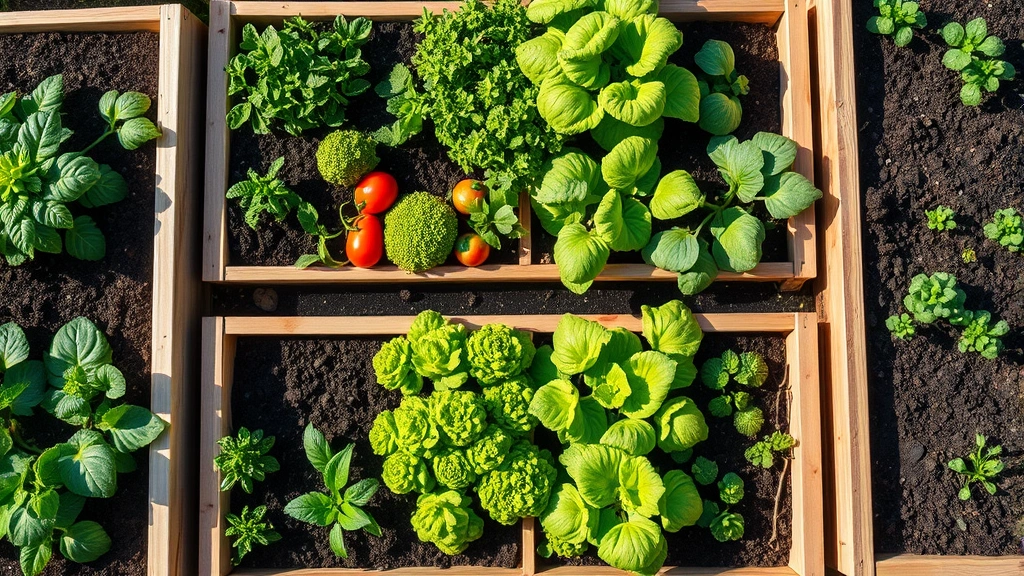
Raised garden beds represent one of the most transformative investments a gardener can make, offering superior soil control, improved drainage, and easier access for planting and maintenance. Whether you’re a beginner establishing your first vegetable garden or an experienced grower looking to expand your growing space, understanding how to properly set up and maintain raised beds is essential for long-term success. This comprehensive guide walks you through every step of creating thriving raised garden beds that will produce abundantly for years to come.
The beauty of raised beds lies in their versatility and accessibility. Unlike traditional in-ground gardens that require extensive soil preparation and present challenges for those with mobility limitations, raised beds can be customized to your specific needs, filled with premium soil mixtures, and positioned exactly where you want them. From small urban balconies to sprawling suburban yards, raised beds adapt to any space and climate.
Choosing the Right Location for Your Raised Beds
Location is perhaps the most critical decision you’ll make when establishing raised garden beds. Most vegetables and ornamental plants require a minimum of six to eight hours of direct sunlight daily, though some shade-tolerant varieties like lettuce and spinach can thrive with four to six hours. Begin by observing your yard throughout the day, noting which areas receive consistent sunlight and which fall into shadow during peak growing hours.
Beyond sunlight, consider proximity to water sources. Your raised beds should be positioned near a convenient water supply, whether that’s an outdoor faucet or a location where you can easily maneuver a retractable garden hose. Avoid placing beds directly under large trees, as they compete for water and nutrients while dropping leaves and debris into your growing space. Additionally, ensure adequate air circulation to prevent fungal diseases and pest infestations.
Think about your workflow and comfort. Position beds where you’ll naturally pass by regularly, making it easier to monitor plant health and perform quick maintenance tasks. If you’re growing culinary herbs, placing a bed near your kitchen door encourages frequent harvesting. For aesthetic considerations, raised beds can serve as functional garden decorations that enhance your landscape design while providing practical growing space.
Materials and Construction Essentials
Selecting appropriate materials for your raised bed frame is crucial for longevity and plant safety. Cedar and redwood are premium choices because they naturally resist rot and decay, lasting ten to fifteen years or more without chemical treatment. These softwoods also look attractive and complement various garden styles, from contemporary to rustic designs.
Untreated pine offers a budget-friendly alternative, though it typically lasts five to seven years before degradation occurs. Avoid treated lumber, especially older pressure-treated wood containing arsenic, which can leach into your soil and contaminate vegetables. Composite materials made from recycled plastic and wood offer durability and low maintenance, though they’re more expensive than traditional wood options.
For frame construction, use boards at least two inches thick to ensure structural integrity. Standard raised beds measure four feet by eight feet by twelve inches high, though you can customize dimensions based on your space and physical capabilities. Deeper beds (eighteen to twenty-four inches) accommodate root vegetables and perennial plantings better than shallow alternatives.
Assembly is straightforward with basic tools. Drill pilot holes before driving galvanized screws to prevent wood splitting, using 3-inch exterior-grade screws at corner joints. Avoid nails, which loosen over time as the wood settles. If you’re building multiple beds, consider installing them in a grid pattern with pathways between them, allowing comfortable access from all sides.
For those preferring minimal construction, composite raised bed kits provide pre-cut components that assemble in minutes. These options sacrifice some customization but eliminate the need for carpentry skills or specialized tools.

Soil Composition and Filling Your Beds
The soil you place in your raised beds directly determines plant health and productivity. Rather than using native soil, create a custom blend that provides excellent drainage, nutrient retention, and biological activity. The ideal mixture combines three equal parts: high-quality topsoil, compost or aged manure, and coarse perlite or coconut coir.
Topsoil forms the foundation, providing mineral content and microbial life. Purchase from reputable suppliers who can guarantee it’s free from weed seeds and contaminants. Compost adds organic matter that improves water retention and provides slow-release nutrients. Aged manure from herbivorous animals (avoid fresh manure, which burns plants) enriches soil with nitrogen and beneficial microorganisms.
Perlite improves drainage in heavy soils, preventing waterlogging that causes root rot. Coconut coir serves as a sustainable alternative, offering similar benefits while improving moisture retention in sandy soils. Some gardeners add peat moss, though sustainable alternatives like coconut coir are increasingly preferred.
Calculate volume requirements before purchasing materials. A four-by-eight-by-twelve-inch bed requires approximately thirty-two cubic feet of soil. Most suppliers sell by the cubic yard (twenty-seven cubic feet), so you’d need about 1.2 cubic yards. Ordering slightly extra accounts for settling that occurs within the first few weeks.
Fill your beds completely, then water thoroughly to settle the soil. You’ll notice significant settling over the first month as organic matter decomposes and soil particles compact. Top off with additional compost to maintain depth. This settling is normal and indicates beneficial microbial activity occurring within your growing medium.
Drainage and Water Management
Proper drainage prevents waterlogging while maintaining adequate moisture for plant growth. Raised beds naturally drain better than in-ground gardens because water moves downward through the soil column more efficiently. However, the base materials significantly impact drainage performance.
Some gardeners line the bottom of beds with landscape fabric to prevent weed intrusion from below. Use a permeable fabric that allows water drainage while blocking weed seeds. Avoid solid plastic sheeting, which traps water and creates anaerobic conditions harmful to plant roots. If you’re concerned about burrowing pests like voles or gophers, hardware cloth provides a physical barrier while maintaining drainage.
For beds positioned on hard surfaces like patios or decks, ensure drainage holes are adequate. A solid base impedes water movement, potentially creating soggy conditions. Elevate beds slightly on spacers or posts to allow water to drain freely beneath.
Watering frequency depends on your climate, season, and plant types. Raised beds typically dry faster than in-ground gardens because they’re exposed on all sides to air and sun. During peak summer, daily watering may be necessary, while spring and fall require less frequent irrigation. Check soil moisture two inches deep before watering; if it feels moist, wait another day.
Installing drip irrigation systems saves time and water while delivering moisture directly to plant roots. Soaker hoses or drip lines connected to timers ensure consistent watering even during busy periods. This approach reduces disease pressure by keeping foliage dry, where fungal spores thrive.
Selecting Plants for Raised Gardens
Raised beds accommodate virtually any plant, though certain varieties thrive particularly well in this growing environment. Vegetables with shallow root systems like lettuce, spinach, and radishes flourish in twelve-inch-deep beds. Root vegetables including carrots, beets, and parsnips prefer deeper beds (eighteen to twenty-four inches) to develop properly.
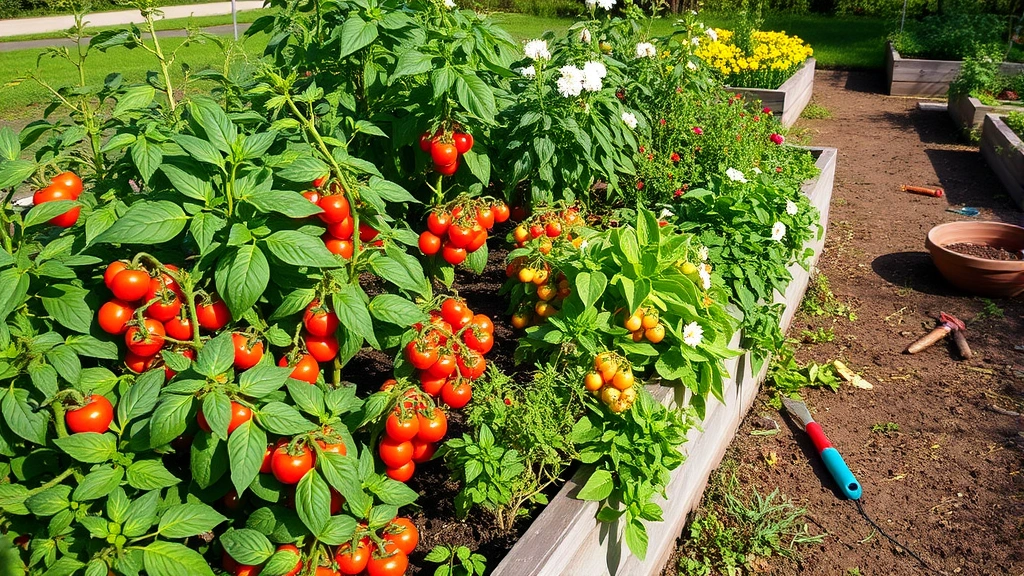
Tomatoes, peppers, and eggplants excel in raised beds because the improved drainage and warmer soil promote vigorous growth and higher yields. Herbs, especially culinary varieties, thrive in raised beds where you can maintain ideal soil conditions. Consider growing an indoor herb garden in conjunction with outdoor raised beds to ensure year-round herb availability.
Perennial vegetables and fruits like asparagus, rhubarb, and strawberries establish excellent root systems in raised beds. Ornamental plants, flowering perennials, and shrubs also benefit from the improved soil environment. Raised beds provide the perfect opportunity to create specialized growing zones—a vegetable bed, a pollinator-friendly flower bed, and an edible landscape all functioning together.
Succession planting maximizes productivity. Rather than planting all lettuce seeds simultaneously, sow small quantities every two weeks for continuous harvests. Remove spring crops like peas and replace them with heat-loving summer vegetables like beans and cucumbers. This rotation maintains soil fertility while extending your harvest season from spring through fall.
Seasonal Maintenance and Care
Raised beds require consistent seasonal maintenance to remain productive and healthy. In spring, refresh the top four to six inches of soil with fresh compost before planting, replenishing nutrients depleted by the previous season’s crops. This amendment maintains soil structure and fertility without requiring complete bed refilling annually.
Summer maintenance focuses on pest management, disease prevention, and consistent watering. Monitor plants regularly for signs of insect damage or fungal infections, addressing problems early before they spread. Mulching with two to three inches of organic material conserves moisture, moderates soil temperature, and suppresses weeds.
Fall is ideal for planting cover crops like clover or winter rye, which improve soil health while preventing erosion and weed growth during dormant months. If you prefer not to plant cover crops, add a thick layer of compost or aged manure in autumn, allowing decomposition over winter to enrich spring soil. This practice eliminates the need for extensive spring soil amendments.
Winter care depends on your climate. In mild regions, cool-season crops like kale, broccoli, and root vegetables continue producing. In harsh climates, cover beds with mulch or row covers to protect soil from erosion and temperature fluctuations. Remove debris and fallen leaves to prevent pest overwintering.
Annual soil testing reveals nutrient levels and pH balance, guiding fertilization decisions. Most extension services offer affordable soil testing that provides specific recommendations for your growing region and crop types. This scientific approach prevents over-fertilization while ensuring adequate nutrient availability.
Common Challenges and Solutions
Despite their advantages, raised beds present occasional challenges requiring practical solutions. Pest pressure sometimes increases in raised beds because concentrated plants attract insects and their predators. Implement integrated pest management strategies including row covers for young plants, insecticidal soap for soft-bodied insects, and encouraging beneficial insects through diverse plantings.
Weed pressure, while reduced compared to in-ground gardens, still occurs. Remove weeds promptly before they establish extensive root systems and set seeds. Mulching significantly reduces weed germination by blocking light from reaching dormant seeds. Hand-pulling remains the most effective control method in small beds.
Nutrient depletion occurs faster in raised beds than in-ground gardens because plants concentrate in a defined volume of soil. Annual compost amendments and periodic fertilization maintain productivity. Organic options like fish emulsion, seaweed extracts, and balanced organic fertilizers provide nutrients without chemical buildup.
Animal damage from rabbits, deer, and other wildlife requires preventive measures. Tall fencing or netting protects beds from deer browsing, while hardware cloth barriers prevent burrowing animals from accessing roots. Raised beds positioned near seating areas benefit from proximity to human activity, which naturally discourages wildlife.
Pathways between beds require attention to prevent mud and weed proliferation. Landscape fabric topped with mulch, wood chips, or gravel creates functional, attractive pathways. For high-traffic areas, consider installing garden benches or garden chairs and recliners where you can rest while enjoying your garden space and monitoring plant development.
Incorporating raised beds into broader landscape designs creates cohesive outdoor spaces. An oriental garden aesthetic pairs beautifully with rectangular raised beds arranged in geometric patterns, while cottage garden styles embrace informal bed arrangements with diverse plantings.
FAQ
How long do raised garden beds last?
Lifespan depends on materials used. Cedar and redwood beds last ten to fifteen years or longer without treatment. Untreated pine typically lasts five to seven years. Composite materials last twenty years or more. Proper maintenance, including occasional sealing or staining, extends longevity significantly.
Can I use reclaimed wood for raised beds?
Reclaimed wood can work if it hasn’t been treated with chemicals or exposed to contamination. Avoid railroad ties, utility poles, and wood from industrial sites. Old barn wood and untreated lumber are excellent sustainable choices that add character while reducing waste.
What’s the ideal bed depth for vegetables?
Twelve inches accommodates lettuce, spinach, and herbs. Eighteen inches suits most vegetables including tomatoes and peppers. Twenty-four inches or deeper is necessary for root vegetables like carrots and parsnips, and provides better insulation for perennial crops.
How often should I water raised beds?
Frequency varies seasonally and climatically. Check soil moisture two inches deep; water when it feels dry. Most beds require daily watering during hot summers, while spring and fall need less frequent irrigation. Drip irrigation systems provide consistent moisture with minimal effort.
Can I grow perennials in raised beds?
Absolutely. Perennial vegetables, fruits, and ornamental plants thrive in raised beds. Asparagus, rhubarb, strawberries, and fruit bushes establish excellent root systems. Perennial flowers and shrubs benefit from improved drainage and soil quality raised beds provide.
Do I need to replace soil annually?
Complete soil replacement isn’t necessary. Refreshing the top four to six inches with compost annually maintains fertility and structure. Full replacement becomes necessary only after ten to fifteen years if soil quality significantly declines.
What’s the best orientation for raised beds?
Position beds running north-south to ensure even sunlight distribution throughout the day. This orientation prevents tall plants from shading shorter varieties. In very hot climates, slight east-west orientation provides afternoon shade relief for heat-sensitive crops.