
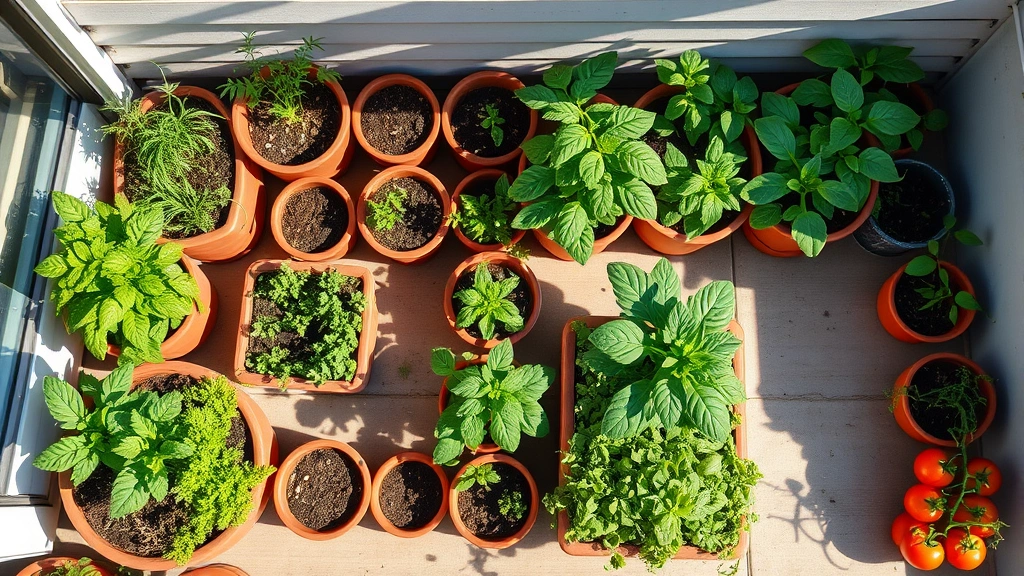
Garden Apartments: Essential Design Tips for Growing Food in Small Spaces
Garden apartments present a unique opportunity for urban dwellers and renters to cultivate fresh produce, herbs, and ornamental plants despite limited outdoor space. Whether you have a compact balcony, a small patio, or a modest courtyard, strategic design principles can transform these areas into productive growing zones. The key to success lies in understanding vertical gardening techniques, container selection, and spatial optimization that maximizes your available square footage while maintaining aesthetic appeal.
Creating a thriving garden apartment requires thoughtful planning before you plant a single seed. From assessing sunlight patterns to choosing the right containers and selecting appropriate plant varieties, every decision impacts your gardening success. This comprehensive guide walks you through essential design considerations that help you establish a functional, beautiful garden space that complements your apartment living while providing fresh ingredients and natural beauty year-round.
Assessing Your Space and Sunlight
Before purchasing plants or containers, spend several days observing your garden apartment space. Track how sunlight moves across your balcony, patio, or courtyard throughout the day, noting which areas receive full sun (6+ hours), partial sun (3-6 hours), or shade (less than 3 hours). This assessment fundamentally determines which plants will thrive in your specific microclimate. Many apartment gardeners underestimate how buildings and neighboring structures create shade patterns that shift seasonally.
Document the direction your space faces—north, south, east, or west—as this influences temperature fluctuations and light intensity. South-facing areas typically offer the most consistent sunlight, ideal for heat-loving plants like tomatoes and peppers. East-facing spaces provide gentle morning light, perfect for herbs and leafy greens. West-facing areas can become intensely hot in summer, requiring heat-tolerant species. North-facing apartments present challenges but aren’t impossible; shade-tolerant plants like lettuce, spinach, and mint still flourish with proper care.
Consider structural elements that affect your growing environment. Reflective surfaces like light-colored walls or water features bounce light onto plants, extending growing potential. Conversely, dark walls absorb heat and light, creating cooler microclimates. Wind exposure matters significantly for container gardens—exposed balconies dry out faster and stress plants through constant movement. If your space experiences strong winds, position containers against walls or use garden netting as windbreaks to protect delicate seedlings and flowering plants.
Container Selection and Drainage
Choosing appropriate containers represents one of the most critical decisions for garden apartment success. Container size directly correlates with plant health—insufficient space restricts root development and limits nutrient availability. As a general rule, herbs need minimum 6-8 inch pots, leafy greens require 8-10 inches, and fruiting plants like tomatoes demand 10-14 inch containers. Larger containers retain moisture better and provide more root space, reducing watering frequency.
Material selection affects water retention, temperature regulation, and durability. Terracotta containers breathe well but dry quickly, requiring frequent watering—ideal for drought-tolerant herbs. Plastic pots retain moisture longer and weigh less, making them practical for apartment balconies with weight restrictions. Fabric grow bags offer excellent drainage and air circulation, promoting healthy root development. Ceramic and glazed containers provide aesthetic appeal while offering moderate moisture retention. Avoid unglazed concrete, which absorbs moisture and becomes heavy when wet.
Drainage represents a non-negotiable requirement for container gardening success. Every pot must have drainage holes to prevent waterlogging and root rot. If you love a particular decorative pot without drainage, use it as a cachepot—place a draining container inside it and remove excess water regularly. Create drainage layers using broken pottery shards, pebbles, or specialized drainage materials at the bottom before adding soil. This prevents soil from blocking drainage holes while allowing excess water to escape freely.
For apartment dwellers concerned about water damage to floors or decking, use waterproof saucers or trays beneath containers. Choose trays with raised edges that allow water drainage while protecting surfaces. Some gardeners use removable plant stands with integrated drainage systems, which elevate containers while managing water runoff. If your apartment allows it, consider a DIY raised garden bed on your patio—these defined structures contain moisture and create attractive focal points.
Vertical Growing Strategies
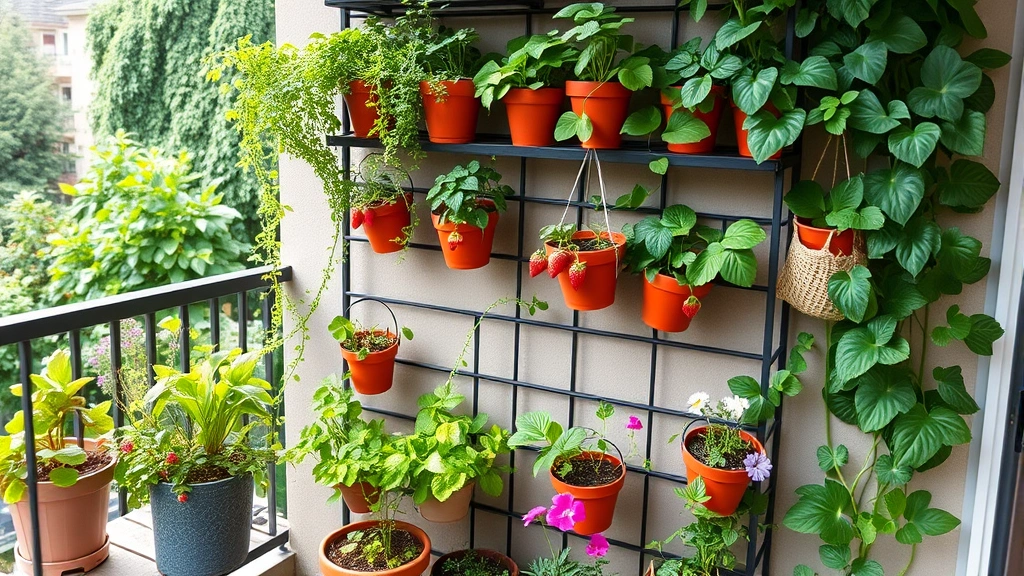
Vertical gardening transforms limited square footage into productive growing space by utilizing wall surfaces, railings, and overhead areas. Wall-mounted planters, hanging baskets, and tiered shelving systems multiply your growing capacity without requiring additional floor space. This approach proves especially valuable for apartment gardeners with compact balconies or patios where every inch counts toward maximizing plant production.
Implement various vertical systems based on your space constraints. Trellises and wall-mounted grids support climbing vegetables like pole beans, cucumbers, and peas, directing growth upward while keeping plants organized. Hanging baskets work beautifully for trailing herbs like basil, oregano, and thyme, positioning them at convenient heights for harvesting. Tiered plant stands and shelving units create mini-vertical gardens, stacking multiple containers to increase plant density. Living walls or modular vertical planting systems offer sophisticated solutions for apartment gardeners seeking professional-looking installations.
When designing vertical arrangements, consider weight distribution carefully. Apartment structures have weight limits, particularly for balconies and railings. Calculate total weight including containers, soil, water, and plants before installation. Distribute weight evenly across support structures rather than concentrating it in one area. Use lightweight materials—plastic containers, fabric grow bags, and potting mix instead of garden soil—to minimize load while maintaining adequate growing medium.
Vertical systems require strategic plant selection. Lightweight, shallow-rooted plants perform best in wall-mounted systems. Herbs, strawberries, and succulent plants adapt well to vertical growing. Heavier fruiting plants like tomatoes work better in larger floor-level containers or supported by sturdy trellises. Match plant water requirements to system design—vertical systems dry faster due to increased air circulation, so plants with moderate water needs often perform better than moisture-loving species.
Plant Selection for Apartments
Successful garden apartments feature plants carefully selected for container growing and limited space conditions. Herbs represent ideal apartment garden plants—they’re productive, compact, and provide immediate culinary rewards. Basil, parsley, chives, oregano, and thyme thrive in containers, offering fresh flavoring year-round. Many herbs tolerate partial shade and require minimal maintenance, making them perfect for beginner apartment gardeners developing their skills.
Leafy greens like lettuce, spinach, arugula, and kale adapt remarkably well to container growing. These cool-season crops occupy shallow root space (6-8 inches), allowing multiple plantings in modest containers. Succession planting—sowing seeds every two weeks—ensures continuous harvests throughout growing seasons. Leafy greens tolerate partial shade better than fruiting plants, making them excellent choices for north-facing apartments or shaded balconies.
Fruiting plants demand more sunlight and space but reward gardeners with abundant harvests. Cherry tomatoes, dwarf pepper varieties, and compact eggplant cultivars produce prolifically in containers. Determinate tomato varieties—bred specifically for container growing—reach manageable heights while producing substantial yields. Blueberries offer long-term productivity; learn more about growing blueberries in containers for a perennial apartment garden investment. Strawberries, both June-bearing and everbearing varieties, flourish in hanging baskets or vertical systems, producing fruit throughout the season.
Consider growing unusual vegetables like bitter melon, which thrives in warm climates and produces abundant yields in containers. Asian greens, microgreens, and specialty lettuces add diversity to apartment gardens while maximizing nutritional value. Dwarf fruit trees—citrus, figs, and peaches—adapt to container life when provided adequate space and sunlight, though they require more commitment than annual vegetables.
Ornamental plants enhance visual appeal while supporting pollinators. Flowers like marigolds, nasturtiums, and zinnias attract beneficial insects while providing edible petals for salads. Flowering herbs such as borage and calendula serve dual purposes—they’re beautiful and functional. Incorporating cottage garden principles into apartment spaces, even on small scales, creates charming, biodiverse environments that feel like traditional gardens despite urban settings.
Soil and Watering Systems
Quality potting mix forms the foundation of successful container gardening. Never use garden soil in containers—it compacts, restricts drainage, and often contains pathogens and weed seeds. Instead, invest in commercial potting mixes formulated specifically for containers. These blends combine peat moss or coconut coir, perlite, and vermiculite, creating light, well-draining mediums that support healthy root development.
Customize potting mixes based on plant requirements. Add extra perlite or orchid bark for plants preferring drier conditions like herbs and succulents. Incorporate additional compost for heavy feeders like tomatoes and peppers that benefit from nutrient-rich soil. For growing blueberries in containers, use acidic potting mix specifically formulated for ericaceous plants. Refresh soil annually by replacing the top 2-3 inches with fresh mix, or completely refresh containers yearly for optimal plant performance.
Watering presents the most common challenge for apartment gardeners, particularly those managing multiple containers with varying moisture requirements. Container plants dry faster than in-ground gardens due to increased air exposure and smaller soil volumes. Check soil moisture regularly by inserting your finger 1-2 inches deep—water thoroughly when soil feels dry at that depth. Avoid shallow, frequent watering that promotes weak root development; instead, water deeply and less frequently, allowing excess moisture to drain completely.
Install drip irrigation or soaker systems for consistent watering without daily attention. Simple drip systems connect to outdoor faucets, delivering measured water directly to plant roots. Timers enable automated watering, perfect for apartment dwellers with unpredictable schedules or extended absences. Self-watering containers feature internal reservoirs maintaining consistent moisture levels for 1-2 weeks, ideal for busy professionals. Ollas—traditional clay pots buried in soil—slowly release water as plants need it, reducing watering frequency significantly.
Mulching container plants conserves moisture, regulates soil temperature, and suppresses weeds. Apply 1-2 inches of organic mulch (shredded bark, straw, or compost) around plants, keeping it away from stems to prevent rot. Mulch reduces watering frequency by 30-50%, particularly valuable for apartment gardeners managing water restrictions or concerned about weight from frequent watering.
Seasonal Maintenance
Garden apartment maintenance varies seasonally, requiring adjusted approaches as temperatures and daylight shift. Spring represents the primary planting season; start seeds indoors 6-8 weeks before last frost dates, or purchase seedlings from local nurseries. Gradually acclimate indoor-grown plants to outdoor conditions through hardening off—exposing them to increasing sunlight and wind over 7-10 days before transplanting. Spring also demands fertilizing container plants that’ve exhausted nutrients from previous seasons.
Summer brings peak productivity but challenges from heat stress and increased water demands. Monitor containers daily during hot spells, as temperatures in the 80s-90s°F cause rapid soil drying. Provide afternoon shade for heat-sensitive plants using shade cloth or positioning them against north-facing walls. Deadhead spent flowers to encourage continuous blooming and fruiting. Implement consistent pest management—inspect plants weekly for aphids, spider mites, and other common apartment garden pests, treating infestations promptly with organic methods.
Fall transitions garden apartments toward cool-season production. Remove summer crops and refresh soil before planting fall vegetables like lettuce, spinach, kale, and broccoli. These cool-season crops thrive in shortening days and cooler temperatures, producing tender, flavorful greens. Continue harvesting herbs throughout fall; many become sweeter as temperatures drop. Prepare perennial plants like blueberries and fruit trees for dormancy by gradually reducing water and ceasing fertilization.
Winter gardening in apartments depends on your climate zone. Mild climates allow continued cool-season vegetable production and herb harvesting. Cold climates require moving tender plants indoors or protecting them with row covers. Reduce watering as plant growth slows and evaporation decreases. Clean and store containers, trellises, and tools properly. Review the past season’s successes and challenges, planning adjustments for next year. Consider installing garden gates or protective structures if your apartment allows them, creating sheltered microclimates for winter gardening.
FAQ
Can I grow vegetables in apartment gardens with limited sunlight?
Yes, absolutely. Leafy greens, herbs, and shade-tolerant vegetables like lettuce, spinach, kale, and parsley thrive with just 3-4 hours of sunlight daily. Microgreens and sprouts require minimal light and grow indoors under simple LED fixtures. However, fruiting plants like tomatoes and peppers need 6+ hours of direct sunlight for optimal production. Choose plants matching your available light conditions for best results.
What’s the best container size for apartment gardening?
Container size depends on plant type. Herbs need 6-8 inch pots, leafy greens require 8-10 inches, and fruiting plants demand 10-14 inch containers minimum. Larger containers retain moisture better and provide more root space, reducing maintenance. However, balance size with weight—apartment structures have limits. Use the largest containers your space and weight restrictions allow for each plant type.
How often should I water apartment container gardens?
Water frequency depends on weather, container material, soil type, and plant species. Check soil moisture regularly by inserting your finger 1-2 inches deep—water thoroughly when dry at that depth. In summer heat, daily watering may be necessary; in cool seasons, watering every 2-3 days suffices. Drip irrigation systems and self-watering containers reduce watering frequency significantly while maintaining consistent moisture.
Can apartment gardeners grow fruit-bearing plants successfully?
Definitely. Cherry tomatoes, dwarf peppers, compact eggplant varieties, strawberries, and blueberries produce abundantly in containers with adequate sunlight and space. Determine tomatoes bred for containers stay compact while producing substantial yields. Learn about growing blueberries in containers for long-term productive plants. Dwarf fruit trees adapt well to container life when given proper care, offering years of harvests.
What pest management strategies work for apartment gardens?
Inspect plants weekly for common pests like aphids, spider mites, and whiteflies. Use organic methods first—strong water spray, neem oil, insecticidal soap, or beneficial insects. Isolate infested plants to prevent spreading to neighbors’ spaces. Companion planting with marigolds, nasturtiums, and herbs deters many pests naturally. Maintaining healthy plants through proper watering, sunlight, and nutrition builds resistance to pest damage.
Is weight a concern for apartment balcony gardens?
Yes, weight matters significantly. Balconies have structural weight limits, particularly for railings. Calculate container weight, soil, water, and plants before installation. Use lightweight materials—plastic pots, fabric grow bags, and potting mix rather than garden soil. Distribute weight evenly across the balcony rather than concentrating it in one area. Consult your lease or building management about weight restrictions and approved gardening methods.
Can I maintain year-round gardens in apartments?
Yes, with seasonal adjustments. Warm climates support continuous growing with cool-season crops in winter and heat-lovers in summer. Cold climates require moving tender plants indoors or protecting them with row covers. Herbs and microgreens grow indoors under lights year-round. Plan seasonal rotations, refreshing soil annually and selecting appropriate varieties for each season. Perennial plants like blueberries and fruit trees provide structure across multiple seasons.