Essential Garden Accessories: Expert Recommendations for Every Gardener
Whether you’re a seasoned gardener or just beginning your horticultural journey, having the right garden accessories can dramatically improve your growing success and make the entire experience more enjoyable. The difference between a struggling garden and a thriving one often comes down to having quality tools and accessories that suit your specific needs and gardening style. From watering systems to soil amendments, the right accessories transform how you care for your plants and manage your outdoor space.
Garden accessories aren’t just about convenience—they’re investments in your plants’ health and your own gardening efficiency. When you have proper tools and equipment, you spend less time on tedious tasks and more time enjoying the rewards of your labor. This comprehensive guide explores the essential garden accessories recommended by experts, helping you build a toolkit that will serve you well for years to come.
Hand Tools and Digging Equipment
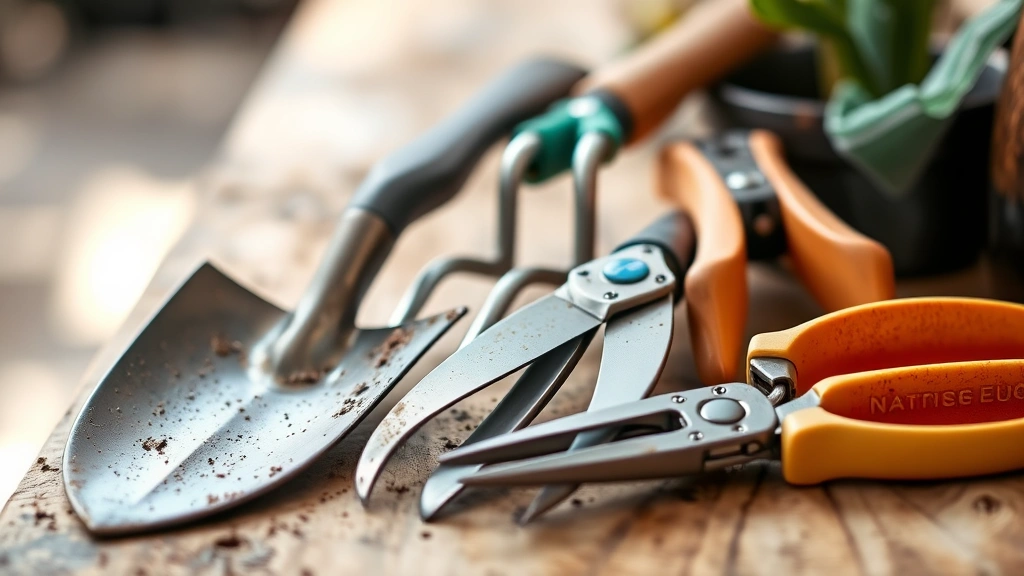
Every gardener needs a solid foundation of hand tools. These are the accessories you’ll reach for daily, making quality and comfort essential considerations. A well-made spade or shovel becomes an extension of your hand, and investing in durable options pays dividends over time.
The garden spade is perhaps the most versatile tool you’ll own. Unlike shovels with rounded edges, spades have flat blades that cut cleanly through soil, making them ideal for edging, digging, and turning beds. Ergonomic handles reduce strain on your wrists and back, which becomes increasingly important as you spend more hours gardening. Look for stainless steel or high-carbon steel blades that resist rust and maintain sharp edges longer.
Hand forks and cultivators are indispensable for working within planted beds. These smaller tools allow precise cultivation around delicate plants without disturbing roots. A three-prong cultivator breaks up compacted soil, removes weeds, and aerates around established plants. When you’re growing garden lettuce and other vegetables, hand forks help maintain ideal soil conditions without disrupting your plantings.
Trowels deserve special attention because they’re so frequently used. A quality trowel with a comfortable grip and sturdy blade makes digging planting holes, transplanting seedlings, and scooping amendments much easier. Stainless steel trowels won’t corrode from moisture and fertilizers, extending their lifespan considerably.
Don’t overlook the humble garden fork. Unlike spades, forks have tines that slice through soil while turning, aerating, and mixing amendments. They’re essential when preparing beds and working with compost. A border fork, smaller than a standard garden fork, works well in compact spaces and raised beds.
Watering Systems and Irrigation
Proper watering is fundamental to plant success, and the right watering accessories ensure your plants receive consistent moisture. Different plants and growing conditions require different approaches, so having multiple watering options is wise.
Garden hoses with quality fittings are basic necessities. Choose hoses rated for your climate—UV-resistant hoses last longer in sunny locations, while reinforced hoses withstand pressure without kinking. Soaker hoses deliver water directly to soil, reducing waste and minimizing leaf wetness that promotes disease. When you’re propagating plants, precision watering prevents damping-off diseases.
Watering cans offer control for delicate seedlings and container plants. A two-gallon can with a fine rose attachment provides gentle watering without disturbing soil. Larger cans reduce trips to the water source but may fatigue your arms during extended watering sessions.
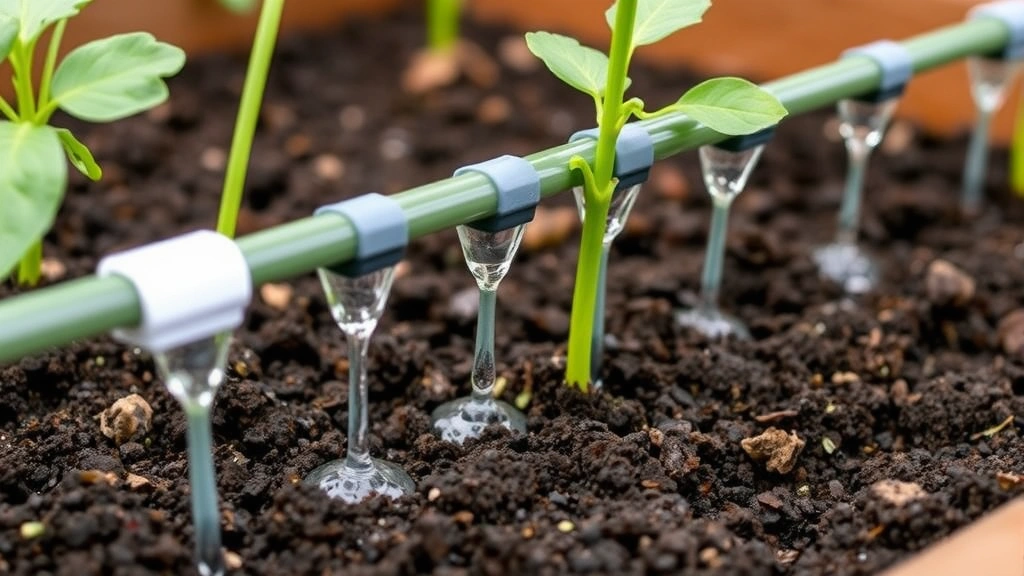
Drip irrigation systems represent a significant upgrade for serious gardeners. These accessories deliver water slowly and directly to plant roots, improving water efficiency by up to 50 percent compared to overhead watering. Drip lines reduce fungal diseases, minimize weed growth, and work perfectly for vegetables, perennials, and shrubs. Timer attachments automate watering, essential when you travel or maintain large gardens.
Oscillating sprinklers and impact sprinklers serve different purposes. Oscillating sprinklers distribute water evenly over rectangular areas, ideal for lawns and wide planting beds. Impact sprinklers cover circular areas and adjust to various ranges, perfect for perimeter watering. Rain gauges help you track natural precipitation, ensuring you don’t over-water during rainy periods.
Soil and Planting Accessories
Healthy soil creates healthy plants, and several accessories help you build and maintain excellent growing medium. Quality garden soil forms the foundation, but accessories help you apply and manage it effectively.
Soil amendments including compost, peat moss, and aged manure improve structure and fertility. A compost bin or tumbler helps you create your own amendments from kitchen scraps and yard waste, reducing costs while recycling nutrients. Peat moss alternatives like coconut coir offer sustainable options for improving moisture retention and aeration.
Garden lime and sulfur adjust soil pH, essential for growing plants with specific acid or alkaline preferences. A soil pH testing kit helps you understand your soil’s baseline, allowing targeted amendments. These accessories ensure your soil matches your plants’ needs, preventing nutrient deficiencies and poor growth.
Mulch accessories keep soil cool, suppress weeds, and conserve moisture. Mulch forks designed specifically for spreading mulch reduce back strain. Various mulch types—wood chips, straw, shredded bark—serve different purposes. For raised garden beds, quality mulch creates a finished appearance while providing functional benefits.
Fertilizer applicators ensure even distribution of granular fertilizers. Broadcast spreaders cover large areas quickly, while drop spreaders provide precise placement in vegetable gardens. Liquid fertilizer injectors attach to hoses, allowing you to feed plants while watering.
Support and Protection Tools
As plants grow, many require support structures that keep them healthy and productive. Plant supports and protection accessories prevent damage from wind, heavy fruit, and sprawling growth habits.
Tomato cages, stakes, and trellises guide growth vertically, improving air circulation and making harvesting easier. A-frame trellises work beautifully for beans and peas, while sturdy stakes support heavy fruiting plants. String and soft ties prevent damage when securing plants to supports.
Plant labels and markers help you track varieties, especially important when propagating plants with similar appearances. Waterproof labels maintain legibility through seasons of weather exposure. Color-coded markers organize plantings by type or harvest date.
Row covers and shade cloth protect plants from harsh conditions. Lightweight row covers extend seasons by trapping heat while allowing light and water penetration. Shade cloth reduces intense summer heat for cool-season crops and sensitive plants. Bird netting protects ripening fruit from avian predators, while mesh cloches shield young plants from pest damage.
Frost cloths insulate plants during unexpected freezes, essential insurance for tender perennials and early spring plantings. These lightweight covers come off easily once danger passes, allowing normal growth to resume.
Pruning and Maintenance Equipment
Regular pruning maintains plant health, encourages flowering, and prevents disease. Quality pruning accessories make this essential task safer and more effective.
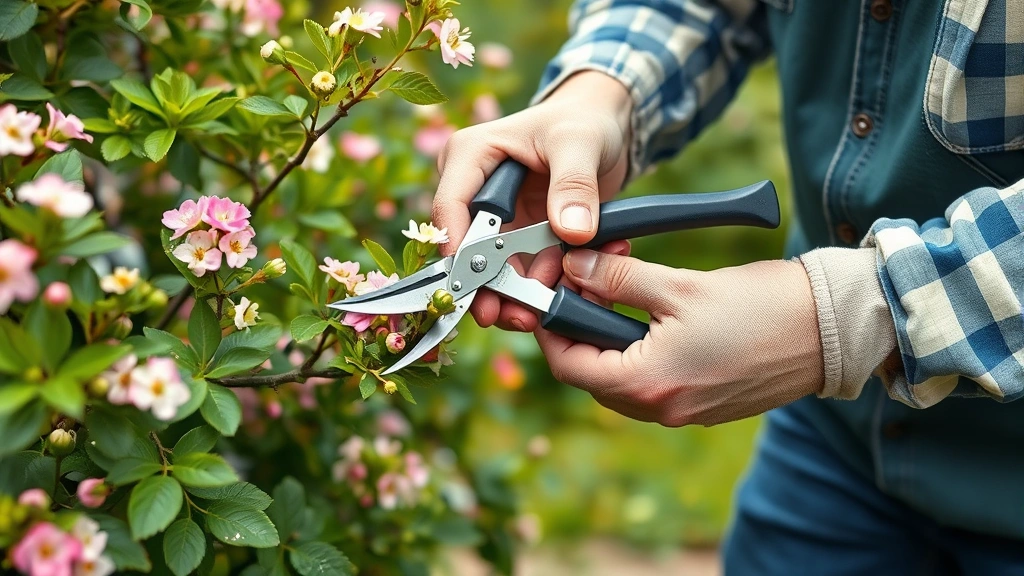
Hand pruners with sharp bypass blades cut cleanly through stems up to half-inch diameter. Anvil pruners work better for dead wood, while bypass pruners suit living stems. Ergonomic handles reduce hand fatigue during extended pruning sessions. Keeping pruners sharp prevents crushing stems, which invites disease.
Loppers extend your reach to higher branches and cut thicker wood. These two-handled tools provide leverage, allowing you to make clean cuts without excessive force. Bypass loppers suit living wood, while anvil loppers excel at removing dead branches.
Pruning saws tackle branches too thick for loppers. Folding saws fit easily in tool belts, while bow saws provide more power for heavy-duty work. Sharp teeth make quick work of pruning tasks, reducing plant stress from slow, crushing cuts.
Hedge shears maintain formal hedges and shrub borders. Manual shears work well for small projects, while electric shears save energy on large hedges. Keep shears sharp and clean to prevent disease transmission between plants.
Secateurs and pruning knives allow precise cuts on delicate plants. These specialized tools excel at detailed work around flower buds and fruit clusters.
Garden Organization and Storage
An organized garden runs more efficiently, and dedicated storage accessories keep tools accessible and protected. Garden storage solutions range from simple to elaborate, depending on your needs and budget.
Tool sheds protect equipment from weather damage and theft. A weatherproof shed keeps tools organized and accessible, extending their lifespan significantly. Pegboards inside sheds maximize vertical storage, making tools easy to locate. Magnetic strips hold metal hand tools securely while keeping them visible.
Garden carts and wheelbarrows transport soil, mulch, plants, and harvested produce. Two-wheeled wheelbarrows excel at maneuvering through tight spaces, while four-wheeled carts carry heavier loads with less effort. Choose carts with pneumatic tires that roll smoothly over uneven ground.
Tool belts keep frequently used accessories within arm’s reach. Leather belts withstand years of use, while canvas versions offer lighter weight options. Aprons with pockets organize small items like pruners, labels, and ties during planting and maintenance work.
Potting benches provide organized workspace for transplanting, propagating, and seed starting. Benches with shelves underneath store pots, soil, and supplies while keeping work surfaces clear. A potting bench near your local garden center area makes plant care convenient and efficient.
Hose reels and storage systems prevent tangling and damage. Wall-mounted reels save space while keeping hoses organized. Hose guides protect plants and pathways from tripping hazards while directing water flow.
Seasonal Accessories
Different seasons present unique challenges, and seasonal accessories help you adapt to changing conditions. Smart gardeners maintain a collection of seasonal items for year-round success.
Spring accessories focus on preparation and early growth. Cold frames extend the season, creating warm microclimates for early planting. Seed starting supplies including grow lights, heat mats, and seedling trays get plants off to strong starts indoors. Watering wands with adjustable heads deliver precise water to young transplants without damage.
Summer accessories manage heat and pest pressure. Soaker hoses and drip irrigation become essential as temperatures climb and water needs increase. Insecticidal soaps and neem oil protect plants from summer pests while remaining organic-friendly. Shade cloth prevents sun scald on vegetables and reduces heat stress on perennials.
Fall accessories prepare gardens for dormancy and next year’s growth. Leaf rakes gather fallen leaves for composting. Gutter guards prevent leaves from clogging gutters near garden areas. Mulch spreaders prepare beds for winter protection and spring nutrient cycling.
Winter accessories protect plants during cold months. Tree guards prevent deer and rabbit damage when food sources become scarce. Burlap wraps protect evergreens from heavy snow and ice damage. Frost cloth insulates tender perennials, while cold frames protect winter greens. Snow fencing prevents damage from wind-driven snow while creating beautiful garden definition.
FAQ
What are the most essential garden accessories for beginners?
Start with basic hand tools: a spade, hand fork, trowel, and pruners. Add a garden hose with watering can, quality soil, and mulch. These fundamentals cover most gardening tasks while remaining affordable. As you develop your skills and expand your garden, you’ll identify specialized accessories that match your specific needs and growing conditions.
How often should I replace garden accessories?
Quality tools last many years with proper care. Sharpen blades annually and clean tools after use to prevent rust. Replace handles when they crack or splinter, and retire tools when blades become too dull to sharpen effectively. Proper storage protects accessories from weather damage, significantly extending their lifespan and maintaining their functionality.
Are expensive garden accessories worth the investment?
Quality accessories offer superior durability and ergonomic design, reducing fatigue and injury risk during extended gardening sessions. While premium tools cost more initially, they outlast cheaper alternatives by years, making them cost-effective long-term investments. However, you don’t need the most expensive option—mid-range quality tools from reputable manufacturers offer excellent value.
Can I use regular household tools in my garden?
While some household tools work temporarily, they lack the durability and ergonomic design of proper garden accessories. Kitchen knives, for example, don’t hold edges well in soil, and household tools often have handles that cause hand and wrist strain. Investing in dedicated garden tools prevents frustration and injury while improving gardening results.
What accessories help with organic gardening?
Composting bins, row covers, shade cloth, and natural pest control supplies support organic practices. Soil testing kits help optimize amendments without synthetic fertilizers. Drip irrigation systems reduce water waste while minimizing fungal diseases that organic gardeners must manage without chemical fungicides. Mulch and cover crops improve soil health organically.
How should I store garden accessories during winter?
Clean tools thoroughly before storage, removing soil and debris that trap moisture. Dry tools completely, then apply light oil to metal parts to prevent rust. Store in a dry location protected from freezing temperatures, which can crack handles and damage equipment. Hang tools on walls or pegboards to save space and prevent damage from improper stacking.