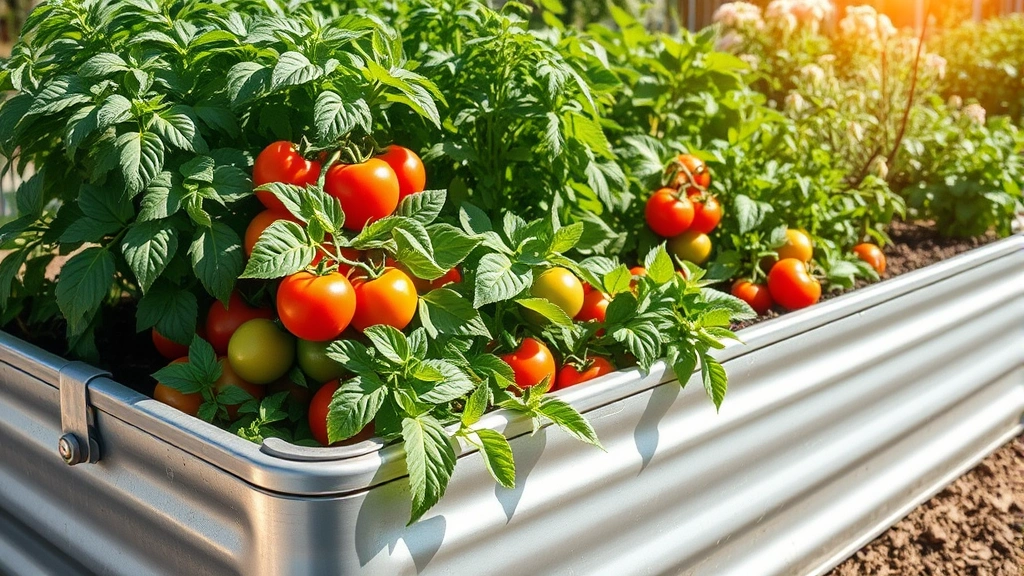
Benefits of Galvanized Steel Raised Garden Beds: Expert Insights
Galvanized steel raised garden beds have become increasingly popular among both novice and experienced gardeners seeking durable, long-lasting growing solutions. The process of galvanizing—coating steel with a protective zinc layer—creates a garden bed that withstands harsh weather conditions, resists rust, and maintains structural integrity for decades. Whether you’re starting your gardening journey as a beginner or expanding an established garden, understanding the advantages of galvanized steel construction can help you make an informed investment in your growing space.
Unlike traditional wooden raised beds that require regular maintenance and eventual replacement, or untreated metal options prone to rust and deterioration, galvanized steel beds offer a middle ground that combines affordability with exceptional durability. This comprehensive guide explores the numerous benefits of choosing galvanized steel for your raised garden beds, backed by horticultural expertise and practical gardening experience.
Durability and Longevity: Investment That Lasts Decades
One of the most compelling advantages of galvanized steel raised garden beds is their exceptional durability. The galvanization process creates a barrier between the steel and environmental elements, preventing the oxidation process that causes rust. Quality galvanized beds typically last 20-30 years or more, far exceeding the lifespan of untreated wood or basic metal alternatives. This longevity makes them an excellent long-term investment for gardeners committed to maintaining productive growing spaces.
The zinc coating acts as both a physical barrier and a sacrificial layer, meaning it corrodes preferentially to the underlying steel. Even if the coating is scratched or damaged, the zinc continues to protect the exposed steel through a process called cathodic protection. This self-healing property ensures that minor damage doesn’t compromise the entire bed’s integrity. When you’re preparing garden soil for a thriving garden, you can rely on your galvanized bed to provide consistent support year after year without degradation.
Galvanized steel maintains its structural integrity through extreme weather conditions—from harsh winters with freeze-thaw cycles to scorching summers and heavy rainfall. Unlike wood, which can warp, split, and rot, or thin metal that buckles under pressure, galvanized steel beds remain perfectly square and level, ensuring proper water drainage and plant support. This consistency is particularly important for vegetable garden layout planning, where bed dimensions affect spacing and productivity.
Weather Resistance and Protection Against Elements
Galvanized steel’s superior weather resistance makes it ideal for gardeners in diverse climates. The zinc coating protects against moisture, which is the primary cause of metal degradation. Whether you live in humid coastal regions, areas with heavy snowfall, or locations with intense sun exposure, galvanized beds maintain their protective layer.
In coastal environments where salt spray accelerates corrosion, galvanized steel performs admirably compared to untreated alternatives. The zinc coating resists salt penetration, making these beds suitable for seaside gardens. In humid subtropical or tropical climates, where moisture promotes rapid rust development in ordinary steel, the galvanizing process provides essential protection. Even in arid regions where intense UV radiation can degrade materials, galvanized steel maintains its integrity without significant degradation.
The freeze-thaw cycles common in temperate climates present particular challenges for garden beds. Water seeps into cracks and crevices, freezes, expands, and causes structural failure. Galvanized steel beds don’t absorb water like wood does, so they’re immune to this destructive cycle. This makes them especially valuable in areas experiencing harsh winters, where you might need to consider season-appropriate gardening strategies and timing for different crops.
Galvanized beds also resist the damage caused by falling branches, heavy snow loads, and wind pressure. Their rigid construction maintains shape and alignment even under significant stress, ensuring that your raised bed garden remains functional and aesthetically pleasing throughout all seasons.
Cost-Effectiveness Over Time: The True Value Proposition
While galvanized steel raised garden beds may have a higher initial purchase price than basic wooden alternatives, their cost-effectiveness becomes apparent when considering the total cost of ownership over time. A wooden raised bed might cost $150-300 initially but requires replacement every 8-12 years, along with ongoing maintenance including staining, sealing, and pest treatment. Over 30 years, you might purchase and maintain three or four wooden beds, totaling $600-1,200 plus labor costs.
A galvanized steel bed might cost $300-600 initially but lasts 25-30 years with minimal maintenance, requiring only occasional cleaning. The per-year cost becomes remarkably economical—essentially a one-time investment that provides decades of reliable service. When amortized across the bed’s lifespan, galvanized steel typically costs less than half the price of repeatedly replacing wooden alternatives.
This financial advantage extends beyond the bed itself. Consistent bed dimensions and integrity mean you won’t need to replace soil structure, adjust layouts, or deal with the crop losses that sometimes occur when deteriorating beds fail mid-season. Additionally, using quality garden fertilizer and soil amendments in a stable bed provides more predictable results, potentially increasing yields and reducing waste.
For gardeners on tight budgets, purchasing galvanized beds gradually over a season or two allows spreading costs while building a comprehensive garden system. The beds’ durability means your initial investment in multiple beds represents a complete garden solution for decades.
Easy Installation and Minimal Maintenance Requirements
Galvanized steel raised beds are remarkably easy to install, typically requiring only basic assembly with bolts, screws, or corner brackets. Most kits come with straightforward instructions and minimal tools needed. Unlike wooden beds requiring cutting, treating, and careful assembly, galvanized options are ready to use within minutes to hours. This ease of setup is particularly appealing for gardening tips for beginners who may lack experience with construction projects.
Once installed, galvanized beds require virtually no maintenance beyond occasional cleaning. A simple rinse with a garden hose removes dust and debris. Unlike wood, which needs annual sealing or staining, or untreated metal, which requires rust prevention treatments, galvanized steel maintains its protective coating indefinitely without intervention. This hands-off approach appeals to busy gardeners who prefer spending time growing plants rather than maintaining infrastructure.
The smooth surface of galvanized steel prevents splinters and rough edges that plague wooden beds. This creates a safer environment for children and pets while also being more comfortable for gardeners working in the beds. The smooth finish also resists pest damage—termites and carpenter ants cannot infest galvanized steel as they do wood.
Cleaning is simple and straightforward. If mineral deposits or algae accumulate on the surface, a soft brush and water remove them easily. For stubborn buildup, a mild vinegar solution works effectively without damaging the protective coating. This simplicity makes galvanized beds ideal for gardeners with limited time or physical ability to perform complex maintenance tasks.
Design Flexibility and Modern Aesthetics
Galvanized steel raised beds offer surprising design flexibility, available in various dimensions, heights, and configurations. Whether you prefer standard rectangular beds, corner units, tiered designs, or custom shapes, galvanized steel can accommodate different aesthetic preferences and functional requirements. The industrial aesthetic of galvanized metal appeals to modern garden designs, complementing contemporary homes and minimalist landscaping.
The neutral gray-silver color of galvanized steel coordinates well with various garden styles. While some gardeners prefer the warm tones of wood, others appreciate the clean, contemporary appearance of galvanized beds. This modern aesthetic works particularly well in urban gardens, rooftop installations, and contemporary landscapes. The reflective quality of the galvanized surface can brighten shadier garden areas and create interesting visual effects.
Height customization is another advantage. Galvanized beds are available in various depths, from shallow 6-inch options suitable for herbs and lettuce to deep 18-24 inch beds ideal for root vegetables and perennials. Taller beds (18-24 inches) are particularly beneficial for gardeners with mobility issues, reducing bending and strain. You can combine different heights to create visually interesting tiered gardens that maximize vertical space and accommodate different plant types.
Galvanized steel beds also work excellently in cottage garden designs when paired with appropriate plantings and companion landscaping. The industrial material provides an interesting contrast to romantic, informal plantings, creating an eclectic aesthetic that many gardeners find appealing.

Safety Considerations and Health Factors
A common concern about galvanized steel is whether zinc coating poses health risks to food gardens. Extensive research and horticultural guidance indicate that properly galvanized beds are safe for growing vegetables and herbs. The zinc coating doesn’t leach into soil at harmful levels, particularly when soil pH is neutral to slightly acidic. The galvanization process creates a stable, inert coating that doesn’t degrade into the soil.
The U.S. Environmental Protection Agency and numerous agricultural extension services confirm that galvanized steel raised beds are appropriate for food production. The zinc present in soil occurs naturally and is actually an essential micronutrient for plants. The amount leaching from properly galvanized surfaces is negligible and far below levels that would cause concern.
Galvanized beds are also safer than pressure-treated wood, which historically contained arsenic and other toxic preservatives (though modern treatments have improved). Unlike wood, galvanized steel cannot splinter, harbor insects, or develop mold and mildew. This makes them particularly suitable for gardens where children play or where food safety is paramount.
The smooth surface prevents injury from rough edges or splinters. Unlike wooden beds that can develop sharp protrusions as they age, galvanized steel maintains a smooth, safe surface throughout its lifespan. The rigid construction also prevents collapse or tipping that might occur with degraded wooden alternatives.
Environmental Impact and Sustainability Considerations
While plastic and composite materials are often marketed as sustainable alternatives, galvanized steel offers genuine environmental advantages. Steel is one of the most recycled materials globally, with recycling programs well-established in most regions. When your galvanized bed eventually reaches the end of its life (after 25-30+ years), it can be completely recycled into new steel products with minimal processing.
The durability of galvanized beds means fewer resources are consumed over time compared to materials requiring frequent replacement. Manufacturing one galvanized bed that lasts 30 years consumes significantly fewer resources than manufacturing three wooden beds over the same period. The zinc coating is applied through a simple electrochemical process that’s far less resource-intensive than treating wood with chemical preservatives.
Galvanized steel beds eliminate the need for chemical treatments and sealants required for wooden alternatives. No toxic preservatives, stains, or finishes are necessary, reducing chemical runoff into soil and groundwater. This makes galvanized beds an environmentally responsible choice for conscientious gardeners.
The production of galvanized steel is increasingly sustainable, with manufacturers implementing energy-efficient processes and recycled content. When you choose galvanized beds, you’re supporting an industry with established recycling infrastructure and environmental practices. This differs from composite materials, which often end up in landfills and cannot be recycled.

FAQ
Are galvanized steel raised beds safe for growing vegetables?
Yes, galvanized steel beds are completely safe for growing vegetables, herbs, and fruits. The zinc coating is stable and inert, not leaching harmful amounts into soil. Agricultural extension services and environmental agencies confirm their safety for food production. The zinc naturally present is actually beneficial for plant growth as a micronutrient.
How long do galvanized steel raised beds last?
Quality galvanized steel beds typically last 20-30 years or longer, depending on climate conditions and maintenance. In harsh coastal environments with salt spray, lifespan may be slightly reduced, but galvanized beds still outlast most alternative materials. Regular rinsing can extend lifespan even further.
Do galvanized steel beds require painting or sealing?
No, galvanized steel beds require no painting, sealing, or chemical treatments. The galvanization process creates a self-protecting coating that lasts the bed’s entire lifespan. Occasional cleaning with water is all that’s needed to maintain the protective coating.
Can galvanized steel beds be used in coastal gardens?
Yes, galvanized steel beds are actually ideal for coastal gardens. The zinc coating resists salt spray and corrosion better than most alternative materials. This makes them an excellent choice for seaside gardeners dealing with harsh salt-laden air.
Are galvanized beds more expensive than wooden alternatives?
Initial cost is typically higher for galvanized beds, but total cost of ownership is actually lower. Wooden beds require replacement every 8-12 years plus ongoing maintenance. Over 30 years, galvanized beds cost less than repeatedly replacing wooden alternatives, making them more economical long-term.
What dimensions are available for galvanized steel beds?
Galvanized beds are available in numerous sizes, from 2×4 feet to 4×8 feet and custom dimensions. Depths typically range from 6 inches to 24 inches, accommodating different plants and gardener preferences. Many manufacturers offer modular systems allowing you to combine units for custom configurations.
Do galvanized beds affect soil pH?
Galvanized beds have minimal impact on soil pH. The zinc coating is stable and doesn’t significantly alter soil chemistry. Your soil pH will be primarily determined by your soil amendments, water quality, and the plants you’re growing, not by the galvanized bed material.


