
Creative Flower Garden Ideas: Expert Inspiration for Your Outdoor Space
Designing a flower garden that captivates and inspires requires more than simply planting colorful blooms in random patterns. The most stunning flower gardens combine thoughtful planning, strategic color selection, and an understanding of seasonal blooming cycles. Whether you’re starting from scratch or reimagining an existing landscape, creative flower garden ideas can transform your outdoor space into a vibrant sanctuary that evolves throughout the year.
This comprehensive guide explores innovative approaches to flower garden design, from cottage garden aesthetics to modern minimalist landscapes. You’ll discover practical strategies for layering colors, selecting complementary plants, and creating focal points that draw the eye. With expert inspiration and actionable tips, you’ll be equipped to design a flower garden that reflects your personal style while thriving in your local climate.
Understanding Color Theory in Flower Gardens
Color forms the foundation of any successful flower garden design. By understanding basic color theory principles, you can create harmonious combinations that please the eye and establish the mood of your outdoor space. The color wheel—a visual representation of color relationships—serves as your primary tool for making confident design decisions.
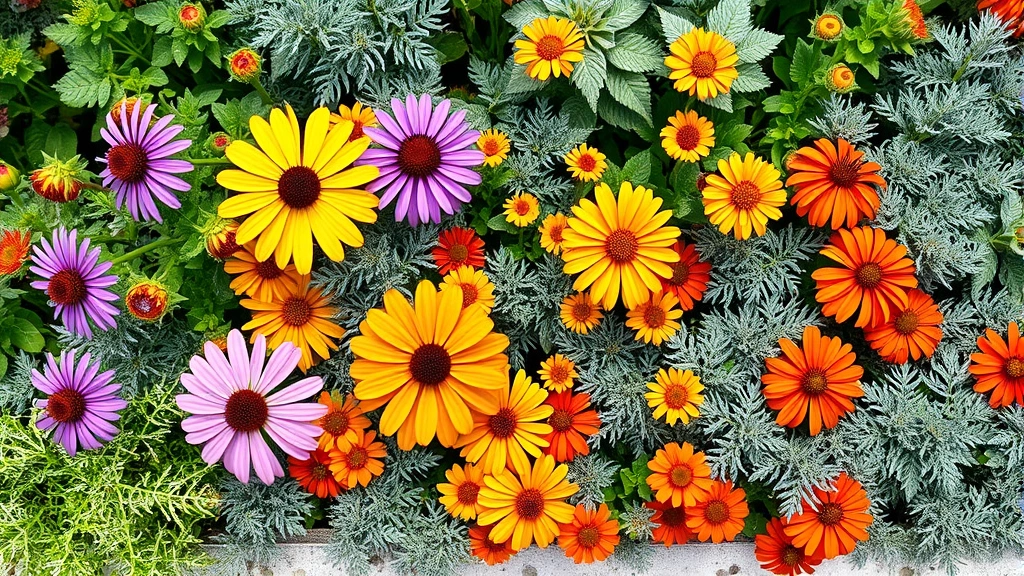
Complementary color schemes pair colors opposite each other on the color wheel, creating bold, high-contrast gardens. Purple petunias paired with yellow marigolds, or orange calendula with blue delphiniums, produce striking visual impact. These combinations work exceptionally well in modern gardens and create energy and movement throughout the space.
Analogous color schemes use colors adjacent to each other on the color wheel, such as red, orange, and yellow. These combinations create warm, cohesive gardens with a harmonious flow. Analogous schemes work beautifully in cottage gardens and traditional landscapes, where the gentle color transitions create a soothing atmosphere.
Monochromatic designs employ varying shades, tints, and tones of a single color. A white garden featuring white roses, white hydrangeas, white snapdragons, and silvery foliage creates a sophisticated, elegant aesthetic. Similarly, a blue garden combining delphinium, agapanthus, and veronica offers cool tranquility.
Consider seasonal color availability when planning your palette. Spring gardens burst with pastels and soft hues, while summer gardens showcase vibrant, saturated colors. Fall gardens transition to warm oranges, reds, and burgundies, and winter gardens benefit from evergreen foliage and berry-producing plants.
Creating Garden Focal Points
Focal points anchor flower garden designs by directing attention and creating visual interest. Without focal points, gardens can feel aimless and lack purpose. Strategic placement of distinctive elements helps visitors navigate your garden while creating memorable viewing experiences.
Living focal points utilize specimen plants with exceptional characteristics. A Japanese maple with delicate foliage, a flowering cherry tree, or a towering ornamental grass can serve as garden anchors. These plants should possess year-round interest, either through foliage color, form, texture, or seasonal blooms.
Hardscape focal points include architectural elements that add structure and permanence. A garden fountain creates movement, sound, and visual interest while serving as a gathering point. Stone sculptures, arbors, pergolas, benches, and birdbaths similarly anchor garden spaces and provide resting points for the eye.
Position focal points strategically to maximize their impact. Place them at the end of sight lines, at garden entrances, or at intersections of pathways. Focal points work best when slightly elevated or surrounded by complementary plantings that don’t compete for attention. A single specimen plant surrounded by lower-growing companions creates more impact than when competing elements vie for prominence.
Consider seasonal focal points that shift attention throughout the year. Early spring could feature flowering bulbs, summer could highlight peak bloom perennials, fall could showcase ornamental grasses and seed heads, and winter could emphasize evergreen structure and berry-producing shrubs.
Seasonal Blooming Strategies
Exceptional flower gardens provide color and interest throughout every season. This requires deliberate plant selection and understanding bloom times for your region. Rather than a single burst of spring color followed by garden dormancy, year-round interest ensures your space remains vibrant and engaging.
Spring bloomers including tulips, daffodils, hyacinths, and primrose emerge as temperatures warm. These bulbs and early perennials establish the garden season with fresh, pastel hues. Consider creating a dedicated tulip garden space to concentrate spring color impact.
Summer bloomers dominate mid-season gardens with roses, zinnias, dahlias, coneflowers, and black-eyed Susans. These prolific bloomers provide continuous color from June through August, particularly if deadheaded regularly. Summer gardens can support the most vibrant color palettes and highest plant density.
Fall bloomers including asters, mums, sedums, and ornamental grasses extend garden interest as summer fades. These plants transition gardens toward warm tones and provide critical nectar sources for migrating butterflies and hummingbirds. Fall bloomers also bridge the gap between summer’s abundance and winter’s dormancy.
Winter interest comes from evergreen foliage, berry-producing plants, and structural elements. Ornamental grasses with seed heads, winter-blooming hellebores, and shrubs with colorful bark maintain garden appeal during cold months. Winter gardens feel less barren when designed with intentional texture and form.
Create a planting calendar documenting bloom times for your region. This tool helps identify gaps where additional plantings could extend color coverage. Many horticultural extension services provide region-specific bloom time information to guide your selections.
Garden Styles and Themes
Different garden styles offer distinct aesthetic approaches to flower garden design. Selecting a style that resonates with your preferences and complements your home’s architecture creates cohesion and purposefulness.
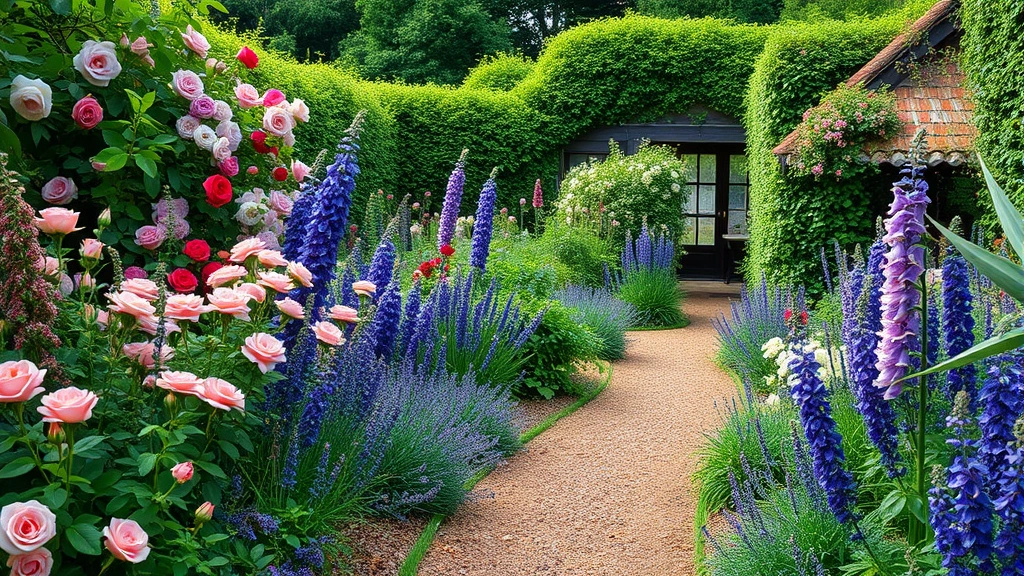
Cottage gardens embrace an informal, abundant aesthetic with densely planted flowers spilling over pathways. This romantic style emphasizes layered plantings, mixed flower types, and charming details. Cottage gardens work beautifully in front yards and side gardens, creating welcoming, lived-in spaces.
Modern gardens feature clean lines, restrained plant palettes, and architectural hardscape elements. These gardens emphasize form and texture over abundant blooms, often utilizing repetition of key plants for visual impact. Modern gardens suit contemporary homes and urban spaces where simplicity and sophistication are desired.
Mediterranean gardens celebrate warm-climate aesthetics with drought-tolerant plants, warm colors, and rustic hardscape materials. Lavender, rosemary, and ornamental grasses create texture, while terra cotta containers and stone pathways establish Mediterranean character. These gardens thrive in hot, dry regions.
Japanese gardens emphasize balance, asymmetry, and natural beauty. Carefully selected specimen plants, moss, water features, and stone create contemplative spaces. Japanese gardens work well as small-scale gardens within larger landscapes, offering peaceful retreats.
Pollinator gardens prioritize native plants that attract bees, butterflies, and hummingbirds. These gardens combine flower-rich plantings with water sources and shelter, creating functional ecosystems. A native plant database helps identify appropriate species for your region.
Practical Design Techniques
Implementing successful flower garden ideas requires understanding practical design principles that translate vision into reality. These techniques help create gardens that function beautifully while maintaining health and vitality.
Layering heights creates depth and visual interest by positioning tall plants toward garden backs, mid-height plants in middle zones, and low-growing plants in front. This tiered approach ensures all plants receive adequate light while allowing each layer to be appreciated. Tall sunflower garden plantings work beautifully as background layers, with zinnias and marigolds providing mid-height interest.
Repetition and rhythm create unity and guide the eye through gardens. Repeating plant groupings at intervals creates visual rhythm and coherence. Rather than planting single specimens scattered throughout, group three, five, or seven plants of the same variety together for stronger impact and easier maintenance.
Texture variation adds complexity and interest beyond color alone. Combining fine-textured plants like baby’s breath with bold-textured plants like sunflowers creates visual contrast. Feathery ornamental grasses paired with broad-leafed hostas similarly provide textural interest throughout seasons.
Negative space prevents overcrowding and allows featured plants to shine. Gardens need breathing room where the eye rests before moving to the next focal point. Negative space also reduces maintenance demands and allows plants adequate growing room.
Container gardening integration extends flower garden possibilities, especially in limited spaces. Large garden terracotta pots filled with seasonal flowers provide flexible, moveable color that can be refreshed throughout the year. Containers work beautifully on patios, decks, and entryways.
Integrating Hardscape Elements
Hardscape—the non-living elements of garden design—provides structure, functionality, and beauty that complements flower plantings. Thoughtfully integrated hardscape creates gardens that are both beautiful and practical.
Pathways guide visitors through gardens while protecting plantings from foot traffic. Curved pathways feel more natural and spacious than straight lines, inviting exploration. Materials including stone, mulch, gravel, or pavers should complement your home’s architecture and garden style.
Water features add movement, sound, and visual interest. A garden fountain becomes a focal point while providing soothing background sound. Bird baths, small ponds, or fountains attract wildlife and create reflection opportunities.
Seating areas encourage garden enjoyment and create gathering spaces. Benches positioned at focal points or along pathways offer rest and contemplation. Garden seating should blend aesthetically with plantings while providing comfortable vantage points for enjoying your work.
Irrigation infrastructure ensures consistent watering while reducing labor. A best garden hose provides flexible watering options, while drip irrigation systems deliver water directly to plant roots. A garden hose reel cart keeps watering equipment organized and accessible.
Edging and borders define garden spaces and prevent lawn grass from invading planting beds. Metal, stone, or plastic edging creates clean lines while serving functional purposes. Edging also simplifies maintenance by creating clear boundaries for mowing and weeding.
Maintenance and Care Tips
Creative flower garden ideas only reach their potential through consistent care and maintenance. Understanding seasonal tasks and plant-specific requirements ensures your garden thrives year-round.
Deadheading—removing spent flowers—encourages continued blooming and maintains attractive appearance. Many annuals and perennials produce flowers continuously when deadheaded regularly. This simple task extends bloom seasons and improves plant health.
Watering practices should deliver moisture to roots rather than foliage, reducing disease risk. Deep, infrequent watering encourages strong root development better than shallow, frequent watering. Water early morning or evening when temperatures are cooler and evaporation is minimal.
Fertilization provides nutrients that support vigorous growth and abundant blooms. Balanced fertilizers work for most gardens, though specific plants may benefit from specialized formulations. Organic amendments including compost improve soil structure while providing slow-release nutrition.
Pest and disease management keeps plants healthy and attractive. Regular monitoring allows early detection of problems before they become serious. Integrated pest management approaches emphasizing cultural practices and beneficial insects reduce chemical input needs.
Seasonal pruning and cleanup maintains plant health and garden appearance. Spring pruning removes winter damage and encourages new growth. Fall cleanup removes diseased foliage and reduces overwintering pest populations. Summer pruning controls plant size and encourages bushier growth.
Mulching conserves moisture, moderates soil temperature, suppresses weeds, and improves soil as it decomposes. Apply two to three inches of organic mulch around plants, keeping mulch away from plant stems to prevent rot and pest problems.

FAQ
What flowers bloom all summer long?
Zinnias, marigolds, dahlias, coneflowers, black-eyed Susans, and roses provide continuous summer color when deadheaded regularly. Annuals like impatiens and begonias bloom prolifically throughout warm months. Perennials including coreopsis, rudbeckia, and salvia offer extended bloom periods with minimal deadheading requirements.
How do I create a low-maintenance flower garden?
Select native plants adapted to your climate, which require less water and pest management. Group plants with similar water and sunlight needs together. Mulch heavily to suppress weeds and conserve moisture. Choose perennials and shrubs over annuals to reduce replanting labor. Implement drip irrigation for efficient watering with minimal effort.
What’s the best time to plant flowers?
Spring and fall offer ideal planting conditions in most regions, with moderate temperatures and natural moisture. Spring plantings establish before summer heat, while fall plantings develop strong roots before winter. Container-grown plants can be planted anytime during the growing season if watered consistently. Check your local USDA plant hardiness zone for specific timing recommendations.
How much sunlight do flower gardens need?
Most flowering plants require six to eight hours of direct sunlight daily for optimal blooming. Some shade-tolerant flowers including hostas, hellebores, and bleeding heart thrive in partial shade with three to six hours of sun. Check individual plant requirements to ensure proper light conditions for your selections.
Can I design a flower garden in a small space?
Absolutely. Small spaces benefit from vertical growing using trellises and arbors, container gardening, and carefully selected compact varieties. Repetition of fewer plant types creates visual impact without overwhelming limited space. Focal points become even more important in small gardens, drawing attention and creating perceived space.
How do I attract pollinators to my flower garden?
Plant native flowers that provide nectar and pollen throughout growing seasons. Include flowering plants at different heights and bloom times to ensure continuous food sources. Avoid pesticides that harm beneficial insects. Provide water sources like shallow dishes or bird baths. Leave some areas unmulched for ground-nesting bees, and allow some plants to flower before deadheading to provide seeds for birds.
What’s the difference between annuals and perennials?
Annuals complete their life cycle in a single season, producing flowers and seeds before dying. They typically bloom continuously and require replanting yearly but offer flexibility for design changes. Perennials return year after year, establishing deeper roots and often requiring less maintenance. Perennials may have shorter bloom periods but provide structural continuity in gardens.