How to Start a Garden: Expert Gardener Guide
There’s something truly magical about being drawn into the garden for the first time as a beginner. Whether you’re standing in your backyard envisioning rows of vegetables, dreaming of a colorful flower display, or imagining a peaceful retreat filled with herbs, starting a garden is one of the most rewarding decisions you can make. The journey from bare soil to thriving plants teaches patience, nurtures creativity, and connects you directly to the natural world.
Beginning a garden doesn’t require extensive experience, expensive equipment, or a large plot of land. Many successful gardeners started with simple containers on a patio or a small raised bed in a sunny corner. What matters most is understanding the fundamentals: choosing the right location, preparing your soil, selecting appropriate plants, and committing to consistent care. This comprehensive guide will walk you through every step of the process, ensuring you feel confident and prepared to launch your gardening adventure.
Assessing Your Space and Sunlight
The foundation of every successful garden begins with honest assessment of your available space. Spend several days observing your yard at different times of day, noting where sunlight falls and how long it lingers. Most vegetables and flowering plants require at least six to eight hours of direct sunlight daily, while shade-tolerant plants like hostas and ferns thrive in areas receiving only two to four hours of sun.
Consider your space realistically. A sunny south-facing wall receives more intense heat than a north-facing area. Morning sun helps dry dew and reduces fungal diseases, while afternoon shade in hot climates prevents plant stress. You might discover that starting with raised bed gardening allows you to position your garden in the optimal location rather than being limited by existing landscape features.
Don’t overlook vertical spaces either. A sunny fence, wall, or trellis can accommodate climbing plants, reducing the ground-level footprint needed. Vertical gardens are particularly useful in small spaces and can transform unused wall space into productive growing areas.
Understanding Your Soil
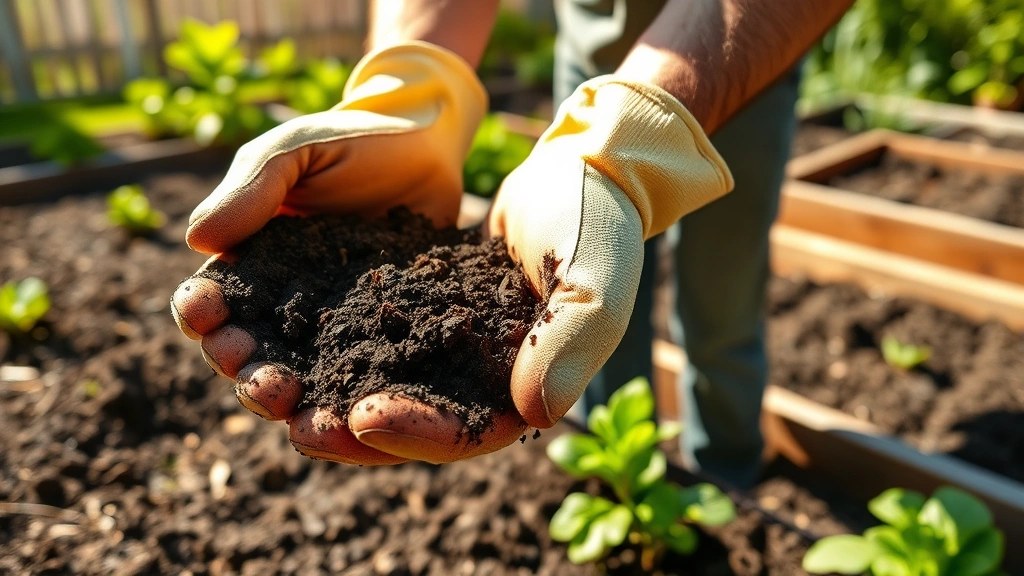
Healthy soil is the lifeblood of any thriving garden. Before planting a single seed, understand what you’re working with. Soil composition affects drainage, nutrient availability, and plant root development. Most plants prefer soil with balanced proportions of sand, silt, and clay—often called loam.
Conduct a simple soil test by filling a clear jar with soil, water, and dish soap, then shaking vigorously and letting it settle overnight. You’ll see distinct layers showing your soil’s sand, silt, and clay percentages. Sandy soil drains quickly but doesn’t retain nutrients. Clay soil retains moisture and nutrients but can become compacted. Most gardeners benefit from adding organic matter like compost, aged manure, or leaf mold to improve soil structure regardless of type.
Contact your local extension service for professional soil testing. They’ll provide detailed nutrient analysis and specific recommendations for your region. This small investment prevents costly mistakes and ensures your plants have optimal growing conditions from day one.
Work amendments into the top eight to twelve inches of soil where most plant roots establish. This preparation takes effort initially but pays dividends through seasons of healthy growth. Rich, well-amended soil reduces pest and disease problems while promoting vigorous plant development.
Choosing Your Garden Type
Different garden styles suit different situations and preferences. In-ground gardens work well where you have space and good soil. They require more initial preparation but offer flexibility in size and shape. Raised beds provide excellent drainage, easier access, and better pest control. They’re perfect for small spaces and allow you to control soil quality completely.
Container gardening works anywhere—patios, balconies, even windowsills. Containers dry out faster than ground soil, requiring more frequent watering, but they offer flexibility to move plants as needed and work beautifully for starting a flower garden. Ensure containers have drainage holes and use quality potting soil rather than garden soil.
Vertical gardening systems maximize production in minimal space, ideal for urban gardeners or those with limited ground area. Wall-mounted planters, trellises, and hanging baskets create visual interest while growing vegetables, herbs, and flowers.
Consider hybrid approaches too. Many successful gardens combine raised beds for vegetables, container plantings for herbs near the kitchen, and in-ground plantings for ornamental shrubs and perennials. Start small—you can always expand as your confidence and experience grow.
Essential Tools and Supplies
You don’t need an overwhelming collection of tools to start gardening successfully. Begin with these essentials: a sturdy shovel for digging and turning soil, a garden hoe for weeding and cultivating, a rake for leveling and gathering debris, and a hand trowel for planting and small tasks. Quality garden gloves protect your hands and improve grip, making work more comfortable and safer.
Add a watering can or hose with an adjustable nozzle, a soil thermometer to track temperature for planting timing, and a pruning tool for maintenance. A garden fork works wonderfully for turning compost and loosening compacted soil. Invest in tools gradually, prioritizing quality over quantity—well-made tools last decades and make work considerably easier.
Gather supplies including potting soil, compost, mulch, and organic fertilizers appropriate for your plant selections. Keep these materials on hand before planting begins. A small garden shed or storage area protects tools and supplies from weather damage, extending their lifespan significantly.
Selecting Plants for Success
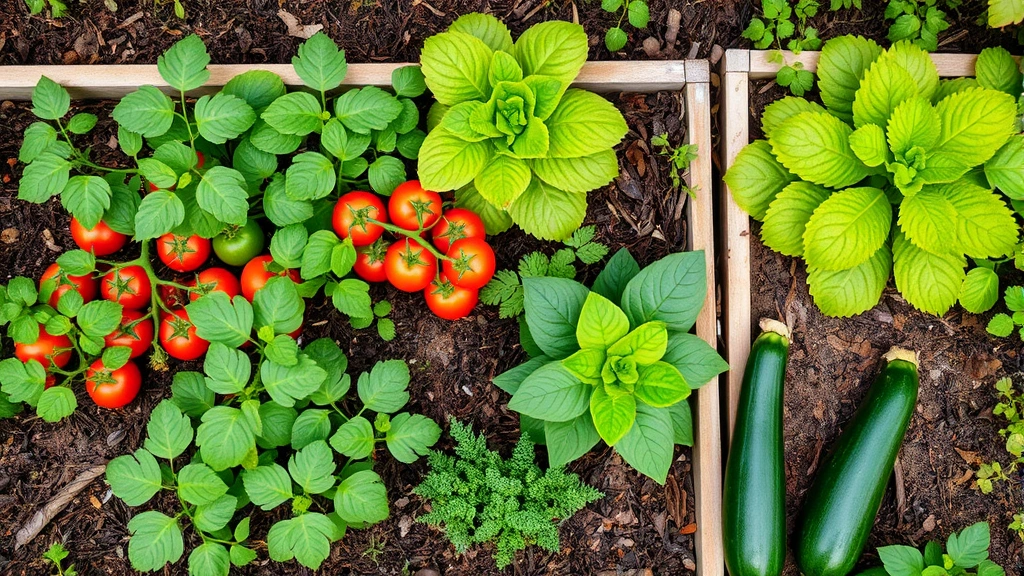
The plants you choose make or break your gardening success. Beginners should prioritize hardy, forgiving species that tolerate variable conditions. Vegetables like tomatoes, zucchini, lettuce, and peas offer excellent returns for minimal effort. Herbs like basil, parsley, and mint thrive in containers and ground plantings alike.
Match plant selections to your growing conditions. Full-sun lovers like peppers and eggplant struggle in shade. Shade-tolerant plants like lettuce and spinach actually prefer afternoon shade in hot climates. Check plant tags and seed packets for light requirements, mature size, spacing, and days to maturity. This information prevents overcrowding and disappointment.
Consider your climate zone using the USDA Plant Hardiness Zone Map. Choose perennials rated for your zone to ensure they survive winter. Annuals complete their entire life cycle in one season, while perennials return year after year, requiring different planning approaches.
Start with five to seven plant varieties rather than overwhelming yourself with dozens. Success with a manageable selection builds confidence and skill, making expansion natural and enjoyable. Visit local botanical gardens for inspiration and to see plants thriving in your region.
Planting Techniques
Proper planting technique significantly impacts plant establishment and growth rates. Dig planting holes slightly wider than the root ball, ensuring the plant sits at the same depth it occupied in its nursery container. Planting too deep suffocates roots; planting too shallow exposes them to drying.
Gently loosen root-bound plants by hand, encouraging roots to extend into surrounding soil. Backfill with amended soil, firming gently to eliminate air pockets without compacting. Water thoroughly after planting to settle soil and eliminate air gaps around roots. Mulch around plants with two to three inches of organic material, keeping mulch several inches away from stems to prevent rot and pest issues.
Space plants according to their mature size, not their current size. Crowding plants reduces air circulation, promotes disease, and creates competition for water and nutrients. Consider the plant’s growth habit—spreading, upright, or cascading—when determining placement. Proper spacing from the beginning prevents the frustrating task of moving established plants later.
Timing matters tremendously. Plant cool-season crops like lettuce and peas in early spring or fall. Plant warm-season crops like tomatoes and peppers only after all frost danger passes. Check your local frost dates to optimize planting timing for your region.
Watering and Maintenance
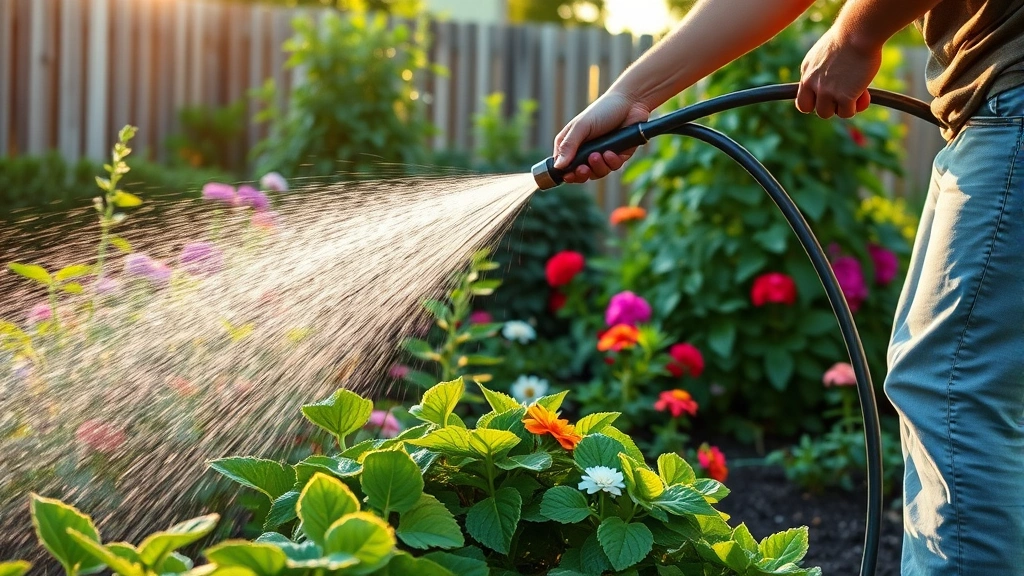
Inconsistent watering causes more garden failures than any other factor. Most plants need one to two inches of water weekly, either from rainfall or supplemental irrigation. Water deeply and less frequently rather than shallow daily watering, encouraging deep root development that improves drought tolerance.
Water early morning when possible, allowing foliage to dry quickly and reducing fungal disease risk. Drip irrigation and soaker hoses deliver water directly to soil, reducing waste and leaf wetness. Mulch conserves soil moisture, moderates temperature, and suppresses weeds—a triple benefit that reduces maintenance significantly.
Monitor plants regularly for signs of stress, pests, or disease. Early intervention prevents small problems from becoming major issues. Remove dead leaves and flowers, supporting plant energy redirection toward growth and production. Stake or trellis plants that need support, preventing damage from wind or heavy fruiting.
Weeding becomes easier when done regularly and when soil is moist. Remove weeds completely, including roots, to prevent regrowth. Mulch suppresses weed germination, reducing weeding frequency substantially. Consistent maintenance prevents overwhelming tasks and keeps your garden looking attractive throughout the season.
Seasonal Gardening Tips
Spring brings opportunity and rapid growth. As soil warms, plant tender annuals and warm-season vegetables. Divide and transplant perennials, prune winter-damaged growth, and refresh mulch layers. Monitor for emerging pests as insects awaken from dormancy.
Summer demands consistent watering as heat stresses plants. Deadhead spent flowers to encourage continued blooming. Harvest vegetables regularly to promote production. Provide shade for cool-season crops struggling in intense heat. Watch for heat-stressed plants showing wilting despite adequate moisture.
Fall offers ideal planting conditions in many regions as temperatures cool. Plant spring-blooming bulbs, establish cool-season crops, and divide overcrowded perennials. Reduce watering as cooler temperatures lower evaporation rates. Collect fallen leaves for composting or using as mulch.
Winter varies dramatically by region. In cold climates, protect tender plants, drain irrigation systems, and plan next season’s garden. In mild climates, plant winter vegetables and maintain dormant perennials. Use quiet months for tool maintenance, soil amendment preparation, and garden planning.
FAQ
What’s the best time to start a garden?
Spring and fall offer ideal conditions in most regions. Spring provides warmth for growth; fall offers cool temperatures and moisture. However, you can garden year-round by selecting season-appropriate plants. Container gardening allows starting anytime, anywhere.
How much space do I need for a productive garden?
Even a four-by-eight-foot raised bed produces substantial vegetables for a family. Containers on a sunny patio work wonderfully. Vertical gardening maximizes production in minimal space. Start small and expand as you gain experience and confidence.
Can I garden without a sunny location?
Absolutely. Shade-tolerant plants like lettuce, spinach, kale, and herbs like mint and parsley thrive in partial shade. Hostas, ferns, and shade-loving perennials create beautiful displays. Match plants to your light conditions for best results.
What should I do about garden pests?
Prevention through healthy soil, proper spacing, and regular monitoring prevents most pest problems. Remove affected leaves, use hand-picking for larger pests, and encourage beneficial insects. Organic solutions like neem oil or insecticidal soap address persistent issues while protecting pollinators.
How do I know if my garden is getting enough water?
Stick your finger two inches into soil—if it feels dry, water thoroughly. Most plants show wilting when stressed by drought. Consistent watering prevents this stress. Mulch helps retain moisture and reduces watering frequency.
When should I fertilize my garden?
Incorporate compost and organic matter before planting to establish baseline fertility. Side-dress growing plants with compost mid-season or use balanced organic fertilizers according to package directions. Avoid over-fertilizing, which promotes excessive foliage at the expense of flowers and fruits.


