Garden Design Tips: Landscape Architect Insights
Creating a beautiful and functional garden requires more than just planting flowers and hoping for the best. Professional landscape architects spend years mastering the art and science of garden design, combining aesthetic principles with practical horticultural knowledge. Whether you’re working with a sprawling backyard or a compact urban space, understanding fundamental design concepts can transform your outdoor area into a cohesive, thriving landscape that reflects your vision and supports healthy plant growth.
The foundation of exceptional garden design lies in thoughtful planning and strategic visualization. Before digging a single hole or purchasing plants, experienced designers sketch their ideas, considering how sunlight moves across the space, how water flows during rain, and how different elements interact throughout the seasons. This article explores professional techniques that you can apply to your own garden, starting with the essential skill of drawing for garden planning and progressing through design principles that ensure both beauty and functionality.
Why Drawing for Garden Design Matters
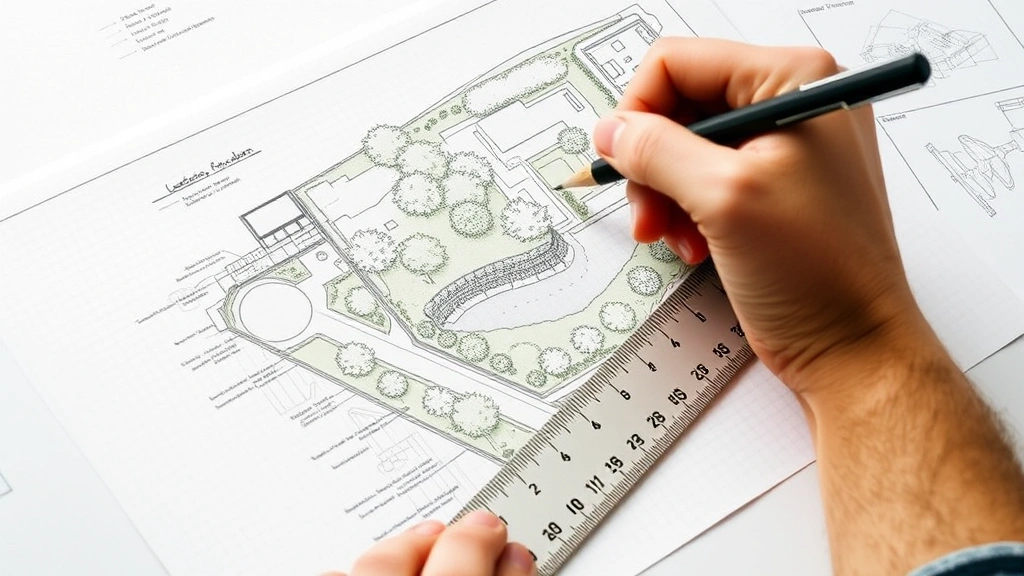
Drawing for garden planning serves as your blueprint for success, allowing you to visualize the finished landscape before investing time and money. Professional landscape architects always begin with drawings because this process forces you to make intentional decisions rather than impulse purchases. When you sketch your garden, you can experiment with different layouts, identify potential problems, and ensure that all elements work together harmoniously.
The act of drawing slows down your thinking process and encourages careful observation. You’ll notice sight lines from your kitchen window, identify areas that stay shaded all day, and recognize where water naturally collects. This information becomes invaluable when selecting plants and positioning features. A simple drawing also serves as a communication tool if you’re working with contractors, plant specialists, or other professionals who need to understand your vision.
Many gardeners skip the drawing phase and proceed directly to planting, only to discover that their layout doesn’t work once everything is in the ground. Trees block views, shade-loving plants wilt in unexpected sun, and pathways create awkward traffic patterns. By investing just a few hours in drawing, you can avoid months of frustration and costly corrections. Your drawing becomes a living document that evolves as your garden matures and your needs change.
Essential Tools and Techniques
You don’t need expensive software or advanced artistic skills to create effective garden drawings. Start with basic materials: graph paper, a pencil, a ruler, and an eraser. Many landscape architects still prefer hand-drawn sketches because they encourage creativity and allow for quick iterations. If you prefer digital tools, free options like Google Sheets, Canva, or even basic drawing apps on your tablet work wonderfully.
Begin by measuring your garden space accurately. Use a measuring tape to determine the length and width of your yard, noting the location of existing structures like the house, garage, fences, and mature trees. Measure from multiple points to ensure accuracy. Choose a scale that works for your space—for example, one quarter inch on paper might represent one foot in your actual garden. This proportional approach ensures that your drawing reflects reality.
Mark important features on your base drawing: the direction of north, existing trees and shrubs, windows and doors, utility lines, and areas of sun and shade throughout the day. Document seasonal changes—note which areas flood during spring or dry out in summer. Include views you want to enhance and eyesores you want to screen. This comprehensive base map becomes the foundation for all your design decisions.
When drawing garden features, use simple symbols: circles or ovals for trees, squares for shrubs, and wavy lines for water features. Create a legend explaining your symbols. Draw pathways with parallel lines and indicate hardscape materials with different shading or patterns. Label plant species, dimensions, and bloom times. This detailed drawing becomes a reference guide during installation and planting phases.
Understanding Your Space
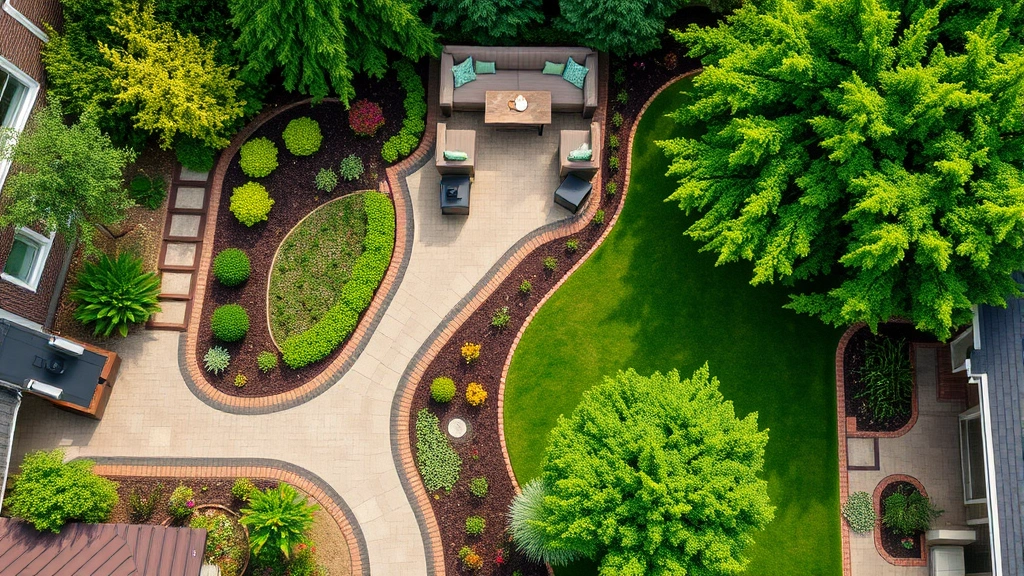
Before you can design effectively, you must truly understand your garden’s unique characteristics. This goes beyond basic measurements to include microclimate conditions, soil composition, and existing infrastructure. Professional landscape architects spend significant time observing a space across different seasons and times of day before proposing any designs.
Sunlight patterns are crucial for plant selection and feature placement. Observe your garden at dawn, midday, and dusk, noting which areas receive full sun (six or more hours), partial shade (three to six hours), or full shade (less than three hours). Remember that shade patterns shift seasonally—an area shaded by deciduous trees in summer might be sunny in spring. This understanding helps you select appropriate plants and position seating areas where they’ll be comfortable.
Evaluate soil conditions by observing how water behaves. After rainfall, note where puddles form, where water drains quickly, and where it seems to disappear slowly. Poor drainage areas need either amended soil or moisture-loving plants. Perform a simple soil test to determine pH and texture. Different plants thrive in different conditions, so understanding your soil informs all subsequent plant selection decisions.
Consider existing vegetation carefully. Mature trees provide valuable shade and structure, while established shrubs can anchor your design. However, some plants may need removal or relocation. When planning your vegetable garden layout, ensure it receives adequate sunlight away from tree root competition. Understanding what’s already growing helps you build upon existing strengths rather than fighting against established conditions.
Design Principles That Work
Professional landscape architects apply consistent design principles that create visually appealing and functional spaces. These principles transcend style preferences and work across various garden types and climates. Understanding and applying these concepts elevates garden design from random plant placement to intentional composition.
Balance creates visual harmony through either symmetrical or asymmetrical arrangement. Symmetrical balance—mirroring elements on either side of a central axis—feels formal and structured. Asymmetrical balance—distributing visual weight unevenly but maintaining equilibrium—feels more natural and dynamic. Most contemporary gardens use asymmetrical balance, which feels less rigid while maintaining cohesion.
Rhythm guides the eye through the garden using repetition and variation. Repeat plant colors, textures, or forms at intervals to create visual continuity. Vary the size and spacing to maintain interest. A common technique involves repeating the same plant species in groups of three, five, or seven throughout the garden, creating a visual thread that ties different areas together.
Proportion and scale ensure that elements relate appropriately to one another and to the overall space. A tiny plant in a vast garden looks lost, while an oversized structure in a small space feels overwhelming. Professional designers use the rule of thirds—dividing the space into three equal parts and placing focal points along these lines—to create pleasing proportions.
Focal points draw attention and provide visual destinations. These might include specimen trees, water features, sculpture, seating areas, or striking plant combinations. Each garden should have a primary focal point visible from the main viewing area, with secondary focal points creating interest as you move through the space. Without focal points, the garden feels aimless and lacks direction.
Color theory influences mood and perception. Warm colors (reds, oranges, yellows) feel energetic and advance visually, making spaces feel smaller. Cool colors (blues, purples, greens) feel calm and recede visually, making spaces feel larger. Professional designers often use a limited color palette—typically three to four colors plus green—to create cohesion. Consider how your color choices interact with existing structures and hardscape materials.
Creating Functional Zones
Dividing your garden into distinct functional zones ensures that the space serves multiple purposes efficiently. Professional landscape architects always identify how the space will be used before designing, then allocate appropriate areas for each function. Your zones might include entertaining spaces, quiet retreats, play areas, growing areas, and utility zones.
Entertaining zones typically connect to the house and include seating, dining, or gathering areas. These spaces should be easily accessible from the kitchen and positioned where hosts can supervise activities while remaining comfortable. Consider shade for summer entertaining and wind protection for cooler seasons. Garden decor elements enhance these spaces while supporting the overall design aesthetic.
Growing zones for vegetables, herbs, or flowers need adequate sunlight and convenient access for maintenance. When planning your vegetable garden layout, position it where you can observe plants regularly and respond quickly to pest or disease issues. Consider water access and proximity to the kitchen if you’re growing herbs or vegetables for cooking.
Quiet retreat zones provide peaceful spaces for reading, meditation, or reflection. These areas benefit from screening that creates privacy and reduces noise from neighboring properties or street traffic. Positioning these zones away from main pathways and activity areas enhances their sense of sanctuary. Use plants, structures, or topography to create visual separation.
Utility zones house necessary but less attractive elements: compost bins, garden tool storage, rain barrels, or mechanical equipment. Screen these areas from main viewing points using fencing, hedges, or strategic plant placement. Your drawing should clearly identify these zones so you can plan screening and access thoughtfully.
Connect zones using pathways that create logical flow and encourage exploration. Pathways should be wide enough for comfortable walking (three to four feet minimum) and constructed from durable materials appropriate to their use. Curved pathways feel more natural and make small gardens appear larger than straight paths.
Seasonal Considerations
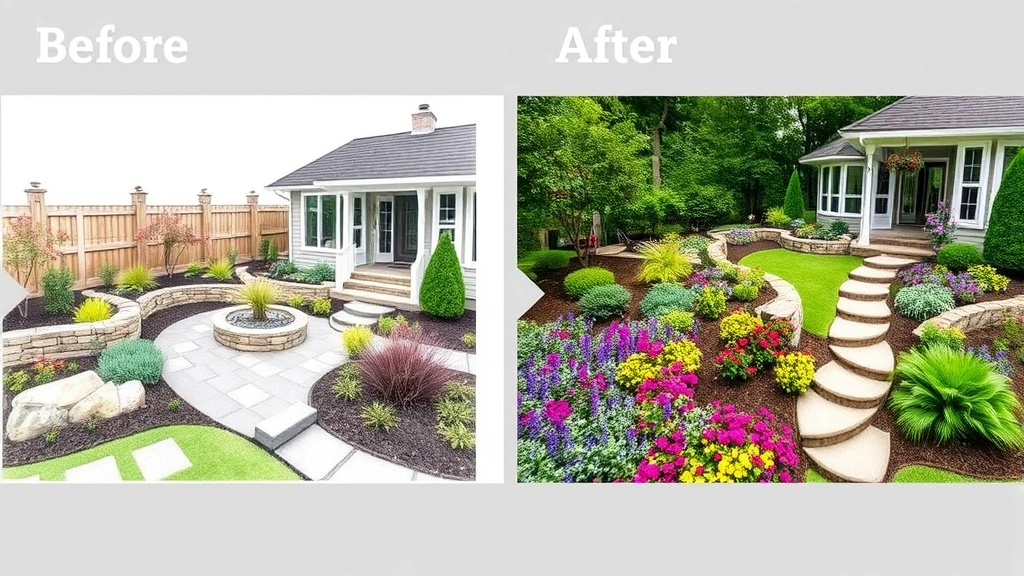
Exceptional garden design considers how the space functions and appears throughout all seasons. A garden that looks spectacular in spring but becomes dull by July disappoints over the long term. Professional landscape architects incorporate plants that provide interest across seasons through varying bloom times, foliage colors, bark texture, or persistent seed heads.
Winter interest comes from evergreen plants, colorful bark, persistent fruits or seed heads, and hardscape elements. Consider including trees with striking winter bark like birch or paperbark maple, evergreen shrubs for structure, and ornamental grasses that remain attractive when frosted. Hardscape materials become more prominent in winter, so choose quality paving and edging that looks good year-round.
Spring awakening brings bulbs, early bloomers, and fresh foliage. Plan for sequential blooming by selecting plants with staggered bloom times. Early spring bulbs give way to spring perennials, which transition to early summer bloomers. This planning ensures continuous color rather than a brief spectacular display followed by months of green monotony.
Summer abundance provides the most obvious gardening opportunities, but plan for heat stress and drought. Select heat-tolerant plants, include shade structures for people, and ensure adequate irrigation. Many gardens peak in summer but then decline as plants struggle with heat and water stress. Choose resilient plants suited to your climate and water availability.
Fall color and texture extend the garden season beautifully. Trees with reliable fall color, late-blooming perennials, and ornamental grasses create visual interest. Plan for fall cleanup thoughtfully—leaving some seed heads and dried foliage provides winter interest and supports wildlife, while maintaining a neat appearance where needed.
Integrating Hardscape Elements
Hardscape—the non-plant elements of your garden including paving, walls, fences, and structures—provides structure, functionality, and visual interest. Professional designers view hardscape as equally important to plants in creating successful gardens. Well-designed hardscape provides framework that plants enhance rather than replace.
Pathways serve both functional and aesthetic purposes. Beyond enabling movement, pathways create sight lines, define spaces, and influence how people experience the garden. Curved pathways feel more natural and make small gardens appear larger. Straight pathways feel formal and create clear directional flow. Material choices affect both aesthetics and functionality—gravel feels informal and allows water infiltration, while paving creates a finished appearance.
Seating areas become outdoor rooms where people actually spend time. Comfortable seating positioned to enjoy views, shade, or social interaction transforms a garden from a visual display into a lived space. Consider sight lines when positioning seating—you want to observe the garden’s best views and any activity in the space.
Vertical elements like arbors, trellises, and walls add dimension and create visual interest. These structures support climbing plants, provide shade, and screen undesirable views. When integrated thoughtfully with your drawing for garden design, vertical elements create rooms within the larger landscape.
Water features—whether fountains, ponds, or streams—add sensory interest through sound and movement. Water attracts wildlife and creates focal points. However, water features require maintenance and careful placement to function properly. Consider water source, drainage, and seasonal changes when planning water features.
Plant Selection Strategy
Plant selection should follow, not precede, your garden design framework. Many gardeners purchase plants impulsively, then struggle to incorporate them into a cohesive design. Professional landscape architects select plants based on specific design criteria: function, climate suitability, size at maturity, bloom time, color, texture, and maintenance requirements.
Start with structural plants—typically trees and larger shrubs—that provide the garden’s framework. These plants should be selected for their mature size, form, and year-round appearance. A specimen tree becomes a focal point, while backdrop shrubs provide screening and structure. Once structural plants are established, infill plantings of smaller shrubs and perennials complete the design.
Consider plant texture carefully. Combining fine-textured plants (like Japanese maple or ornamental grasses) with bold-textured plants (like hostas or large-leaved shrubs) creates visual interest. All fine textures feel scattered and insubstantial, while all bold textures feel heavy and chaotic. A balance between extremes creates pleasing composition.
When you’re ready to expand your garden, understanding how to propagate plants can help you multiply favorite specimens economically. This knowledge also helps you establish new plantings that match your existing design aesthetic.
Select plants adapted to your climate and site conditions. A plant perfectly suited to your light, soil, and moisture conditions requires minimal maintenance and thrives reliably. Fighting against site conditions through excessive supplemental water, fertilizer, or pruning wastes resources and rarely produces satisfying results. Regional extension services can recommend appropriate plants for your specific area.
Consider maintenance requirements realistically. Some plants demand regular pruning, staking, or pest management. Others thrive with minimal intervention. Understanding your actual maintenance capacity ensures that your garden remains beautiful rather than becoming an overwhelming burden. Professional designers often recommend low-maintenance plants that provide substantial visual impact with minimal fuss.
If you’re incorporating edible landscapes, research how to grow blueberries in containers and other productive plants that also provide ornamental value. Many edible plants offer beautiful foliage, flowers, or form alongside their productive benefits, allowing you to create gardens that are simultaneously functional and beautiful.
For those concerned with wildlife protection, learn strategies like how to keep rabbits out of garden that don’t compromise your overall design aesthetic. Protective measures can be integrated thoughtfully into your landscape plan rather than appearing as afterthoughts.
Native plants deserve special consideration in contemporary garden design. These plants evolved in your region and typically thrive with minimal supplemental water or fertilizer once established. Native plants also support local wildlife, creating gardens that function as ecological assets. Many beautiful native plants rival exotic specimens in ornamental value while requiring less maintenance.
FAQ
How do I start drawing for my garden if I have no artistic experience?
Begin with graph paper and basic measurements of your space. Sketch your house, existing trees, and major features to scale using simple shapes. You don’t need artistic talent—accurate representation matters more than beautiful drawings. Many free online tools and templates can also help if you prefer digital options.
What’s the most important element to include in garden design drawings?
Sunlight patterns are typically most important because they determine what plants will thrive in each location. Mark sunny, partially shaded, and fully shaded areas on your drawing, then select plants appropriate to each condition. This single factor prevents more garden problems than any other consideration.
Should I hire a professional landscape architect for my garden design?
Professional designers bring valuable expertise, especially for complex spaces or major renovations. However, you can apply professional principles yourself for smaller projects or updates. Many landscape architects offer consultation services where they review your ideas and provide guidance without designing the entire project.
How detailed should my garden design drawing be?
Your drawing should be detailed enough to guide installation and planting decisions. Include plant species names, spacing, bloom times, and mature sizes. However, it doesn’t need to be a work of art. Functional clarity matters more than aesthetic polish. Update your drawing as your garden evolves.
Can I implement my garden design all at once or should I phase it?
Phasing implementation often works better than attempting everything simultaneously. Budget constraints, physical demands, and plant establishment timelines make phasing practical. However, having a complete design ensures that individual phases work together cohesively rather than creating disconnected improvements.
How often should I revise my garden design?
Your design should evolve as your garden matures and your needs change. Major revisions every five to ten years keep your garden fresh while maintaining overall coherence. Small adjustments each season allow for continuous refinement. Successful gardens grow and change with their owners.


