
Visit Desenzano del Garda: Gardener’s Paradise Tips
Desenzano del Garda, nestled on the southern shore of Italy’s largest lake, represents one of Europe’s most captivating destinations for gardening enthusiasts. This charming Lombardy town combines Mediterranean climate advantages with centuries of horticultural tradition, creating an ideal environment for both learning advanced gardening techniques and discovering plants perfectly suited to warm, temperate zones. Whether you’re a seasoned gardener seeking inspiration or a beginner looking to start your green journey, Desenzano del Garda offers unparalleled opportunities to expand your botanical knowledge while enjoying stunning lakeside scenery.
The region’s unique position between the Alps and the Mediterranean creates a microclimate that allows cultivation of plants typically found in much warmer regions. The lake itself moderates temperatures year-round, protecting tender perennials and enabling successful cultivation of citrus, olives, and exotic ornamentals. This guide explores the gardening treasures of Desenzano del Garda, offering practical tips for visiting gardeners and insights into replicating its horticultural success at home.
Climate Advantages and Growing Conditions
Desenzano del Garda benefits from a continental Mediterranean climate modified by Lake Garda’s thermal mass. This unique positioning creates growing conditions that allow gardeners to cultivate a broader palette of plants than possible in most northern European locations. Winter temperatures rarely drop below freezing, with average lows around 32°F (0°C) in January, while summer highs reach comfortable 77°F (25°C) in July.
The lake’s water acts as a massive thermal regulator, absorbing heat during summer and releasing it during winter. This phenomenon, called the lake effect, creates microclimates particularly favorable along the waterfront. Gardeners visiting Desenzano will notice that many private gardens feature frost-sensitive plants thriving outdoors year-round, something impossible in regions lacking such climatic protection.
The area receives approximately 800-900mm of annual precipitation, distributed relatively evenly throughout the year, with slightly higher rainfall during autumn and spring months. Humidity levels remain moderate, reducing fungal disease pressure compared to more tropical climates. Soil composition varies from gravelly deposits near the shoreline to richer clay-based soils in inland areas, requiring assessment before planting.
Understanding these conditions helps gardeners replicate Desenzano’s success at home. If you live in USDA hardiness zones 8-10, you can successfully grow many plants observed here. Gardeners in colder zones should focus on seasonal plantings and container gardening for tender perennials, bringing them indoors during winter months.
Historic Gardens Worth Visiting
Desenzano del Garda hosts several exceptional gardens that showcase centuries of horticultural development. The Villa Romana, an archaeological site featuring reconstructed Roman gardens, provides fascinating insights into ancient Mediterranean gardening practices. Roman gardeners cultivated herbs, vegetables, and ornamentals using techniques that remain relevant today, including strategic water management and microclimate optimization.
The town’s waterfront promenade features meticulously maintained public gardens demonstrating contemporary landscape design principles. These spaces showcase successful plant combinations, hardscape integration, and seasonal color schemes worth studying. Local municipal gardeners maintain these areas with minimal chemical inputs, relying instead on plant selection, proper spacing, and cultural practices—an approach increasingly popular among sustainable gardeners worldwide.
Private villa gardens scattered throughout the region, while not always open to the public, reveal the depth of horticultural tradition. Many feature heritage olive trees, citrus groves, and Mediterranean perennials maintained for generations. Visiting during spring (April-May) or autumn (September-October) offers opportunities to observe gardens during peak blooming periods.
Several local horticultural organizations occasionally host garden tours. Contacting the Gardens of Tuscany tourism board or the Brescia Province tourism office can provide current information about accessible gardens and organized visits.

Mediterranean Plants Thriving Here
The plant palette of Desenzano del Garda reflects Mediterranean horticultural traditions refined over centuries. Olives represent the region’s most iconic plant, with ancient specimens still producing fruit. These trees thrive in the local climate and demonstrate remarkable longevity when properly maintained. If you’re interested in plant propagation techniques, olive trees offer excellent opportunities for semi-hardwood cuttings taken during late summer.
Citrus cultivation flourishes here, with lemon, orange, and grapefruit trees producing abundant fruit. The microclimate allows many gardeners to maintain citrus outdoors year-round, though container cultivation remains popular for tender varieties. Citrus requires well-draining soil, consistent moisture during growing season, and protection from harsh winter winds—conditions readily available along Desenzano’s protected shoreline.
Aromatic herbs represent another crucial component of local gardens. Rosemary, lavender, thyme, oregano, and marjoram grow vigorously, tolerating the region’s dry summers and moderate winters. These plants provide both culinary and ornamental value. If you’re considering growing mint in containers, similar techniques apply to other Mediterranean herbs, though mint requires more moisture than rosemary or lavender.
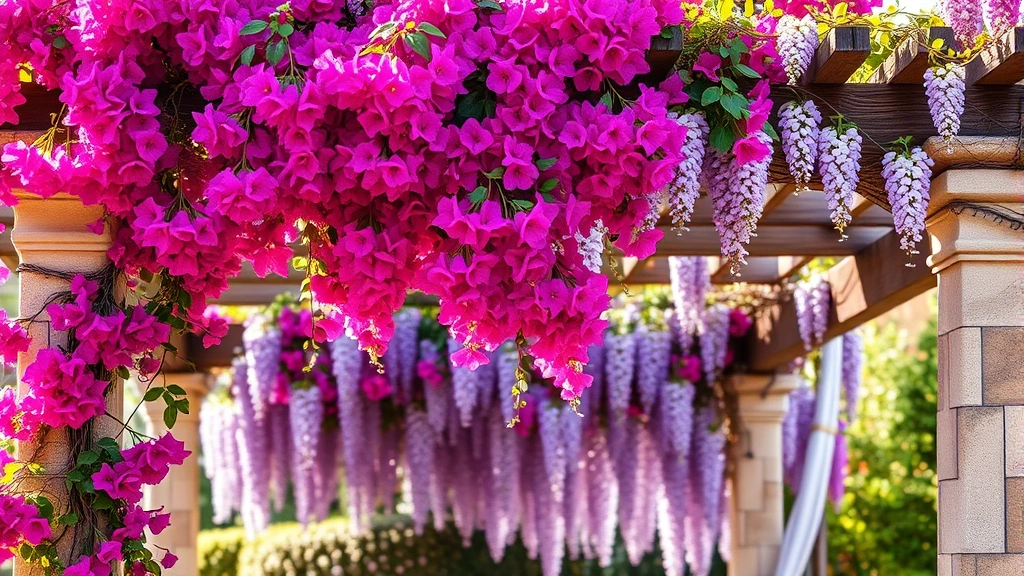
Flowering perennials dominate many ornamental gardens. Agapanthus, with its striking blue spherical blooms, thrives in local conditions. Bougainvillea cascades over walls and pergolas, offering vibrant magenta, pink, or orange flowers. Hibiscus, both tropical and hardy varieties, produces impressive blooms throughout the growing season. These plants demonstrate that achieving beautiful flower garden ideas is entirely achievable in Mediterranean climates.
Ornamental grasses, including Miscanthus and Cortaderia, create textural interest and movement. Bamboo species, while requiring careful management to prevent invasiveness, offer architectural elements in many local gardens. Deciduous and evergreen shrubs provide structure and seasonal interest, with many flowering varieties contributing color beyond the growing season.
Climbing plants exploit vertical space effectively. Clematis, jasmine, wisteria, and climbing roses adororn walls, pergolas, and trellises throughout the region. These plants maximize limited garden space while creating overhead shade and visual interest. Visiting gardeners should note how local gardeners train and prune these vigorous growers to maintain desired forms.
Local Plant Markets and Nurseries
Desenzano del Garda hosts several excellent plant nurseries offering both common and unusual varieties suited to Mediterranean conditions. The weekly farmer’s market, typically held on Saturday mornings, features local plant vendors alongside produce sellers. This represents an ideal opportunity to source rare varieties unavailable through standard commercial channels.
Visiting during spring (March-May) provides access to the widest plant selection, as local nurseries stock seasonal bedding plants, perennials, and shrubs. Autumn (September-October) offers excellent opportunities for planting permanent landscape features, as cooler temperatures and increased rainfall support establishment of woody plants and perennials.
Local nursery owners possess extensive knowledge about plant performance in the region’s specific conditions. Engaging them in conversation yields valuable insights about plant selection, cultural requirements, and seasonal care practices. Many English-speaking nursery staff can provide guidance in multiple languages, facilitating communication for international visitors.
Purchasing locally grown plants offers significant advantages. Plants acclimated to Desenzano’s conditions adapt more readily to home gardens in similar climates. Additionally, supporting local businesses strengthens the community’s horticultural infrastructure, ensuring continued availability of quality plant material and horticultural expertise.
Seasonal Gardening Calendar
Spring (March-May): This season represents peak activity in Desenzano gardens. Temperatures moderate, rainfall increases, and daylight lengthens dramatically. Gardeners plant warm-season annuals, divide perennials, and begin intensive watering schedules. Citrus trees finish flowering, with small fruit beginning to develop. Olive trees complete dormancy, initiating new growth. Herbaceous perennials emerge from winter dormancy, creating dynamic color throughout the landscape.
Summer (June-August): Heat and relatively dry conditions characterize summer in Desenzano. Established plants thrive with minimal maintenance, though consistent irrigation becomes essential for newly planted specimens and container gardens. Many gardeners reduce fertilizer applications, allowing plants to acclimate to heat and drought stress. Deadheading flowering plants encourages continued bloom production. This period represents an ideal time to plan autumn plantings and assess which plants require repositioning or replacement.
Autumn (September-November): Cooling temperatures and increased rainfall create ideal conditions for establishing new plants. Perennials undergo dormancy transition, with foliage displaying autumn colors. Citrus fruit develops and ripens, with harvest typically occurring October through December. This season offers excellent opportunities for constructing raised garden beds for vegetable cultivation, as autumn vegetables thrive in Desenzano’s moderate temperatures.
Winter (December-February): While mild compared to northern regions, winter brings cooler temperatures and occasional frost. Tender plants require protection or relocation to sheltered microclimates. Deciduous plants enter dormancy, simplifying landscape maintenance. Winter represents an excellent time for pruning woody plants, structural improvements to garden infrastructure, and planning the upcoming season’s plantings.
Bringing Desenzano’s Garden Style Home
Replicating Desenzano del Garda’s horticultural aesthetic at home requires understanding both plant selection and design principles. The region’s gardens emphasize Mediterranean authenticity, featuring naturalistic plant groupings, strategic hardscaping, and emphasis on fragrance alongside visual appeal.
Begin by assessing your local climate and hardiness zone. USDA zones 8-10 allow cultivation of most plants observed in Desenzano. Gardeners in colder zones should focus on cold-hardy alternatives and container cultivation for tender perennials. Consult the USDA Plant Hardiness Zone Map to determine your specific growing conditions.
Select plants based on water requirements, creating drought-tolerant groupings that minimize irrigation needs. Mediterranean plants typically prefer well-draining soil and moderate to low water availability once established. This approach reduces maintenance while creating resilient, sustainable landscapes.
Incorporate hardscaping elements reflecting Mediterranean traditions. Gravel pathways, stone walls, terracotta containers, and pergolas create structure and visual interest while reducing maintenance requirements. These elements should complement rather than dominate the landscape, allowing plants to remain the primary focus.
Design with fragrance in mind. Desenzano gardens feature aromatic plants positioned near seating areas, pathways, and entryways. Lavender, rosemary, jasmine, and citrus blossoms provide sensory experiences that enhance garden enjoyment. When selecting garden gloves and tools for maintaining fragrant plants, choose materials that won’t absorb persistent odors, allowing you to fully appreciate each plant’s unique scent.
Embrace seasonal change rather than pursuing year-round color. Mediterranean gardens naturally transition through seasons, with spring flowers giving way to summer foliage and autumn color. This cyclical approach creates visual interest while reducing maintenance pressure to maintain constant bloom.
Consider establishing a Mediterranean herb garden featuring culinary and medicinal plants. These compact gardens maximize productivity while providing fresh ingredients for cooking. Many Mediterranean herbs dry exceptionally well, extending their utility beyond the growing season.
Visit botanical gardens in your region featuring Mediterranean plant collections. Institutions like the New York Botanical Garden and regional university research gardens often maintain Mediterranean plant displays, providing inspiration and educational resources for home gardeners.
FAQ
What’s the best time to visit Desenzano del Garda for gardeners?
Spring (April-May) and autumn (September-October) offer ideal conditions for garden touring and plant observation. Spring features peak bloom periods and maximum nursery inventory, while autumn provides comfortable temperatures for exploring gardens and planning seasonal plantings. Summer, while warm and sunny, brings heat stress and reduced plant diversity, though it’s excellent for observing how established plants handle drought conditions.
Can I successfully grow Desenzano plants in colder climates?
Yes, with modifications. Select cold-hardy alternatives suited to your hardiness zone, or grow tender Mediterranean plants in containers, moving them indoors during winter. Consult your local Master Gardener program for region-specific recommendations. Many universities offer horticultural extension services providing climate-appropriate plant suggestions.
How much water do Mediterranean plants require?
Once established, most Mediterranean plants tolerate dry conditions, requiring supplemental irrigation primarily during extended drought periods. Initial establishment (first growing season) requires consistent moisture to develop strong root systems. Reduce watering frequency as plants mature, allowing soil to dry between waterings. Container plants require more frequent watering than in-ground specimens due to limited soil volume.
Where can I purchase seeds or plants from Desenzano varieties?
Local nurseries ship plants internationally, though shipping restrictions and phytosanitary requirements vary by destination. Seeds from Mediterranean plants are more readily available through specialty seed companies. Research international shipping policies before purchasing, as many countries restrict living plant imports.
What soil amendments improve Desenzano-style gardens?
Mediterranean plants prefer well-draining soil with moderate fertility. Incorporate sand, perlite, or gravel into heavy clay soils to improve drainage. Add compost or aged manure to enrich poor soils, but avoid excessive nitrogen, which encourages soft, disease-prone growth. Most Mediterranean plants thrive in slightly alkaline soil (pH 7.0-8.0), though many adapt to neutral conditions.
How do I protect tender plants during winter?
Use frost cloth or burlap to wrap sensitive plants during freezing temperatures. Mulch around plant bases with 3-4 inches of organic material, extending protection to root systems. Position tender plants in south-facing microclimates near buildings or walls that absorb and radiate heat. Alternatively, grow tender plants in containers, relocating them to sheltered locations or indoors during winter.


