Growing your own herbs and vegetables inspired by global cuisines is one of the most rewarding aspects of home gardening. Whether you’re passionate about starting your gardening journey or expanding an existing plot, cultivating ingredients used in authentic Indian cooking brings both practical benefits and culinary joy. This comprehensive guide explores how to create a productive garden space dedicated to growing the essential herbs, spices, and vegetables that form the foundation of traditional Indian cuisine.
The beauty of cultivating an Indian-inspired kitchen garden lies in its versatility and accessibility. From cilantro and mint to tomatoes and peppers, most ingredients thrive in various climate zones with proper planning. By understanding seasonal timing, spacing requirements, and care techniques, you can transform your outdoor space into a source of fresh, authentic flavors year-round. This guide combines practical gardening wisdom with specific guidance for growing the plants that make Indian cooking truly special.
Essential Herbs for Indian Cooking
Cilantro (coriander leaves) stands as the cornerstone herb in Indian cuisine, appearing fresh in chutneys, salads, and as a finishing garnish. This cool-season crop prefers temperatures between 50-75°F and requires consistent moisture without waterlogging. Plant cilantro seeds directly into garden beds or containers in early spring and again in late summer for fall harvesting. The key to continuous harvests involves succession planting every two weeks, ensuring a steady supply throughout the growing season. Cilantro bolts quickly in heat, so afternoon shade becomes essential in warmer climates.
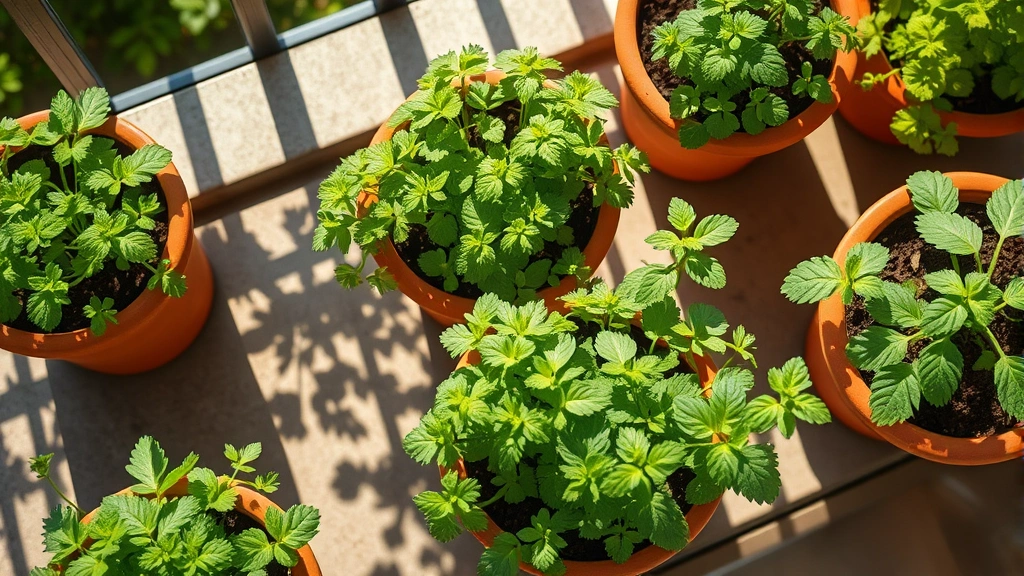
Mint varieties, particularly spearmint and peppermint, grow vigorously and serve multiple purposes in Indian cooking and beverages. These perennial plants spread aggressively through underground runners, making container cultivation the preferred method. Plant mint in pots with rich, moist soil and position them in partial shade for optimal growth. Harvest leaves regularly to encourage bushier plants and prevent flowering. A single mint plant can produce abundant foliage for months, making it an economical choice for any gardener.
Fenugreek (methi) leaves offer a distinctive bitter flavor essential to many Indian dishes. This cool-season annual grows quickly from seed, reaching harvestable size within 30-40 days. Sow fenugreek seeds directly in garden beds during spring and fall, spacing plants 6 inches apart. The tender leaves work best when harvested young, before the plant flowers. Fenugreek also fixes nitrogen in soil, improving overall garden health for subsequent plantings.
Curry leaves come from the curry leaf tree (Murraya koenigii), a tropical plant that requires warm conditions and can be grown in containers for indoor overwintering in cooler zones. This slow-growing plant develops a woody stem over time and produces aromatic leaves used extensively in South Indian cuisine. Provide bright, indirect light and well-draining soil rich in organic matter. Though establishing curry leaf plants takes patience, mature specimens provide years of fresh leaves for cooking.
Growing Vegetables for Authentic Recipes
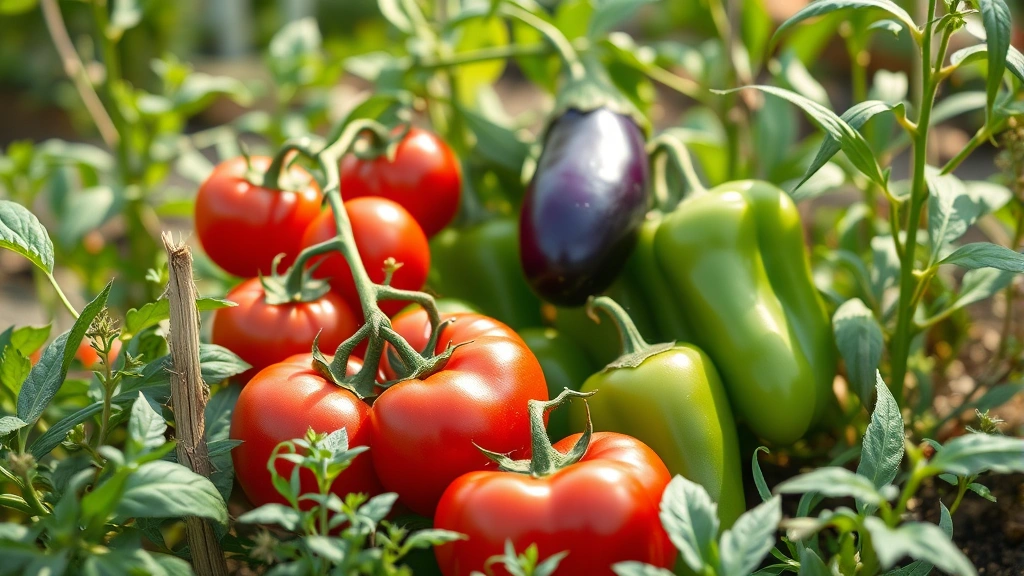
Tomatoes form the flavor base for countless Indian curries and sauces, making them essential in any culinary garden. Choose varieties suited to your climate zone, with paste tomatoes offering concentrated flavor for cooking and slicing varieties providing versatility. Plant tomatoes after the last frost date when soil temperatures reach 60°F. Space plants 24-36 inches apart in full sun with rich, well-draining soil amended with compost. Consistent watering prevents blossom-end rot, a common calcium deficiency issue. Support plants with stakes or cages as they mature, and prune suckers to direct energy toward fruit production.
Onions and garlic provide aromatic foundations for Indian cooking. Plant garlic cloves in fall for spring harvesting, spacing them 4-6 inches apart in well-prepared beds. Onions can be grown from sets or transplants, requiring about 100-120 days to maturity. Both crops prefer full sun and loose, well-draining soil. Proper spacing ensures adequate air circulation, reducing disease pressure. Harvest garlic when tops begin yellowing, and cure bulbs in a warm, dry location before storage.
Peppers, both sweet and hot varieties, thrive in warm conditions and produce prolifically when properly supported. Start seeds indoors 8-10 weeks before your last frost date, as peppers require a long growing season. Transplant into the garden after soil warms, spacing plants 18-24 inches apart. Peppers benefit from consistent moisture and regular fertilization throughout the growing season. Hand-pollinate flowers during cool springs to ensure fruit set, or introduce flowering plants nearby to attract pollinators.
Eggplant brings authentic flavor and texture to Indian vegetable curries and preparations. This heat-loving crop requires 70-85°F temperatures and full sun exposure. Start seeds indoors similarly to peppers, transplanting after soil warms completely. Space plants 18-24 inches apart and provide consistent moisture without waterlogging. Eggplant produces best with regular feeding and proper pruning to encourage bushiness and multiple harvests throughout the season.
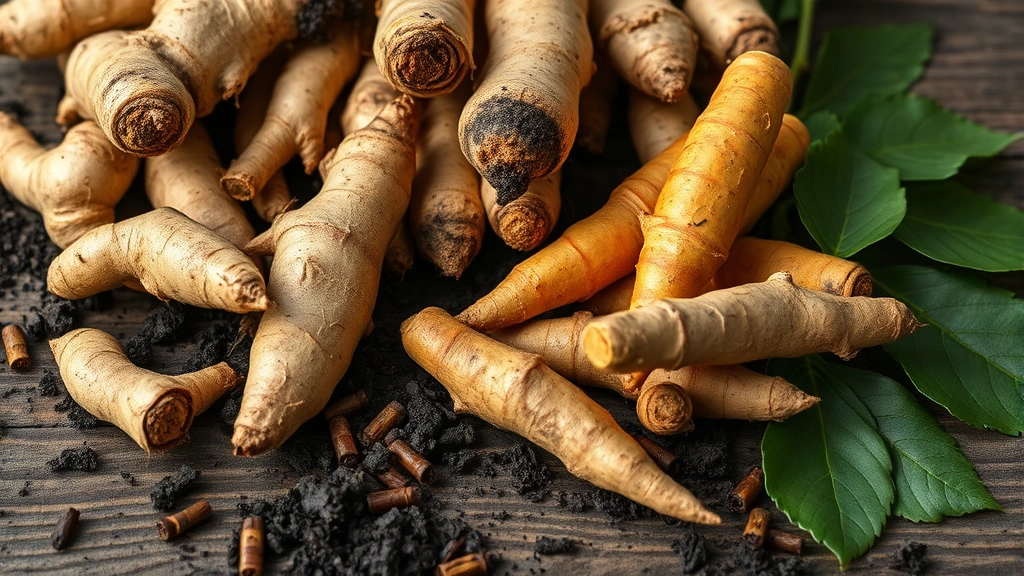
Ginger and turmeric, while slow-growing and requiring 8-10 months to mature, can be successfully cultivated in containers or garden beds in warm climates. Plant rhizomes in spring in loose, well-draining soil rich in organic matter. Keep soil consistently moist but not saturated. In cooler zones, grow these plants in large containers that can be moved indoors during winter months. Harvest rhizomes after foliage yellows in fall, carefully digging to avoid damage.
Spice Plants You Can Cultivate
Coriander (cilantro seeds) serves dual purposes in Indian cooking—fresh leaves and dried seeds for different applications. Allow some cilantro plants to mature and flower, then harvest seed heads when they turn brown. Hang bundles upside down in a dry location to finish drying, then thresh seeds from dried heads. This single plant provides both fresh herbs and spice seeds, maximizing garden productivity.
Cumin grows as an annual crop requiring warm temperatures and well-draining soil. Plant seeds directly in the garden after frost danger passes, spacing them 6 inches apart. Cumin produces delicate flowers followed by aromatic seeds. Harvest seed heads when they turn brown, dry them completely, and thresh to collect seeds. Growing cumin requires patience but rewards dedicated gardeners with authentic, freshly harvested spice.
Fennel produces both seeds and tender foliage useful in Indian cooking. This biennial plant develops a bulb at the base and feathery foliage above. Plant seeds in spring for summer harvesting or in late summer for fall production. Space plants 12 inches apart in full sun with well-draining soil. Harvest bulbs when they reach tennis-ball size for tender texture, or allow plants to mature for seed production.
Mustard seeds come from mustard plants that grow quickly in cool seasons. Plant seeds directly in garden beds in spring or fall, spacing them 6-12 inches apart depending on variety. These vigorous plants tolerate poor soil conditions and require minimal maintenance. Allow plants to mature fully, then harvest seed pods when they dry and turn brown. Thresh pods to collect seeds for cooking or grinding into fresh mustard.
Garden Layout and Space Planning
Designing an efficient vegetable garden layout ensures maximum productivity and ease of maintenance. Group plants by water and sunlight requirements, positioning shade-tolerant herbs like mint and cilantro near taller plants such as tomatoes and peppers. This arrangement maximizes light penetration while creating microclimates for plants with different needs. Dedicate a south-facing bed to heat-loving peppers, eggplants, and ginger, while reserving partial-shade areas for cilantro, fenugreek, and mint during hot months.
Implement vertical gardening techniques to maximize space efficiency in smaller yards. Train tomatoes, peppers, and cucumbers upward using trellises, stakes, or cages, freeing ground space for sprawling herbs and vegetables. Vertical arrangements improve air circulation, reduce disease pressure, and simplify harvesting. Install sturdy supports before planting to avoid damaging roots later in the season.
Create pathways between beds for easy access during watering, weeding, and harvesting. Wide beds (3-4 feet) allow you to reach the center without stepping on soil, while maintaining soil structure and preventing compaction. Raised beds offer superior drainage and allow you to customize soil composition, particularly valuable for ginger and turmeric cultivation. Line bed edges with wood, stone, or metal to define spaces and prevent soil erosion.
Incorporate garden decor elements that enhance both aesthetics and functionality. Strategic placement of trellises, arbors, and decorative stakes creates visual interest while supporting climbing plants. Consider adding seating areas near fragrant herbs like mint and curry leaves, allowing you to enjoy your garden’s sensory qualities while planning future improvements.
Seasonal Planting Schedule
Spring planting begins as soon as soil can be worked and frost danger passes. Direct sow cilantro, fenugreek, and cumin seeds while nights remain cool. Transplant tomato, pepper, and eggplant seedlings started indoors after soil warms to 60°F. Plant garlic cloves in fall for spring harvesting, and establish mint and curry leaf plants in containers. This season sets the foundation for summer productivity.
Summer maintenance focuses on consistent watering, regular harvesting, and succession planting. Continue sowing cilantro every two weeks to ensure continuous harvests through fall. Monitor tomatoes, peppers, and eggplants for pests and diseases, removing affected foliage promptly. Mulch beds heavily to retain moisture and moderate soil temperature. Harvest herbs regularly to encourage bushiness and prevent premature flowering.
Fall presents an excellent opportunity for a second round of cool-season crops. Plant cilantro, fenugreek, and mustard in late summer for fall and winter harvesting. These crops thrive in cooling temperatures and often produce superior flavor compared to spring plantings. Continue harvesting summer crops until frost, maximizing total seasonal yield. In warmer zones, fall plantings may produce through winter.
Winter gardening depends entirely on your climate zone. In mild climates, cool-season crops planted in fall continue producing through winter months. In cold zones, focus on planning next year’s garden, maintaining perennial herbs indoors, and preparing beds with compost for spring planting. Protect tender perennials like curry leaf trees and ginger plants with heavy mulch or bring containers indoors before the first frost.
Container Growing Solutions
Container gardening offers flexibility for growing Indian cooking ingredients in limited spaces, on patios, or in apartments. Choose containers at least 12 inches deep for herbs and shallow-rooted vegetables, and 18-24 inches for tomatoes, peppers, and eggplants. Ensure containers have drainage holes to prevent waterlogging and root rot. Use high-quality potting mix rather than garden soil, which compacts in containers and restricts root development.
Mint thrives in containers, where its aggressive growth can be controlled effectively. Plant single mint varieties in 5-gallon buckets or larger to prevent mixing flavors. Keep soil consistently moist but not saturated, and position containers in partial shade during hot months. Cilantro grows well in shallow containers (8-10 inches deep), allowing you to grow multiple plants in limited space. Succession plant cilantro every two weeks for continuous harvests.
For container growing techniques, combine multiple vegetables in larger containers using the principle of companion planting. Pair basil with tomatoes, or plant onions around pepper plants to maximize productivity. Use drip irrigation or soaker hoses for consistent moisture delivery, particularly important in containers that dry quickly during hot weather. Feed container plants every 2-3 weeks with balanced fertilizer to replenish nutrients leached through drainage holes.
Ginger and turmeric perform excellently in large containers (18-24 inches deep and wide), allowing you to move plants indoors before frost in cold climates. Fill containers with loose, well-draining soil rich in compost. Keep soil consistently moist during the growing season, then reduce watering as foliage yellows in fall. This method provides reliable harvests even in zones where outdoor cultivation proves challenging.
Common Challenges and Solutions
Cilantro bolting (flowering prematurely) represents the most common challenge in cilantro cultivation. Minimize bolting by providing afternoon shade, maintaining consistent moisture, and harvesting regularly. Plant cilantro in spring and fall when temperatures remain cool, avoiding summer plantings in hot climates. Select bolt-resistant varieties bred for extended harvest periods.
Powdery mildew affects many herbs and vegetables, particularly in humid conditions with poor air circulation. Prevent this fungal disease by spacing plants adequately, avoiding overhead watering, and pruning lower foliage to improve air movement. Apply neem oil or sulfur-based fungicides at first sign of white coating on leaves. Remove affected foliage promptly to prevent spread.
Pests including aphids, spider mites, and whiteflies target many Indian cooking ingredients. Monitor plants regularly, checking leaf undersides where pests congregate. Spray affected plants with insecticidal soap or neem oil, repeating as needed. Introduce beneficial insects like ladybugs and lacewings through flowering companion plants. Remove heavily infested foliage rather than attempting rescue.
Blossom-end rot in tomatoes indicates calcium deficiency or inconsistent watering. Maintain even moisture throughout the growing season, mulching heavily to moderate soil moisture levels. Ensure soil contains adequate calcium by testing before planting and amending if necessary. This condition cannot be reversed on affected fruit but proper care prevents future problems.
Ginger and turmeric rot in waterlogged soil, making drainage critical. Amend heavy clay soils with compost and perlite before planting. In areas with high rainfall, grow these rhizomes in raised beds or containers with superior drainage. Reduce watering as foliage yellows in fall, allowing plants to dry out somewhat before dormancy.
Nutrient deficiencies appear as yellowing foliage, stunted growth, or poor flowering. Address deficiencies through soil testing and targeted amendments. Apply balanced fertilizer every 3-4 weeks during the growing season, or use slow-release organic fertilizers mixed into soil at planting. Compost additions improve soil structure and nutrient availability over time, building soil health for successive plantings.
FAQ
Can I grow curry leaves in cold climates?
Curry leaf trees are tropical plants requiring temperatures above 50°F. In cold climates, grow curry leaves in large containers that move indoors before first frost. Position containers near south-facing windows to maximize light exposure during winter. This method allows cold-climate gardeners to enjoy fresh curry leaves year-round with proper care.
How long does ginger take to mature for harvesting?
Ginger requires 8-10 months to reach maturity, typically planted in spring for fall harvest. Young ginger can be harvested after 4-6 months for tender rhizomes, while mature ginger develops thicker skin suitable for storage. Foliage yellowing indicates rhizomes are ready for harvest, though timing depends on your specific climate and planting date.
What’s the best way to preserve fresh cilantro?
Fresh cilantro stores best in the refrigerator, standing upright in a glass of water covered loosely with plastic. Change water every 2-3 days for extended freshness. Alternatively, blanch and freeze cilantro in ice cube trays with water or oil for convenient portions. Dried cilantro loses much of its flavor, making fresh or frozen options preferable for authentic Indian cooking.
Can I grow peppers and tomatoes in the same bed?
Yes, peppers and tomatoes can share garden space since they have similar growing requirements—full sun, warm temperatures, consistent moisture, and rich soil. Space plants appropriately (24-36 inches for tomatoes, 18-24 inches for peppers) to prevent competition. Their different growth habits and harvest times make them compatible companions in a well-planned bed.
How often should I harvest cilantro and mint?
Harvest cilantro regularly, pinching off outer leaves to encourage bushy growth. Regular harvesting delays bolting and ensures tender leaf production. For mint, harvest from the top downward, removing 4-6 inches of stem with leaves. Frequent harvesting encourages branching and bushier plants. Both herbs produce best with consistent harvesting throughout the growing season.
What’s the ideal soil pH for Indian cooking herbs?
Most herbs and vegetables for Indian cooking prefer slightly acidic to neutral soil (pH 6.0-7.0). Test your soil before planting and amend accordingly. Add sulfur to raise acidity if pH exceeds 7.5, or add lime to lower acidity if pH drops below 6.0. Compost additions naturally buffer soil pH over time, improving overall soil health.


