Explore Daniel Stowe Botanical Garden: Visitor Guide
Daniel Stowe Botanical Garden, located in Belmont, North Carolina, stands as one of the Southeast’s premier horticultural destinations. Spanning 380 acres of meticulously maintained landscapes, this botanical haven attracts thousands of visitors annually who seek inspiration, education, and natural beauty. Whether you’re a seasoned gardener looking to expand your plant knowledge or a casual visitor seeking a peaceful retreat, Daniel Stowe offers something extraordinary for everyone.
This comprehensive visitor guide will help you navigate the garden’s diverse collections, plan your visit efficiently, and discover hidden gems throughout the property. From stunning seasonal displays to world-class plant collections, you’ll learn what makes this garden a must-visit destination for plant enthusiasts and nature lovers alike.
Getting There and Basic Information
Daniel Stowe Botanical Garden is conveniently located in Belmont, just 20 miles west of Charlotte, North Carolina. The garden’s address is 6500 South New Hope Road, making it easily accessible from major highways. If you’re traveling from Charlotte, expect approximately a 30-minute drive via I-85. The garden provides ample free parking, and the entrance facilities are welcoming and informative.
The garden operates seasonally, typically opening in April and closing in early November, though hours vary throughout the season. During peak season, the garden remains open from 9 AM to 6 PM daily, allowing visitors flexibility in planning their visit. Admission is reasonably priced, with discounts available for members, seniors, and children. The garden is fully accessible with paved pathways, making it suitable for visitors of all mobility levels.
Before arriving, check the official Daniel Stowe Botanical Garden website for current hours, special events, and any seasonal closures. The garden’s staff maintains excellent communication about special exhibitions and temporary displays that might enhance your visit. Consider following their social media accounts for real-time updates on plant collections at peak bloom.
Garden Layout and Major Collections
The 380-acre property is thoughtfully divided into distinct garden rooms, each featuring unique plant collections and design themes. Understanding the layout helps you prioritize which areas to explore based on your interests and available time. The garden’s design encourages leisurely strolls through interconnected pathways that reveal surprises around each corner.
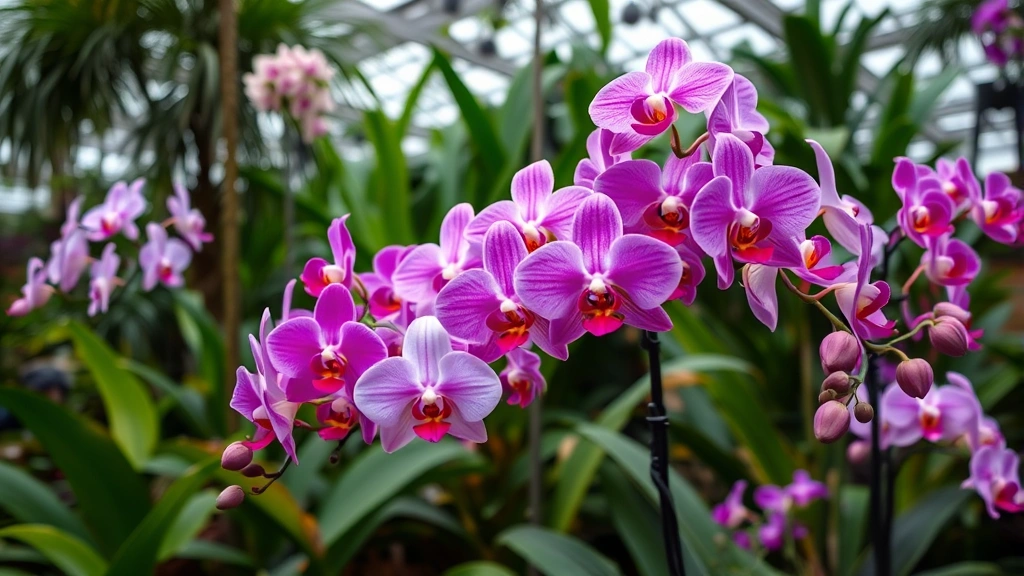
The Orchid Conservatory is arguably the garden’s crown jewel. This climate-controlled facility houses thousands of orchids representing diverse species and hybrids from around the world. The conservatory maintains perfect growing conditions year-round, making it an essential stop regardless of season. You’ll discover rare specimens, vibrant displays, and detailed plant information that educates visitors about how orchids propagate and thrive in cultivation.
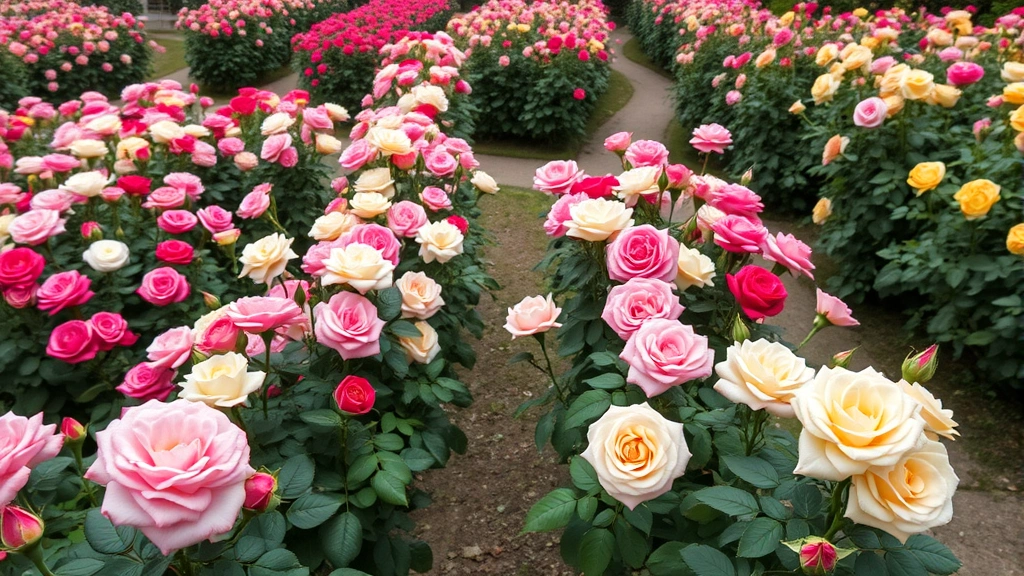
The Rose Garden showcases hundreds of rose varieties in carefully designed beds. This collection changes seasonally, with different cultivars blooming at various times throughout the growing season. The rose garden’s fragrance and color provide quintessential botanical garden experiences, and the thoughtful labeling helps visitors learn about different rose types and their characteristics.
The Perennial Garden demonstrates how gardeners can create successful garden designs using perennials. This section features tried-and-true plant combinations that work well in the Southeast’s climate. Visitors gain practical insights into plant associations, bloom times, and maintenance requirements by observing mature specimens in optimal conditions.
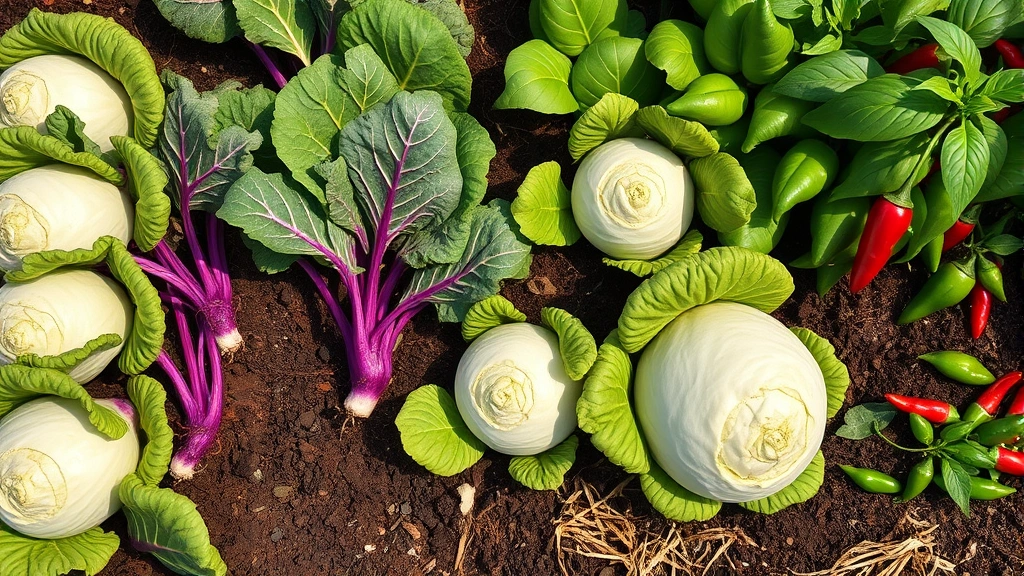
The Vegetable and Herb Gardens inspire edible gardeners with productive plantings of vegetables, herbs, and fruits. These gardens demonstrate intensive growing techniques and companion planting strategies. You’ll see examples of raised beds, vertical gardening, and succession planting that you can replicate at home, making this area particularly valuable for those interested in growing their own food.
The Native Plant Garden celebrates regional flora and educates visitors about local ecosystem relationships. This collection supports native pollinators and wildlife while showcasing the natural beauty of southeastern plant communities. Understanding native plants is crucial for creating sustainable gardens, and this section provides excellent educational resources.
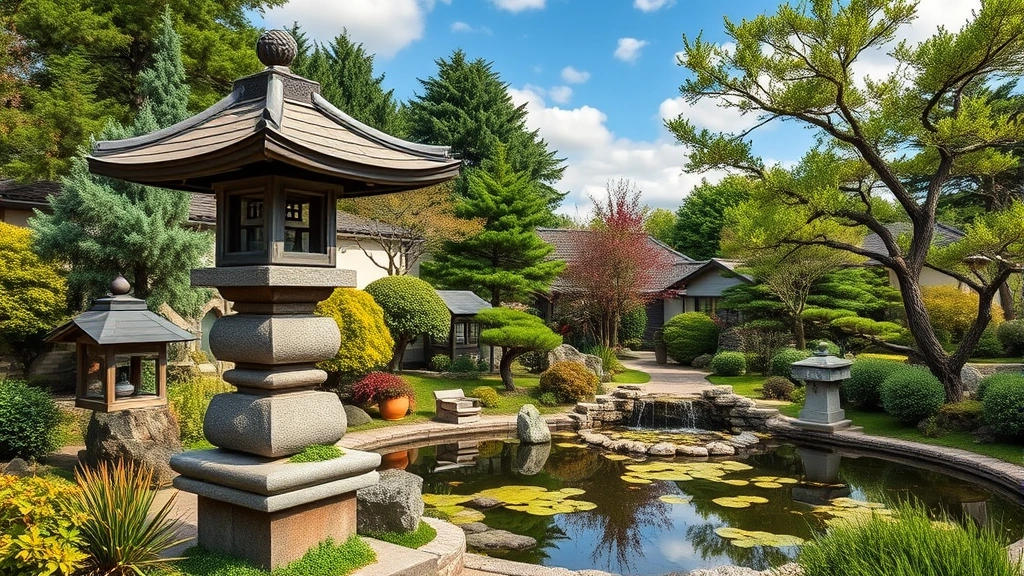
The Japanese Garden offers a contemplative space featuring traditional design principles, water features, and carefully selected plants. This intimate garden provides peaceful respite and demonstrates how horticultural design can create specific moods and atmospheres. The Japanese influence emphasizes simplicity, balance, and harmony with nature.
Seasonal Highlights and Best Times to Visit
Each season brings distinct beauty and botanical interest to Daniel Stowe. Understanding seasonal highlights helps you plan visits that maximize your enjoyment and educational value.
Spring (April-May) marks the garden’s opening and represents peak blooming season. Tulips, azaleas, and flowering trees create spectacular color displays. The mild temperatures make spring ideal for extended exploration. The perennial gardens burst into life, and the entire property feels rejuvenated. Spring is the busiest season, so arriving early helps you avoid crowds.
Summer (June-August) brings heat and humidity to North Carolina, but the garden’s diverse collections ensure continuous blooms. Roses reach peak performance, and the vegetable gardens become incredibly productive. Summer evening visits offer relief from afternoon heat, and the long daylight hours provide extended exploration time. Many summer events and special programs occur during this season.
Fall (September-October) offers cooler temperatures and the garden’s final major display before closing. Chrysanthemums and late-blooming perennials create autumnal color. The reduced heat stress allows for comfortable full-day visits. Fall provides excellent photography opportunities as changing light angles create dramatic effects throughout the property.
The garden’s opening in April and closing in early November frame the optimal growing season in the Southeast. This schedule ensures visitors experience the garden when plants are actively growing and flowering. Plan multiple visits throughout the season to witness how collections change and develop.
Educational Programs and Events
Daniel Stowe Botanical Garden serves as an educational institution, offering numerous programs designed to enhance visitor knowledge and gardening skills. These programs range from casual guided walks to intensive workshops.
Guided Tours are available throughout the season, led by knowledgeable volunteers and staff members. These tours provide deeper insights into plant collections, design principles, and horticultural techniques. Tours typically focus on specific areas or themes, allowing visitors to deepen their understanding of particular plant groups or garden design strategies.
Workshops and Classes cover practical gardening topics relevant to home gardeners. Classes address soil preparation for thriving gardens, container gardening with vegetables like cucumbers in pots, and herb cultivation including growing mint in containers. These hands-on educational opportunities help visitors apply garden knowledge to their home landscapes.
Seasonal Events create festive atmospheres and celebrate horticultural achievements. Spring plant sales offer opportunities to purchase unusual specimens while supporting the garden’s mission. Summer evening concerts provide entertainment amid beautiful surroundings. Fall festivals celebrate harvest themes and seasonal transitions.
Children’s Programs introduce young visitors to gardening and plant science through age-appropriate activities. These programs foster lifelong appreciation for plants and nature, establishing foundations for future gardening pursuits.
Photography and Special Interests
Daniel Stowe’s diverse landscapes and collections provide exceptional photography opportunities throughout the season. The garden’s thoughtful design creates natural frames and photogenic vistas at nearly every turn.
Photography Tips: Early morning light provides soft, directional illumination that flatters plants and creates dramatic shadows. Overcast days eliminate harsh contrasts and are ideal for detailed plant photography. The garden’s water features and architectural elements offer compositional anchors that enhance garden photography.
Macro Photography: The detailed plant collections reward close-up photography. Orchids, succulents, and unusual foliage plants provide intricate visual interest when photographed at magnification. Bring macro lenses to capture fine details of flower structures and plant textures.
Landscape Photography: The garden’s vistas and designed views offer opportunities for sweeping landscape compositions. The Japanese garden, rose garden, and perennial borders create naturally framed scenes that translate beautifully to photographs.
Planning Your Perfect Visit
Strategic planning ensures you maximize your Daniel Stowe experience while accommodating your interests and available time.
Duration of Visit: A quick overview requires 2-3 hours, allowing you to see major collections and enjoy the general atmosphere. A comprehensive visit exploring all areas and reading detailed plant information requires 4-6 hours. Multi-visit passes allow you to experience the garden across different seasons without time pressure.
What to Bring: Comfortable walking shoes are essential, as the 380 acres involve considerable distance. Sun protection including hats and sunscreen prevents discomfort during extended visits. Cameras capture memories and help you document plant varieties for future reference. A small notebook records plant names and growing information you want to remember.
Physical Accessibility: The main pathways are fully paved and accessible for wheelchairs and mobility devices. However, some secondary paths may be unpaved. The garden provides assistance for visitors with mobility limitations, and staff members are happy to help arrange accommodations.
Amenities and Services: The garden includes a gift shop offering plants, seeds, books, and garden-related merchandise. A café provides refreshments and light meals, allowing you to refuel during your visit. Restroom facilities are conveniently located throughout the property.
Membership Benefits: Annual memberships provide unlimited access, discounts on classes and events, and exclusive member benefits. For frequent visitors, membership quickly pays for itself while supporting the garden’s important educational and horticultural missions.
Consider visiting during special events for enhanced experiences. Plant sales in spring offer unique specimens unavailable elsewhere. Summer concerts combine entertainment with garden ambiance. Fall festivals celebrate the season while highlighting peak displays.
FAQ
What are the best months to visit Daniel Stowe Botanical Garden?
April and May offer spectacular spring blooms with mild temperatures. September and October provide comfortable fall weather and extended exploration time. June through August features peak rose season and productive vegetable gardens. Each season offers distinct beauty and educational value.
Is Daniel Stowe Botanical Garden suitable for children?
Yes, the garden welcomes children and offers family-friendly programs, interactive displays, and spacious areas for exploration. Children’s gardens and programs introduce young visitors to plants and nature in engaging ways. The paved pathways accommodate strollers, making visits convenient for families with young children.
Can I bring pets to the garden?
Pets are generally not permitted in the garden, with the exception of certified service animals. This policy protects the plant collections and ensures a peaceful experience for all visitors. Contact the garden directly regarding any specific questions about service animal accommodations.
Are there restaurants or food services at the garden?
The on-site café provides light meals, snacks, and beverages. However, the menu is limited, so consider bringing picnic items if you plan extended visits. The garden permits outside food, allowing you to enjoy meals amid beautiful surroundings.
What should I wear when visiting?
Comfortable walking shoes are essential given the extensive pathways and terrain. Dress in layers, as temperatures can vary throughout the day. Sun protection including hats and sunscreen prevents discomfort during outdoor exploration. Check the weather forecast and plan accordingly for seasonal conditions.
How much time should I plan for my visit?
Quick visits require 2-3 hours to see major collections. Comprehensive exploration of all areas typically requires 4-6 hours. Consider your interests and physical stamina when planning duration. Many visitors benefit from multiple visits across different seasons.
Are there guided tours available?
Yes, guided tours led by knowledgeable volunteers and staff are available throughout the season. Tours focus on specific collections or themes, providing deeper insights into plants and garden design. Check the garden’s website or ask at the entrance for current tour schedules and availability.
Can I use the garden for photography or videography?
Personal photography is encouraged and permitted throughout the garden. Commercial photography and videography require special permits and advance arrangements. Contact the garden’s administration regarding commercial use or large-scale photography projects.