Visit Crystal Springs Rhododendron Garden: A Garden Enthusiast’s Complete Review
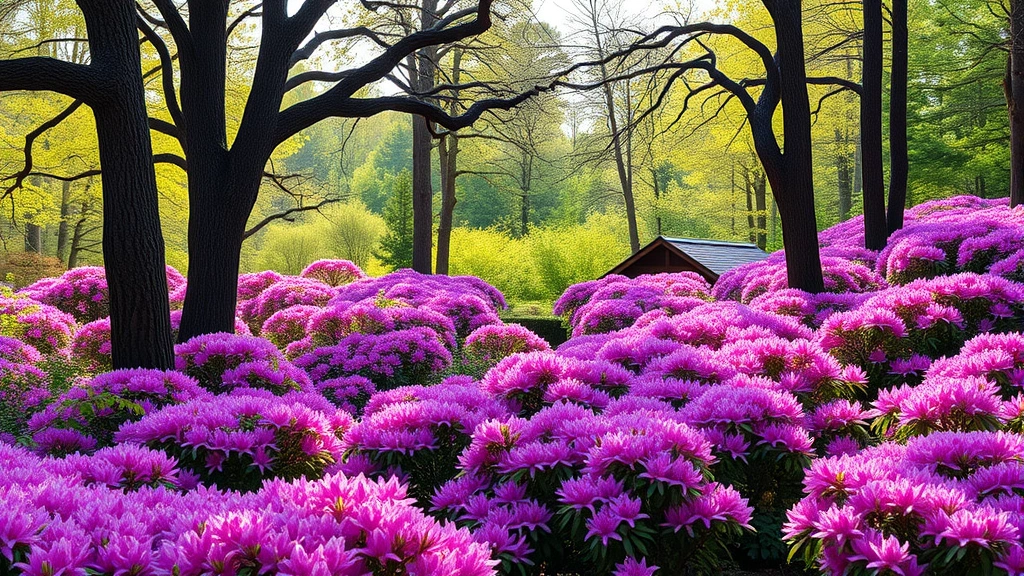
Crystal Springs Rhododendron Garden, nestled in Portland, Oregon, stands as one of the Pacific Northwest’s most spectacular botanical destinations for plant lovers and casual visitors alike. This nine-acre garden showcases over 2,500 rhododendrons and azaleas, representing more than 500 varieties that create an explosion of color from late March through June. Whether you’re a seasoned gardener seeking inspiration or someone just beginning their gardening journey, Crystal Springs offers invaluable lessons in plant cultivation, landscape design, and botanical diversity.
The garden’s commitment to horticultural excellence and public education makes it an essential pilgrimage site for anyone serious about understanding rhododendron cultivation. Walking through these carefully curated pathways reveals not just beautiful specimens, but also practical insights into soil management, companion planting, and seasonal care that directly apply to your own garden projects.
Why Crystal Springs Stands Out Among Botanical Gardens
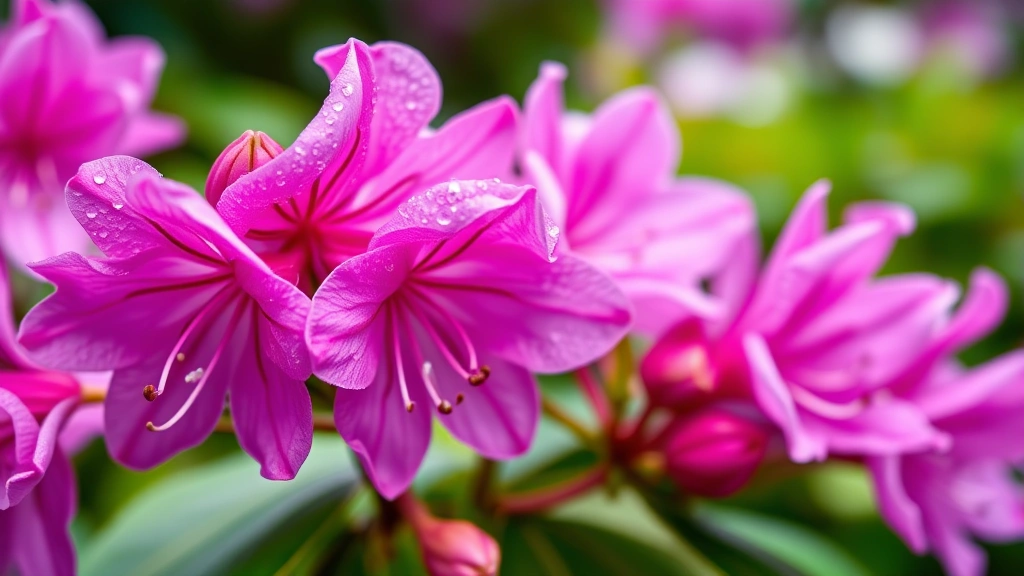
Crystal Springs Rhododendron Garden distinguishes itself through authentic horticultural focus rather than ornamental landscaping alone. The garden prioritizes plant health and authentic growing conditions, demonstrating how rhododendrons perform in the Pacific Northwest’s specific climate. This focus on real-world growing conditions makes it infinitely more valuable than gardens that showcase plants in artificially maintained environments.
The organization’s partnership with the American Rhododendron Society ensures that specimens represent legitimate cultivars and species, properly documented and maintained according to horticultural standards. This credibility matters significantly when you’re considering which varieties to introduce to your own landscape.
One remarkable aspect is how the garden demonstrates successful soil preparation techniques that directly translate to home gardens. The acidic, well-draining soil composition visible throughout the property shows exactly what rhododendrons require for optimal growth. You can observe root systems, mulching practices, and drainage solutions in action rather than reading about them in theoretical gardening texts.
The garden also maintains extensive records on specimen age, provenance, and performance metrics. This data-driven approach appeals to serious gardeners who want to understand not just how to grow plants, but why certain varieties succeed or struggle in specific conditions.
Peak Bloom Season and Seasonal Considerations
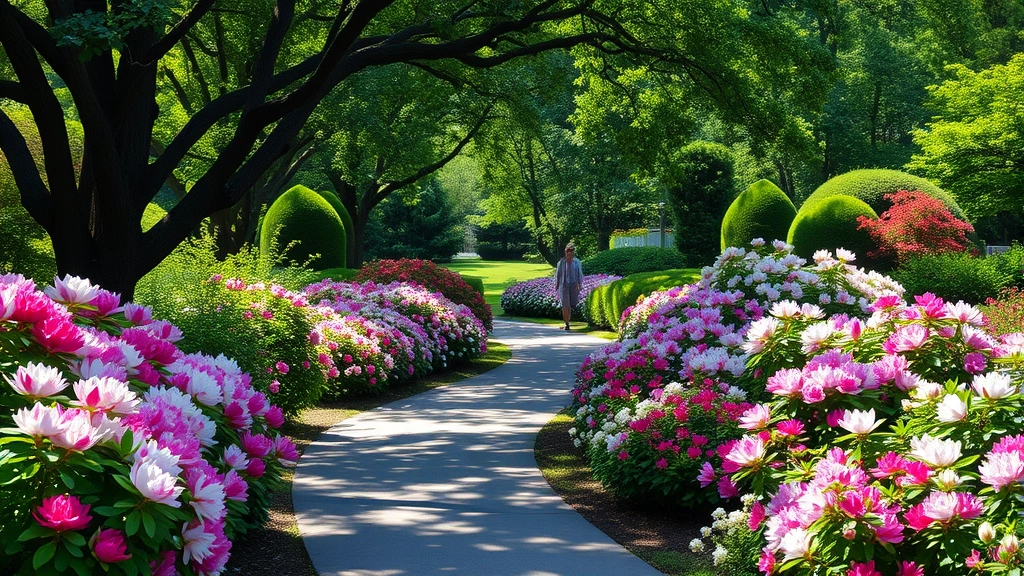
Timing your visit correctly transforms the experience from pleasant to absolutely spectacular. The peak bloom season typically runs from mid-April through mid-May, when the majority of rhododendron and azalea varieties reach full flower. During this window, you’ll encounter waves of color ranging from pure white through soft pastels to deep burgundy and vibrant reds.
However, the garden actually offers extended viewing opportunities from late March through June. Early varieties begin blooming in March, while late-season cultivars continue flowering into summer. This extended season allows multiple visits throughout spring, each revealing different specimens in their prime. Serious gardeners often visit multiple times to observe the progression and document their favorite varieties.
Spring weather in Portland means potential rain and variable temperatures during peak bloom. The moisture actually enhances the viewing experience, as wet petals display richer colors and more vibrant details. Bring appropriate footwear and rain gear—the garden’s pathways remain accessible even during light rain, and fewer crowds mean a more intimate experience.
Temperature fluctuations during spring can cause early-blooming varieties to extend their display if frost returns. Observing how plants respond to these natural conditions provides genuine lessons applicable to your home garden. You’ll understand how strategic garden design protects vulnerable specimens from late frosts.
What Makes Rhododendrons Thrive Here
The Pacific Northwest’s climate creates nearly perfect conditions for rhododendrons and azaleas. Understanding these environmental factors helps you assess whether similar varieties will succeed in your own region.
Acidic Soil Foundation: Crystal Springs’ soil pH remains consistently between 4.5 and 5.5—ideal for rhododendrons. The garden’s underlying geology and decades of amendment with organic matter maintain this acidity naturally. Home gardeners in neutral or alkaline regions must actively manage soil pH through sulfur amendments and consistent organic matter additions.
Moisture Management: The Pacific Northwest receives substantial rainfall, yet the garden’s excellent drainage prevents waterlogging. This combination of moisture availability and drainage is crucial. The garden demonstrates how proper mulching with bark chips and strategic slope work creates ideal moisture conditions. Poor drainage causes root rot, while insufficient moisture stresses plants during dry periods.
Dappled Shade Environment: Mature trees throughout Crystal Springs provide filtered sunlight rather than full sun exposure. Rhododendrons prefer this partial shade, particularly in warmer regions. The established canopy also moderates temperature extremes and reduces water loss during dry periods. If your property lacks natural shade, you may need to create it through structural elements or companion plantings.
Air Circulation: The garden’s layout ensures air movement without harsh winds. Stagnant air promotes fungal diseases, while strong winds damage flower buds and desiccate foliage. The gentle slope and open spacing between plantings facilitate this air movement naturally.
The garden’s elevation of approximately 500 feet above sea level creates cooler nighttime temperatures compared to lower Portland areas. This temperature differential extends bloom duration and maintains flower color intensity. If you live in warmer regions, select heat-tolerant varieties and provide afternoon shade.
Design Lessons for Your Own Garden
Walking through Crystal Springs reveals sophisticated design principles applicable to gardens of any size. The professionals here understand both botanical requirements and aesthetic composition.
Layered Planting Structure: The garden employs a clear vertical layering system with canopy trees overhead, mid-story shrubs, and groundcover plantings below. This approach maximizes space while creating visual depth. You can replicate this in home gardens by identifying existing trees and underplanting with shade-tolerant rhododendron varieties.
Color Sequencing: Rather than random placement, the garden sequences bloom times and colors to create continuous visual interest. Early pale varieties give way to mid-spring jewel tones, followed by late-season pastels. Planning your rhododendron selections with similar sequencing extends your garden’s peak season and creates more sophisticated visual progression.
Companion Plantings: Rhododendrons share the space with complementary plants including Japanese maples, kalmias, and shade-loving perennials. These companions provide foliage interest before and after bloom season, creating year-round garden structure. Consider what plants will fill visual space in your garden during non-bloom periods.
Hardscape Integration: Stone pathways, benches, and water features are positioned to complement rather than dominate the plantings. The hardscape creates practical access while remaining visually subordinate to the botanical displays. Evaluate how your garden’s pathways, edging, and structures support rather than compete with plant materials.
Specimen Placement: Unique or particularly valuable varieties receive prominent positioning where visitors naturally pause. This strategic placement ensures these plants receive appropriate appreciation and care attention. In home gardens, position your most prized specimens where you’ll view them frequently—near seating areas or along primary pathways.
Visitor Experience and Practical Information
Crystal Springs Rhododendron Garden operates from October through September, with peak visitation during spring bloom season. The garden charges modest admission fees, with discounts available for members of horticultural societies and students. Parking is readily available on-site, and the facilities remain accessible for visitors with mobility challenges.
The garden’s website provides current bloom status updates during spring season, helping you time your visit for peak color. Staff members and volunteer docents offer tours and can answer specific questions about varieties, cultivation techniques, and regional growing conditions.
Photography is encouraged throughout the garden, making it ideal for documenting plant varieties you’re considering for your own landscape. Take detailed photos of foliage, flower structure, and overall plant form—these reference images prove invaluable when making plant selections at nurseries.
The gift shop offers thoughtfully curated items including horticultural books, specialty tools, and seeds from featured varieties. The library section contains extensive resources on rhododendron cultivation, regional gardening, and landscape design that aren’t available in typical bookstores.
Plan to spend at least two to three hours during your visit. Many gardeners return multiple times throughout the season, each visit revealing different specimens in peak bloom. Consider bringing a notebook to record variety names, bloom times, and cultivation notes that interest you.
Rhododendron Varieties You’ll Encounter
Crystal Springs features an extensive collection representing diverse rhododendron types. Understanding the distinctions between categories helps you select appropriate varieties for your own garden conditions.
Large-Leaf Rhododendrons: These impressive specimens feature substantial foliage and dramatic flower displays. Varieties like ‘Loderi’ and ‘Cilpinense’ showcase the potential of these plants in favorable conditions. However, they require significant space and consistent moisture. They’re best suited to larger properties with established shade structures.
Small-Leaf Alpines: Compact varieties from high-elevation origins demonstrate impressive hardiness and suitability for smaller gardens. These plants thrive in cooler regions and withstand greater temperature extremes than lowland types. If you live in colder climates, these varieties offer excellent options for successful cultivation.
Deciduous Azaleas: Unlike evergreen rhododendrons, deciduous azaleas provide seasonal foliage color changes and often display more delicate flower forms. The garden’s collection demonstrates how these plants create different visual effects compared to their evergreen cousins. They’re particularly valuable for adding autumn interest to gardens.
Dwarf and Compact Forms: The garden includes numerous cultivars bred for smaller stature, making them suitable for container growing and limited spaces. Varieties like ‘Ramapo’ and ‘Wee Bee’ prove that you don’t need extensive acreage to enjoy rhododendrons. These compact forms work beautifully in container arrangements or as focal points in small gardens.
Hybrid Cultivars: Modern breeding has produced varieties combining heat tolerance, disease resistance, and superior flower characteristics. The garden’s hybrid section demonstrates contemporary developments in rhododendron breeding, helping you understand which modern varieties offer advantages over older cultivars.
FAQ
When is the absolute best time to visit Crystal Springs Rhododendron Garden?
Mid-April through early May typically offers the most spectacular display, with the majority of varieties in full bloom. However, the best time depends on your specific interests. Visit in late March for early varieties, mid-April for peak color, or late May for extended bloom and fewer crowds.
Can I bring children and dogs to the garden?
Children are welcome, and the garden’s pathways accommodate strollers and wheelchairs. Dogs are not permitted inside the garden to protect plantings and respect other visitors. However, the adjacent park areas welcome leashed dogs.
What should I wear and bring for my visit?
Comfortable walking shoes suitable for potentially muddy paths are essential. Bring layers, as Pacific Northwest spring weather is variable. A camera or notebook helps document varieties you’re considering for your own garden. Sunscreen and a hat are advisable for sunny days between the shade trees.
Are there guided tours available?
Yes, volunteer docents offer tours during peak season. These knowledgeable guides provide detailed information about specific varieties, cultivation techniques, and design principles. Check the garden’s website for tour schedules and availability.
How do I use what I learn at Crystal Springs in my own garden?
Take photos of varieties that appeal to you, noting their bloom time and size. Research which cultivars are hardy in your climate zone. Assess your soil pH and drainage conditions. Consider your available light and space. Use this information to select appropriate varieties and plan their placement. Remember that proper watering techniques and soil preparation are equally important as variety selection for success.
What if I don’t live in the Pacific Northwest?
Many rhododendron varieties thrive in other regions with suitable conditions. If you live in the Southeast, Midwest, or other areas with acidic soils and adequate moisture, many Crystal Springs varieties may succeed. Heat-tolerant hybrids work better in warmer regions. Consult regional extension services to identify which varieties suit your specific climate.


