
Cottage Garden Design: Expert Advice Inside
A cottage garden represents one of gardening’s most enchanting and accessible design styles, blending functionality with romantic aesthetics. This timeless approach originated in rural England, where practical kitchen gardens evolved into lush, overflowing landscapes that combined vegetables, herbs, and flowering plants in seemingly chaotic yet harmonious arrangements. Today, cottage gardens remain popular among gardeners seeking to create spaces that feel abundant, welcoming, and deeply connected to nature.
The beauty of cottage garden design lies in its flexibility and forgiving nature. Unlike formal gardens that demand precision and symmetry, cottage gardens celebrate exuberance and layering. Whether you’re working with a sprawling suburban lot or a modest urban space, the principles of cottage gardening can transform your outdoor area into a productive and visually stunning retreat. This guide explores the essential elements, planting strategies, and maintenance practices that make cottage gardens thrive.

Core Principles of Cottage Garden Design
The foundation of any successful cottage garden rests on understanding its defining characteristics. Cottage gardens prioritize abundance over minimalism, layering plants of varying heights to create depth and visual interest. This style embraces self-seeding plants, allowing nature to guide some design decisions while you maintain intentional structure through careful plant selection.
Authenticity matters less than creating a space that feels personal and lived-in. The best cottage gardens reflect their gardener’s preferences, combining edible plants with ornamentals in ways that make sense for your climate and lifestyle. Dense planting prevents weeds from establishing while creating a lush, full appearance that distinguishes cottage gardens from sparse, contemporary designs.
Color plays a crucial role in cottage garden aesthetics. Rather than rigid color schemes, these gardens often feature a rich tapestry of hues that somehow cohesively work together. Soft pastels, jewel tones, and vibrant primary colors coexist naturally, creating visual richness without appearing chaotic. The key is ensuring that blooming times overlap, providing continuous color from spring through fall.
Planning Your Layout and Structure
Before planting a single specimen, spend time observing your space throughout the day. Note where sunlight falls, where moisture collects, and how water drains during rain. These observations inform everything from plant selection to pathway placement. Most cottage gardens thrive in locations receiving at least six hours of direct sunlight, though many plants tolerate partial shade.
Begin by sketching your garden’s bones—the permanent structures that give your space definition. Pathways are essential in cottage gardens, serving both practical and aesthetic functions. Curved, meandering paths feel more authentic than straight lines, inviting exploration and creating the impression of a larger space. Consider using raised garden beds to establish clear growing areas while improving drainage and soil quality.
Establish focal points that draw the eye and provide visual anchors. These might include a flowering tree, a stone bench, a birdbath, or an arbor draped with climbing vines. Focal points prevent gardens from feeling overwhelming by giving viewers a place to rest their gaze. They also help establish a sense of scale and proportion within your design.
Consider how you’ll incorporate garden decor thoughtfully. Cottage gardens traditionally feature rustic, weathered elements—picket fences, vintage watering cans, stone edges, and wooden trellises. These elements should feel purposeful rather than merely decorative, contributing to the garden’s functionality while enhancing its character.
Selecting Plants for Maximum Impact
Plant selection makes or breaks a cottage garden. The style traditionally incorporates four plant categories: perennials that return reliably each season, self-seeding annuals that spread naturally, bulbs that provide early-season color, and productive plants like vegetables and herbs. This combination ensures continuous interest and harvests throughout the growing season.
Classic cottage garden perennials include hollyhocks, delphiniums, foxgloves, peonies, lavender, and roses. These plants form the garden’s backbone, returning each year with minimal intervention. Many self-seed readily, creating new plants that pop up in unexpected locations, adding to the garden’s spontaneous character. When selecting perennials, choose varieties suited to your USDA hardiness zone and existing soil conditions.
Self-seeding annuals like calendula, cornflowers, larkspur, and bachelor’s buttons provide abundant flowers without requiring replanting each season. These plants often produce more interesting results than cultivated annuals because they naturalize in your specific conditions. Allow some flowers to mature and drop seeds, but deadhead others to extend blooming periods and prevent excessive self-sowing.
Incorporate edibles strategically throughout your design. Vegetable plants like tomatoes, beans, and squash work beautifully alongside ornamentals, while easy vegetables for beginners build confidence. Herbs such as sage, rosemary, thyme, and oregano offer both culinary and ornamental value. Their foliage and flowers integrate seamlessly with flowering plants while serving practical purposes.
Spring bulbs—tulips, daffodils, crocuses, and alliums—provide essential early-season color before perennials emerge. Plant them in clusters rather than single rows, creating natural-looking drifts that feel less formal. Bulbs also attract early pollinators when few other flowers are available.
Integrating Hardscaping Elements
Hardscape features provide structure and permanence to cottage gardens. Pathways, edging, and structural elements create definition while improving functionality. Stone paths, brick walkways, or gravel trails encourage movement through the garden while protecting plants from foot traffic. Curved paths feel more organic and create a sense of mystery, inviting exploration.
Vertical elements add dimension and maximize growing space. Trellises, arbors, and pergolas support climbing plants while creating shade and privacy. Roses, clematis, honeysuckle, and beans perform beautifully on vertical structures, drawing the eye upward and creating layered planting opportunities. Vertical gardening proves particularly valuable in smaller spaces where ground-level real estate is limited.
Edging materials define garden beds and prevent grass from encroaching on planted areas. Traditional cottage gardens often feature low stone borders, rustic wooden edges, or woven willow fencing. These elements should appear intentional without dominating the visual landscape. Proper edging also simplifies maintenance by creating clear boundaries between lawn and planting areas.
Water features add sensory appeal and support wildlife. Even a small birdbath or shallow basin attracts birds and beneficial insects while providing visual interest. Larger features like small ponds or fountains create focal points and generate soothing water sounds that enhance the garden’s peaceful atmosphere.
Seasonal Planting and Succession
Successful cottage gardens provide interest year-round through thoughtful succession planting. This technique involves staggering plant selections so blooming periods overlap, ensuring continuous color and activity. Plan for spring bloomers, summer performers, and fall stars to create seamless seasonal transitions.
Spring arrives with bulbs, early perennials, and emerging foliage. Daffodils, tulips, and hellebores provide color before most perennials awaken. As spring progresses, bleeding heart, coral bells, and early clematis varieties come into their own. This season’s relatively cool temperatures support lush foliage growth that benefits the entire garden.
Summer brings peak activity with roses, delphiniums, peonies, and heat-loving annuals reaching their prime. This season demands consistent watering and deadheading to maintain performance. Many cottage gardens benefit from afternoon shade during intense summer heat, protecting delicate flowers from scorching while reducing water requirements.
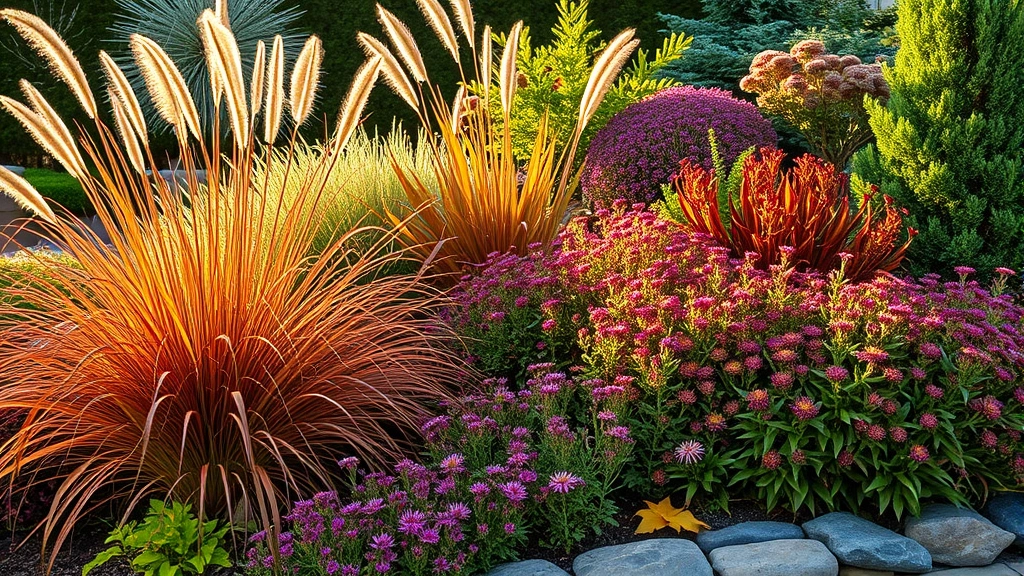
Autumn transitions the garden toward cooler tones with asters, sedum, ornamental grasses, and late-blooming perennials. This season’s crisp nights enhance color intensity, creating jewel-toned displays. Seed heads and fading foliage provide visual interest and wildlife habitat, so resist the urge to clean up too aggressively.
Winter structure comes from evergreen plants, interesting seed heads, bark textures, and hardscape elements. While many cottage gardens go dormant in cold climates, winter interest prevents the landscape from appearing abandoned. Evergreen herbs, structural ornamental grasses, and persistent berries provide color and form when little else blooms.
Maintenance and Care Strategies
Cottage gardens require consistent care but reward efforts with abundant growth and blooms. Establish a regular maintenance schedule addressing watering, deadheading, staking, and weeding. Understanding your garden’s specific needs allows you to work efficiently while enjoying the process rather than viewing maintenance as burdensome.
Proper soil preparation establishes the foundation for healthy plants. Amend soil generously with compost or well-aged manure before planting, improving drainage and nutrient content. Most cottage garden plants thrive in moderately fertile, well-draining soil. Annual mulching with compost adds organic matter while suppressing weeds and regulating soil temperature.
Watering practices should match plant needs while conserving resources. Most established perennials tolerate moderate drought once roots develop, though vegetables and tender annuals require consistent moisture. Water deeply but less frequently to encourage deep root development. Morning watering reduces disease pressure by allowing foliage to dry quickly.
Deadheading—removing spent flowers—extends blooming periods and prevents excessive self-seeding. Many cottage gardeners deadhead regularly throughout summer to maintain continuous blooms. However, allowing some flowers to mature and produce seeds is essential for self-seeding plants and wildlife that depends on seeds for food.
Staking tall plants prevents damage from wind and heavy rain. Use inconspicuous stakes or grow-through supports that disappear as plants mature. Proper staking maintains plant health and appearance while preventing neighbors’ gardens from being damaged by flopping stems. Install supports early in the season when plants are small, making installation easier and less visible.
Incorporate gardening tips for beginners to simplify your cottage garden experience. Start small, focus on plants that naturally thrive in your climate, and observe how your space evolves through seasons. Many successful cottage gardeners began with simple designs that expanded organically over years.
FAQ
What’s the difference between cottage gardens and wild gardens?
While both celebrate abundant growth, cottage gardens maintain intentional structure and design elements. Wild gardens embrace naturalism more completely, allowing plants to establish without much intervention. Cottage gardens combine purposeful planning with relaxed aesthetics, whereas wild gardens prioritize ecosystem development above design considerations.
Can I create a cottage garden in a small space?
Absolutely. Cottage garden principles scale beautifully to small spaces. Focus on vertical elements, dense planting, and plants suited to your specific conditions. Even a small front garden or patio area can embody cottage garden charm through thoughtful plant selection and hardscape integration.
How do I prevent my cottage garden from becoming weedy?
Dense planting naturally suppresses weeds by eliminating bare soil where seeds can establish. Mulching adds another weed-suppressing layer while improving soil quality. Regular deadheading prevents weeds from flowering and spreading. Early attention to new weeds prevents problems from escalating into major maintenance issues.
What’s the best time to start a cottage garden?
Spring and fall offer ideal planting conditions in most climates. Spring allows plants to establish before summer stress, while fall planting gives perennials time to develop roots before winter dormancy. However, you can begin planning and preparing soil any season, with planting adjusted to your climate’s specific needs.
Do cottage gardens require special fertilizers?
Most cottage gardens thrive with annual compost applications and occasional balanced fertilizers. Avoid over-fertilizing, which promotes excessive foliage at the expense of flowers. Organic approaches using compost, aged manure, and natural fertilizers align with cottage garden traditions while supporting soil health and sustainability.


