Chrysanthemum Care: Pro Gardener’s Secrets for Stunning Blooms
Chrysanthemums are among the most rewarding flowering plants for gardeners of all skill levels. These vibrant perennials deliver weeks of color in autumn when many other garden plants are fading, making them essential for extending your growing season. Whether you’re cultivating a chrysanthemum garden for the first time or refining your technique, understanding the specific needs of these plants will transform your results dramatically.
Professional gardeners recognize that chrysanthemums thrive with consistent attention to watering, pruning, and seasonal timing. The secrets to spectacular blooms lie not in complicated procedures but in mastering fundamental care techniques that align with the plant’s natural growth cycle. This comprehensive guide reveals the strategies that separate average chrysanthemum displays from award-winning gardens.
Understanding Chrysanthemum Varieties and Selection
The chrysanthemum family encompasses hundreds of varieties, each with distinct characteristics that influence care requirements. Garden mums, which are hardy perennials, differ significantly from florist mums bred for indoor containers. Understanding these differences is fundamental to successful cultivation in your chrysanthemum garden.
Hardy garden varieties like ‘Sheffield Pink’ and ‘Autumn Fire’ can survive winter in most climates and return year after year. Conversely, florist chrysanthemums, while spectacular in bloom, typically require replanting annually in cold regions. When selecting plants, examine the root system—healthy specimens display white roots visible at drainage holes without circling excessively around the soil ball.
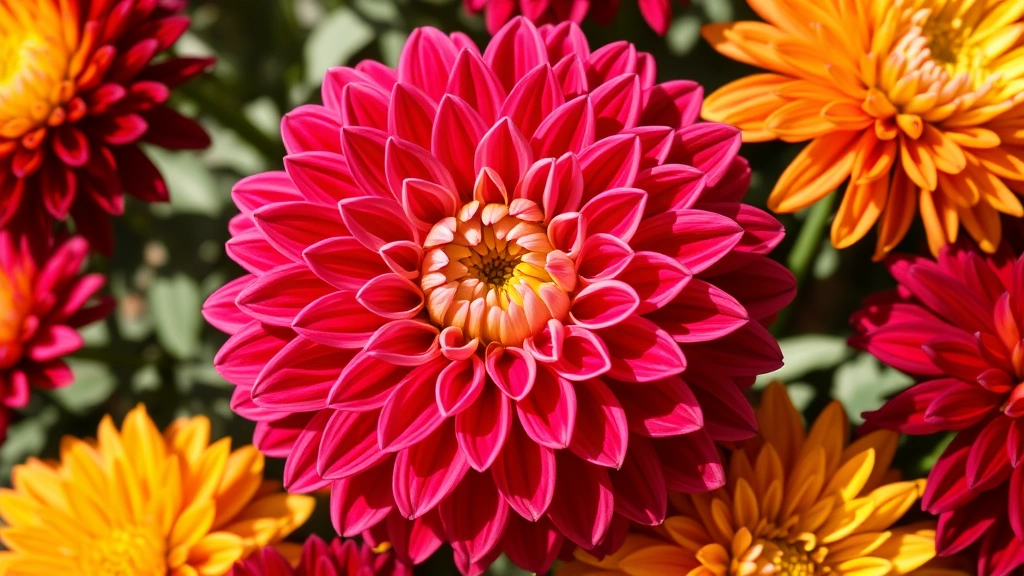
Flower form classifications include daisy-like single blooms, pompom varieties with densely packed petals, and football-shaped blooms. Each form has distinct cultural needs. Single-petaled varieties often require less intensive pruning, while pompom types benefit from more aggressive pinching to develop fuller, more compact plants. Consider integrating chrysanthemums with small evergreen garden plants for year-round structure and visual interest.
Color selection extends far beyond the traditional yellow and white. Modern breeding has produced deep burgundies, soft lavenders, bronze tones, and even bi-color combinations. Choose colors that complement existing landscape elements and provide contrast against your garden’s backdrop. Professional designers often select multiple varieties that bloom simultaneously for maximum visual impact.
Soil Preparation and Planting Fundamentals
Chrysanthemums are surprisingly adaptable to various soil types, but they absolutely require excellent drainage. Poorly draining soil remains the leading cause of plant failure, leading to root rot and fungal diseases. Before planting, amend heavy clay soils with coarse compost, aged bark, or perlite to improve structure and water movement.
Ideal soil pH ranges from 6.0 to 6.5, slightly acidic conditions that maximize nutrient availability. Conduct a soil test through your local USDA extension service to determine baseline pH and nutrient levels. This investment in soil analysis prevents months of troubleshooting later in the season.
Space plants 18 to 24 inches apart to ensure adequate air circulation, which reduces fungal disease pressure. Crowded plantings create humid microclimates where powdery mildew and other foliar diseases flourish. When planting, position the top of the root ball level with the surrounding soil surface—never mound soil over the crown, as this promotes rot.
Timing matters significantly for chrysanthemum success. Spring planting allows plants to establish extensive root systems before summer heat and fall blooming. In warmer climates, early spring planting ensures plants mature before extreme heat arrives. Plant in late spring or early summer in cold regions where autumn frosts arrive early.
Watering Strategies for Optimal Growth
Consistent moisture is essential for chrysanthemum health, but the distinction between consistent and constantly wet is critical. Overwatering causes more problems than underwatering, yet insufficient water during bud development reduces bloom quality. The goal is maintaining soil moisture equivalent to a well-wrung-out sponge.
Water deeply and less frequently rather than shallow daily watering. This approach encourages deep root development and reduces surface diseases. Check soil moisture by inserting your finger two inches into the soil; if it feels dry at that depth, water thoroughly until moisture drains from the bottom. An expandable garden hose with a soaker attachment delivers water directly to the soil base, minimizing wetting foliage that promotes fungal issues.
Early morning watering is optimal, allowing any accidental foliage wetting to dry quickly as temperatures rise. Avoid evening watering, which leaves leaves wet overnight—an invitation for disease development. During hot summers, daily watering may be necessary, particularly for container-grown specimens that dry rapidly.
As plants approach bloom time in late summer and fall, reduce watering frequency slightly. This mild stress actually improves flower color intensity and encourages tighter, more attractive bloom forms. However, never allow plants to wilt visibly, as severe dehydration damages developing buds.
Pruning and Pinching Techniques
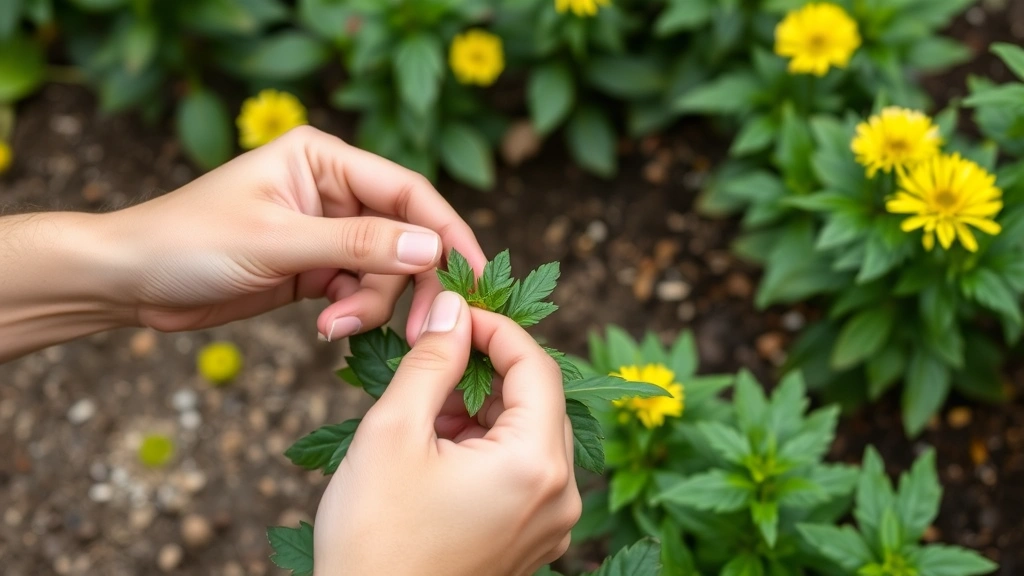
Strategic pruning transforms spindly plants into full, bushy specimens covered with flowers. The pinching technique—removing the terminal growing tip—forces plants to branch laterally, creating more flowering sites. Begin pinching in spring when plants reach 6 inches in height.
Pinch plants every two to three weeks through mid-July. Each pinch removes approximately one inch of new growth from the stem tip. This timing allows sufficient time for new branches to develop and set flower buds before fall blooming begins. Late pinching after August 1st removes developing flower buds, delaying bloom or reducing flower count.
Removing lower foliage on mature plants improves air circulation and reduces disease pressure. Strip leaves from the bottom 6 to 8 inches of stems once plants reach full size. This creates an attractive lollipop form while exposing the base to beneficial air movement. Disinfect pruning tools between plants using a 10% bleach solution to prevent disease transmission.
Deadheading spent flowers during the blooming period extends flowering duration. Remove flowers as they fade to redirect plant energy toward developing additional blooms rather than seed production. This practice can extend the flowering season by two to three weeks.
Fertilizing for Maximum Blooms
Chrysanthemums are moderate feeders that perform well with balanced nutrition. Begin fertilizing when new growth emerges in spring, using a balanced fertilizer like 10-10-10 or 12-4-8 applied every two weeks through July. Switch to a bloom-promoting formula with higher phosphorus (the middle number) in August to encourage flowering.
Liquid fertilizers provide quick nutrient availability and allow precise dosing. Dilute according to label directions and apply to moist soil to prevent root burn. Granular slow-release fertilizers offer convenience but require consistent moisture for nutrient availability. Organic options like fish emulsion and compost tea support soil biology while feeding plants.
Avoid over-fertilizing, which produces lush foliage at the expense of flowers. Excess nitrogen encourages vegetative growth and makes plants susceptible to pests and diseases. If plants appear yellowed despite adequate fertilizer, suspect nutrient deficiencies or pH imbalances rather than assuming more fertilizer is needed.
Micronutrient deficiencies occasionally appear, particularly in alkaline soils. Iron deficiency causes yellowing between leaf veins while veins remain green. Address this with chelated iron sprays or soil applications. Boron deficiency creates distorted flowers and stunted growth—a soil test identifies this issue before symptoms become severe.
Managing Pests and Diseases
Healthy chrysanthemums resist most pest and disease problems, but several issues frequently appear in gardens. Spider mites thrive in hot, dry conditions and cause fine stippling on leaves. Increase humidity by misting plants or improving air circulation with strategic pruning. Insecticidal soap provides effective control when infestations develop.
Aphids cluster on new growth and flower buds, weakening plants and transmitting viruses. Inspect plants regularly, particularly during spring growth. Strong water spray dislodges many aphids; persistent infestations respond to neem oil or insecticidal soap applications.
Powdery mildew appears as white coating on leaves, particularly in crowded plantings with poor air circulation. Prevent through adequate spacing, morning watering, and removing lower foliage. Sulfur-based fungicides provide effective control; apply preventively before disease establishes. Baking soda solutions (1 tablespoon per gallon of water) offer organic alternatives.
Root rot develops in waterlogged soil, causing wilting despite adequate moisture. This fungal disease is essentially irreversible once established. Prevention through excellent drainage and proper watering is far superior to treatment. If root rot appears, remove affected plants and improve drainage before replanting.
Chrysanthemum stunt virus causes stunted growth and abnormal foliage. This virus spreads through contaminated tools and insect vectors. Disinfect pruning equipment and remove infected plants immediately to prevent spread. Purchase certified disease-free plants from reputable nurseries to avoid introducing problems.

Seasonal Care Calendar
Spring (March-May): After frost danger passes, transplant chrysanthemums into garden beds or containers. Begin fertilizing with balanced formulas every two weeks. Start pinching when plants reach 6 inches tall. Mulch around plants with 2 inches of organic material to conserve moisture and suppress weeds. Install support structures for taller varieties that may require staking later.
Early Summer (June-July): Continue pinching every two to three weeks through mid-July. Water consistently as temperatures rise. Maintain fertilizer schedule and monitor for pests. Remove lower foliage to improve air circulation. Scout regularly for disease symptoms and treat promptly if issues appear. This is an ideal time to integrate chrysanthemums into mixed borders alongside perennials like coneflowers and ornamental grasses.
Late Summer (August-September): Stop pinching and pruning to allow flower buds to develop. Switch to bloom-promoting fertilizer with higher phosphorus. Continue consistent watering, particularly important as buds swell. Reduce fertilizer frequency to every three weeks as plants transition to blooming. Monitor for spider mites and powdery mildew as humidity and temperature fluctuate.
Fall (October-November): Enjoy peak blooming and deadhead spent flowers to extend flowering. Reduce watering as temperatures cool and growth slows. Stop fertilizing to allow plants to harden off for winter. In northern regions, cut back foliage after frost to prevent disease. Apply 3 to 4 inches of mulch in very cold climates to protect crown from freeze-thaw cycles. In warm regions, light pruning maintains plant shape through winter.
Winter (December-February): In cold climates, dormant chrysanthemums require no care beyond monitoring mulch coverage. In mild regions, light watering during dry spells maintains plant vigor. This is an excellent time to plan next season’s chrysanthemum garden layout and order new varieties. Consider adding structural elements like a garden arch to create focal points and support climbing plants nearby.
FAQ
How often should I water chrysanthemums?
Water when the top two inches of soil feel dry, typically every two to three days during active growth. During blooming in fall, reduce frequency slightly. Consistent moisture is essential, but never allow soil to remain soggy. Container plants dry faster and may need daily watering during hot weather.
Can I grow chrysanthemums in containers?
Yes, chrysanthemums thrive in containers with quality potting soil and drainage holes. Use containers at least 12 inches in diameter. Container plants require more frequent watering and benefit from regular fertilizing since water drains nutrients away. Bring tender varieties indoors in cold climates or treat as annuals.
When should I divide mature chrysanthemums?
Divide plants in early spring when new growth appears, or in early fall after blooming. Dig up plants and separate into sections with multiple stems attached. Replant divisions immediately in prepared soil and water thoroughly. Dividing every two to three years rejuvenates old plants and prevents center dieback.
Why aren’t my chrysanthemums blooming?
Late or reduced blooming typically results from late pinching that removes developing buds, insufficient light (less than six hours daily), or excessive nitrogen fertilizer promoting foliage over flowers. Ensure plants receive full sun and switch to bloom-promoting fertilizer by August. Very young plants may not flower their first year.
Are chrysanthemums perennial or annual?
Hardy garden varieties are perennials that return year after year in appropriate climates. Florist mums sold in fall are typically tender and treated as annuals in cold regions, though some survive mild winters. Check variety hardiness for your climate zone. Proper winter protection improves survival rates in marginal zones.
What’s the best way to propagate chrysanthemums?
Division is the simplest method for propagating established plants. Cuttings taken in spring root readily in moist propagating medium under high humidity. Use 3 to 4 inch stem cuttings with leaves removed from the bottom inch. Rooting occurs in two to three weeks; pot individually once roots develop.
How do I prepare chrysanthemums for winter?
After frost kills foliage in fall, cut plants back to 4 to 6 inches above ground. Apply 3 to 4 inches of mulch in cold climates to insulate crowns from freeze-thaw damage. In mild regions, light pruning maintains shape. Remove mulch in spring as new growth emerges. Very tender florist varieties require moving indoors or treating as annuals.
Mastering chrysanthemum care opens possibilities for extending your garden’s color season and creating stunning autumn displays. These reliable performers reward consistent attention with weeks of vibrant blooms. Start with quality plants, provide excellent drainage, maintain consistent moisture, and execute strategic pruning—these fundamentals separate successful chrysanthemum gardens from disappointing results. Explore complementary resources like grow a garden recipe list ideas for harvesting and preserving herbs nearby, or grow a garden cooking recipes for edible companions. Consult your local Royal Horticultural Society or New York State Horticultural Society for region-specific guidance. Visit Missouri Botanical Garden for detailed variety information and cultivation videos. With experience, you’ll develop intuition for your plants’ needs and refine techniques for increasingly spectacular results.


